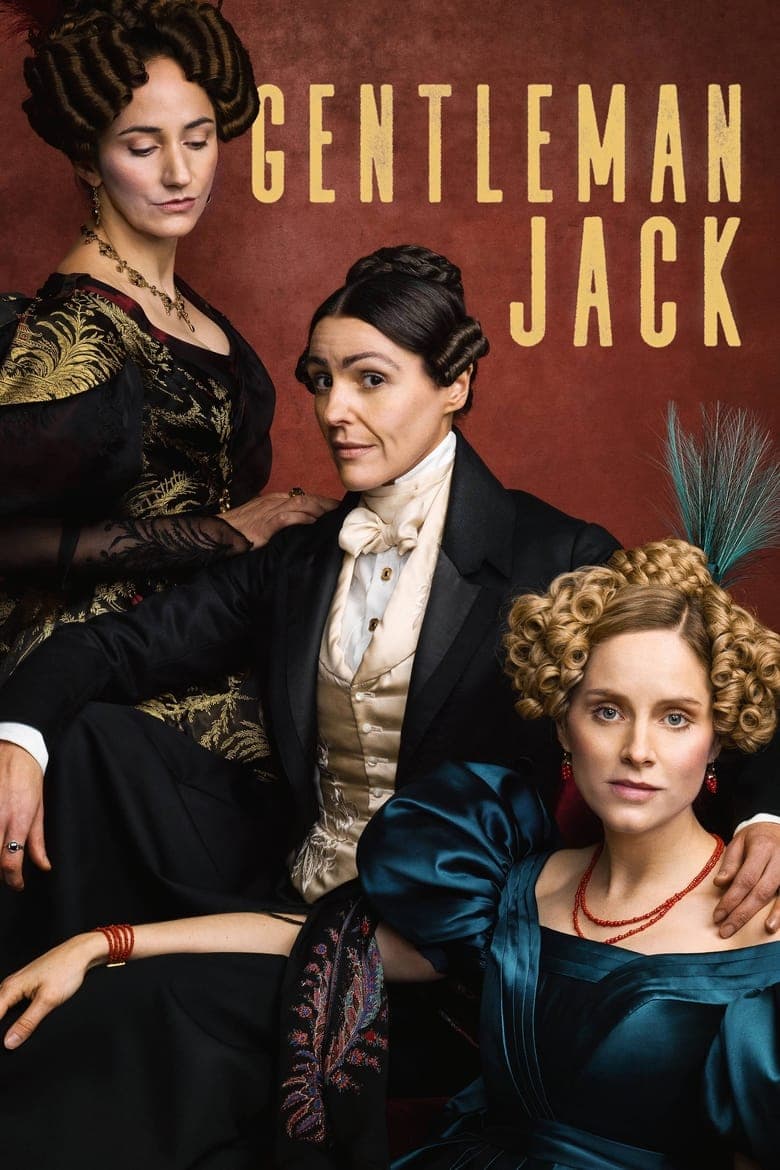
Started April 22, 2019 · Canceled · Based on 2 seasons, 16 episodes through June 13, 2022 · TV-MA · 60 min
Gentleman Jack is a British drama series set in Yorkshire in the 1830s. It tells the true story of Anne Lister, a wealthy landowner and business owner who wants to rebuild her estate and find a wife. The show heavily emphasizes modern queer themes, gender-nonconforming styles, and proto-feminist ideas. Viewers will clearly see a strong focus on female independence, lesbian romance, and the subversion of traditional marriage.
Community feedback
Was our 90% Woke rating accurate?
Breakdown
These are the editorial factors and ratings behind our score for Gentleman Jack.
Woke representation / casting
The series heavily highlights queer representation by casting and portraying Anne Lister as a masculine, gender-nonconforming lesbian. Her character's style, top hat, and confident masculine stride are central to the show's identity. This representation-first approach puts lesbian and gender-nonconforming identity at the absolute center of the cast. While the rest of the cast matches the historical 1830s Yorkshire setting, the prominent queer representation triggers the aggressive scoring rules for LGBTQ+ projects.
78%
Woke political dialogue
The characters frequently discuss the limitations placed on women in the 1830s. Anne Lister directly challenges male entitlement, traditional marriage, and the expectation that women must submit to men. The dialogue often feels modernized to frame Anne as a proto-feminist hero who rejects patriarchal control. Although the real historical Lister held many conservative views, the TV show adapts her conversations to emphasize themes of female autonomy and resistance to male authority.
Production
72%
Identity-driven story themes
The core story is entirely identity-driven. It focuses on Anne Lister's search for a female partner and her determination to live as a married lesbian in the 1830s. The narrative revolves around her coded diaries, her romantic relationships with women, and her efforts to resist traditional heteronormative expectations. Because the entire plot and character arcs are built directly around queer identity and challenging gender roles, it receives an elevated score under the queer-centric rules.
88%
Western institutional / cultural critique
The series presents a strong critique of traditional Western institutions of the 1830s, particularly traditional marriage, the church, and patriarchal social norms. Traditional marriage is depicted as a trap that strips women of their wealth and freedom. Anne and Ann Walker subvert church rituals by taking communion together to seal their private union. The show consistently frames traditional family structures and male-dominated local business networks as corrupt and hostile to female independence.
75%
Woke character or canon changes
Not present in this title.
0%
Anti-woke backlash and complaints
Some conservative viewers criticized the show online as too woke, arguing that it focuses too heavily on modern gender and identity politics. However, because the show is based directly on Anne Lister's real-life journals, the backlash was fairly muted. Critics had to acknowledge that her lesbian relationships are a matter of historical fact rather than fictional additions.
35%
Creator track record context
Creator Sally Wainwright is known for writing women-led stories that challenge traditional norms. Directors such as Amanda Brotchie and Fergus O'Brien also have a history of directing female-fronted and LGBTQ+-focused projects. Casting director Andy Pryor is a known advocate for inclusive casting practices. Together, the creative team has a moderate-to-strong track record of producing works with progressive themes.
45%
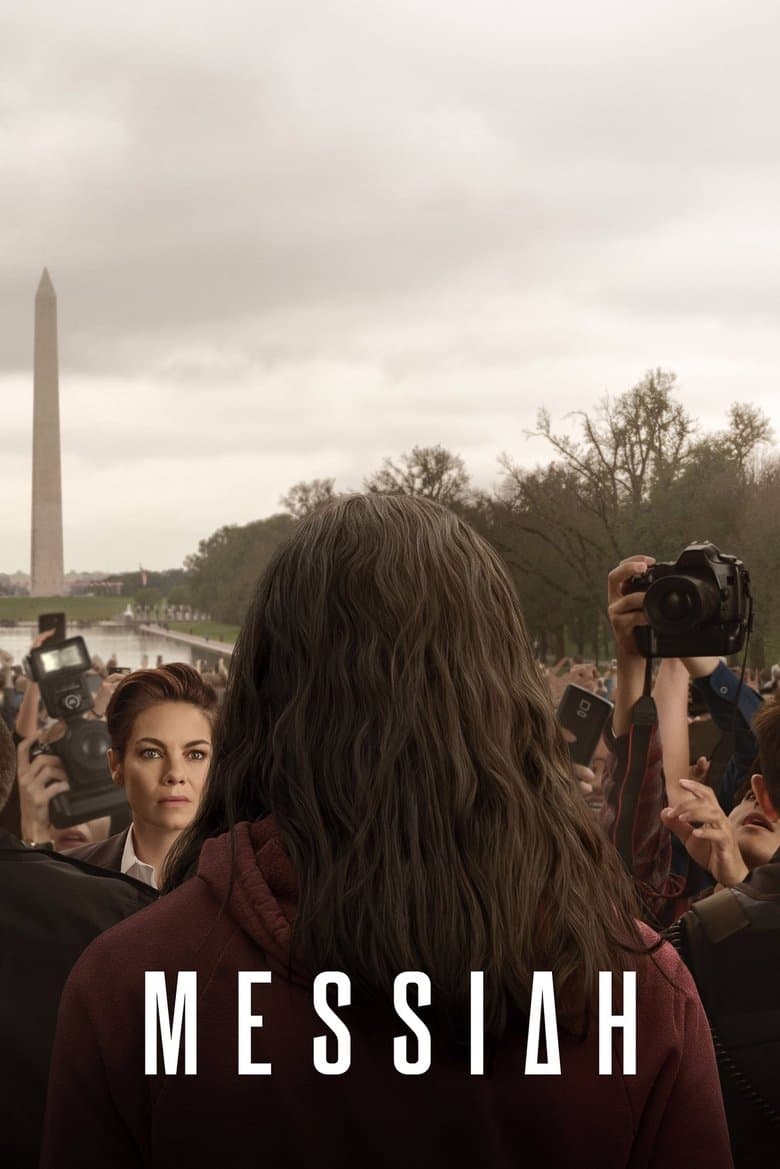
TV Show · 2020
A wary CIA officer investigates a charismatic man who sparks a spiritual movement and stirs political unrest. Who exactly is he? And what does he want?
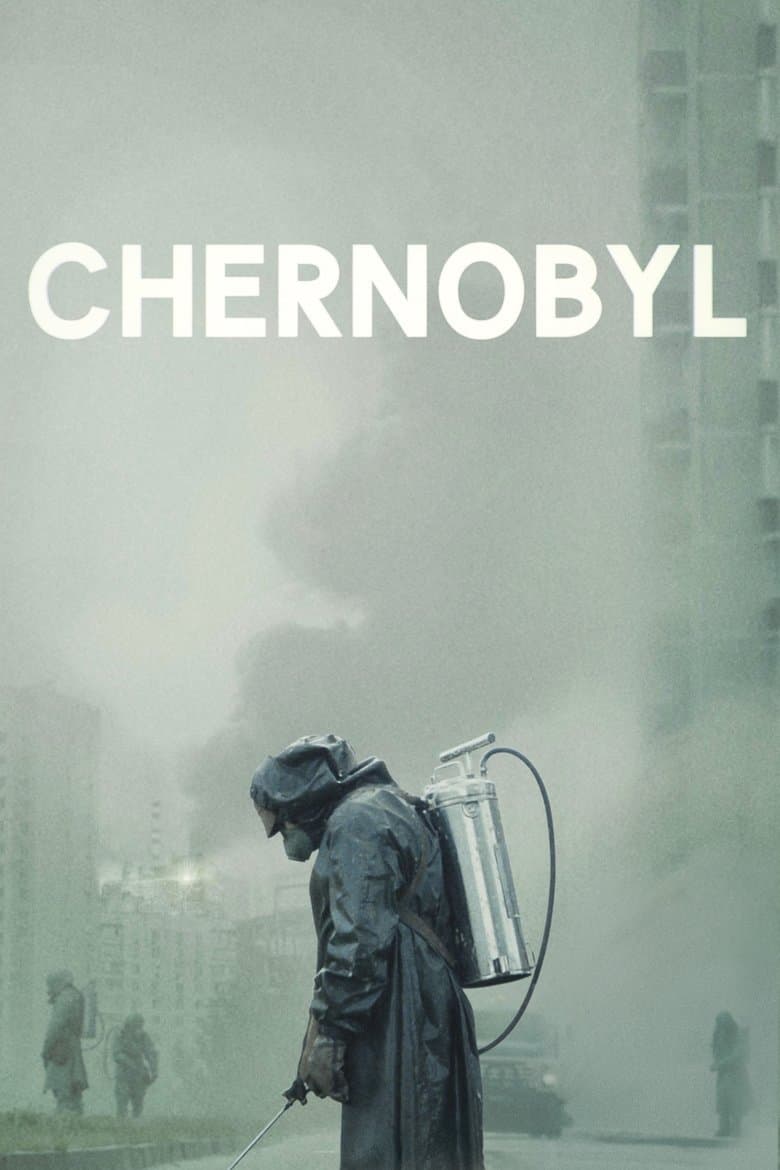
TV Show · 2019
The true story of one of the worst man-made catastrophes in history: the catastrophic nuclear accident at Chernobyl.

TV Show · 2024
Fascinated by cars since childhood, Brazilian racer Ayrton Senna became a sports legend — until tragedy struck, changing Formula 1 forever.

TV Show · 2026
The Clyburns uproot their comfortable New York City lives to the wild, untamed beauty of Montana's Madison River Valley on a search for connection.
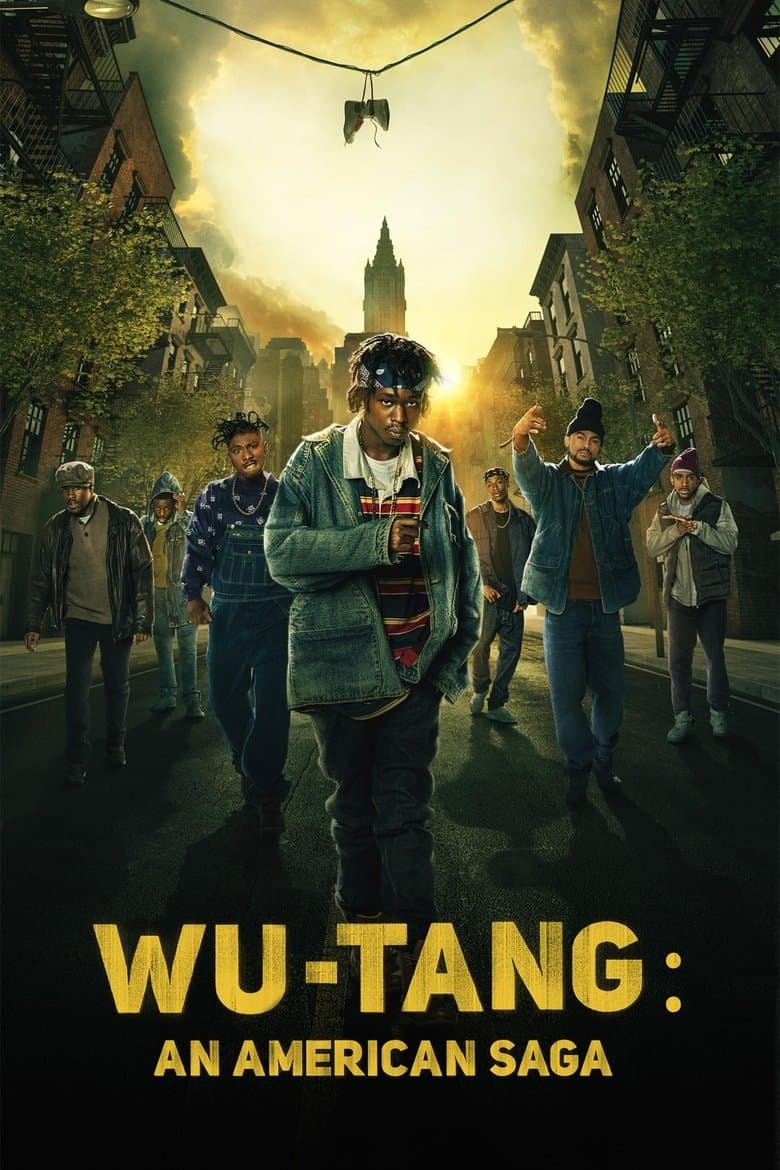
TV Show · 2019
In the early 1990s in New York, during the height of the crack cocaine epidemic, a visionary musician named Bobby Diggs aka The RZA begins to form a super group of a dozen young…
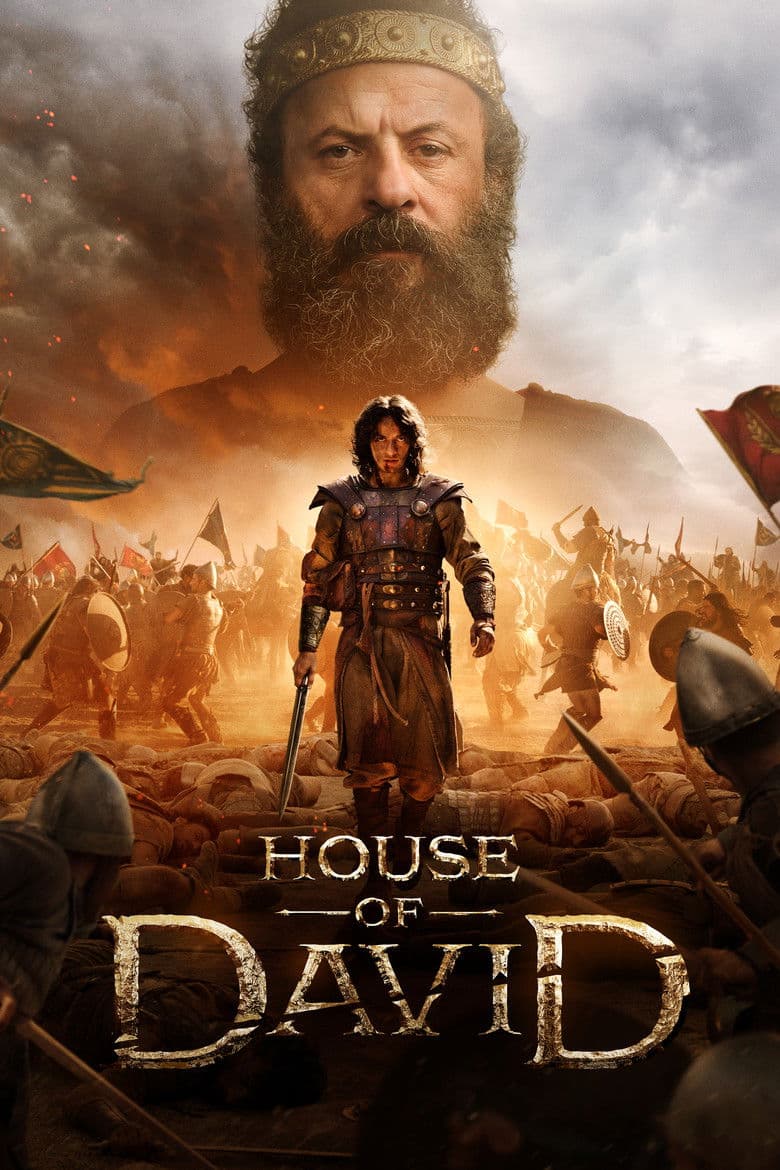
TV Show · 2025
Tells the story of the ascent of the biblical figure, David, who becomes the most celebrated king of Israel. The series follows the once-mighty King Saul as he falls victim to his…
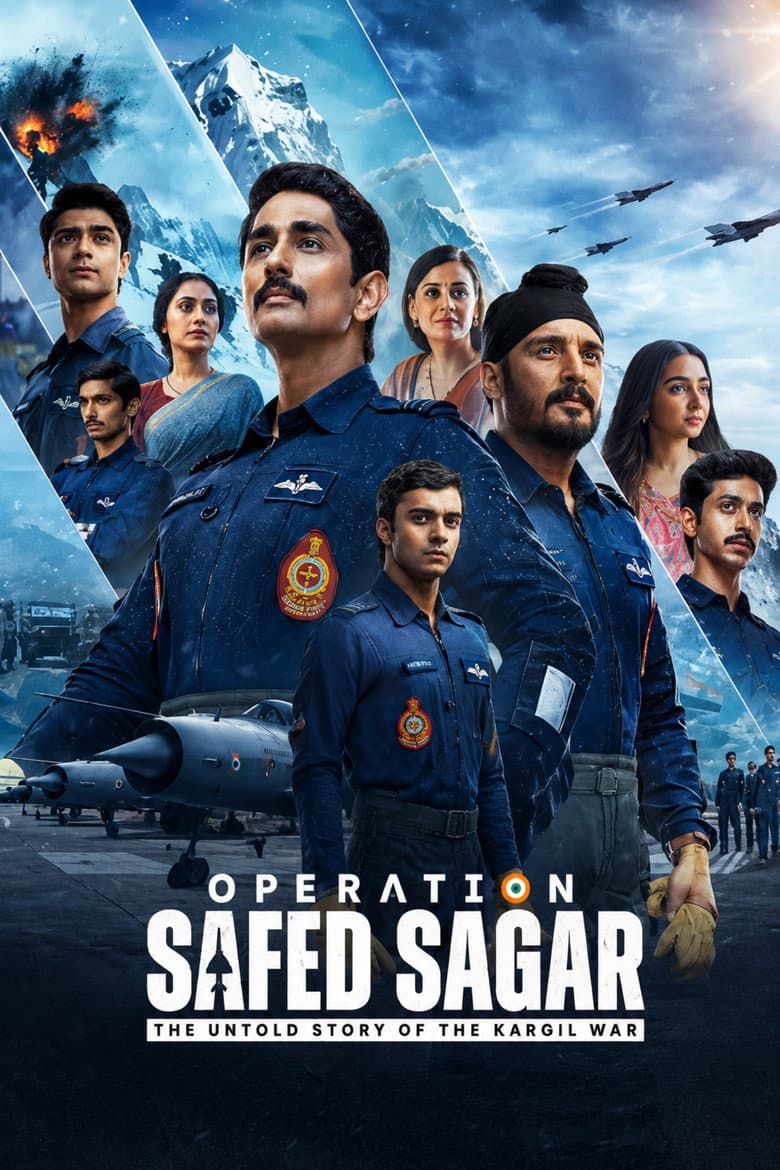
TV Show · 2026
As the Kargil War erupts between India and Pakistan, the Golden Arrows squadron of the Air Force takes flight on a dangerous mission behind enemy lines.

TV Show · 2022
This sweeping saga chronicles the hopes and dreams of a Korean immigrant family across four generations as they leave their homeland in an indomitable quest to survive and thrive.
