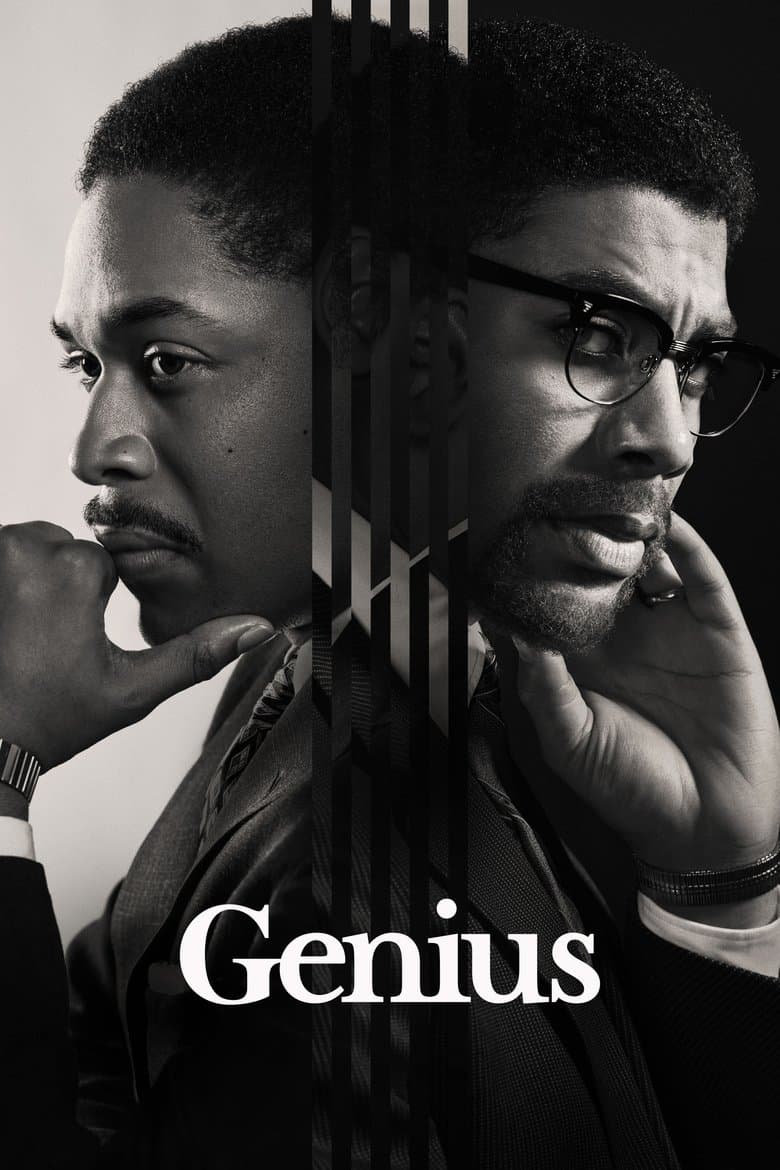
Started April 25, 2017 · Canceled · Based on 4 seasons, 36 episodes through February 22, 2024 · TV-14 · 43 min
The show is an anthology series that tells the life stories of historical figures starting with Albert Einstein and Pablo Picasso then moving to Aretha Franklin and Martin Luther King Jr. with Malcolm X. It covers their personal relationships, struggles, discoveries, and public impact across four seasons. Later seasons give more attention to civil rights activism and the experiences of black Americans in the face of injustice.
Community feedback
Was our 32% Woke rating accurate?
Breakdown
These are the editorial factors and ratings behind our score for Genius.
Woke representation / casting
Casting matches the ethnicity of historical subjects in prominent roles across seasons. Later seasons use black actors for black figures in natural alignment with the story world. No clear quota emphasis or mismatches.
0%
Woke political dialogue
Later seasons include period dialogue about civil rights activism and racial injustices faced by the subjects. No modern activist lectures or ideological slogans.
12%
Production
Identity-driven story themes
Seasons 3 and 4 center the personal and public lives of black figures amid racial barriers and the civil rights movement. Earlier seasons focus more on individual genius, relationships, and flaws with less group identity emphasis. Recent seasons carry more weight.
35%
Western institutional / cultural critique
Seasons 3 and 4 show historical American racism and obstacles during the civil rights era. Portrayals stay within the documented events rather than reframing as current-day critiques of Western systems or culture.
18%
Woke character or canon changes
Not present in this title.
0%
Anti-woke backlash and complaints
A few viewers noted a shift toward civil rights and diversity focus in later seasons. Aretha family opposition centered on consultation rather than content. No major anti-woke campaigns or widespread complaints found.
7%
Creator track record context
Early creators show low activist patterns. Later key contributors such as Suzan-Lori Parks and Gina Prince-Bythewood have repeated creative focus on black identity and stories of people of color. Anthony Hemingway has moderate inclusive credits.
33%
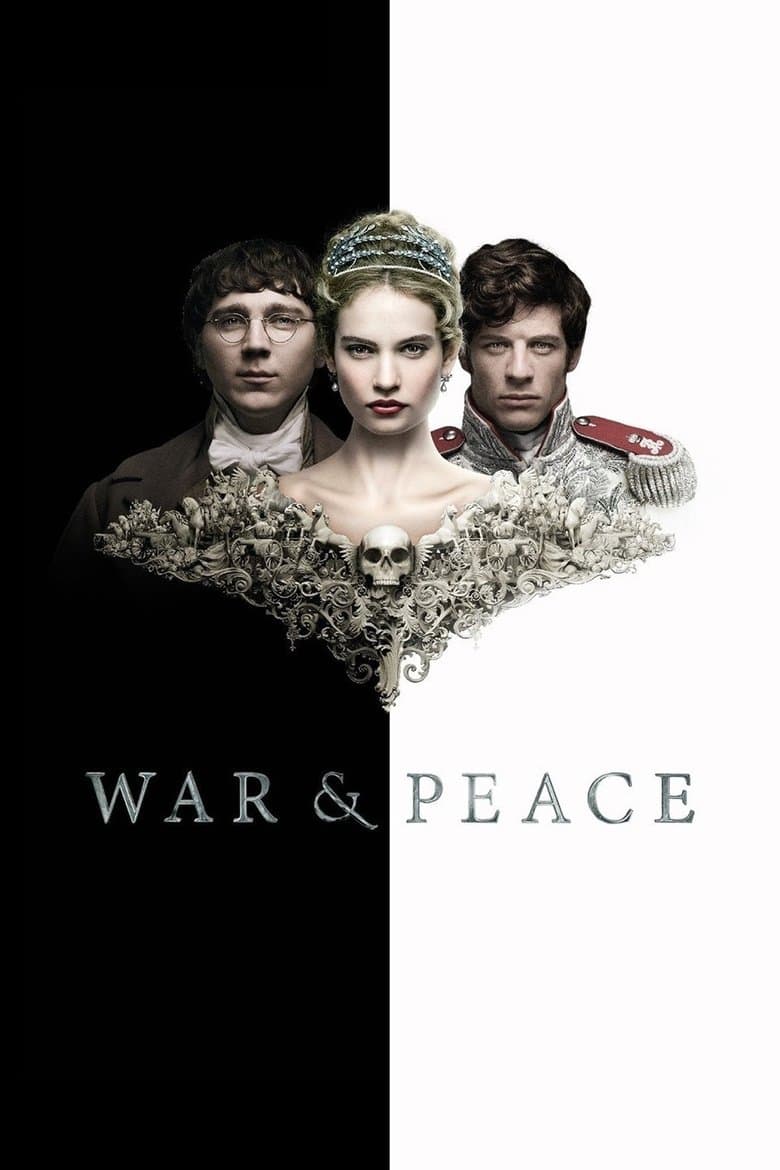
TV Show · 2016
The love story of young Countess Natasha Rostova and Count Pierre Bezukhov is interwoven with the Great Patriotic War of 1812 against Napoleon's invading army.
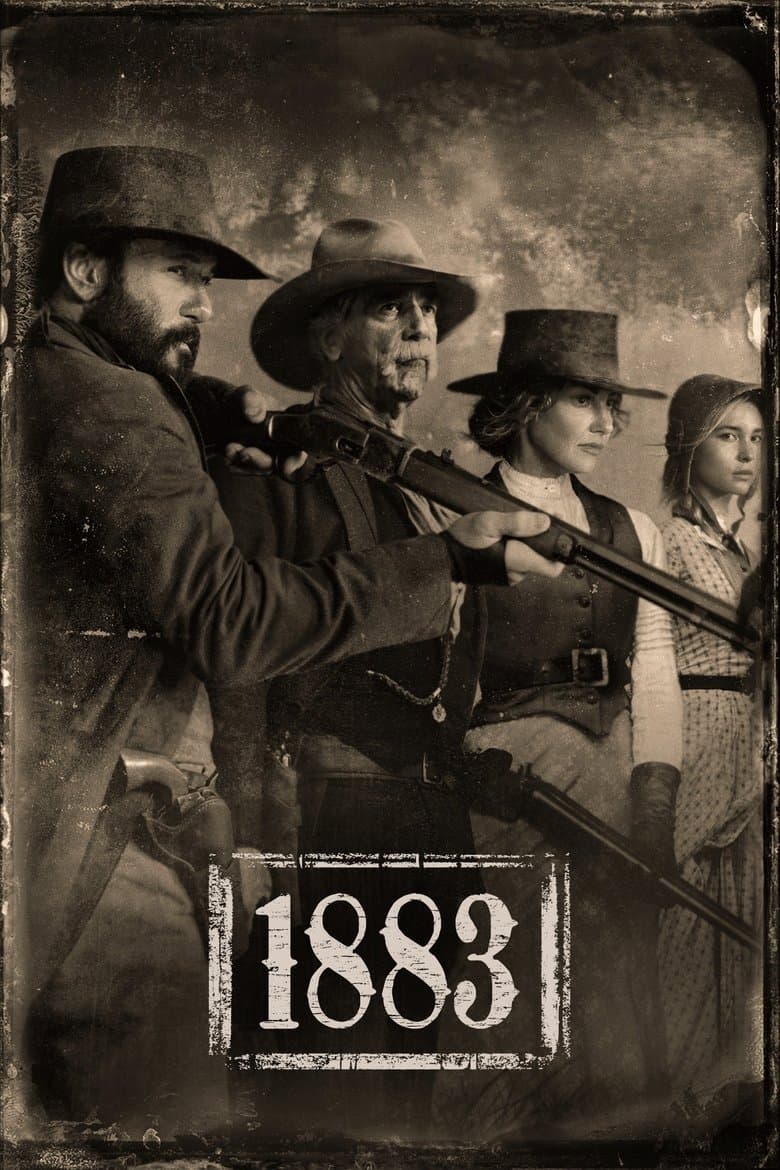
TV Show · 2021
Follow the Dutton family as they embark on a journey west through the Great Plains toward the last bastion of untamed America.
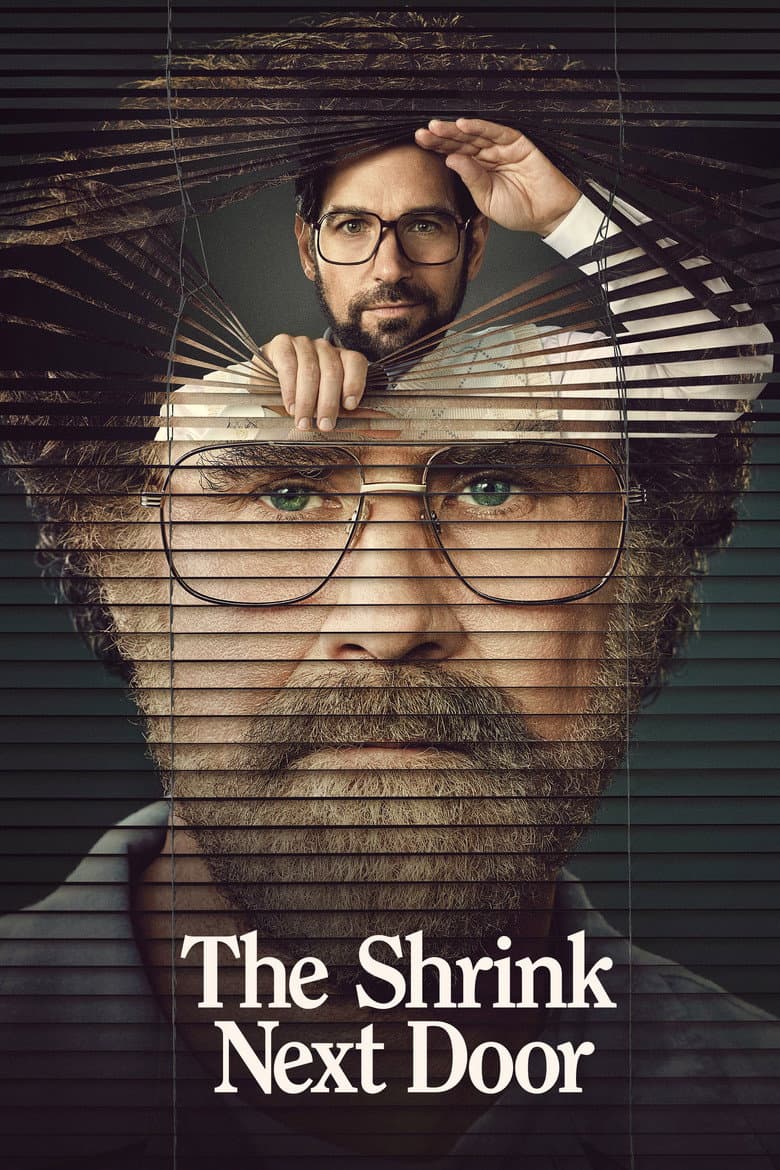
TV Show · 2021
Inspired by the true story of Marty and the therapist who turned his life around...then took it over. When he first meets Dr. Ike, Marty just wants to get better at boundaries.
TV Show · 2025
Tells the story of the ascent of the biblical figure, David, who becomes the most celebrated king of Israel. The series follows the once-mighty King Saul as he falls victim to his…
TV Show · 2019
In the 1960s, Israeli clerk-turned-secret agent Eli Cohen goes deep undercover inside Syria on a perilous, years-long mission to spy for Mossad.
TV Show · 2026
Rip Wheeler and Beth Dutton gamble everything on a new life in South Texas, but the promise of building a future far from the ghosts of Yellowstone quickly collides with brutal…

TV Show · 2026
As the Kargil War erupts between India and Pakistan, the Golden Arrows squadron of the Air Force takes flight on a dangerous mission behind enemy lines.
TV Show · 2024
The true story of one Jewish family separated at the start of World War II, determined to survive—and to reunite.
