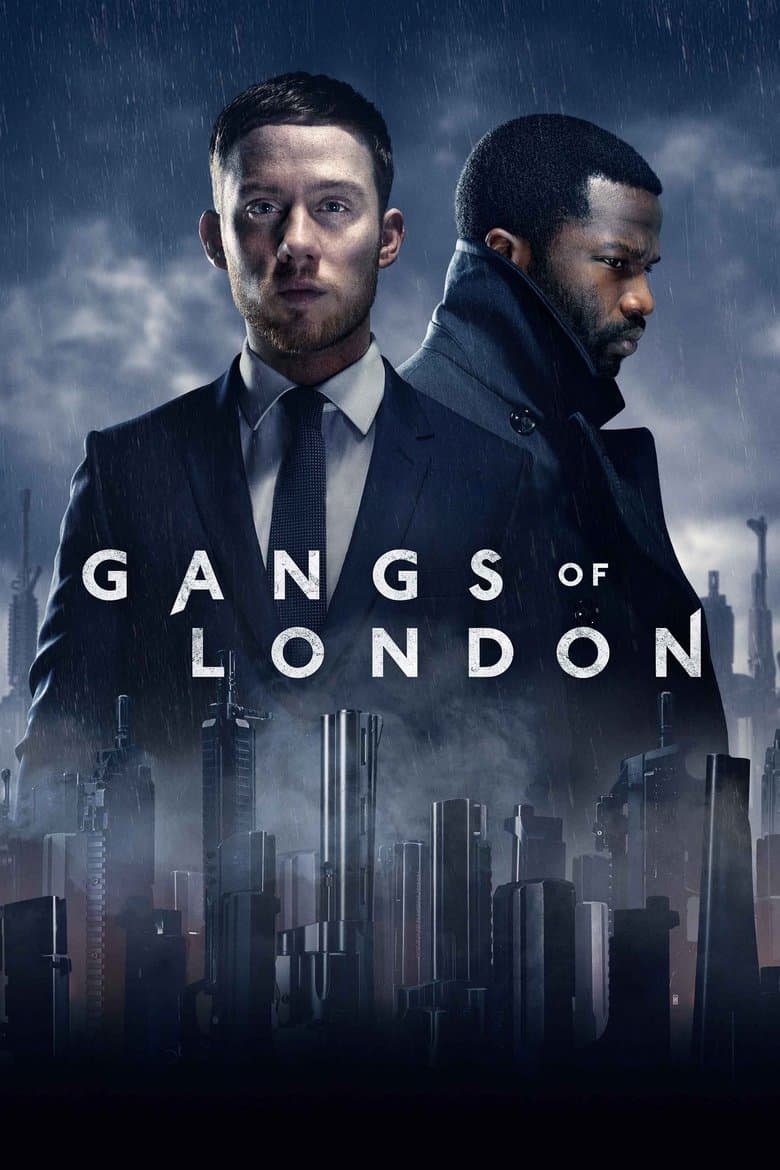
Started April 23, 2020 · Returning Series · Based on 3 seasons, 25 episodes through May 8, 2025 · TV-MA · 60 min
Gangs of London is a violent British crime drama about rival gangs fighting for control of London's underworld after crime boss Finn Wallace is assassinated. His son Sean tries to hold power while betrayals and brutal turf wars spread across multiple ethnic factions. The cast includes actors from various backgrounds in gang roles, and one recurring character is openly gay. Later seasons add plotlines about global business interests and a mayor pushing drug legalization.
Community feedback
Was our 34% Woke rating accurate?
Breakdown
These are the editorial factors and ratings behind our score for Gangs of London.
Woke representation / casting
Prominent roles go to black, Middle Eastern, Kurdish, and other actors in gang leadership and family positions that match ethnic crime groups in London. Billy Wallace is openly gay.
42%
Woke political dialogue
Dialogue stays on loyalty, revenge, betrayal, and crime. There are no lectures, identity arguments, or activist speeches.
0%
Identity-driven story themes
The core narrative is about family dynasties and violent power struggles in organized crime. Multicultural gangs reflect the city setting. Later seasons lightly frame global versus local interests.
15%
Western institutional / cultural critique
Season 3 shows shadowy global “investors” profiting from drugs and chaos and a mayor using drug legalization to target gangs. These are economic plot devices rather than critiques of patriarchy, whiteness, or traditional culture.
12%
Woke character or canon changes
Not relevant. The story is original and does not alter established characters or source material for identity reasons.
0%
Anti-woke backlash and complaints
A small number of online comments claim later seasons declined due to DEI. There is no major or sustained public backlash treating the show as woke or activist content.
10%
Creator track record context
Gareth Evans and most directors and producers focus on genre entertainment with little activist history. Writer Danusia Samal has a clearer record of identity-centered creative work.
23%
Production
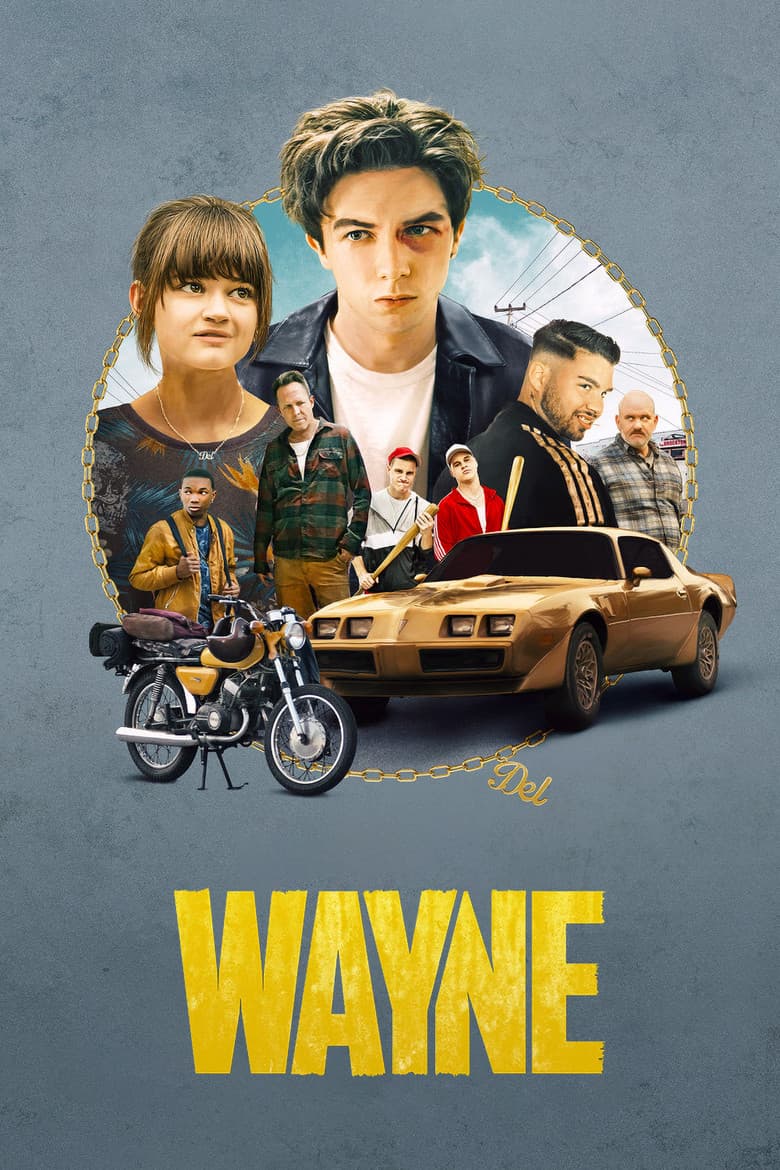
TV Show · 2019
In this gritty and sometimes bloody tale, sixteen year-old Wayne sets out on a dirt bike with his new crush Del to take back the 1978 Pontiac Trans Am that was stolen from his…
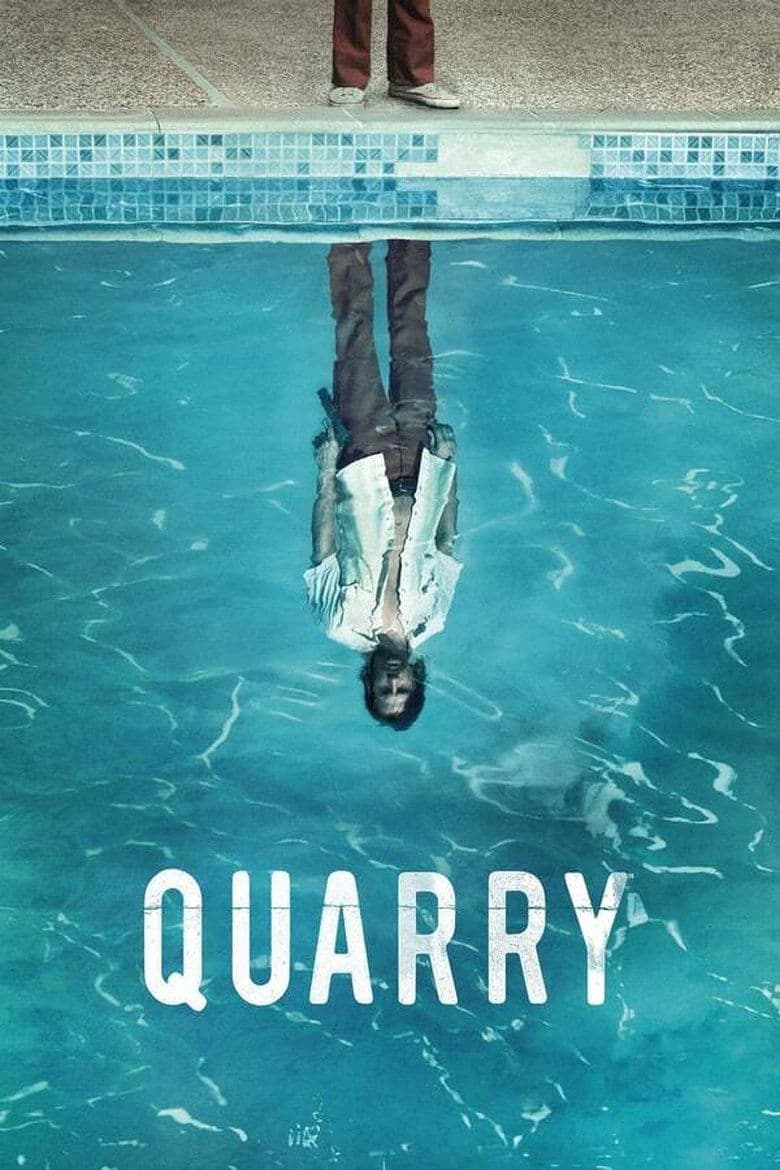
TV Show · 2016
The story of Mac Conway, a Marine who returns home to Memphis from Vietnam in 1972 and finds himself shunned by those he loves and demonized by the public.
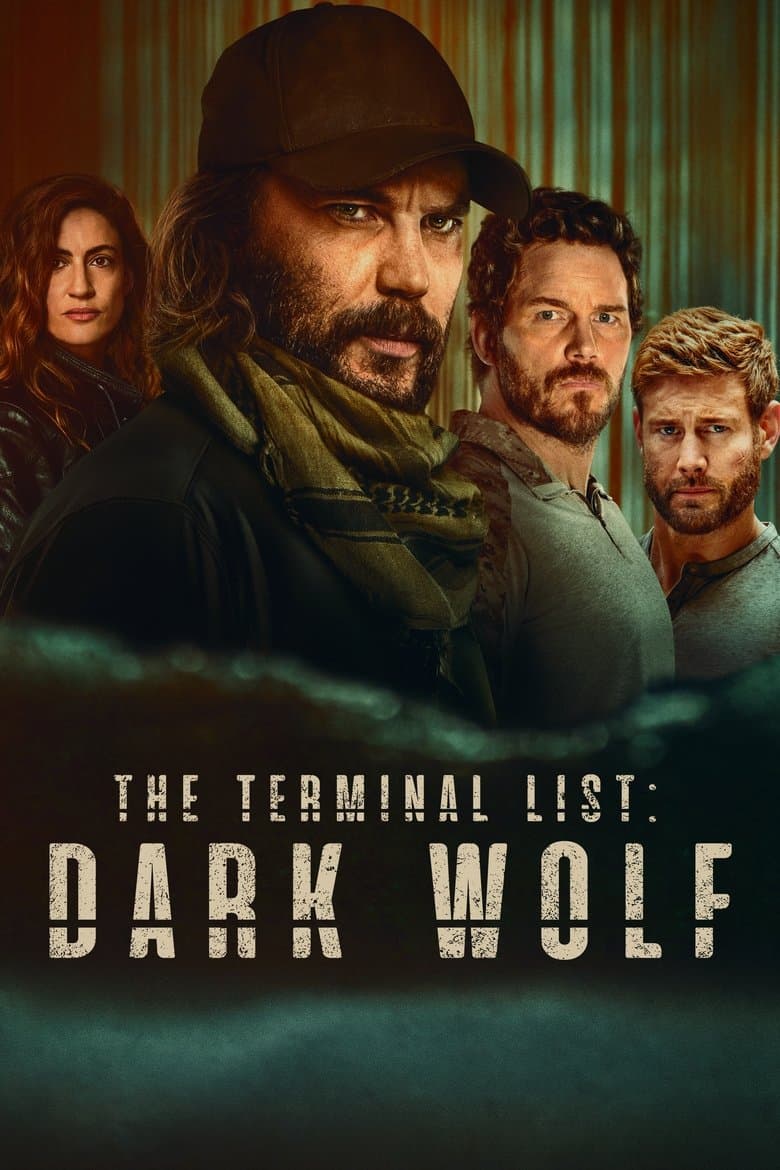
TV Show · 2025
Before The Terminal List, Navy SEAL Ben Edwards finds himself entangled in the black operations side of the CIA.
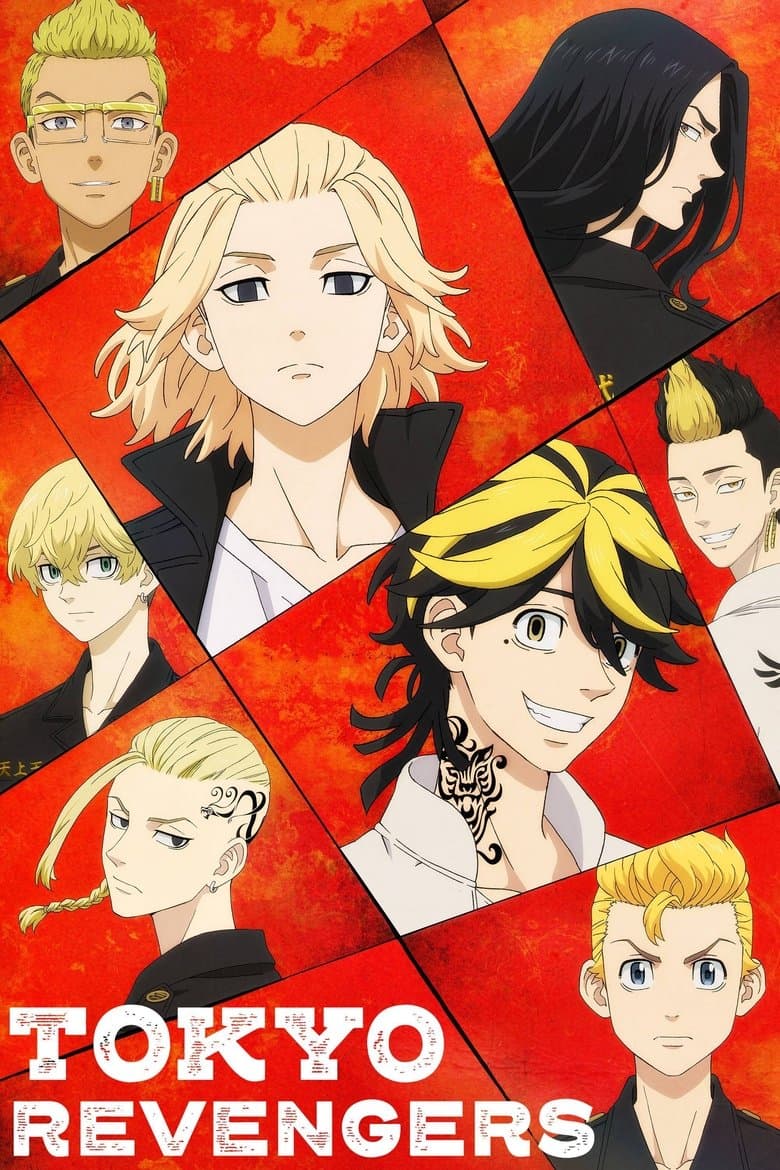
TV Show · 2021
Takemichi Hanagaki is a freelancer that’s reached the absolute pits of despair in his life. He finds out that the only girlfriend he ever had, in middle school, Hinata Tachibana…
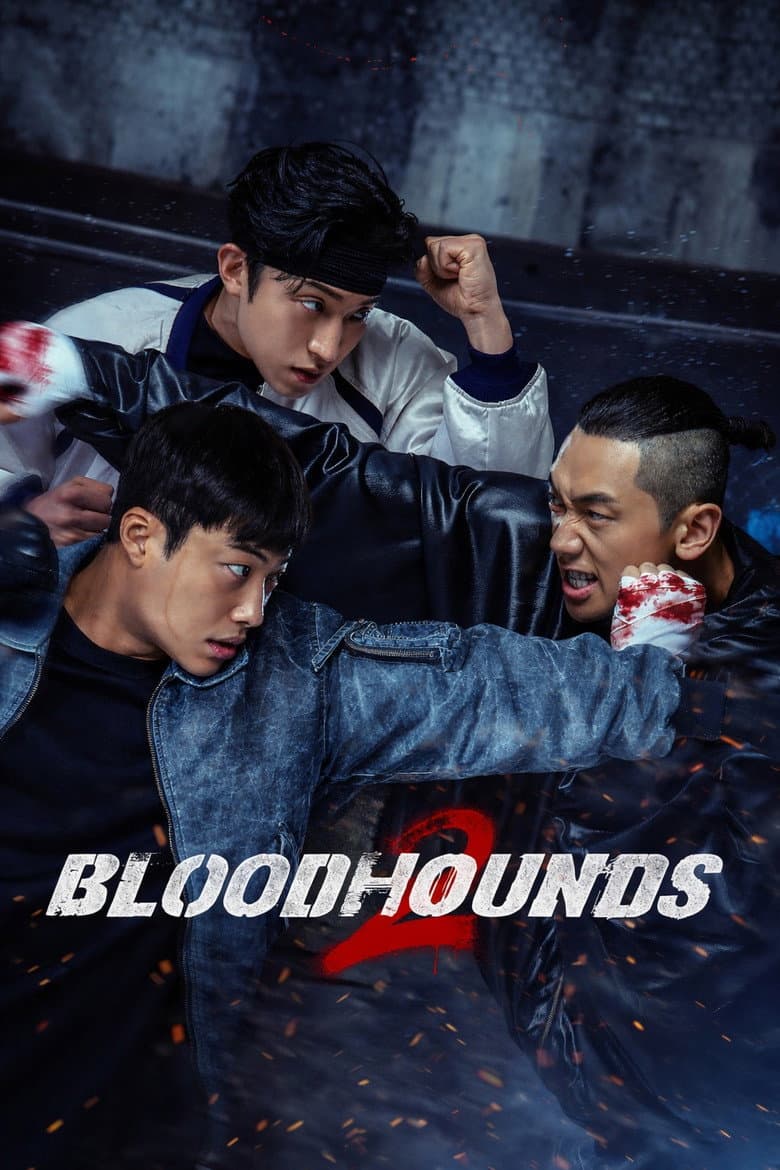
TV Show · 2023
Faced with ruthless foes with a violent thirst, two young boxers band together — risking life and limb to bring justice and protect their loved ones.
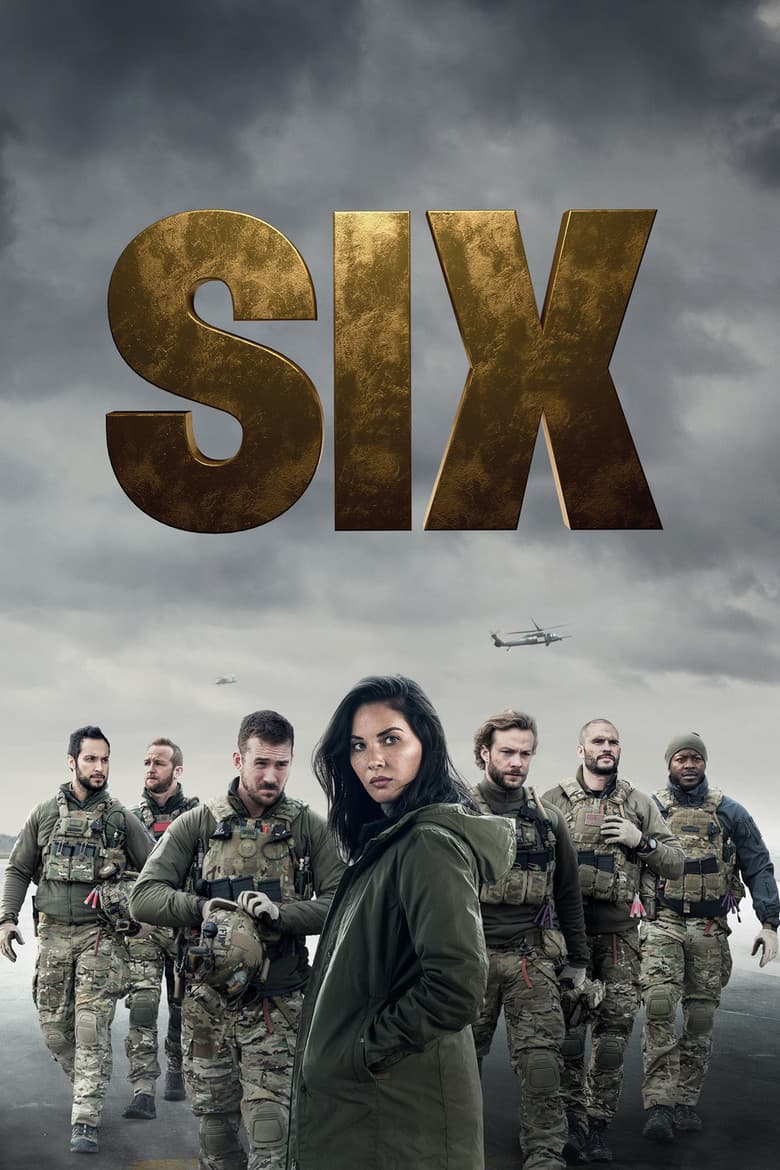
TV Show · 2017
Action drama series inspired by the real missions of Navy SEAL Team Six.
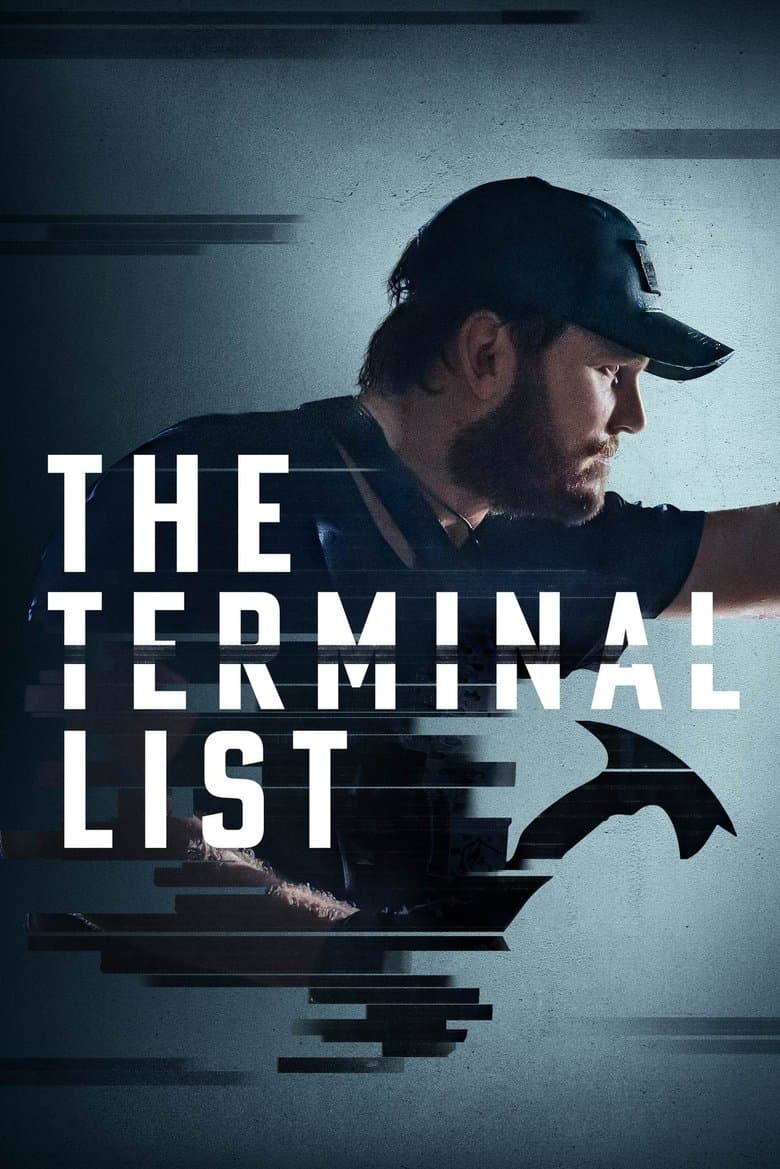
TV Show · 2022
Navy SEAL Commander James Reece turns to vengeance as he investigates the mysterious forces behind the murder of his entire platoon.
TV Show · 2016
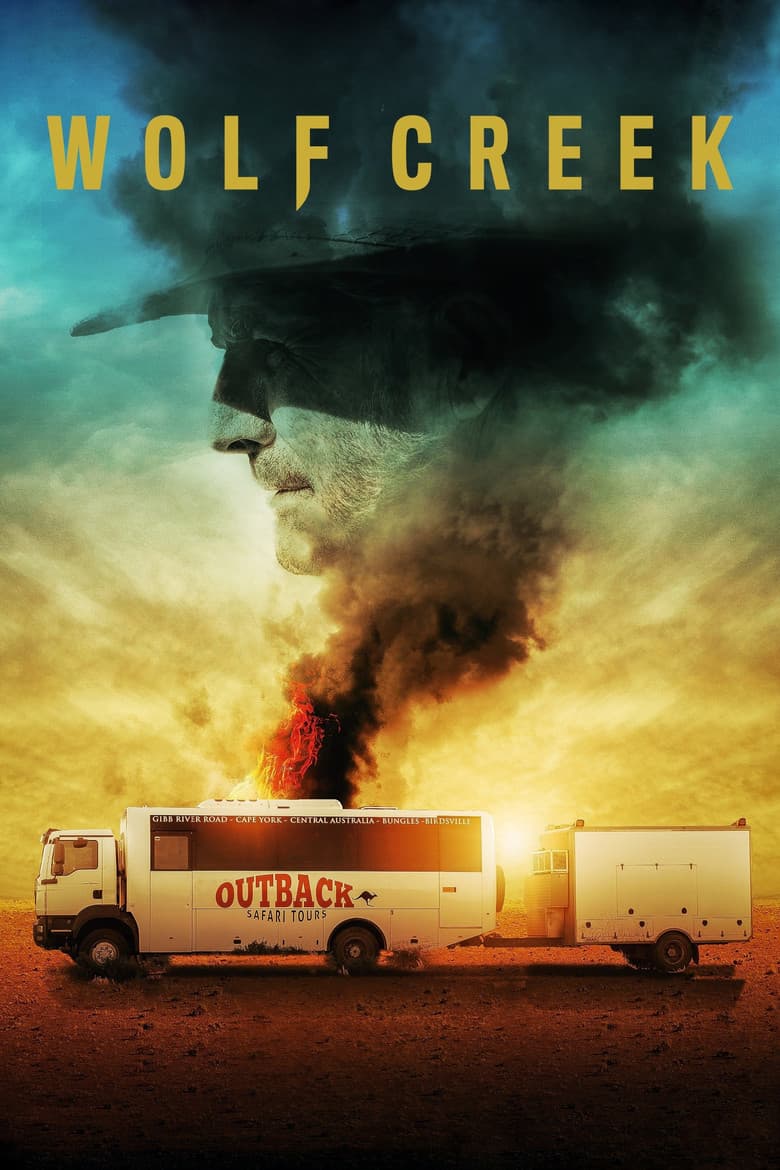
An anthology series which centers on different characters being targeted by crazed serial killer Mick Taylor in the Australian outback.
