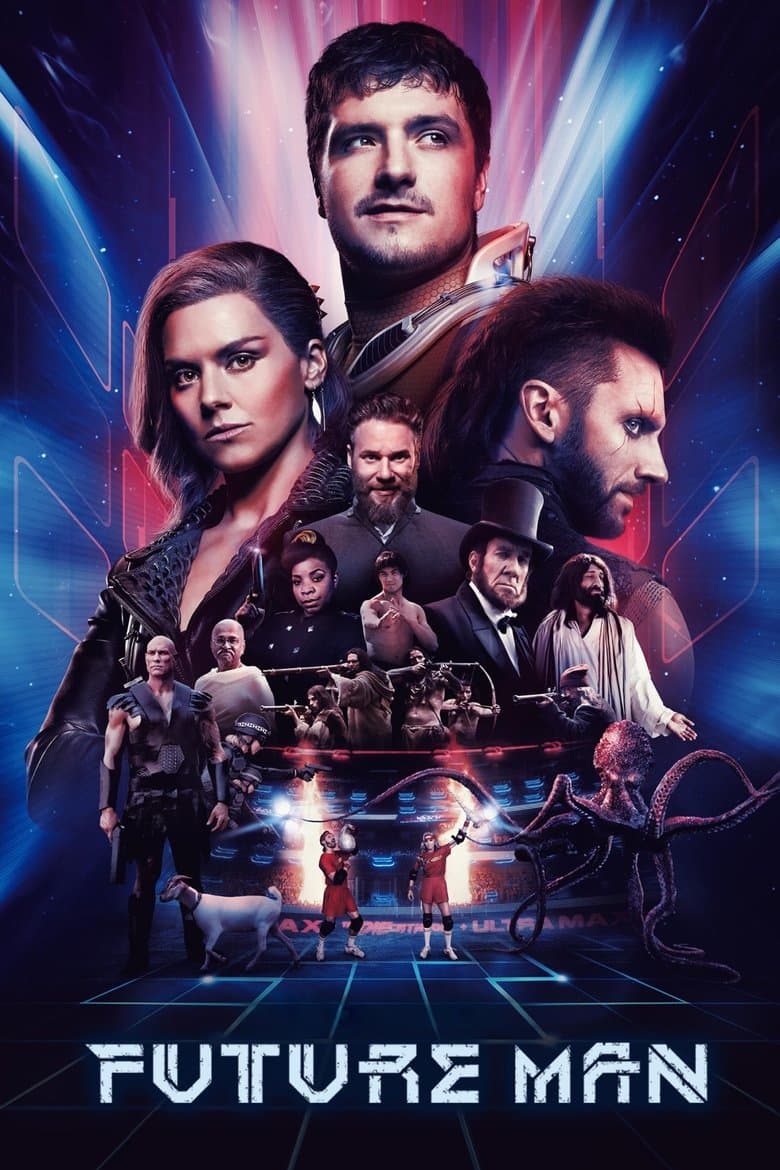
Started November 14, 2017 · Ended · Based on 3 seasons, 34 episodes through April 3, 2020 · TV-MA · 30 min
Future Man is a crude sci-fi comedy about Josh, a janitor who beats an unbeatable video game. Two time-traveling soldiers named Tiger and Wolf arrive and recruit him to save the world from an apocalypse. The show features a strong subversion of traditional gender roles and masculinity. Tiger is a dominant, violent female leader who physically overpowers men. Wolf is a tough soldier who learns to love cooking and starts relationships with both men and women, eventually joining a multi-partner, mixed-gender marriage.
Community feedback
Was our 64% Woke rating accurate?
Breakdown
These are the editorial factors and ratings behind our score for Future Man.
Woke representation / casting
The casting and character designs subvert traditional roles. Eliza Coupe plays Tiger, a tough and violent female soldier who leads the team. Josh Hutcherson plays Josh, who is a weak, anxious, and soft main character. Most of all, Derek Wilson plays Wolf, a tough soldier who becomes a sensitive chef. Wolf is sexually fluid and has romantic relationships with both men and women. His character explicitly embraces a polyamorous lifestyle with multiple husbands and wives. This prominent queer representation adds a strong woke weight to the cast.
60%
Woke political dialogue
The dialogue is mostly filled with crude, dirty jokes and sci-fi references. It does not contain preachy lectures or political correctness. There are occasional small jokes about greedy corporations and drug companies, but these are kept in the background. The characters do not deliver direct progressive speeches to the audience.
0%
Identity-driven story themes
The show focuses heavily on breaking down traditional ideas of masculinity and manhood. Wolf has a major story arc where he rejects his violent training. He learns to love cooking, baking, and showing his feelings. The show normalizes his pansexuality and his choice to live in a polyamorous family. Tiger also goes through a journey to find her true self as a clone. This focus on queer identity and gender role subversion is a major part of the plot.
62%
Western institutional / cultural critique
The show criticizes traditional gender roles and the typical family structure. Wolf's change from a killer to a gentle cook shows traditional masculinity as flawed. In the second season, his multi-partner family is shown as a happy, loving, and supportive group. This functions as a critique of the traditional nuclear family. The show also mocks corporate greed and pharmaceutical companies through Kronish Labs, though it does so in a very silly way.
52%
Woke character or canon changes
Not present in this title.
0%
Anti-woke backlash and complaints
There was no real anti-woke backlash or political anger against the show. It was a niche comedy that did not get much attention from mainstream political commentators. Its highly offensive, crude, and dirty jokes made it hard to label as a purely progressive or politically correct show.
0%
Creator track record context
The main creators have low scores and focus on dirty comedy. However, other key people have strong progressive backgrounds. Star and producer Josh Hutcherson is a vocal LGBTQ+ advocate. Writer Joel Church-Cooper actively writes progressive scripts that support women and minorities. Directors like Nisha Ganatra also have a history of pushing for more diversity in Hollywood.
48%
Production
TV Show · 2016
In a world where superheroes have been real for decades, an accountant with zero powers comes to realize his city is owned by a super villain.
TV Show · 2018
Two strangers are drawn to a mysterious pharmaceutical trial that will, they're assured, with no complications or side-effects whatsoever, solve all of their problems…
TV Show · 2020
Smiling Friends Inc. is a small company whose main purpose is to bring happiness and make people smile. The series follows the day-to-day lives and misadventures of its…
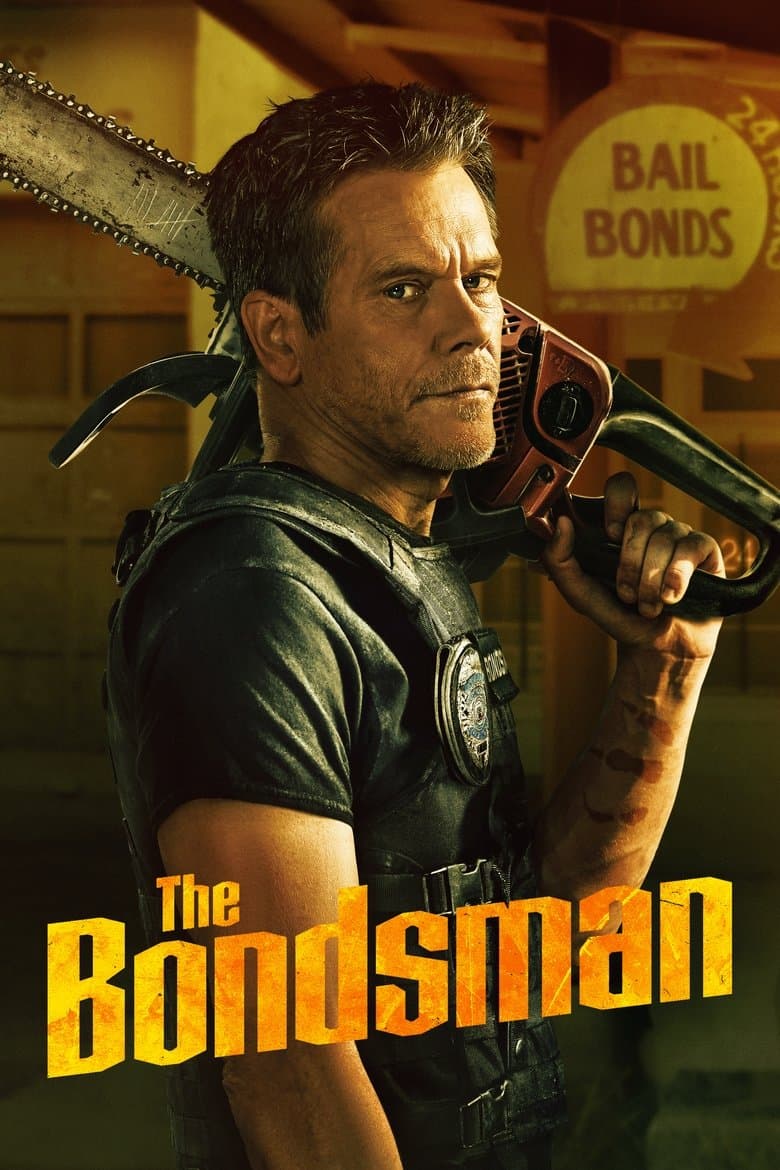
TV Show · 2025
Backwoods bounty hunter Hub Halloran comes back from the dead with an unexpected second chance at life, love, and a nearly-forgotten musical career — only to find that his old job…
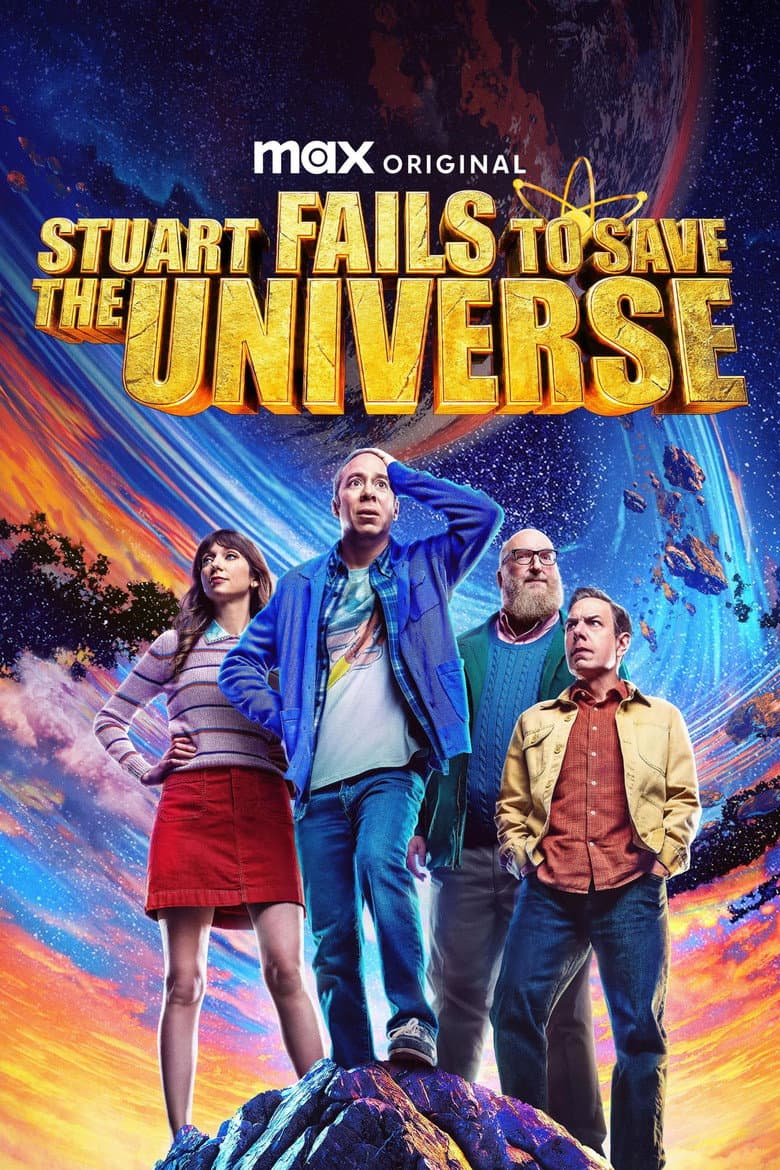
TV Show · 2026
After accidentally creating a new multiverse, comic book store owner Stuart Bloom must locate a quantum-interference device to restore reality.

TV Show · 2016
In his quest for a bride to break his immortal curse, a 939-year-old guardian of souls meets a grim reaper and a sprightly student with a tragic past.
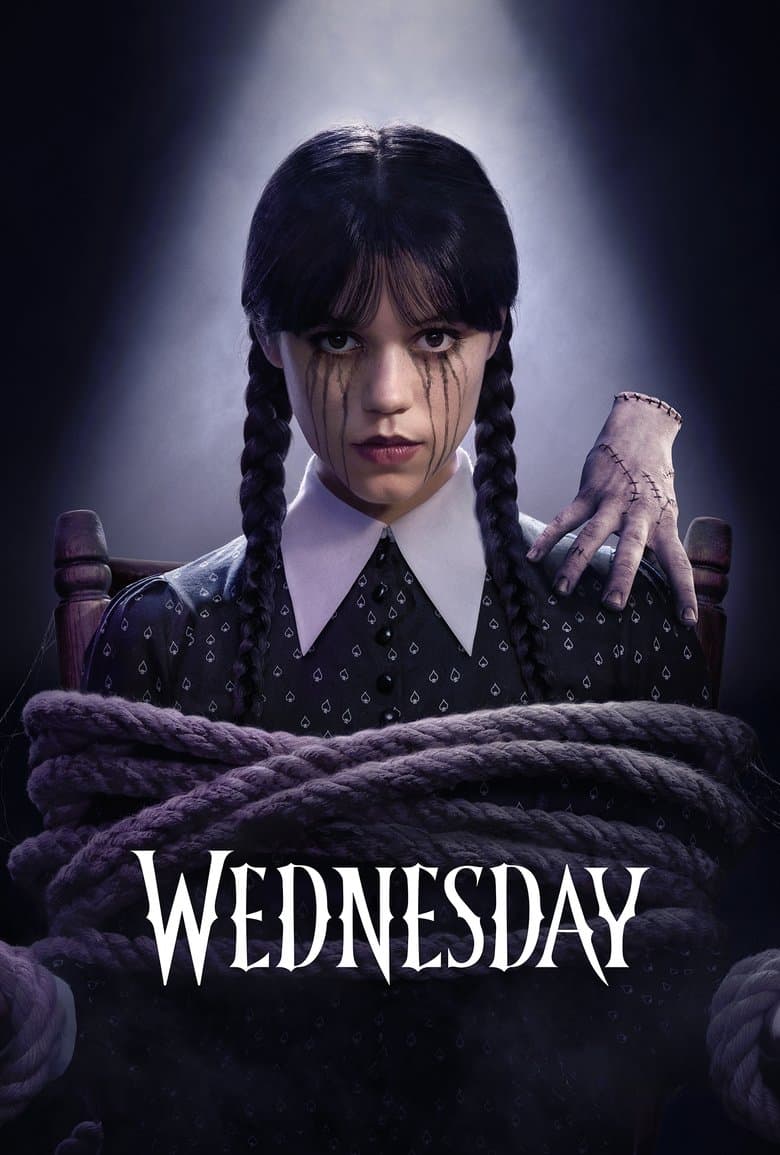
TV Show · 2022
Smart, sarcastic and a little dead inside, Wednesday Addams investigates twisted mysteries while making new friends — and foes — at Nevermore Academy.
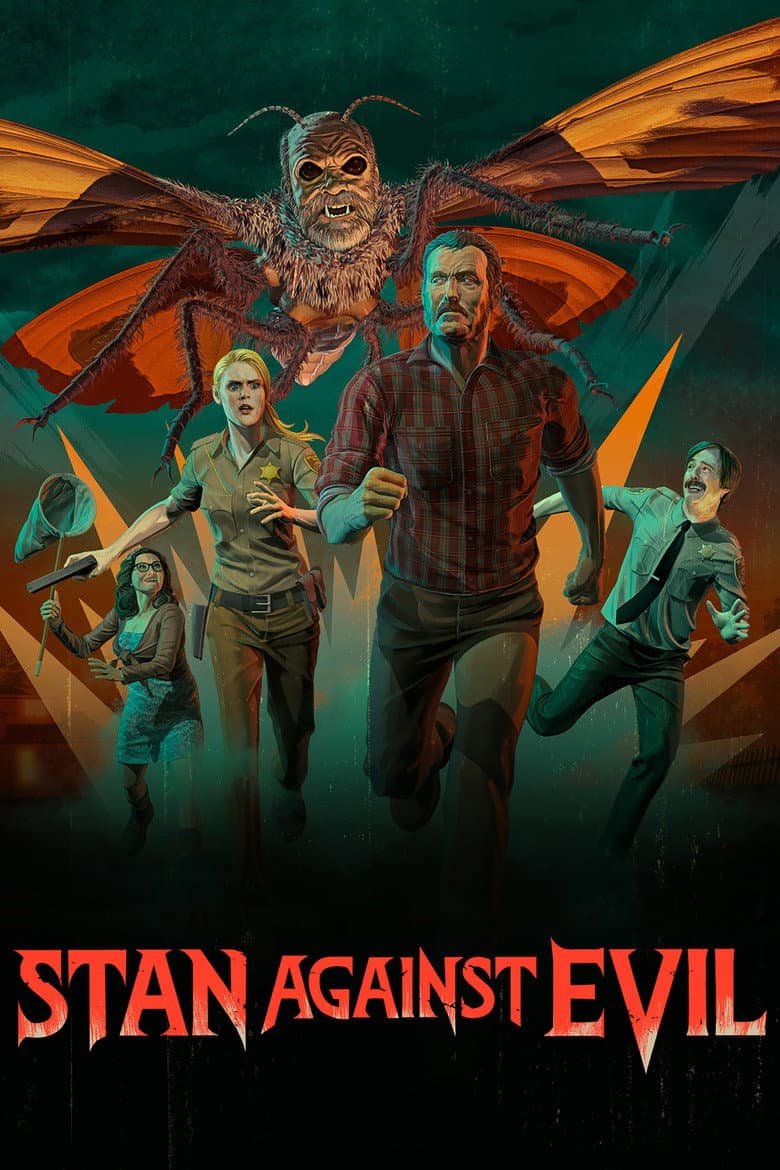
TV Show · 2016
An aging police sheriff who has recently lost his position due to an angry outburst begrudgingly joins an alliance with new sheriff, Evie Barret to battle angry demons haunting…
