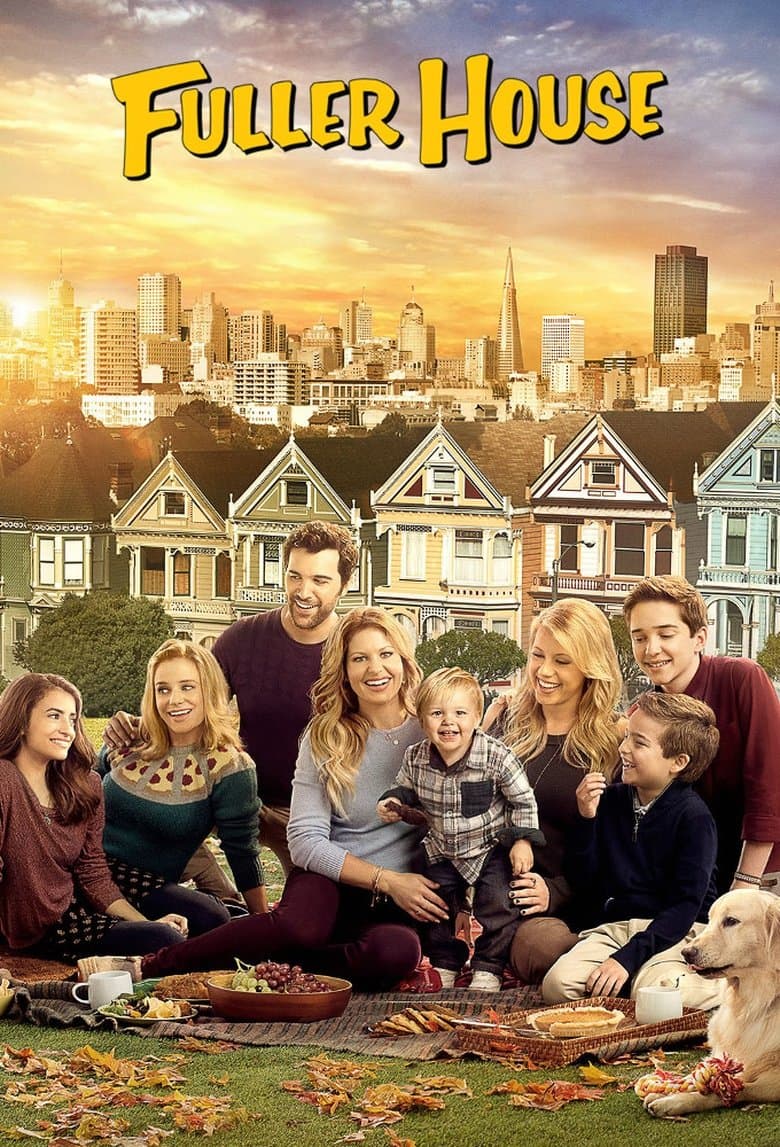
Started February 26, 2016 · Based on 5 seasons, 75 episodes · TV-Y7 · 30 min
Fuller House is a family sitcom sequel about widowed vet D.J. Tanner-Fuller raising three sons in the San Francisco Tanner house. Her sister Stephanie and best friend Kimmy live with her, and Kimmy’s daughter Ramona is part of the household. The show runs five seasons and leans on nostalgia, parenting, dating, and chosen family. Early seasons stay close to light family farce and throwback comedy. Later seasons keep that core while adding more modern family setups and clearer queer inclusion after a showrunner change.
Viewers can see progressive family updates such as a women-led home, surrogacy and co-parenting, and multi-parent living. Season 4 brings Casey as the first openly gay character and confirms Stephanie as bisexual in a spoken line. Dialogue stays mostly sitcom parenting and romance, with some inclusion and tolerance talk in a family-show tone rather than long activist speeches. LGBTQ material is real but limited, and the main story remains sisters, kids, and weddings. The show does not run a heavy attack on churches, markets, or traditional culture as systems.
Community feedback
Was our 56% Woke rating accurate?
Breakdown
These are the editorial factors and ratings behind our score for Fuller House.
Woke representation / casting
The modern San Francisco household adds a clear Latina father and daughter line and an Asian best friend as series regulars. That is more diverse than the original Full House cast. It still looks ordinary for present-day San Francisco. It is not a one-of-each heroic minority savior pattern.
26%
Woke political dialogue
Most talk is sitcom parenting and romance. Later seasons add clear inclusion and tolerance talk around gay teen Casey and Stephanie’s bisexual line. These are not long activist speeches. Queer identity is spoken on screen in a family-show tone.
26%
Identity-driven story themes
The core story stays family comedy and nostalgia. The show modernizes the family with a women-led home, surrogacy and co-parenting, and multi-parent living. Season 4 adds Casey as the first openly gay character and confirms Stephanie as bisexual. Inclusion is secondary but visible and stronger later.
58%
Western institutional / cultural critique
The show lightly challenges traditional single-dad and nuclear-family norms with three women raising the boys. It does not mount a long attack on Christianity, capitalism, whiteness, or patriarchy as a system. Faith is not mocked on screen.
14%
Woke character or canon changes
Legacy character Stephanie Tanner is confirmed bisexual in a Season 4 one-liner that was kept after being improvised. That is an identity update to a known Full House character. New character Casey is inclusion casting, not a rewrite of old canon.
50%
Anti-woke backlash and complaints
There was no lasting mainstream campaign calling the show too woke. Debate that did appear was mostly from the left about diversity or cast politics. Notes that the show stayed fairly non-ideological are isolated. Anti-woke backlash is nearly absent.
4%
Creator track record context
Most of the creative team are low-activist family-TV professionals. Mild upward pull comes from Fascitelli pushing queer storylines and later showrunning that made inclusion more explicit. Candace Cameron Bure acts as a Christian conservative counterweight. The field overall is not activist-led.
22%
Production
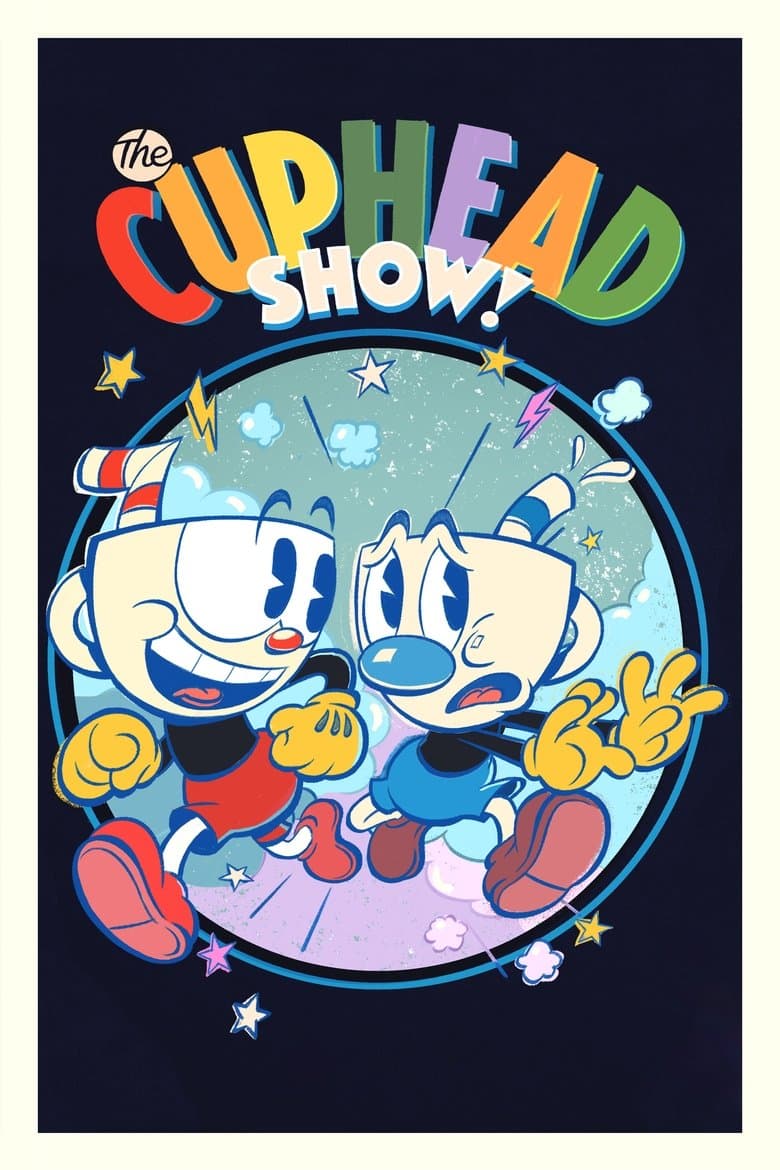
TV Show · 2022
Follow the misadventures of the impulsive Cuphead and his cautious but persuadable brother Mugman in this animated series based on the hit video game.
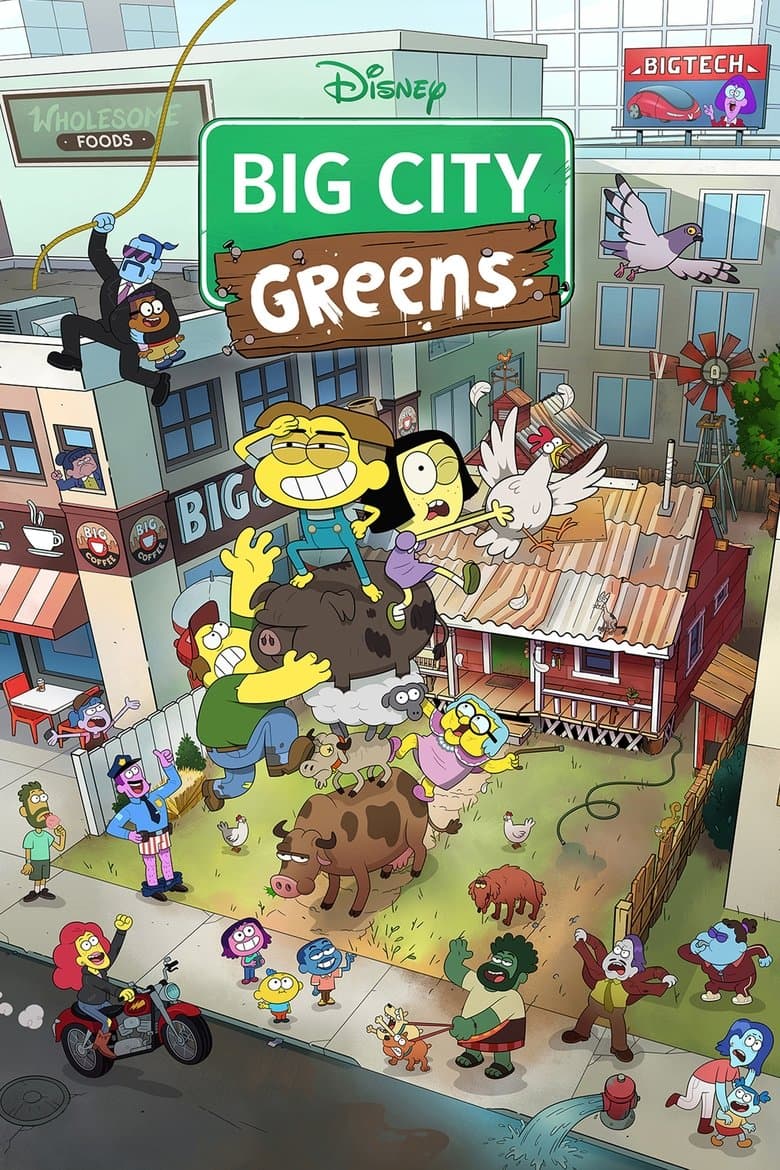
TV Show · 2018
The offbeat adventures of 10-year-old Cricket Green, a mischievous and optimistic country boy who moves to the big city with his wildly out of place family – older sister Tilly…
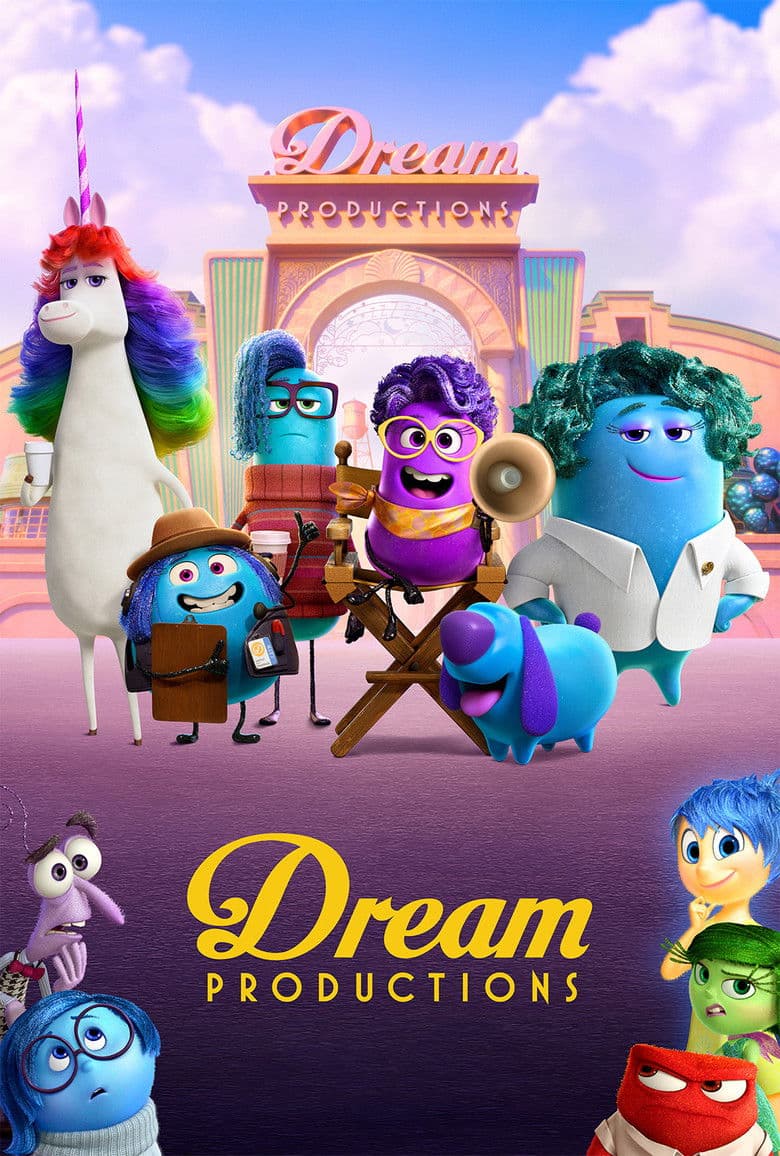
TV Show · 2024
Riley is growing up and when her memories need some extra processing, Joy and the rest of the Core Emotions send them to Dream Productions.

TV Show · 2021
A series of shorts that follows the humorous misadventures of Dug, the lovable dog from Disney and Pixar’s “Up.” Each short features everyday events that occur in Dug's backyard…
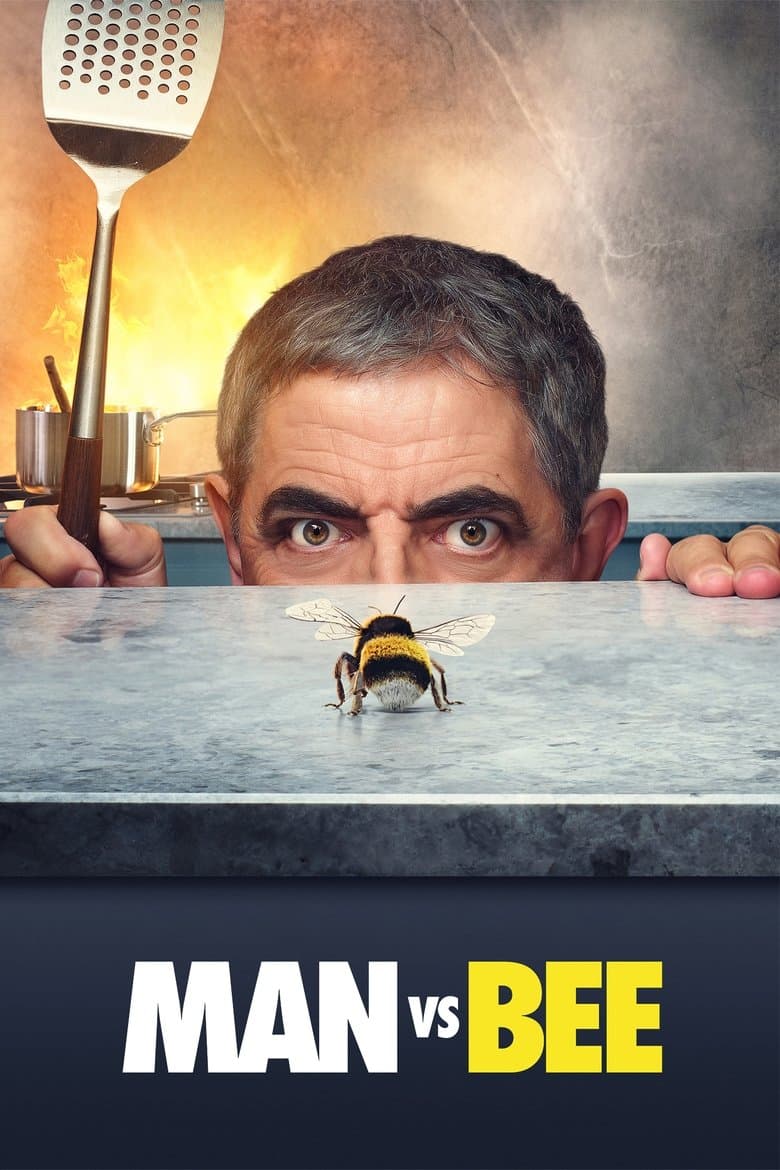
TV Show · 2022
Bumbling dad Trevor tries to get the best of a cunning bee while house-sitting a posh mansion — but only unleashes more chaos in this comedy series.
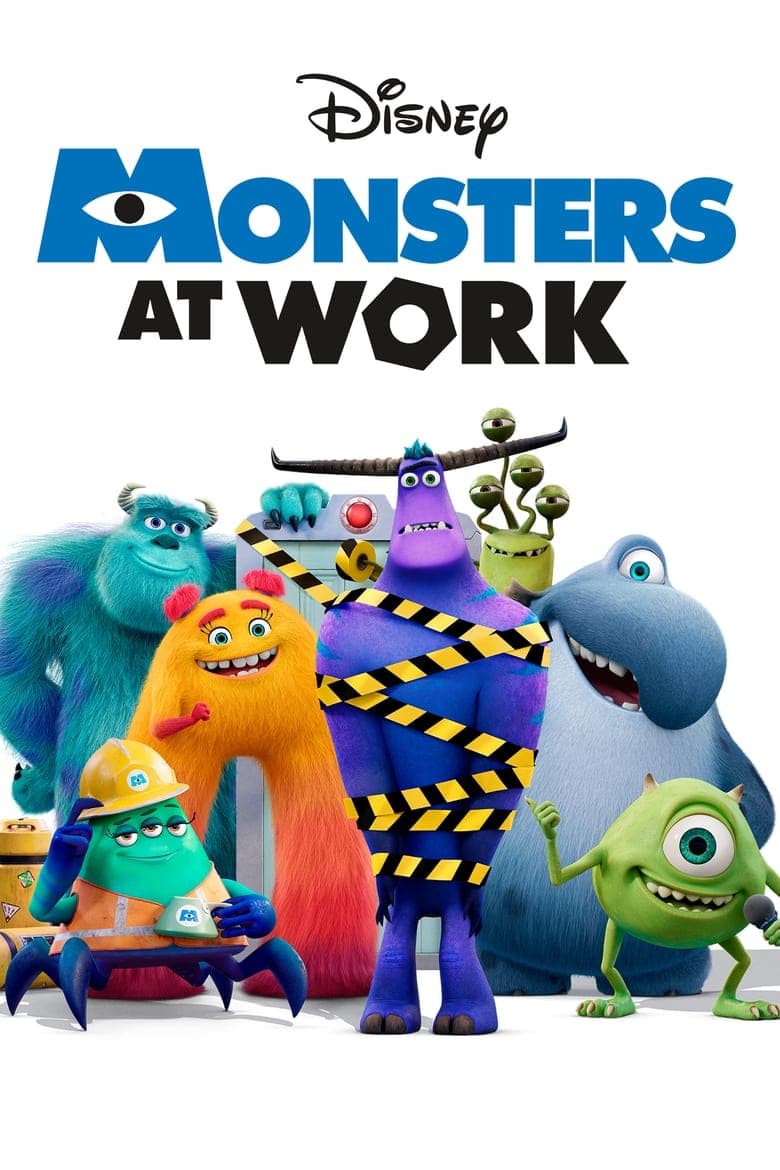
TV Show · 2021
Ever since he was a kid, Tylor Tuskmon has dreamed of becoming a Scarer just like his idol James P. Sullivan, and now that dream is about to come true... or not.
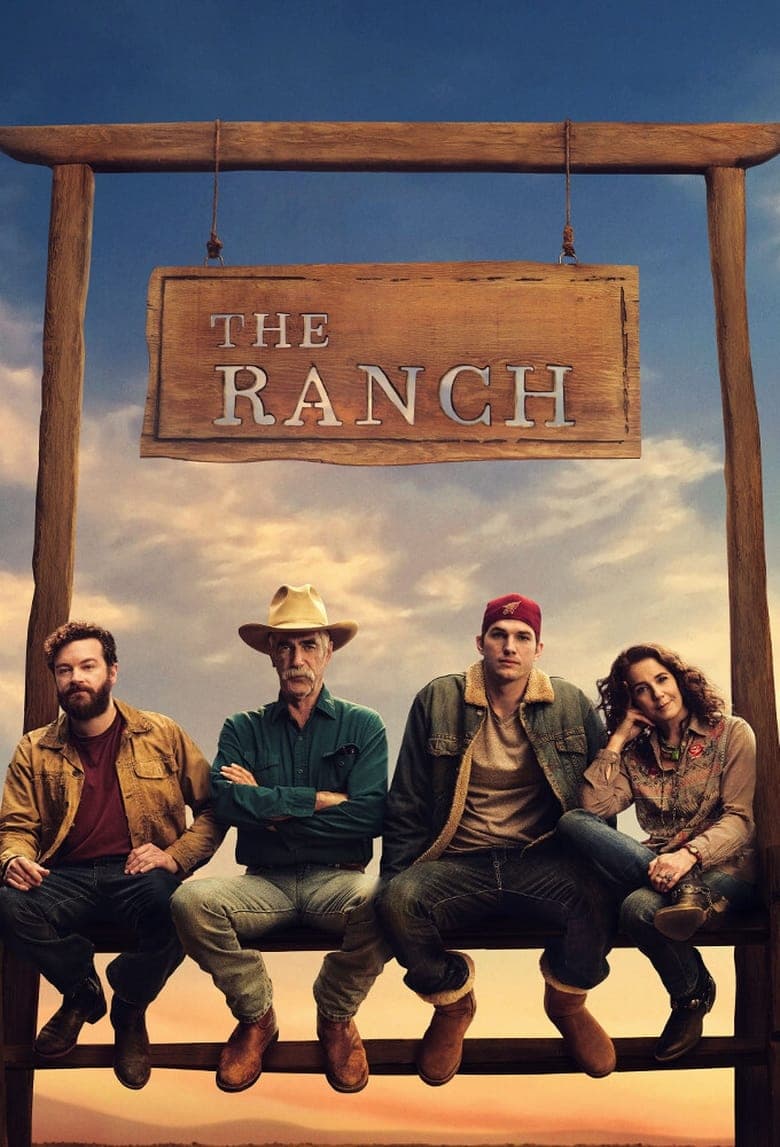
TV Show · 2016
Being a pro athlete didn't pan out for Colt. Now he's helping his dad and brother keep the ranch afloat, and figuring out how he fits into the family.

TV Show · 2019
Millions of years ago, incredible forces ripped apart the Earth’s crust creating seven extraordinary continents.
