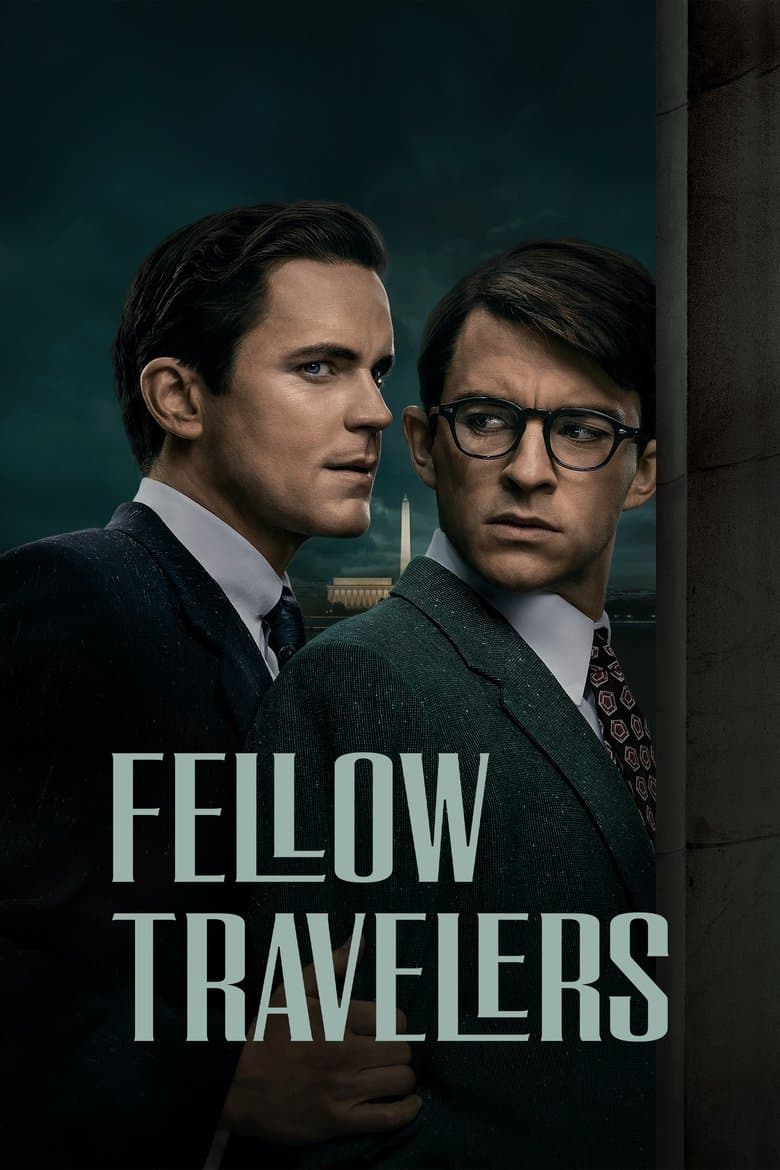
Started October 29, 2023 · Ended · Based on 1 season, 8 episodes through December 17, 2023 · TV-MA
Fellow Travelers is a drama series about two men who fall in love in the 1950s. They struggle to keep their secret relationship alive over forty years of American history. The show places a heavy focus on queer identity, gay rights activism, and racial struggles. Viewers will see strong themes of social justice, government corruption, and critiques of traditional marriage. The main characters deal with the Lavender Scare and the AIDS epidemic, making political activism a major part of the story.
Community feedback
Was our 99% Woke rating accurate?
Breakdown
These are the editorial factors and ratings behind our score for Fellow Travelers.
Woke representation / casting
Openly gay actors Matt Bomer and Jonathan Bailey are cast as the leads. The show also prioritizes representation by casting black actors Jelani Alladin and Noah J. Ricketts as queer characters Marcus and Frankie. The casting emphasizes identity and representation. Some viewers felt the show portrays a level of racial integration and queer visibility in the 1950s that was not historically accurate.
72%
Woke political dialogue
The dialogue focuses heavily on systemic oppression, civil rights, and intersectionality. Characters frequently debate the double struggles of being black and gay in mid-century America. The scripts use modern-style activist language to critique government agencies, religious guilt, and the federal response to the AIDS epidemic.
80%
Identity-driven story themes
Queer identity, romantic struggles, and the battle against political persecution are the core themes of the entire show. The series spans four decades to detail the history of gay life from the 1950s Lavender Scare through the 1980s AIDS epidemic. It heavily links these personal struggles to broader social justice movements.
95%
Western institutional / cultural critique
The series presents a strong critique of traditional Western institutions. The U.S. government and the Catholic Church are depicted as oppressive and hypocritical systems that enforce conformity. Traditional marriage is portrayed as a deceitful trap used by gay men to hide their true selves and protect their social standing.
85%
Woke character or canon changes
The series makes massive changes to the original novel by Thomas Mallon. It invents new black queer characters, Marcus and Frankie, transforming a minor white heterosexual character from the book into a black gay journalist. Another female character, Mary, is rewritten as a lesbian. The timeline is also expanded across decades to center on modern LGBTQ+ activism.
85%
Anti-woke backlash and complaints
Right-leaning viewers and online critics complained that the show rewrites history. Backlash targeted scenes where black and gay characters successfully challenge or insult white colleagues in the segregated 1950s without facing realistic consequences. Detractors labeled these moments as woke revisionism meant to flatter modern social justice views.
40%
Creator track record context
The show was made by a team with a strong history of progressive activism. Key creators like Ron Nyswaner, Matt Bomer, Robbie Rogers, Brandon K. Hines, Daniel Minahan, and James Kent are openly queer and have consistently used their work to advocate for LGBTQ+ causes and diverse casting.
85%
Production
TV Show · 2022
Oscar-winning producer Al Ruddy’s never before revealed experiences of making the iconic 1972 film The Godfather that Francis Ford Coppola directed and adapted with Mario Puzo.
TV Show · 2019
The true story of one of the worst man-made catastrophes in history: the catastrophic nuclear accident at Chernobyl.
TV Show · 2024
The true story of one Jewish family separated at the start of World War II, determined to survive—and to reunite.
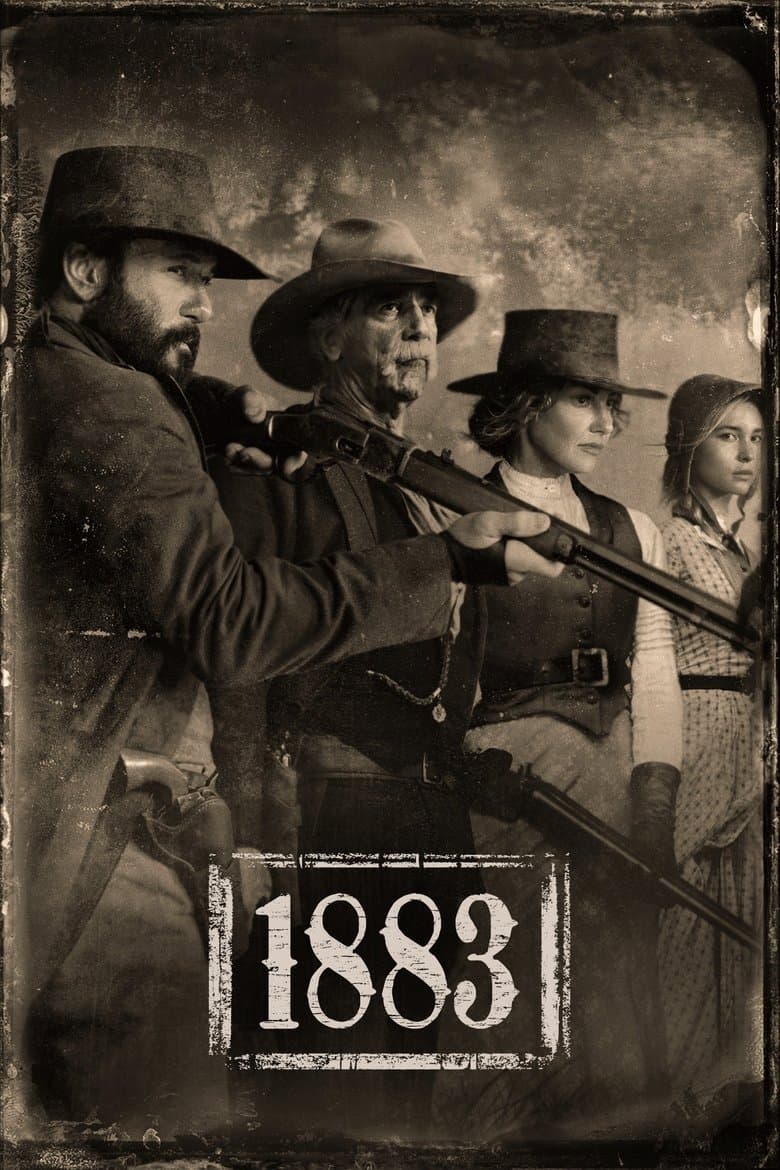
TV Show · 2021
Follow the Dutton family as they embark on a journey west through the Great Plains toward the last bastion of untamed America.
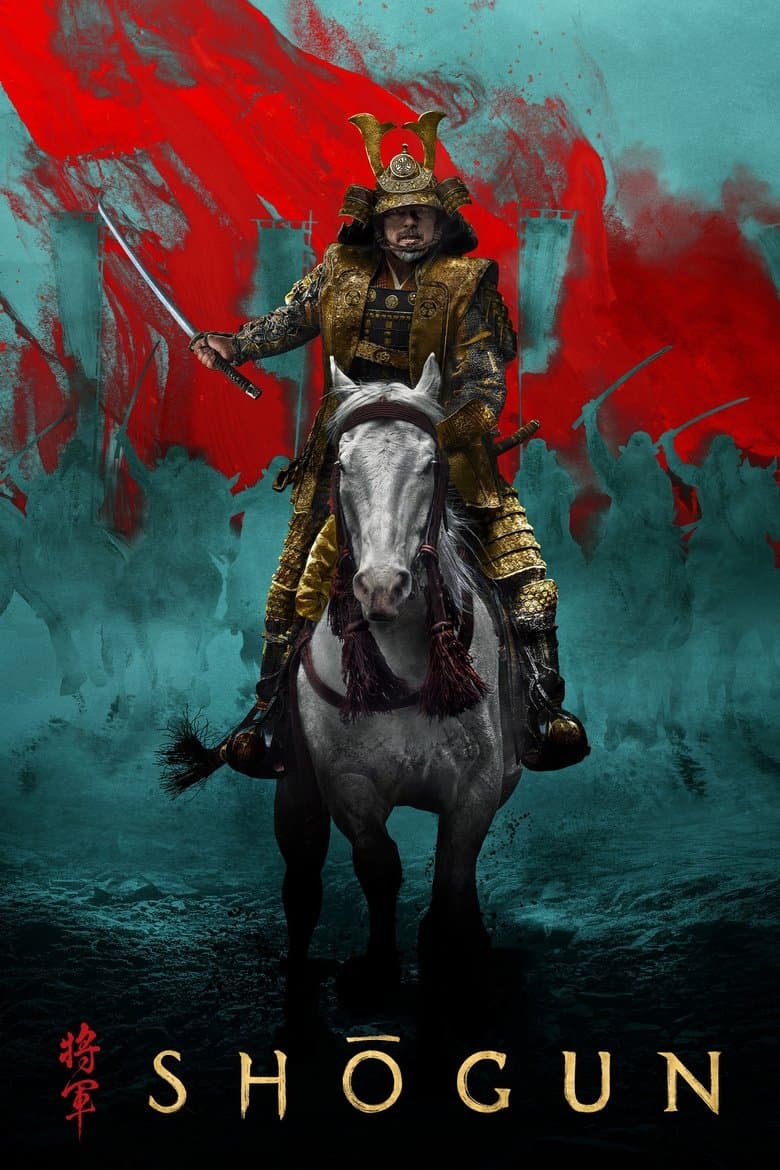
TV Show · 2024
In Japan in the year 1600, at the dawn of a century-defining civil war, Lord Yoshii Toranaga is fighting for his life as his enemies on the Council of Regents unite against him…
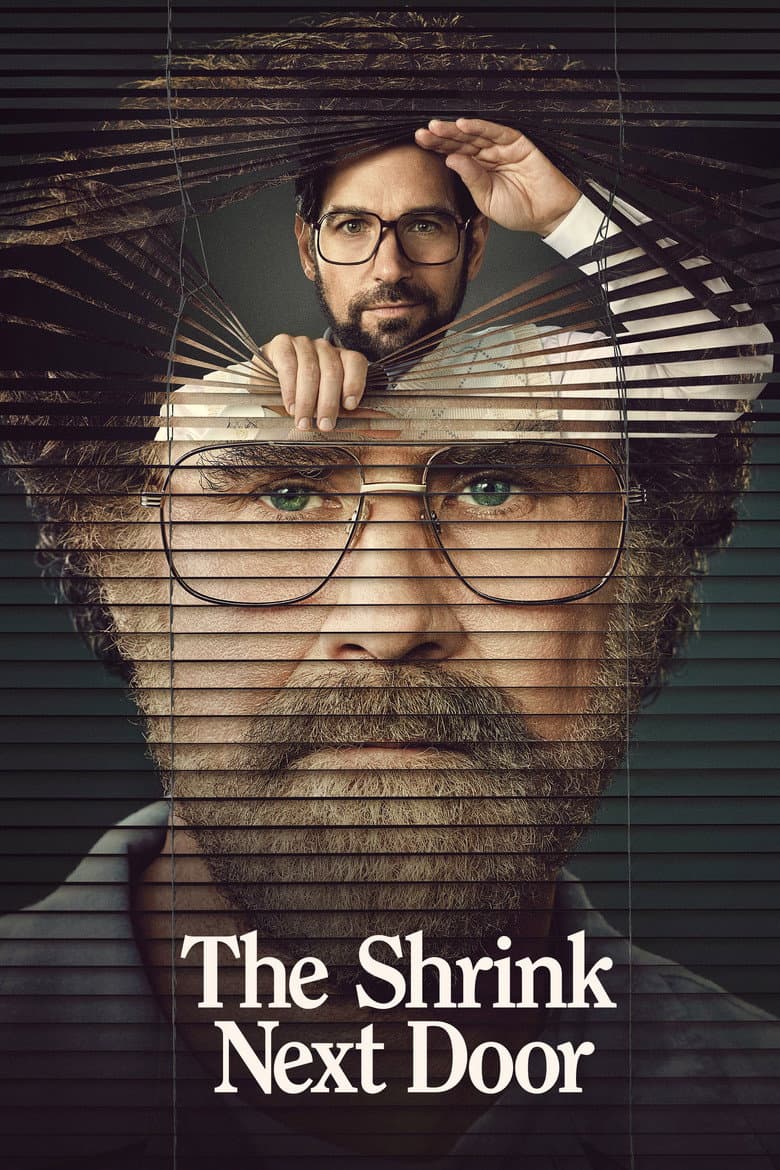
TV Show · 2021
Inspired by the true story of Marty and the therapist who turned his life around...then took it over. When he first meets Dr. Ike, Marty just wants to get better at boundaries.
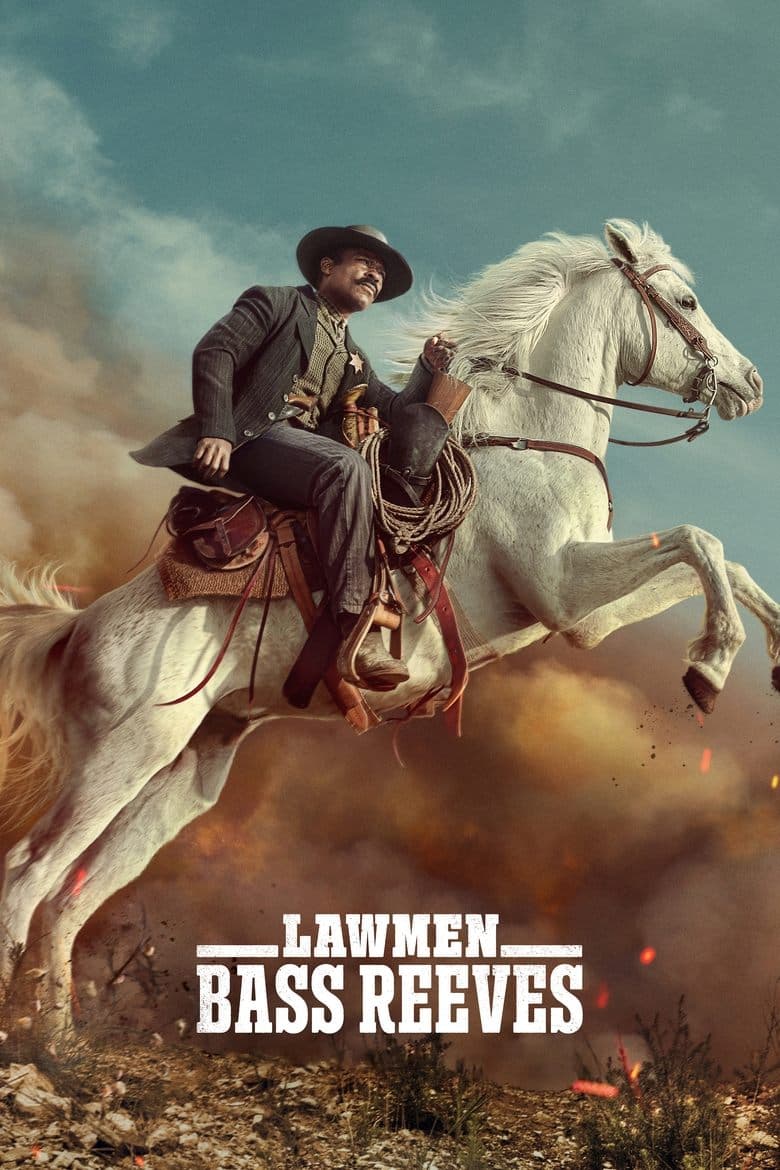
TV Show · 2023
The story of Bass Reeves, the legendary lawman of the wild West, is brought to life. Reeves worked in the post-Reconstruction era as a federal peace officer in the Indian…
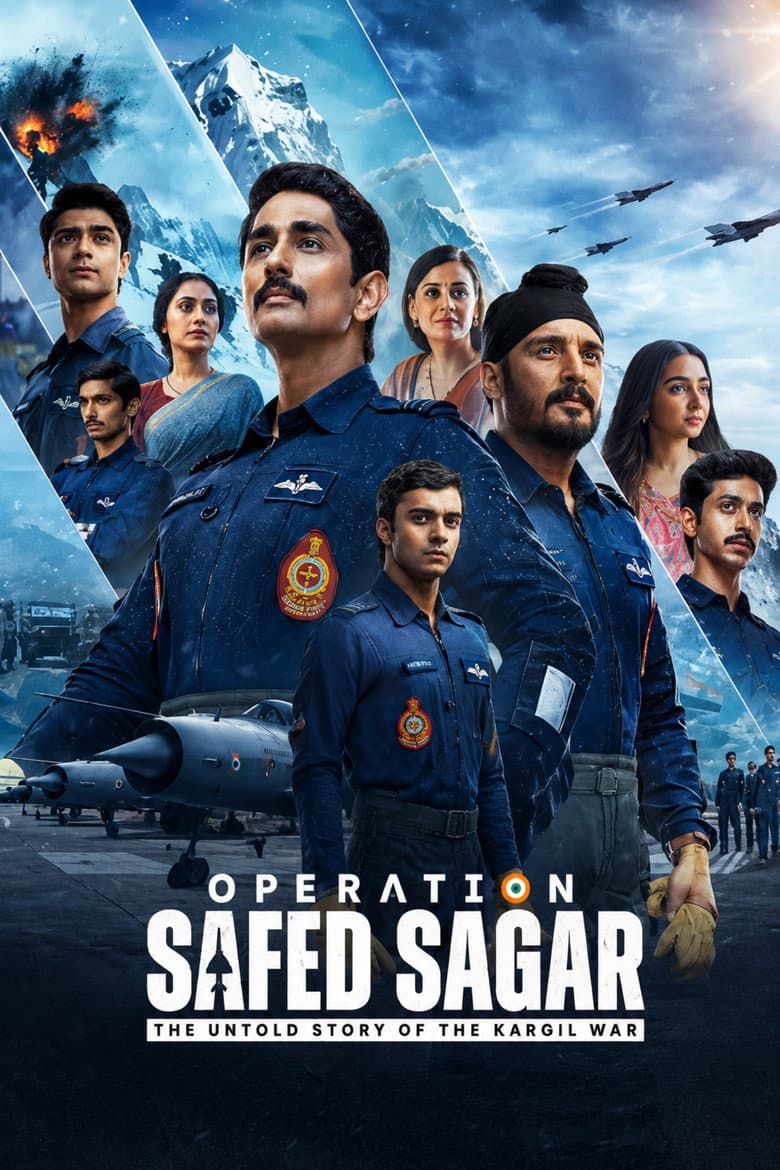
TV Show · 2026
As the Kargil War erupts between India and Pakistan, the Golden Arrows squadron of the Air Force takes flight on a dangerous mission behind enemy lines.
