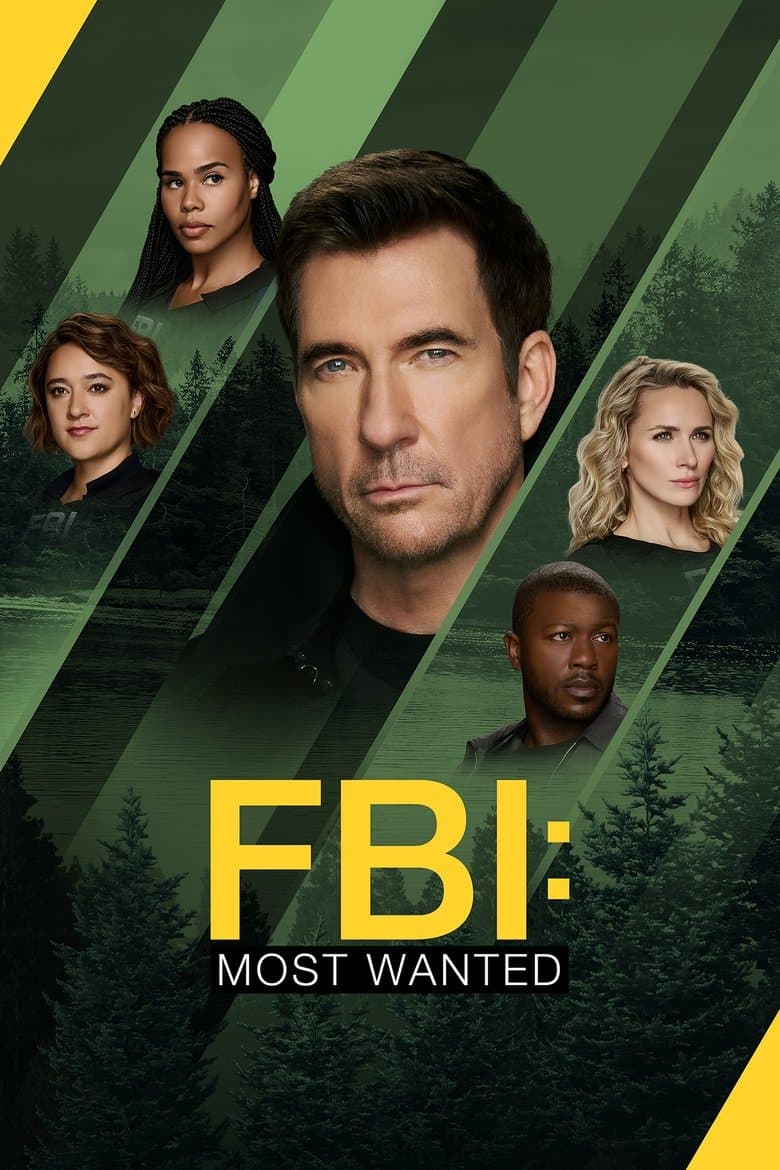
Started January 7, 2020 · Canceled · Based on 6 seasons, 108 episodes through May 20, 2025 · TV-14
FBI: Most Wanted is a CBS crime procedural that follows an elite FBI Fugitive Task Force hunting dangerous criminals on the Most Wanted list. The team works undercover and in the field across six seasons from 2020 to 2025, with standard cases involving fugitives, gangs, and threats. A main black female agent, Sheryll Barnes, is a lesbian married to a woman with two kids; her family life and later post-divorce "identity" story receive recurring focus. A late season 6 episode frames a rural "sundown town" and its local police as deeply racist and corrupt, which drew direct complaints for anti-cop messaging.
Community feedback
Was our 58% Woke rating accurate?
Breakdown
These are the editorial factors and ratings behind our score for FBI: Most Wanted.
Woke representation / casting
Prominent black female agent Sheryll Barnes holds a key team role and is lesbian with a wife and kids whose personal life gets screen time across seasons; Hana Gibson is the sharp female tech analyst played by an actress of Maori heritage; team includes an Indigenous agent and later a black male agent. Press events noted the diverse cast positively. Casting shows patterns of competent women and minorities in visible roles in a modern setting.
58%
Woke political dialogue
Episodic stories pull in current issues with dialogue. Season 4 "False Flag" includes lines defending a child around "identity" and "community" against a "brainwashing" claim in a conspiracy plot that also features a left-wing donor as target. Viewers and reviews flag one-sided political jabs and partisan references, such as migrant bussing described as a stunt. Not wall-to-wall lectures.
29%
Identity-driven story themes
Main plots stay focused on tracking fugitives and solving crimes. Barnes' recurring arc covers her same-sex marriage, children, divorce, and a season 6 emphasis on post-divorce "identity" and "who I am" per showrunner comments. Some episodes touch racial community tensions or history (native man seeking justice, sundown town bigotry). Queer elements carry extra weight per the rules.
37%
Western institutional / cultural critique
Season 6 episode "The Electric Company" depicts a Virginia "sundown town" with a history of racial violence and a local police force portrayed as corrupt bigots who kill black people; the FBI team knows this going in. Conservative coverage called the show a "woke drama" for the anti-cop framing. Other stories occasionally critique local systems or historical biases, though the FBI agents stay the competent good guys.
40%
Woke character or canon changes
Not relevant. This is an original series with no established source characters, canon, or real historical figures changed for identity or DEI reasons.
0%
Anti-woke backlash and complaints
Conservative outlets and viewers have criticized it for pushing left content: Newsbusters called a season 6 episode "ridiculously anti-cop" from a "woke drama." IMDB, Rotten Tomatoes, and Reddit comments mention "woke agenda," "political propaganda," and "sjw quotes." X posts call specific episodes "Democrat propaganda (woke nonsense)" with examples like donor portrayals. Backlash is real, targets perceived identity or institutional messaging, and appears more in later seasons, but stays niche rather than a major public storm.
30%
Creator track record context
Cached scores give Dick Wolf and Craig Turk 15 (procedurals framed as straight entertainment; left critics call them copaganda) and René Balcer 32 (headlines episodes with classical left themes and past bias complaints). Other writers and directors show little to no public activist or identity-driven records. Casting and production teams are standard for network procedurals. Mild overall signal from the Wolf/Balcer style rather than modern representation-first work.
23%
Production
TV Show · 2017
The State's Attorney's dedicated team of prosecutors and investigators navigates heated city politics and controversy head-on, while fearlessly pursuing justice.

TV Show · 2018
The stranger-than-fiction account of a prison break in upstate New York in the summer of 2015, which spawned a massive manhunt for two convicted murderers who were aided in their…
TV Show · 2019
Erica Shepherd is a brilliant former CIA operative, now known as the most notorious traitor in American history serving life in a Supermax prison.
TV Show · 2024
Lone-wolf survivalist Colter Shaw roams the country as a “reward seeker,” using his expert tracking skills to help private citizens and law enforcement solve all manner of…
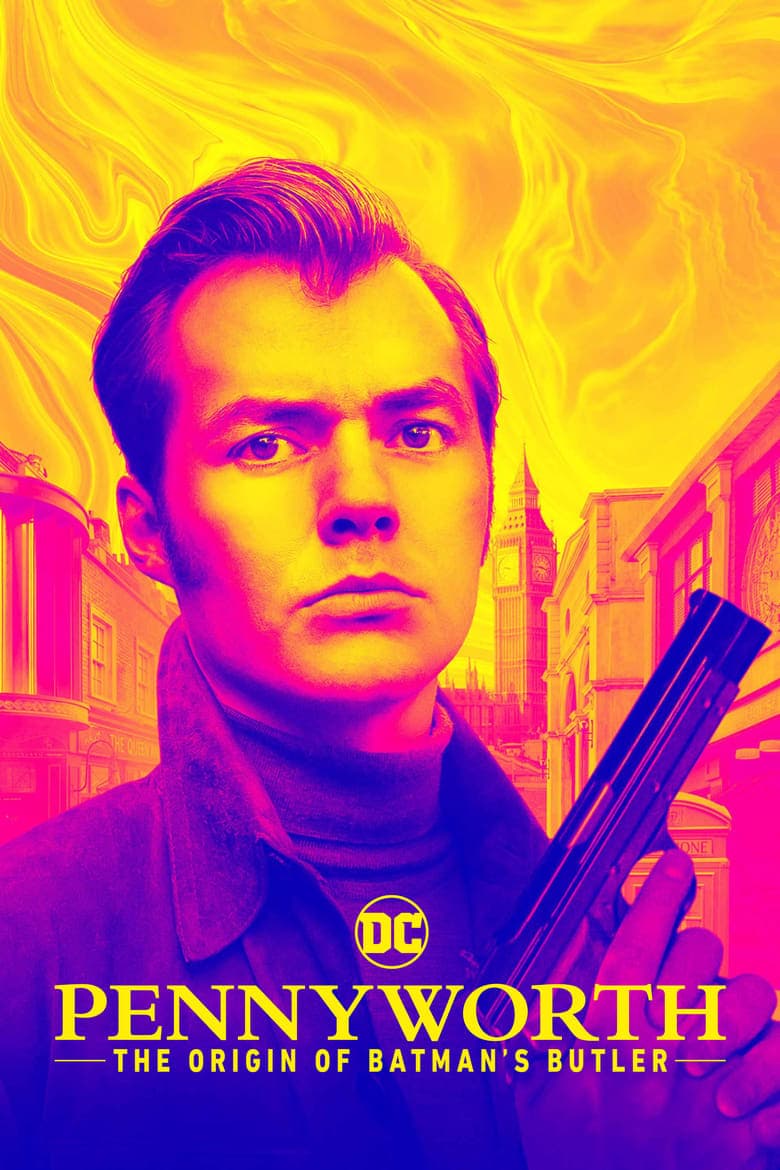
TV Show · 2019
The origin story of Bruce Wayne's legendary butler, Alfred Pennyworth, a former British SAS soldier who forms a security company in 1960s London and goes to work with young…
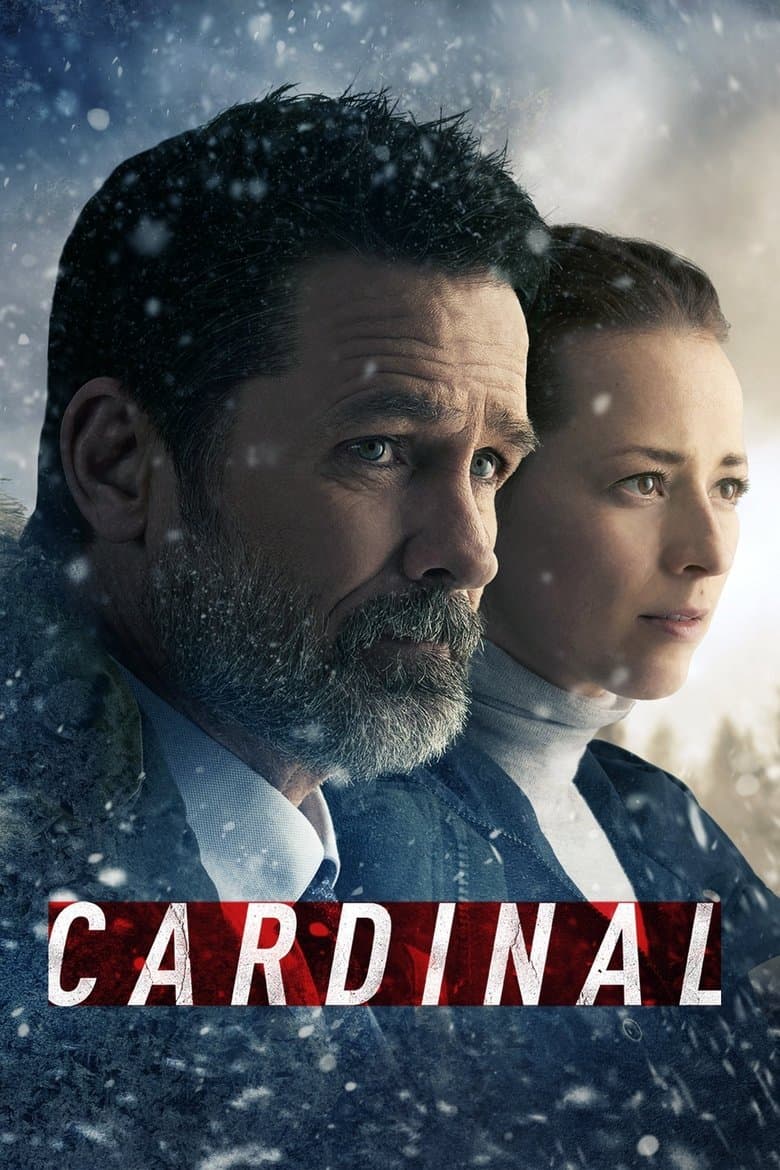
TV Show · 2017
Detective John Cardinal attempts to uncover the mystery of what happened to the missing 13-year-old girl whose body is discovered in the shaft-head of an abandoned mine.
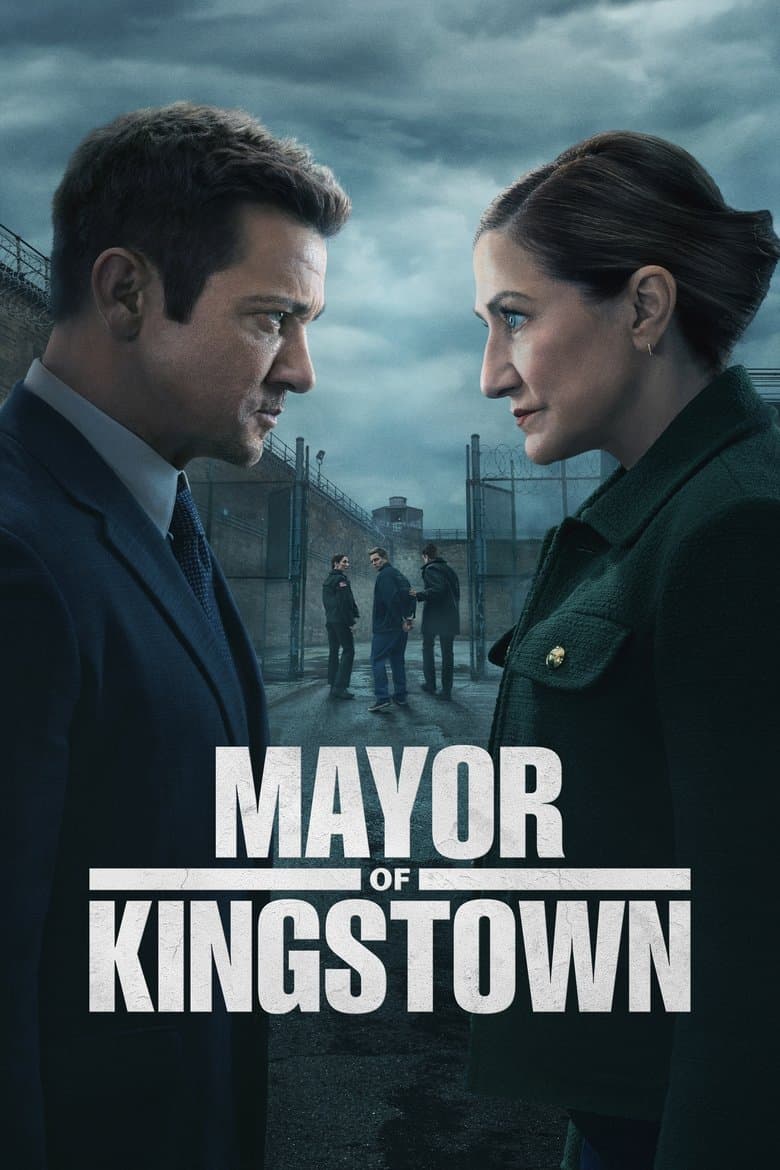
TV Show · 2021
In a small Michigan town where the business of incarceration is the only thriving industry, the McClusky family are the power brokers between the police, criminals, inmates…
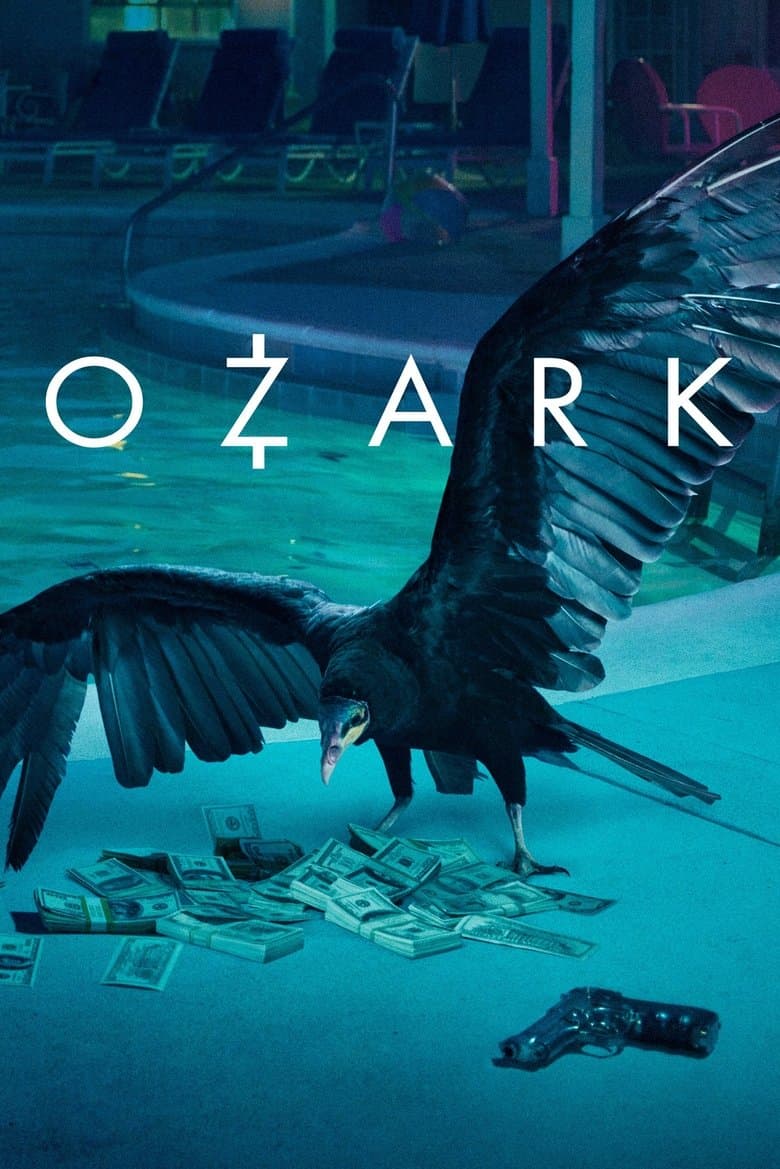
TV Show · 2017
A financial adviser drags his family from Chicago to the Missouri Ozarks, where he must launder $500 million in five years to appease a drug boss.
