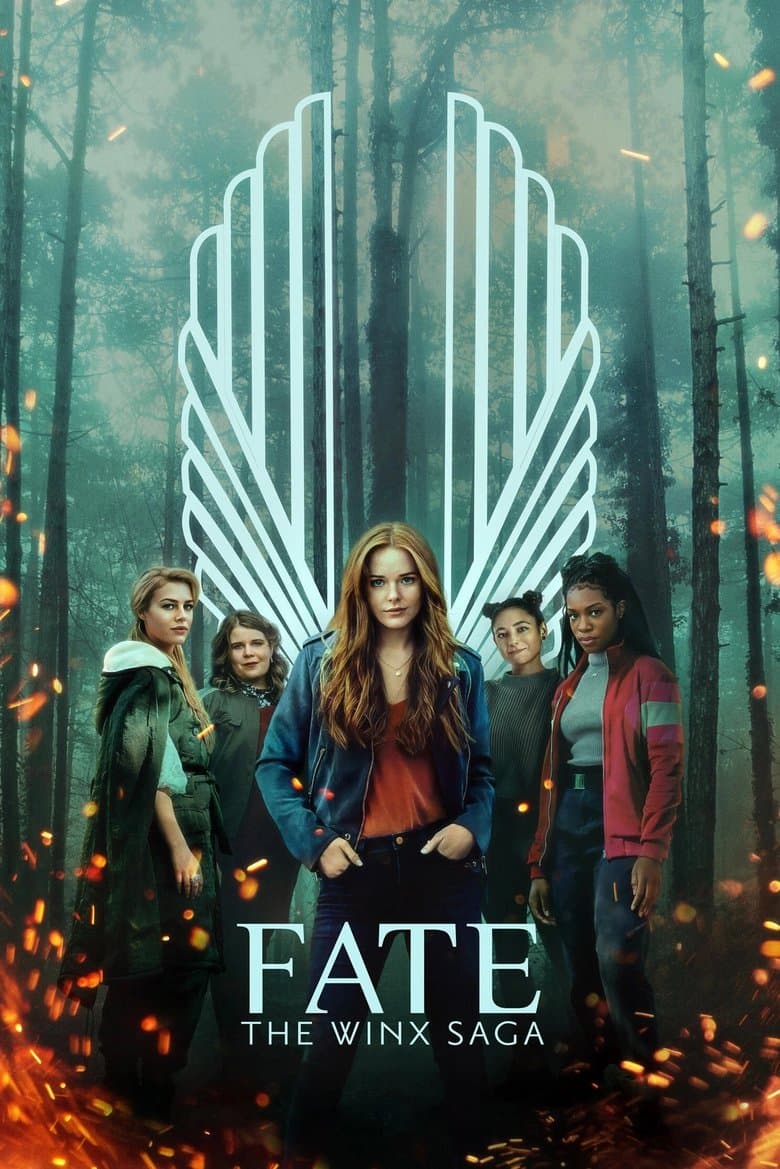
Started January 22, 2021 · Canceled · Based on 2 seasons, 13 episodes through September 16, 2022 · TV-MA · 47 min
Fate: The Winx Saga is a two-season Netflix live-action series about five young fairies at the magical boarding school Alfea in the Otherworld. They train to control their powers while facing ancient monsters called the Burned Ones, school rivalries, romances, and personal family secrets. The show adapts the Italian animated Winx Club with a darker teen-drama tone. It includes a prominent black water fairy Aisha played by Precious Mustapha, a plus-size earth fairy Terra, the addition of a Latina nature fairy Flora in season 2, and centers an explicit lesbian coming-out arc for Terra along with other queer storylines. The showrunner described the core idea of discovering hidden powers and embracing difference as analogous to LGBTQ+ experiences.
Community feedback
Was our 66% Woke rating accurate?
Breakdown
These are the editorial factors and ratings behind our score for Fate: The Winx Saga.
Woke representation / casting
Prominent black actress as core fairy Aisha; plus-size actress as Terra; season 2 addition of Latina Flora; visible expansion of gender roles with male fairies and female specialists in the cast.
35%
Woke political dialogue
Some teen conversations about accepting personal differences and identity; explicit coming-out dialogue and queer romance scenes in season 2 centered on empowerment through being different.
30%
Identity-driven story themes
Season 2 centers a lesbian coming-out arc for Terra with a love interest and includes other queer student storylines; showrunner publicly framed the premise of hidden powers and embracing difference as analogous to LGBTQ+ experiences, triggering elevated weighting for confirmed queer elements.
70%
Western institutional / cultural critique
Depictions of flawed school authority and royal family pressures, but no modern activist framing of patriarchy, systemic critiques, toxic masculinity, or cultural institutions; story stays focused on personal growth and supernatural conflict.
15%
Woke character or canon changes
Race and ethnicity shifts for some source characters in season 1 (partially addressed later); addition of male fairies and stronger female specialist roles; introduction of explicit queer arcs as expansions rather than core canon alterations. Many shifts read as standard dark live-action adaptation choices.
25%
Anti-woke backlash and complaints
Primary complaints were source-faithfulness and whitewashing critiques from original fans (pro-diversity side, not scored here); some pushback on dark mature tone and writing quality. Clear anti-woke or right-leaning complaints framing the show as activist propaganda remain limited and fringe.
15%
Creator track record context
Iginio Straffi protected original character ethnicities and girl-focused fantasy roots; Brian Young actively expanded queer representation and identity metaphors; supporting writers and directors show mostly neutral or classical liberal patterns with no strong activist histories.
40%
Production
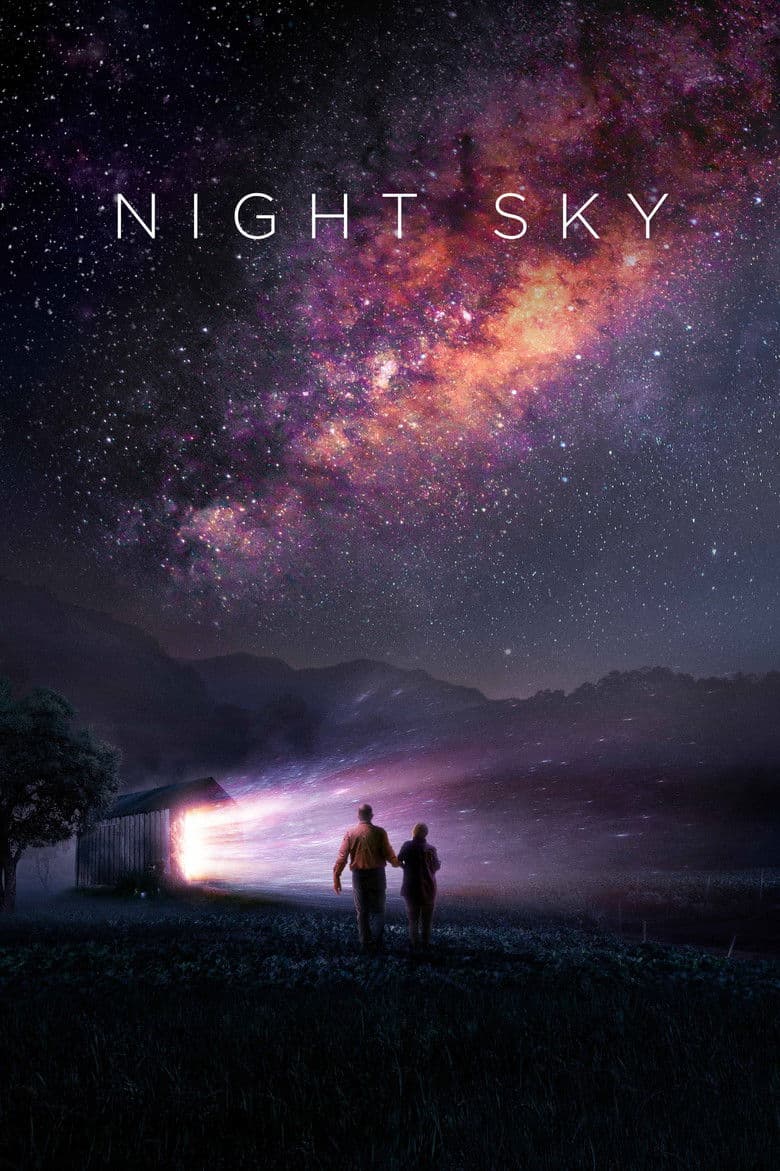
TV Show · 2022
Irene and Franklin York, a retired couple, have a secret: a Chamber buried in their backyard that miraculously leads to a strange, deserted planet.
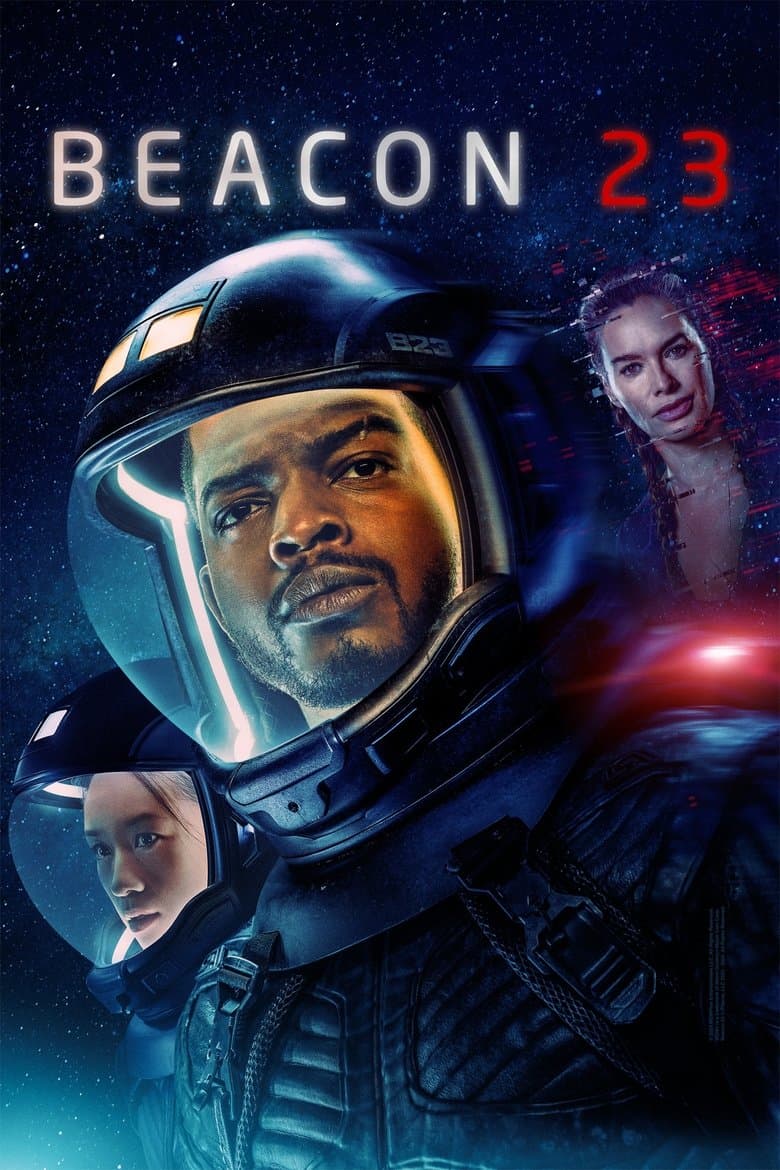
TV Show · 2023
Aster Calyx and Halan Kai Nielsen are inextricably drawn to Beacon 23. Navigating one threat after another, they unravel the beacon’s mysteries, just in time to face their most…
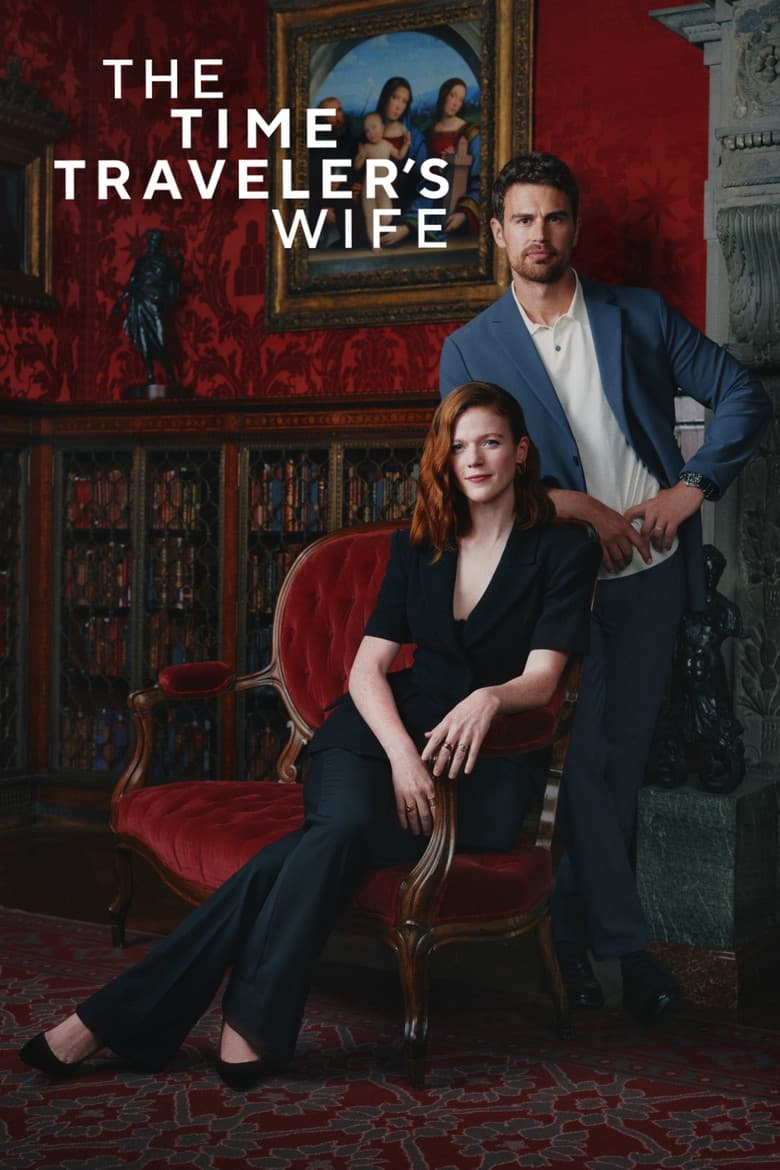
TV Show · 2022
The intricate and magical love story of Clare and Henry, and a marriage with a problem… time travel.
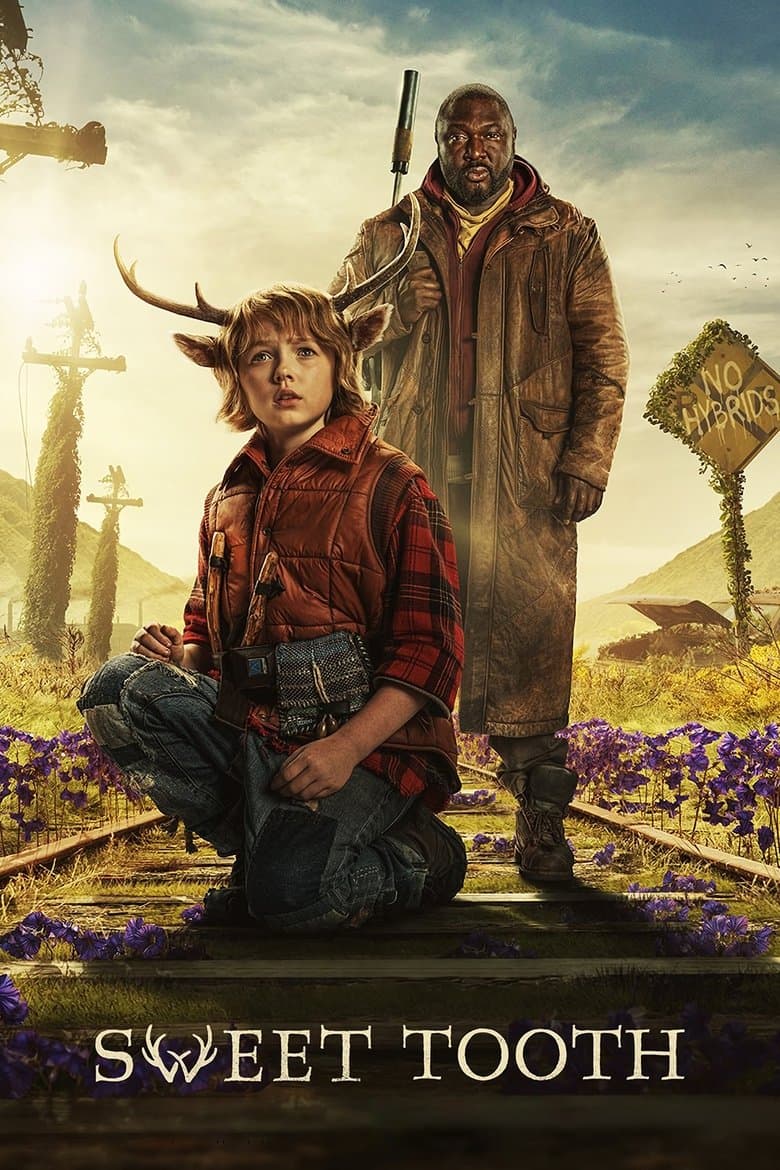
TV Show · 2021
On a perilous adventure across a post-apocalyptic world, a lovable boy who's half-human and half-deer searches for a new beginning with a gruff protector.
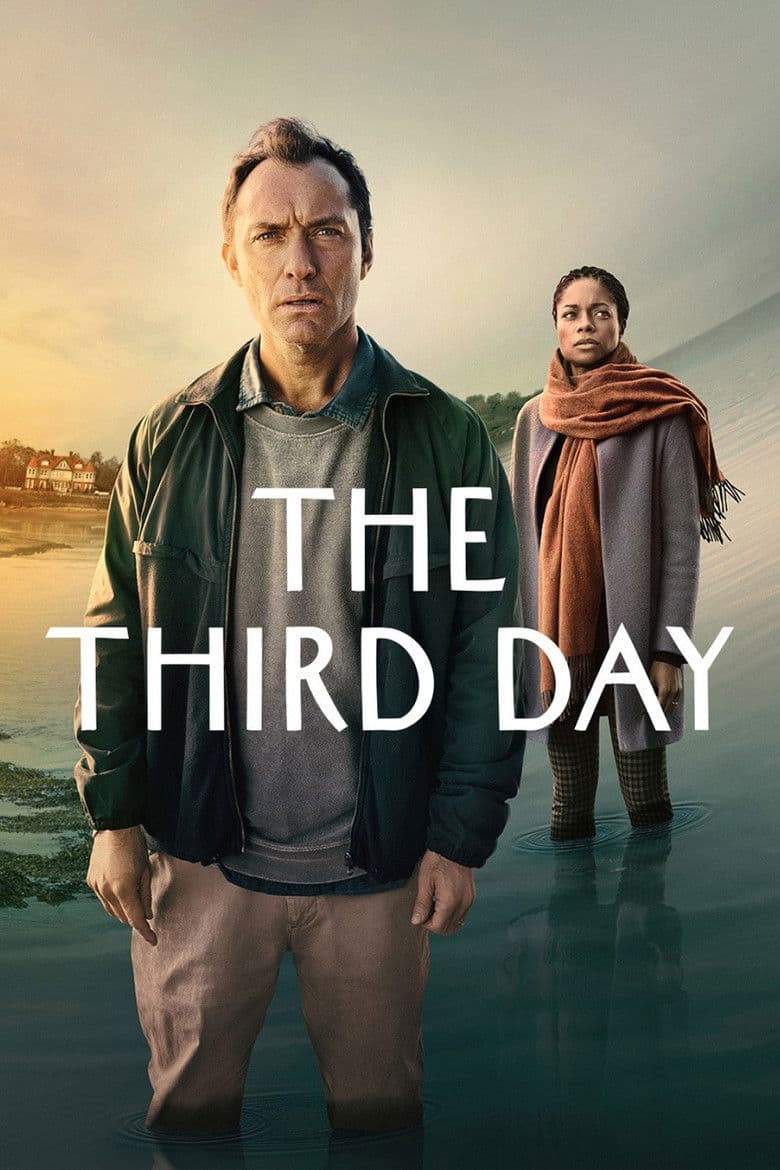
TV Show · 2020
A unique story told over two distinct halves, "Summer" follows Sam, a man drawn to a mysterious island off the British coast where he encounters a group of islanders set on…
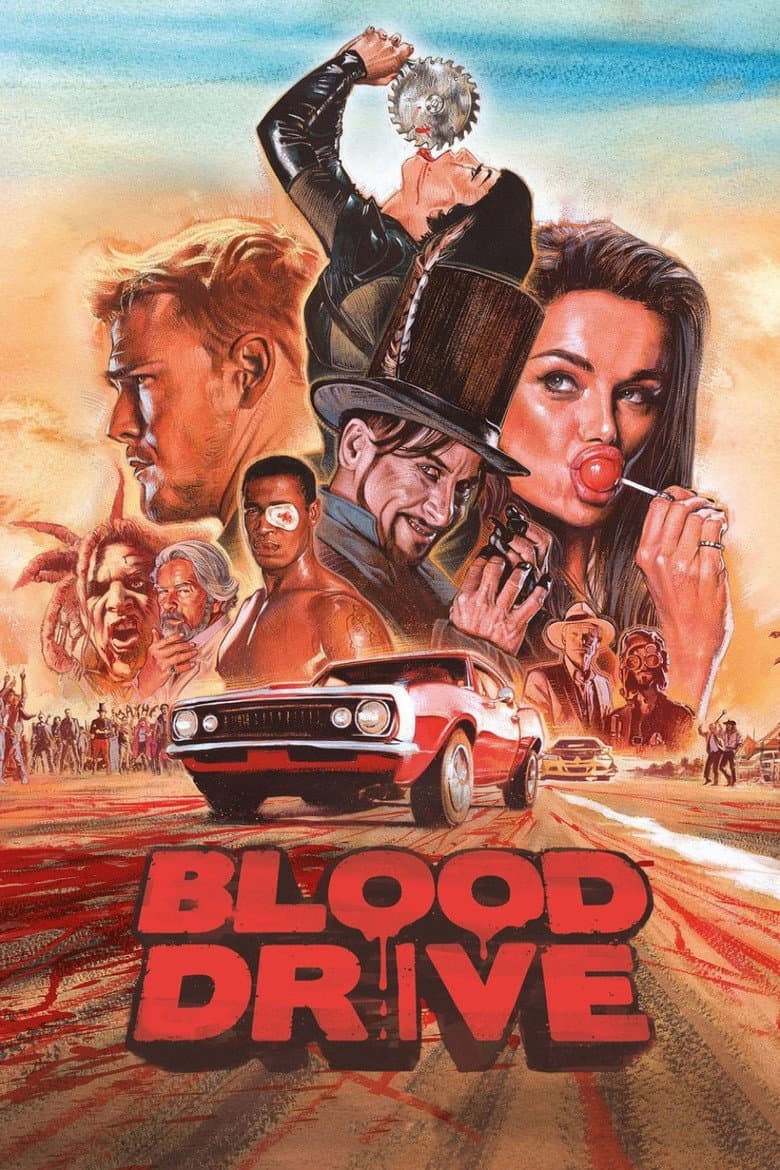
TV Show · 2017
Set in a near-dystopian future, a former cop is forced to take part in a death race where the cars run on human blood. You lose a leg and you lose your head.
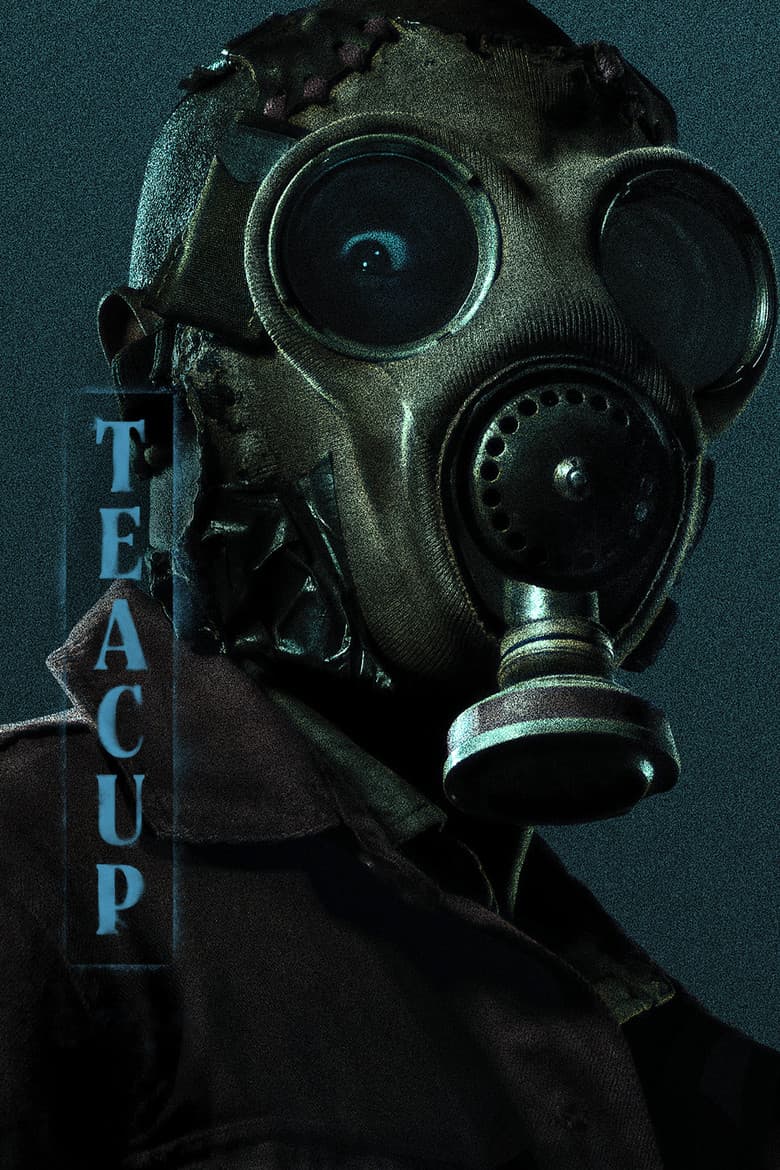
TV Show · 2024
A mysterious event traps people on a rural Georgia farm, forcing them to unite against an unknown, deadly force. A young boy named Arlo becomes central to uncovering the truth.
TV Show · 2022
Gary is an emotional wreck and struggles to provide for his daughter since the death of his wife. Mary has a secret she can't bring herself to share with anyone.
