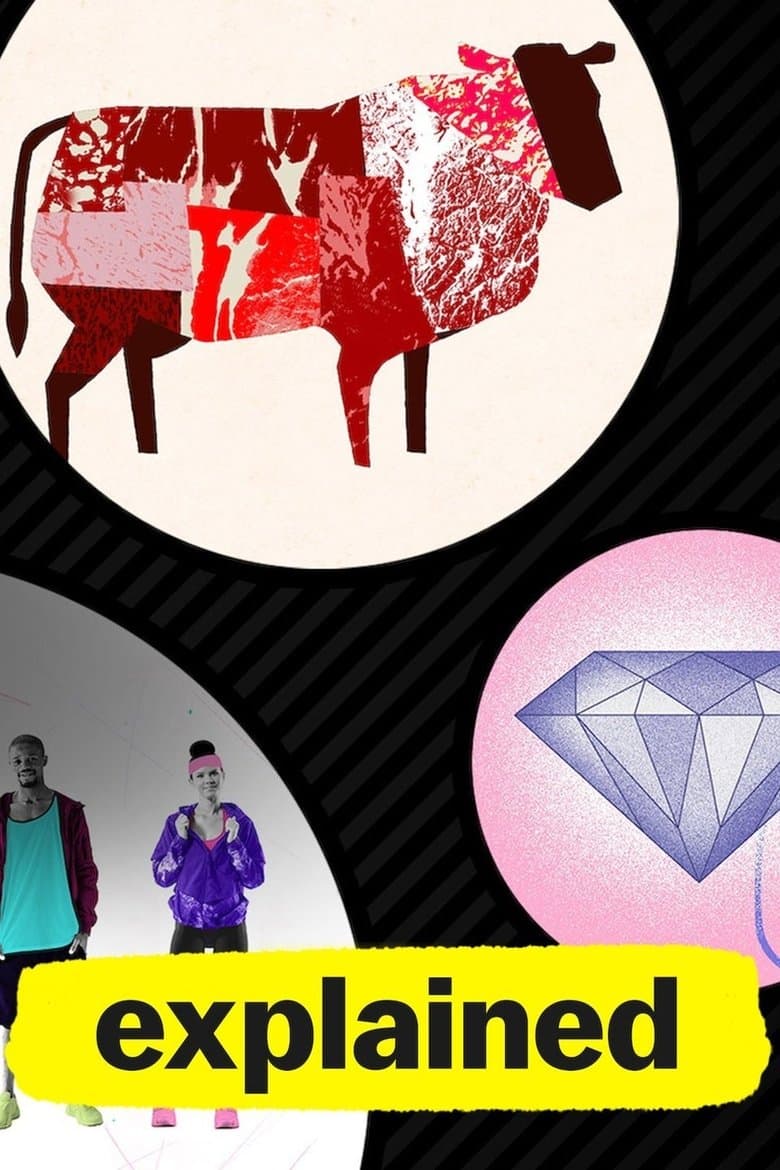
Started May 23, 2018 · Ended · Based on 3 seasons, 44 episodes through October 15, 2021 · TV-MA
Explained is a short documentary show made by Vox and Netflix. Each episode uses science, history, and interviews to teach viewers about a different topic, like money, music, or food. The show strongly focuses on social justice, racial issues, and gender inequality. It teaches viewers about systemic racism, the gap between what men and women are paid, and why traditional marriage is flawed. LGBTQ themes are also heavily featured, especially in episodes about relationships and language.
Community feedback
Was our 93% Woke rating accurate?
Breakdown
These are the editorial factors and ratings behind our score for Explained.
Woke representation / casting
The show chooses hosts and experts who fit a clear progressive representation goal. For example, it casts openly queer actress Samira Wiley to narrate the episode about racial wealth. It also brings in left-wing politicians like Cory Booker and transgender activist Julia Serano to speak as trusted experts. The strong focus on LGBTQ speakers and narrators adds significant activist weight to the casting choices.
65%
Woke political dialogue
The script often uses modern activist words and social-justice terms. Narrators and guest speakers talk directly about things like systemic racism, patriarchy, the motherhood penalty, and white supremacy. Left-wing figures like Bernie Sanders and Hillary Clinton are given a platform to talk about their political views on capitalism and gender roles.
Production
70%
Identity-driven story themes
Identity-driven themes are a main part of the series. Multiple episodes focus entirely on race, gender, and sexuality, such as "Why Women Are Paid Less" and "The Racial Wealth Gap." These episodes view history and society through the lens of identity groups fighting against oppression. Central LGBTQ themes in the monogamy and political correctness episodes add +25 points to this score under our rules.
85%
Western institutional / cultural critique
The show strongly attacks traditional Western ideas. It critiques capitalism as unfair to poor and minority groups. It also targets the traditional nuclear family, criticizing monogamy and heteronormative marriage as outdated structures. It portrays historical American policies as deeply racist and unfair. The inclusion of queer critiques of traditional relationships adds +25 points to this factor.
88%
Woke character or canon changes
Not present in this title.
0%
Anti-woke backlash and complaints
There is a lot of backlash from conservative and middle-of-the-road viewers. People complain on social media and video platforms that the show is one-sided. They argue that it tries to destroy traditional marriage, mock free markets, and push a left-wing political agenda on everyday topics.
60%
Creator track record context
The key creators and producers have a clear history of making progressive, activist, and feminist media. The overall score represents the average of the progressive track records of Ezra Klein, Emily Kassie, Claire Gordon, and Joe Posner.
65%
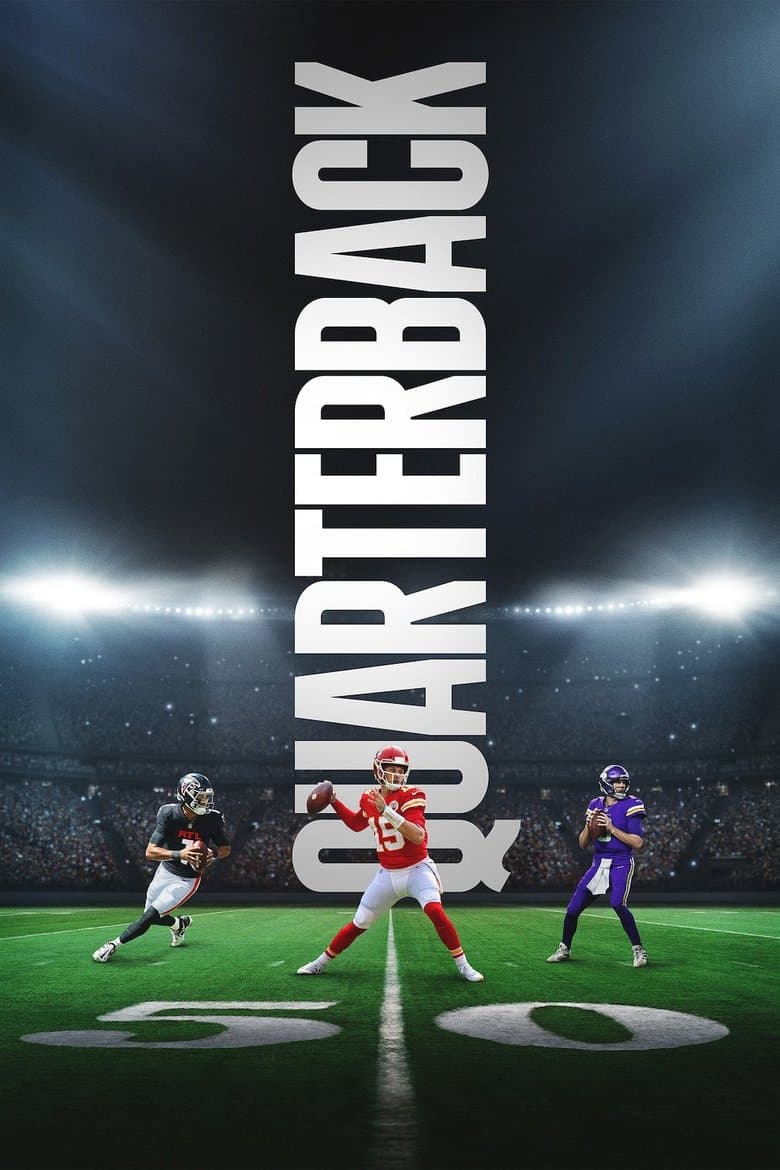
TV Show · 2023
Follow the bruised bodies, soul-crushing fumbles, agonizing losses, and pure joy of three NFL quarterbacks during one season.
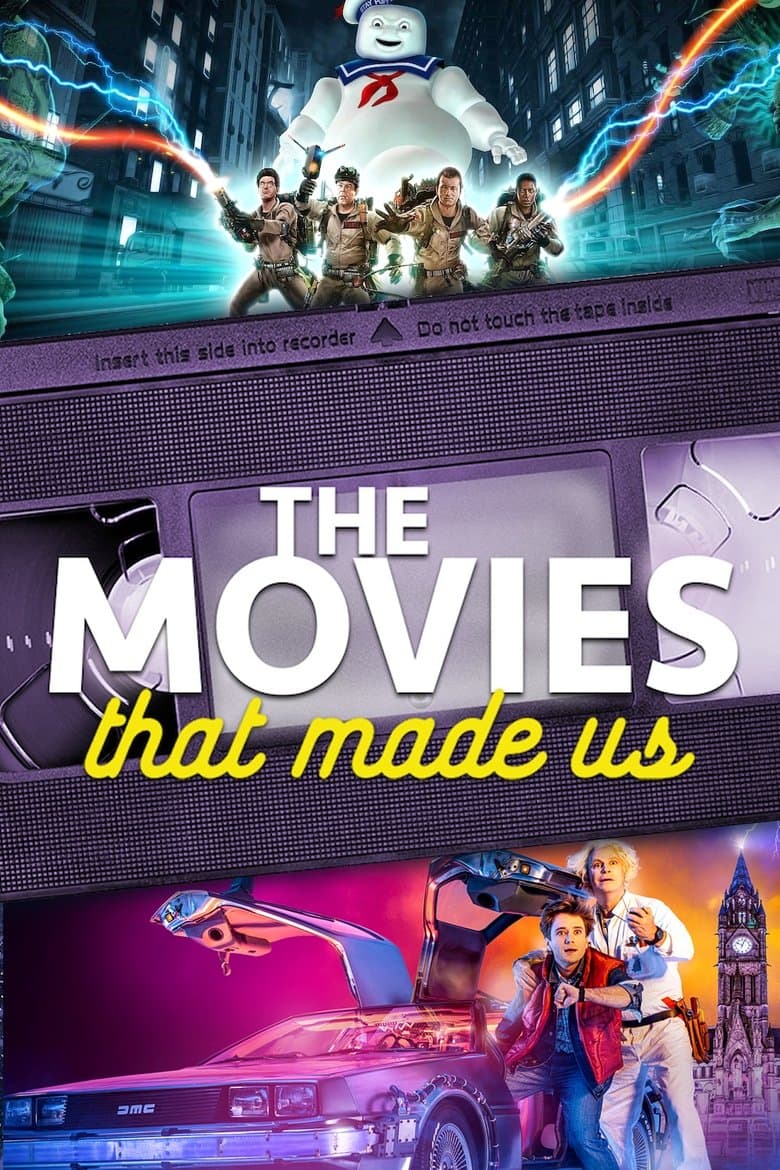
TV Show · 2019
These blockbusters brought us together and gave us the time of our lives. Meet the actors, directors and industry insiders who made them happen.

TV Show · 2017
An immersive 360-degree narrative telling the epic story of the Vietnam War as it has never before been told on film.
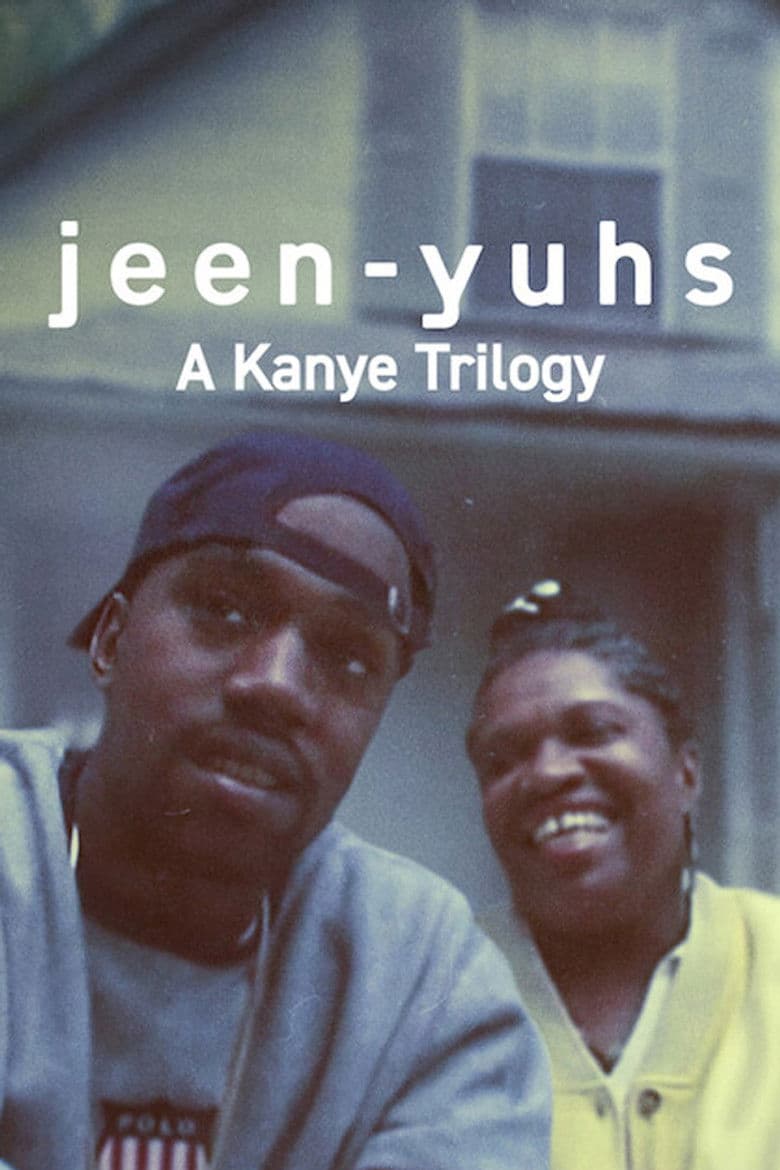
TV Show · 2022
The lives of an emerging superstar and a filmmaker intertwine in this intense, intimate docuseries charting Kanye West's career, filmed over two decades.
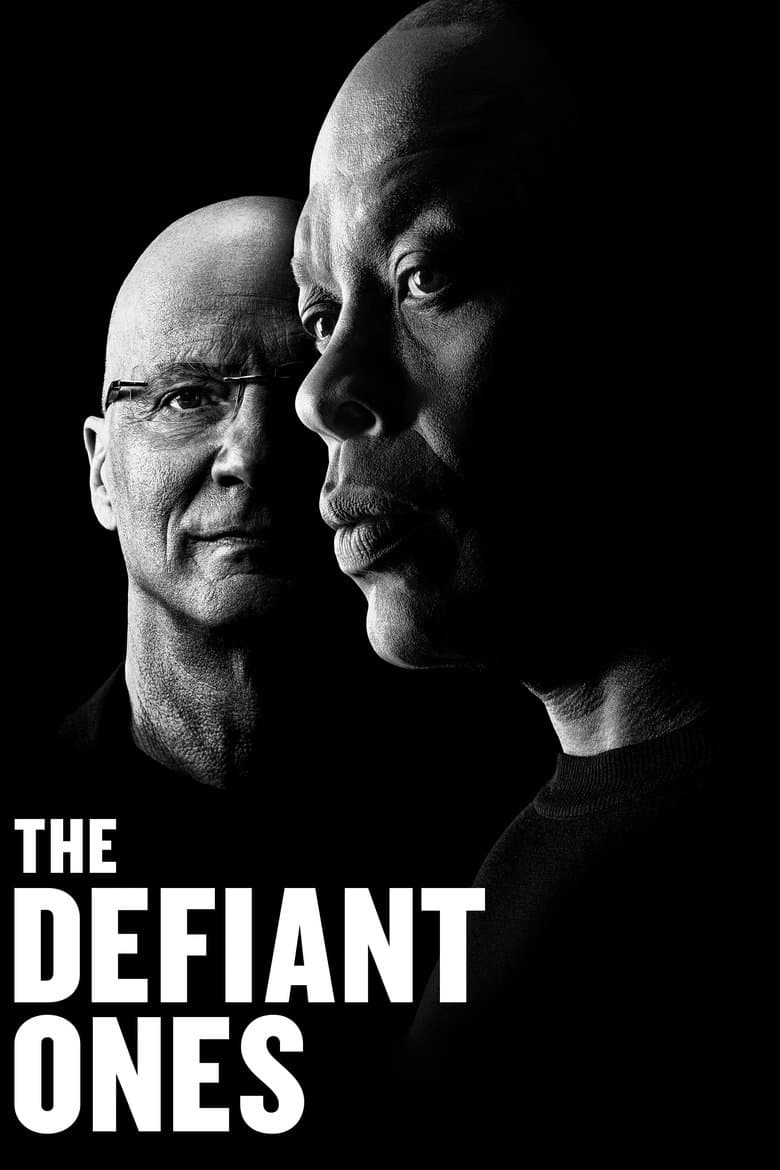
TV Show · 2017
A four-part documentary series that tells the stories of Jimmy Iovine and Dr. Dre -- one the son of a Brooklyn longshoreman, the other straight out of Compton - -- and their…
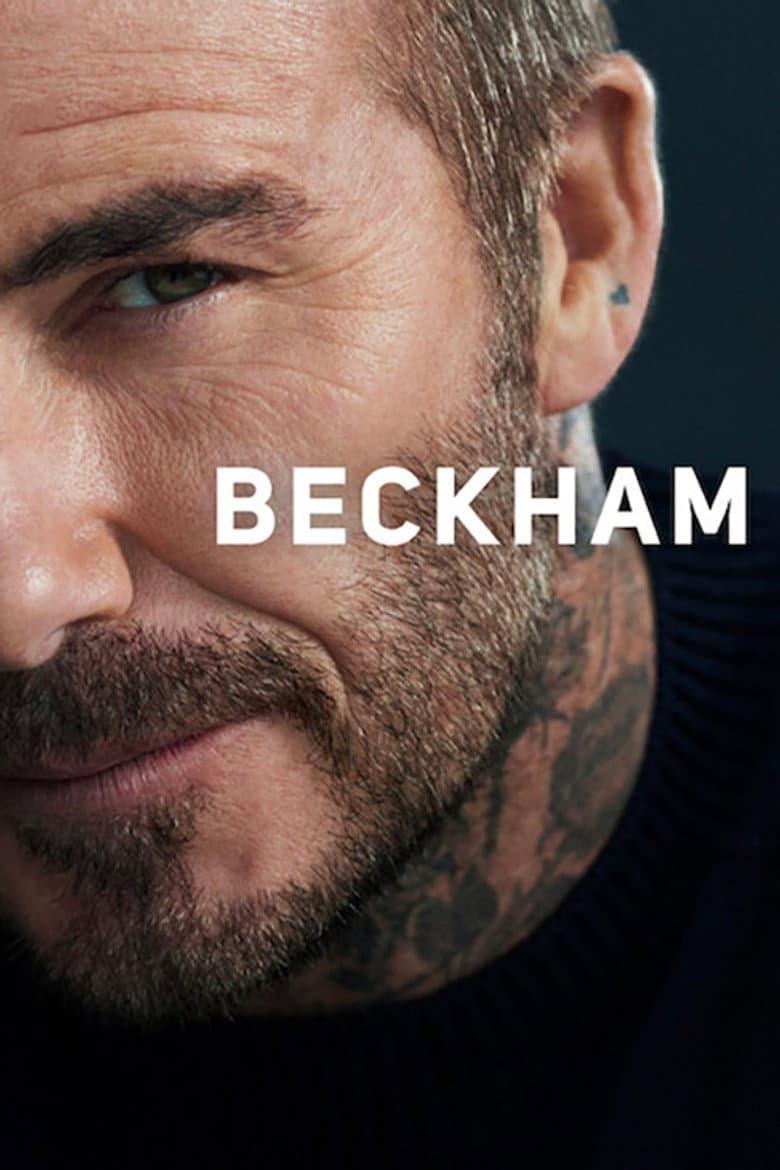
TV Show · 2023
With never-before-seen footage, this docuseries follows David Beckham's meteoric rise from humble beginnings to global football stardom.
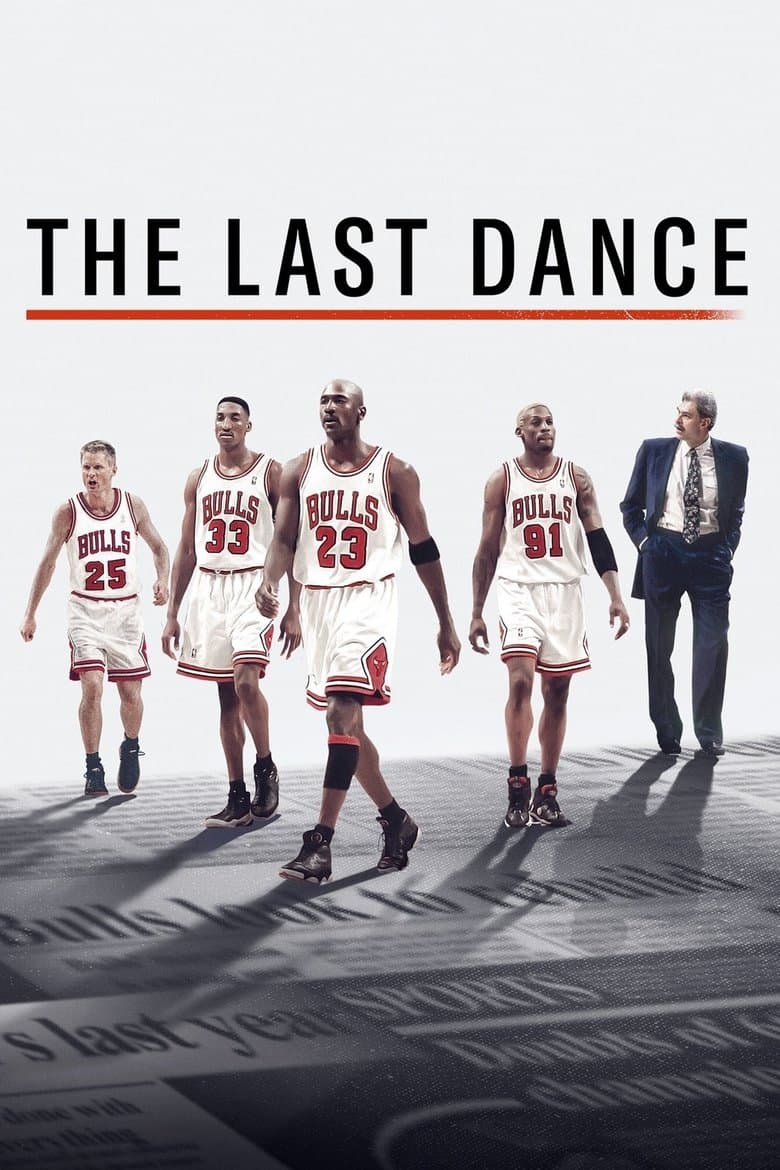
TV Show · 2020
A 10-part documentary chronicling the untold story of Michael Jordan and the Chicago Bulls dynasty with rare, never-before-seen footage and sound from the 1997-98 championship…
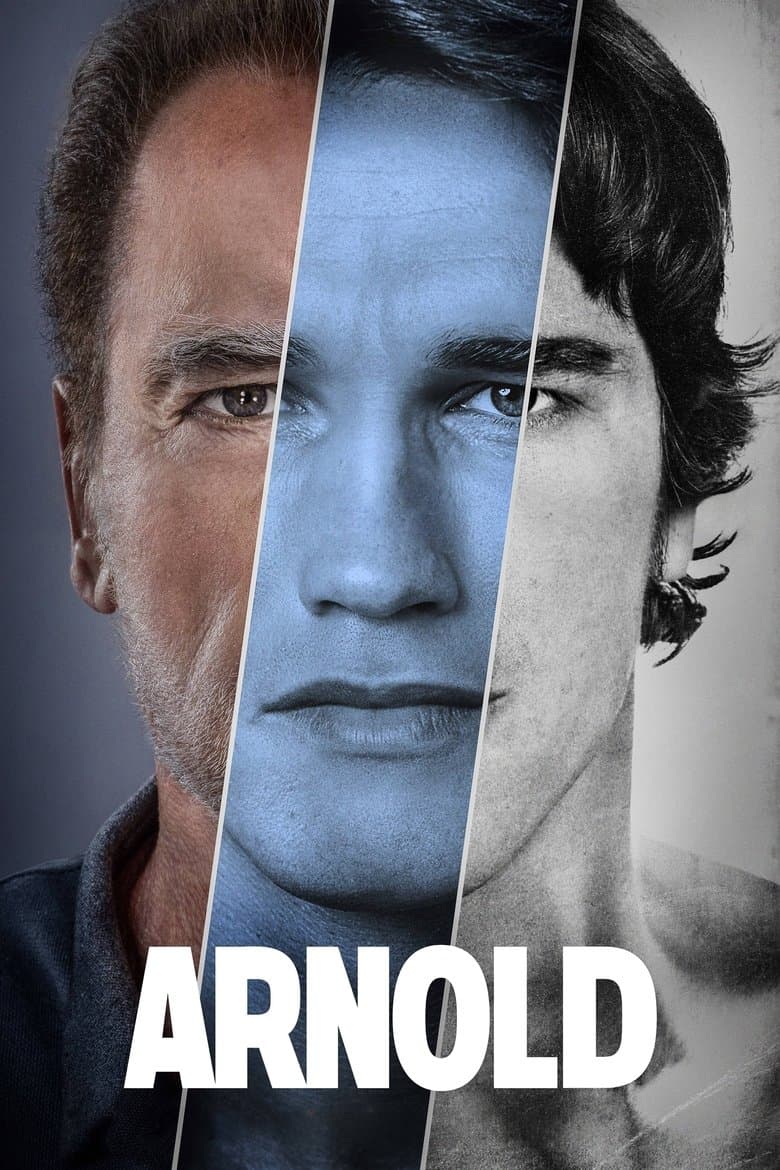
TV Show · 2023
This intimate docuseries follows Arnold Schwarzenegger's multifaceted life and career, from bodybuilding champ to Hollywood icon to politician.
