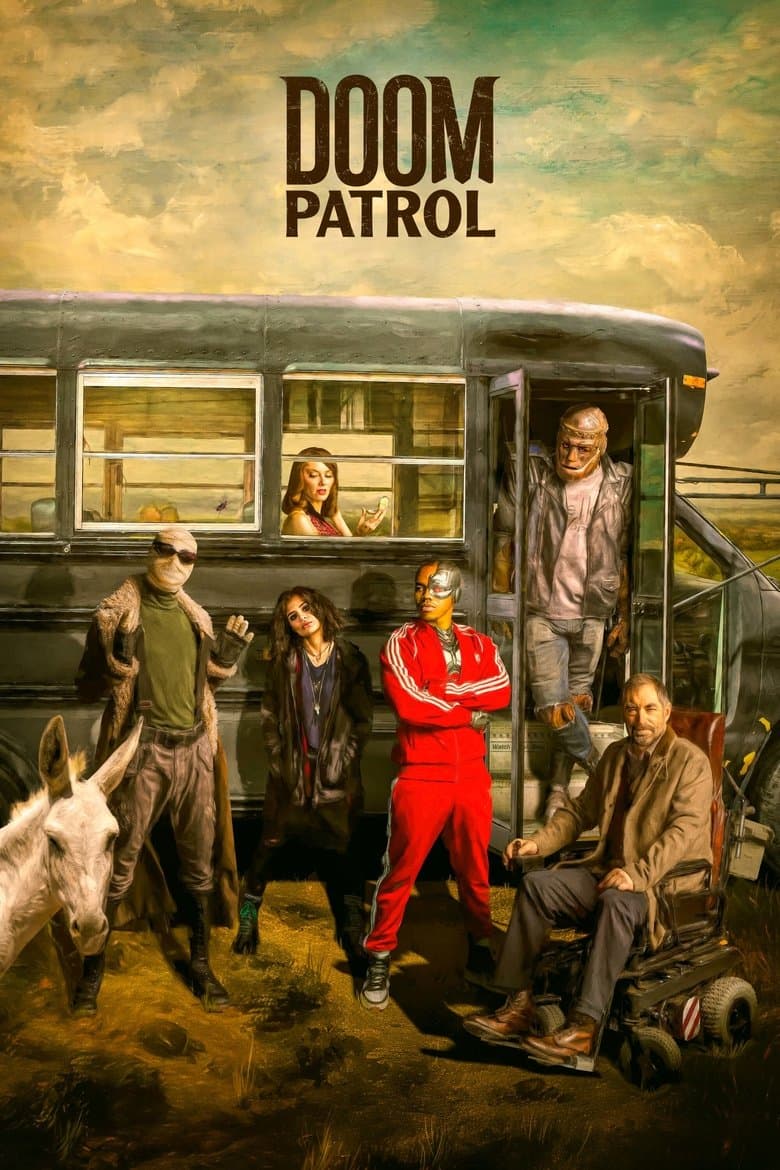
Started February 15, 2019 · Ended · Based on 4 seasons, 46 episodes through November 9, 2023 · TV-MA · 49 min
Doom Patrol is a four-season DC superhero television series (2019-2023) about a team of traumatized misfits whose powers came from horrible accidents and experiments by their mentor, The Chief. They live in Doom Manor and battle bizarre threats while dealing with personal traumas, secrets, and their place as outcasts. The show centers queer identities and acceptance, notably through Larry Trainor's arc embracing his homosexuality and a full episode defending the genderqueer sentient street Danny against the repressive Bureau of Normalcy. Diverse leads and recurring themes of non-conformity among outcasts shape the narrative and character work across all seasons.
Community feedback
Was our 91% Woke rating accurate?
Breakdown
These are the editorial factors and ratings behind our score for Doom Patrol.
Woke representation / casting
Prominent diverse and queer leads drive visibility: Latina Diane Guerrero as central Crazy Jane with complex DID, black Joivan Wade as Cyborg in key competent role, openly gay Matt Bomer as Larry Trainor whose arc centers homosexuality acceptance. Non-binary/genderqueer Danny the Street (they/them) and trans character Maura Lee Karupt feature prominently alongside multiple queer side characters and drag elements. Casting directors Rapaport and Baldasare have reputations for inclusive and queer-focused work. Audience sees clear emphasis on identity in core team and stories.
72%
Woke political dialogue
Characters discuss sexuality, gender identity, shame, trauma from abuse, and embracing difference. The Bureau of Normalcy is framed as repressive government force targeting "weird" and queer people, with resistance scenes involving drag queens and outcasts. Messaging on acceptance and anti-conformity appears in key episodes but stays mostly character-driven rather than constant lectures or current-events jargon.
55%
Identity-driven story themes
Premise and arcs center outcasts defined by physical/mental differences forming found family and protecting non-normative "weirdness." Larry's explicit gay acceptance journey, Jane's trauma-rooted personalities (some queer), and dedicated defense of genderqueer Danny against authority are core. Disability and mental health acceptance tie directly to identity. Per guidelines, confirmed LGBTQ+ elements (central and prominent) receive strong weighting as higher-priority signal than generic diversity.
82%
Western institutional / cultural critique
Bureau of Normalcy acts as institutional villain enforcing "normalcy" through xenophobia, explicitly linked to homophobia and suppression of difference in "Danny Patrol" and related plots. The Chief represents paternalistic authority whose experiments caused team traumas. Some anti-conformist messaging challenges traditional norms around family, heroism, and social acceptance. Focuses on cultural repression of eccentricity rather than broad anti-capitalist, anti-whiteness, or colonial framing.
48%
Woke character or canon changes
Series adapts 1960s comics (Drake/Haney/Premiani) and Morrison-era surrealism but significantly expands and foregrounds queer elements for modern audiences: Danny the Street made explicitly genderqueer with they/them and given a resistance episode against homophobic authority; Larry Trainor's homosexuality becomes primary ongoing arc. These align with representation priorities in execution and reception. Not simple race/gender swaps of legacy figures, but identity-driven reinterpretation and amplification of source weirdness.
50%
Anti-woke backlash and complaints
User reviews and online posts criticize "woke crap," heavy minority casting as over-representation, and identity themes as forced or tone-deaf, especially later seasons. Complaints treat the show as pushing identity-driven or DEI-style content. Remains niche (forums, review sites, scattered social media) with no large-scale mainstream coverage, celebrity-led backlash, or industry-wide debate. Cancellation not linked to these views.
28%
Creator track record context
Cluster of key contributors shows pattern: writers Becher (59, radical queer rep) and Yockey (43, emphasis on authentic LGBTQ+ rep and diverse/inclusive teams), directors Talalay (54, punk feminist marginalized justice themes) and Richardson-Whitfield (54, diversity advocacy and awards), casting directors Rapaport (49, queer/trans champion) and Baldasare (51, diverse ensembles). This supports elevated context for identity and representation priorities in the production.
62%
Production
TV Show · 2016
Detective Raimy Sullivan is stunned when a voice suddenly crackles through her father’s old, long-broken ham radio – it’s Frank Sullivan, somehow transmitting over the airwaves…
TV Show · 2022
Irene and Franklin York, a retired couple, have a secret: a Chamber buried in their backyard that miraculously leads to a strange, deserted planet.
TV Show · 2018
After 250 years on ice, a prisoner returns to life in a new body with one chance to win his freedom: by solving a mind-bending murder.
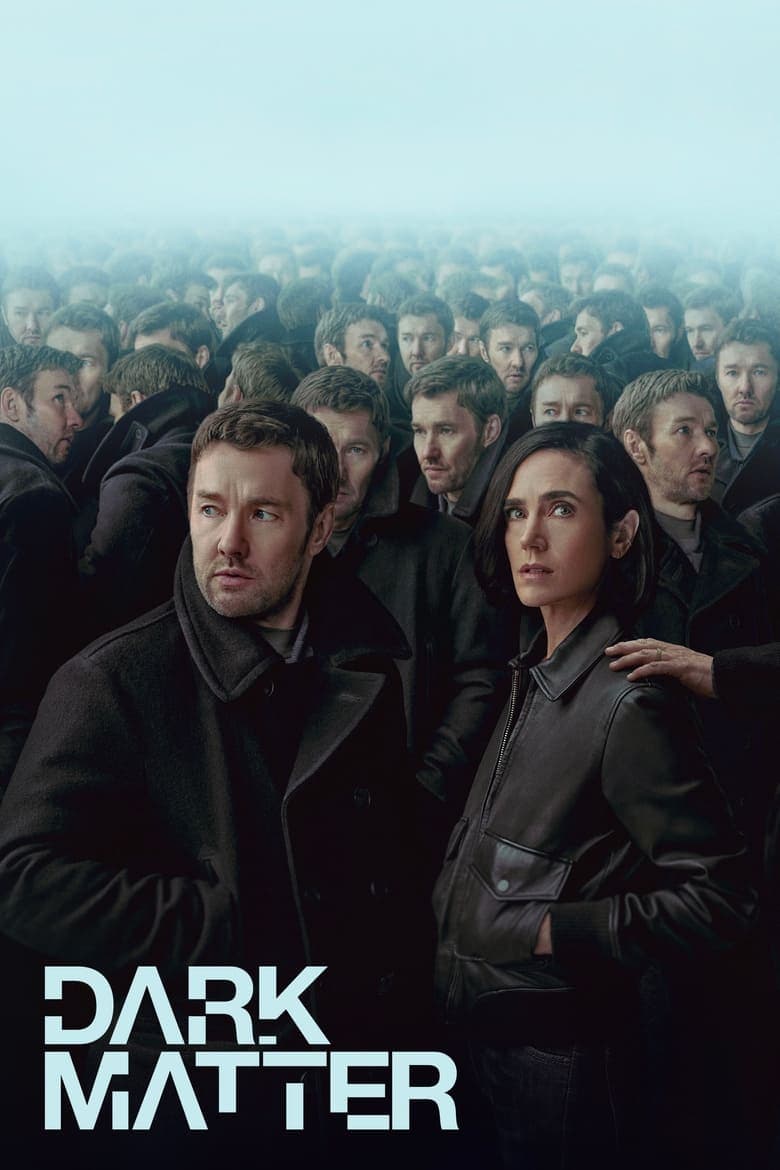
TV Show · 2024
Jason Dessen is abducted into an alternate version of his life. To get back to his true family, he embarks on a harrowing journey to save them from the most terrifying foe…
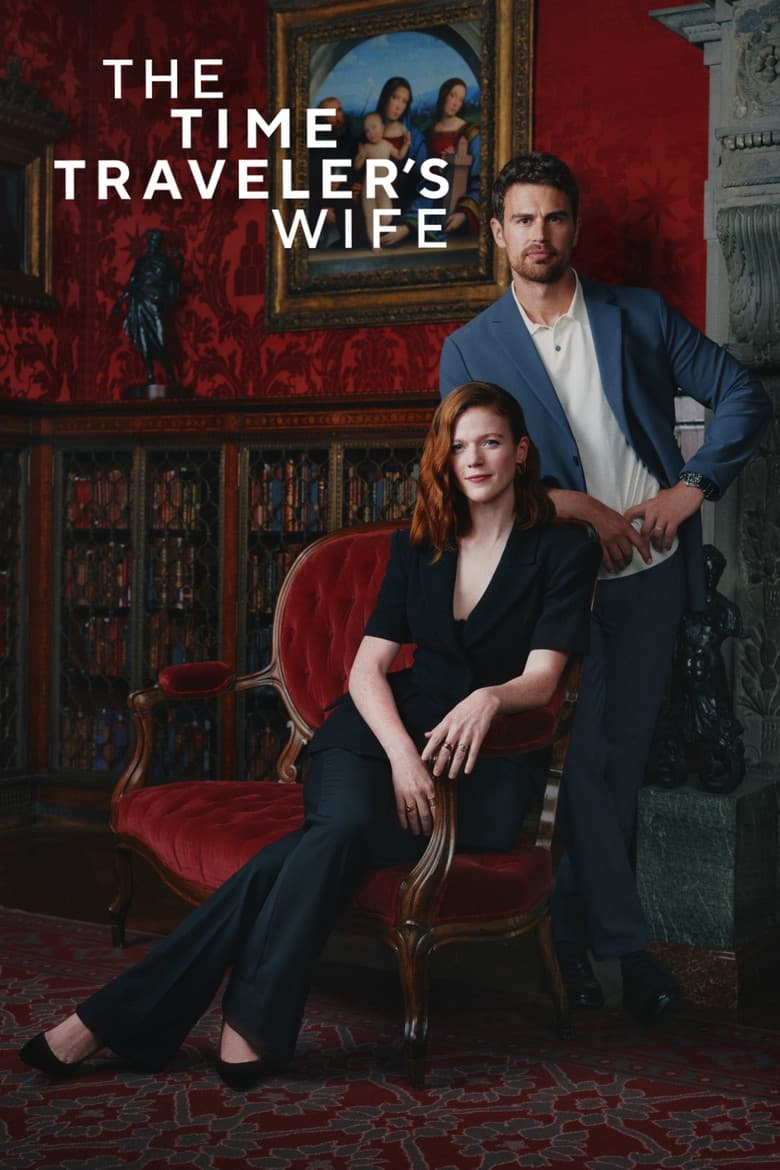
TV Show · 2022
The intricate and magical love story of Clare and Henry, and a marriage with a problem… time travel.
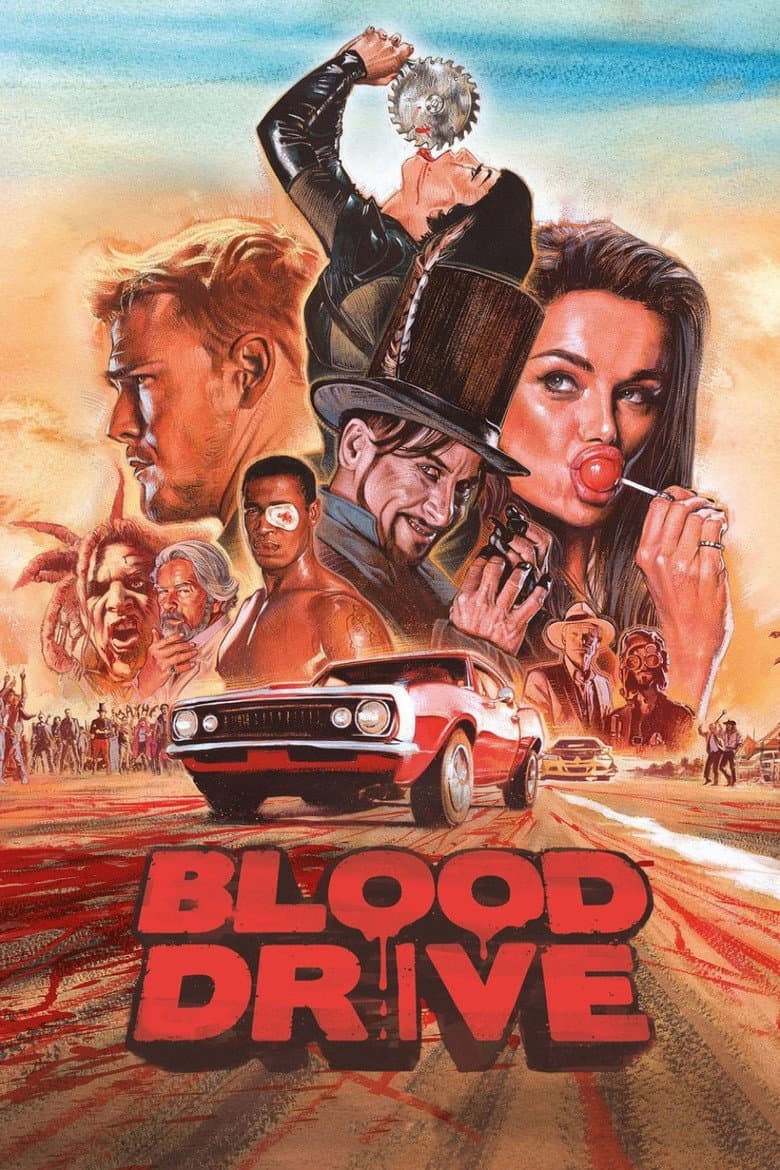
TV Show · 2017
Set in a near-dystopian future, a former cop is forced to take part in a death race where the cars run on human blood. You lose a leg and you lose your head.
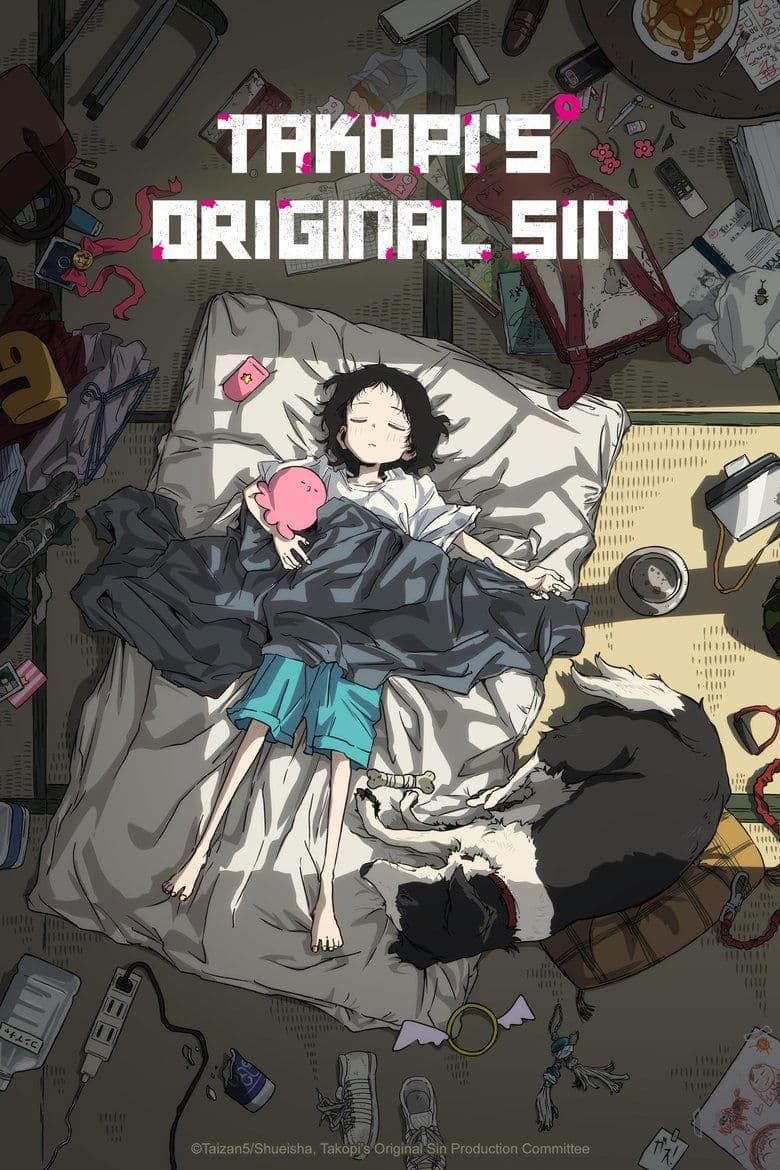
TV Show · 2025
A Happy alien, Takopi, lands on Earth with one mission: to spread happiness! When he meets Shizuka, a lonely fourth grader, he vows to bring back her smile using his magical Happy…
TV Show · 2021
Interconnected phone conversations chronicle the mysterious story of a group of strangers whose lives are thrown into disarray in the lead-up to an apocalyptic event.
