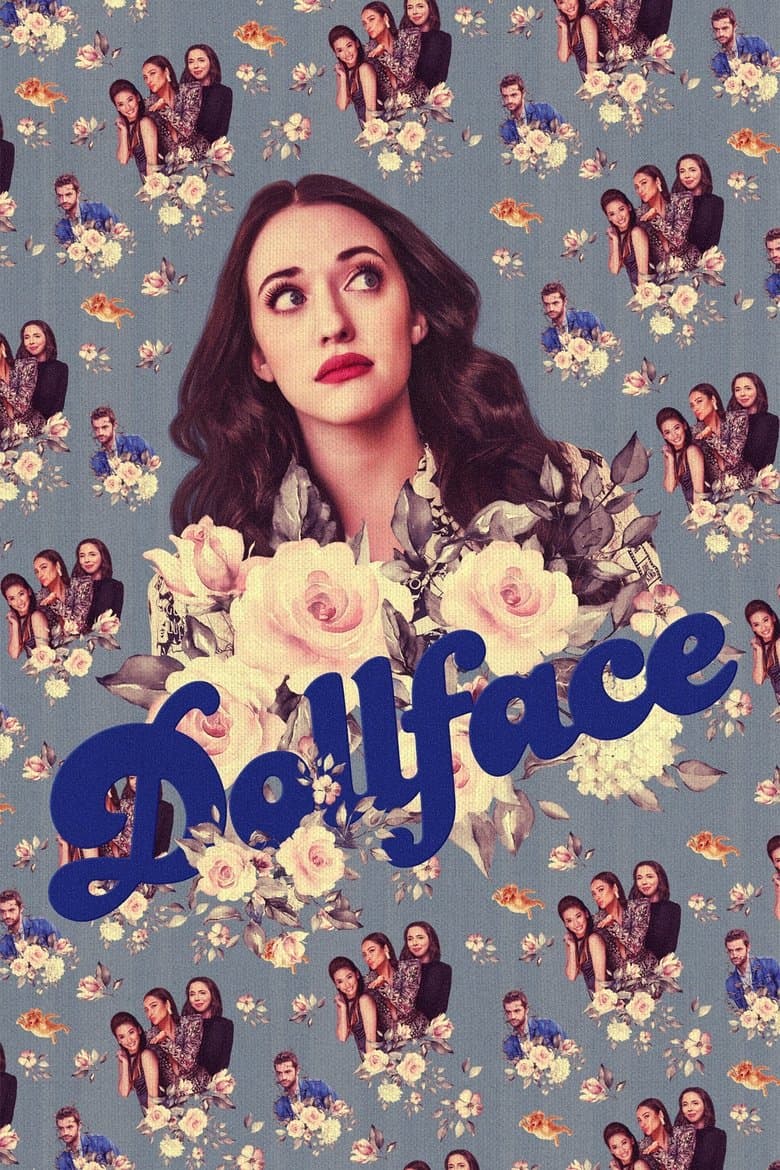
Started November 15, 2019 · Canceled · Based on 2 seasons, 20 episodes through February 11, 2022 · TV-MA · 30 min
Dollface is a comedy series about Jules, a young woman who gets dumped by her longtime boyfriend. After the breakup, she has to rebuild her friendships with the girls she ignored while she was in a relationship. The show focuses heavily on girl power, female sisterhood, and women supporting each other. It also features prominent LGBTQ+ themes in the second season, where one of the main characters dates another woman.
Community feedback
Was our 68% Woke rating accurate?
Breakdown
These are the editorial factors and ratings behind our score for Dollface.
Woke representation / casting
The show features a very diverse main cast of female characters, including Asian-American and biracial leads. In Season 2, the show intentionally increases its LGBTQ+ representation by introducing a queer woman of color, played by Lilly Singh, as a love interest for Stella. This prominent bisexual romance is central to the second season, adding a significant queer identity signal to the show.
58%
Woke political dialogue
The characters frequently discuss female empowerment, "the sisterhood," and the societal rules that women are expected to follow. An entire episode revolves around a Women's March, where the dialogue directly tackles what it means to be a feminist. While the tone is often comedic or satirical, the script actively uses social justice vocabulary like "patriarchy," "feminism," and "queerness" to frame its conflicts.
Production
42%
Identity-driven story themes
The main theme of the series is that relationships between women are sacred and must be prioritized over relationships with men. The narrative is built entirely around female solidarity and the rejection of traditional dependency on boyfriends. The second season reinforces this with a major focus on Stella exploring her queer identity and navigating a same-sex relationship, making LGBTQ+ themes central to her character growth.
65%
Western institutional / cultural critique
The series parodies modern, pseudo-woke wellness culture through a wellness startup called "Woöm," which sells absurd products. However, it still critiques traditional Western relationship expectations and family structures. It frames traditional romantic dependency as a trap that strips women of their individuality, promoting the female support group as the ultimate and most reliable social structure.
25%
Woke character or canon changes
Not present in this title.
0%
Anti-woke backlash and complaints
The series did not face a massive, coordinated anti-woke campaign. However, some independent commentators and viewers criticized the show for trying too hard to sell its "girl power" and feminist credentials. Others pointed out that the show promotes a biased view that paints romantic relationships with men as inherently limiting compared to female-only bonds.
15%
Creator track record context
While creator Jordan Weiss has a milder background, the show's creative direction is heavily shaped by feminist producers like Margot Robbie and Kat Dennings, as well as showrunner Michelle Nader. The writing staff also features prominent queer and activist-minded writers like Solomon Georgio and Josephine Green Zhang, who have a proven history of centering their work on marginalized identities and social commentary.
44%
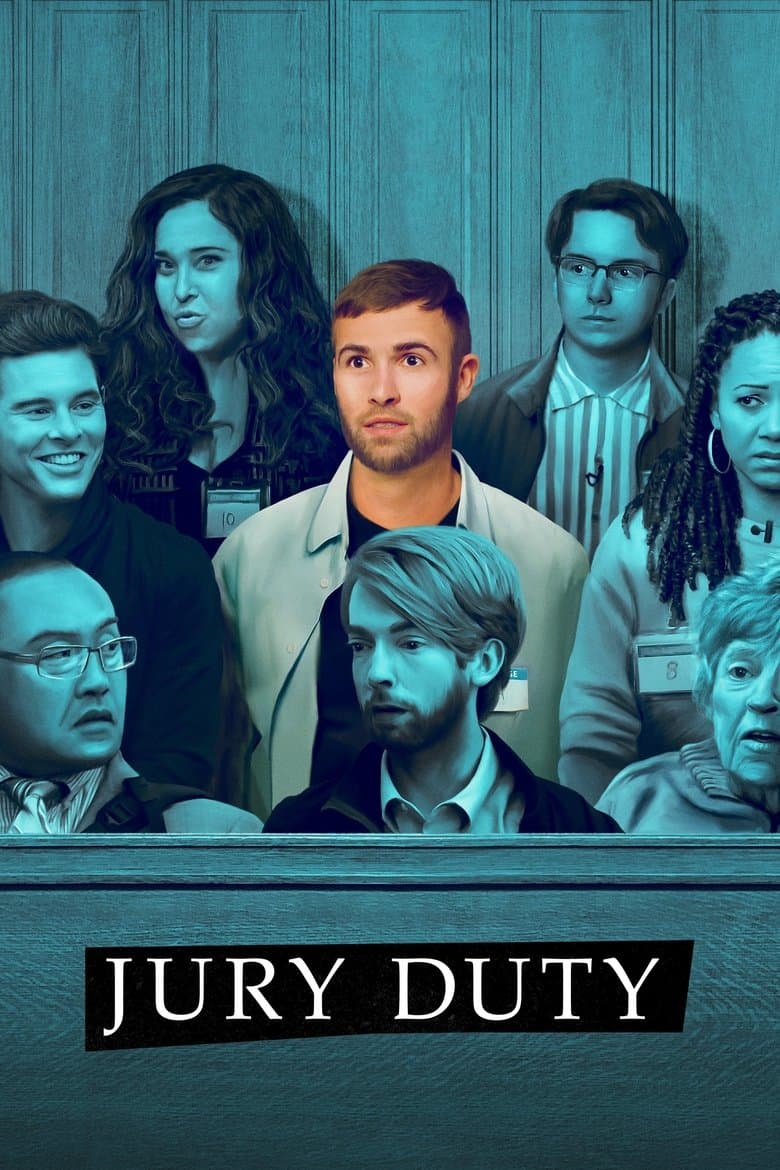
TV Show · 2023
The inner workings of an American jury trial through the eyes of one particular juror, Ronald Gladden. Gladden is unaware the entire case is fake, everyone except him is an actor…
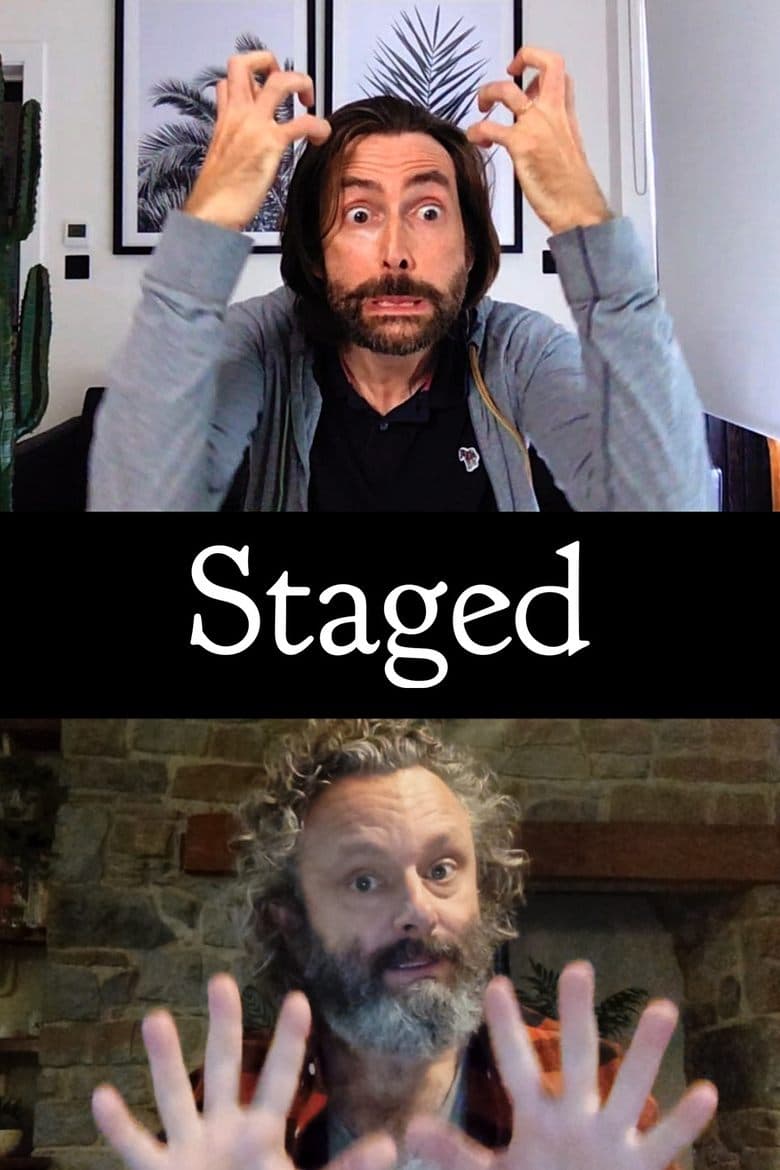
TV Show · 2020
David Tennant and Michael Sheen (playing themselves) were due to star in a production of 'Six Characters in Search of an Author' in the West End.

TV Show · 2016
Jeremy Clarkson, Richard Hammond and James May are back with a show about adventure, excitement and friendship...
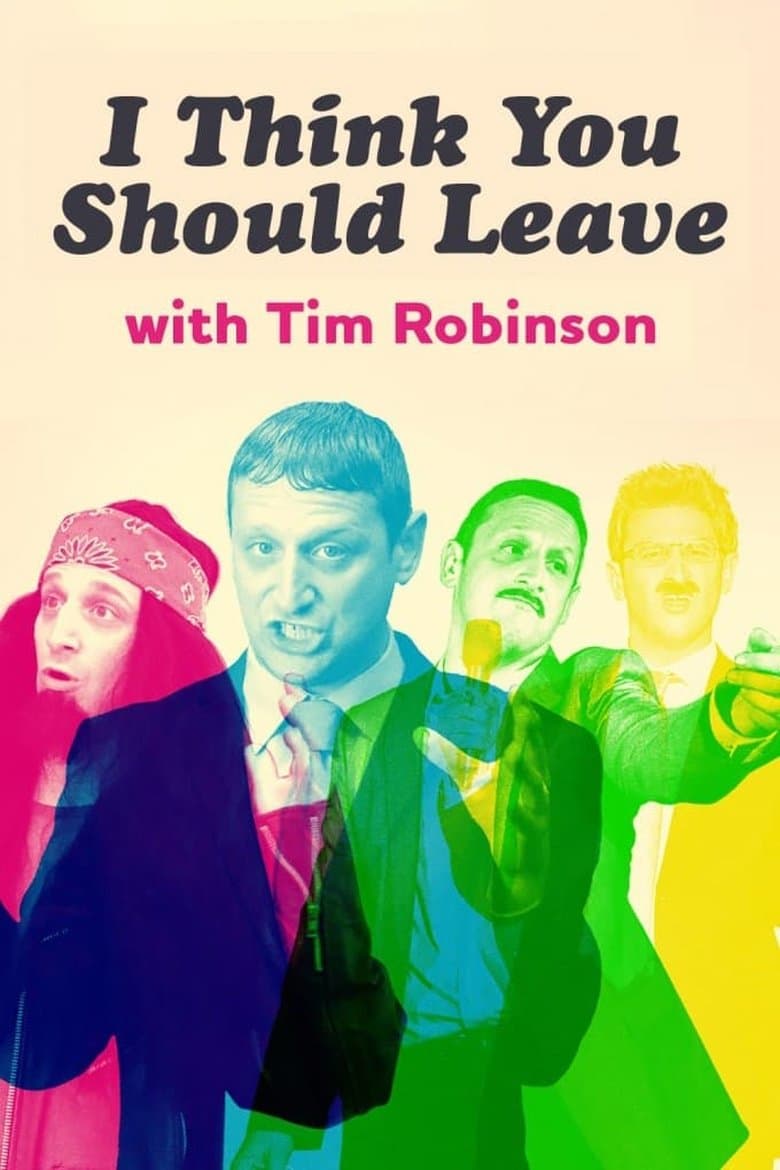
TV Show · 2019
There is no such thing as an ordinary interaction in this offbeat sketch comedy series that features a deep roster of guest stars.
TV Show · 2016
After North Jackson High's long-time principal steps down to tend to his ailing wife, Neal Gamby and Lee Russell, the school's vice principals, are forced to put their mutual…
TV Show · 2017
In the wake of their first documentary's success, Peter and Sam seek a new case and settle on a stomach-churning mystery at a Washington high school.
TV Show · 2025
Eight years after an unforgivable mistake nukes his promising college football career, hotshot quarterback Russ Holliday tries to resurrect his dreams by disguising himself as…
TV Show · 2016
Rebellious Mickey and good-natured Gus navigate the thrills and agonies of modern relationships.
