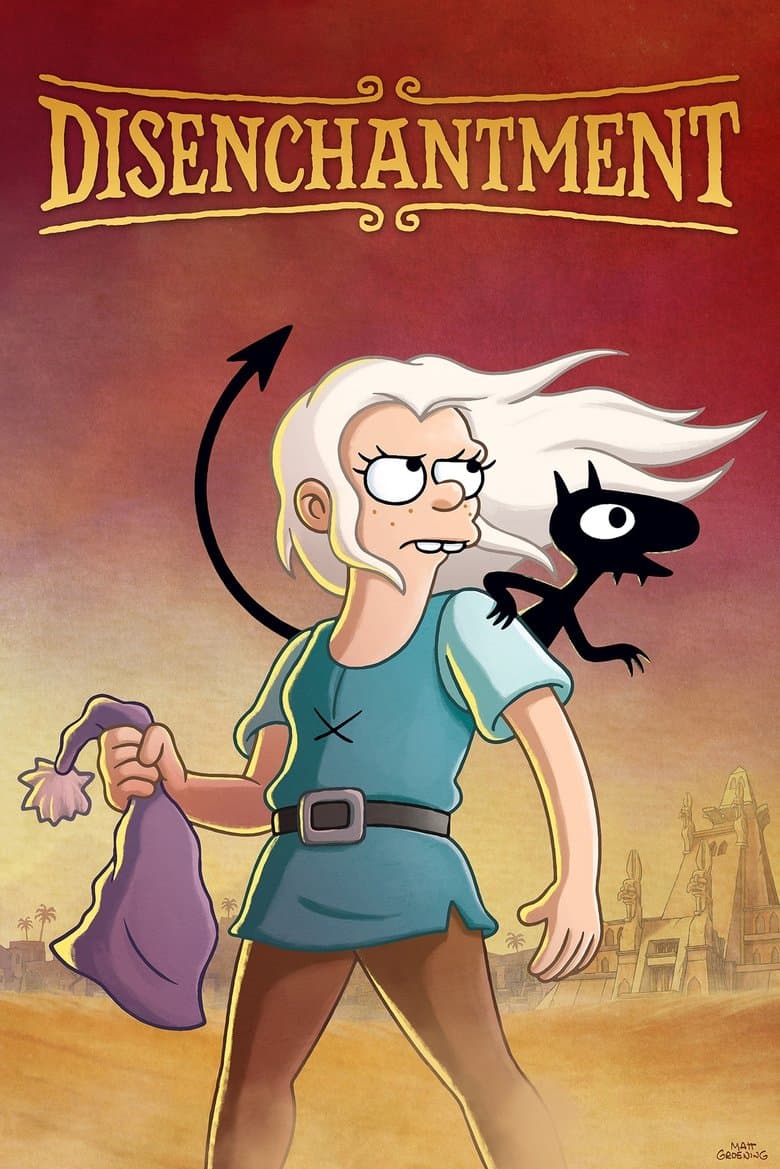
Started August 17, 2018 · Ended · Based on 3 seasons, 50 episodes through September 1, 2023 · TV-MA
Disenchantment follows Bean, a hard-drinking princess who lives in the failing medieval kingdom of Dreamland. Her father tries to use her in arranged marriages, but Bean wants to choose her own life. She travels with Elfo, a hopeful elf, and Luci, a troublemaking demon, while they face family secrets, magic, war, and rival rulers. The show mixes rude jokes, violence, fantasy adventure, and longer family drama.
The show gives Bean a strong feminist path as she rejects wedding plans, takes power, and fights to rule on her own terms. It later shows her attraction to men and women, then builds a same-sex romance with Mora, a lesbian mermaid, across the final parts. Part 5 makes their love, loss, reunion, and decision to leave royal life a major part of the ending. The story also treats chosen family, women in power, and freedom from old roles as positive ideas, although magic, comedy, and family conflict remain the larger focus.
Community feedback
Was our 66% Woke rating accurate?
Breakdown
These are the editorial factors and ratings behind our score for Disenchantment.
Woke representation / casting
The show puts Bean at the center as a female princess who fights, rules, and saves Dreamland. The show also gives major power to Dagmar, Oona, and Miri, who lead family, army, or kingdom conflicts. Groening and Weinstein describe the female lead and the show’s feminist point of view as deliberate choices. The story does not use real-world race or diversity casting as a visible message.
27%
Woke political dialogue
The show includes direct lines about misogyny and gender stereotypes. Bean says gender is a construct when a council says women cannot attend its meeting. Another episode says women cannot work in theater, and Bean argues that women should be allowed to write and perform. The jokes stay inside Dreamland, so the show has noticeable woke political dialogue but not constant modern political speeches.
41%
Identity-driven story themes
Bean rejects arranged marriage and refuses to live as a quiet princess. The show shows her attraction to men and women and then builds a same-sex romance with Mora, a lesbian mermaid. Part 4 has Bean admit that she loves Mora, while Part 5 makes their bond, Mora’s death, and their reunion part of the main ending. The story also supports female freedom and chosen family, although magic, family conflict, and war remain the larger frame.
75%
Western institutional / cultural critique
The show makes arranged marriage, male-only councils, and women blocked from theater look foolish and unfair. The royal council plots coups, the monarchy treats people as tools, and the mental asylum uses force instead of helping Zøg. Heaven and God are also mocked, but the fantasy story does not turn these jokes into a direct modern attack on capitalism, Christianity, or Western society. The critique is clearest around gender roles and abuse of power, so it is noticeable but not the show’s only purpose.
40%
Woke character or canon changes
Not present in this title.
0%
Anti-woke backlash and complaints
Some 2021 Reddit commenters called Bean and Mora’s romance forced or pandering, and one said the lesbian plot made them stop watching. Other fans strongly supported the couple and hoped they would become a lasting pair. No major boycott, organized anti-woke campaign, or sustained news fight grew around the show. The backlash was real but scattered and mixed with ordinary complaints about pacing and writing.
22%
Creator track record context
Matt Groening has a liberal satirical record and said the show has a definite feminist point of view. Josh Weinstein has a liberal comedy background and spoke about Bean as a young woman finding her place, but his work is not mainly identity activism. The other listed directors, writers, producers, and casting director have little public activist history. This gives the show mild creator track record context rather than a dominant political signal.
30%
Production
TV Show · 2025
Backwoods bounty hunter Hub Halloran comes back from the dead with an unexpected second chance at life, love, and a nearly-forgotten musical career — only to find that his old job…
TV Show · 2019
One fateful day, all of humanity was petrified by a blinding flash of light. After several millennia, high schooler Taiju awakens and finds himself lost in a world of statues.
TV Show · 2017
Asta and Yuno are two orphans who want the same thing: to become the Wizard King. Locked in a friendly rivalry, they work hard towards their goal.
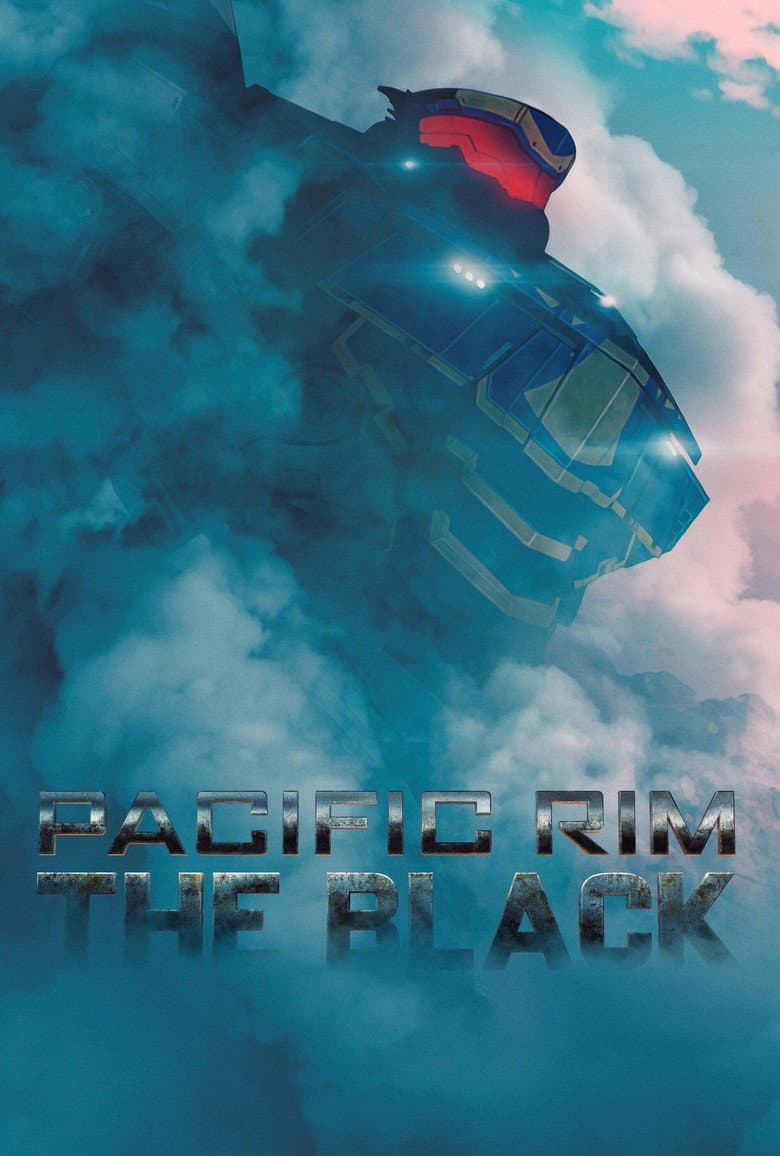
TV Show · 2021
Two siblings - an idealistic teenage boy and his naive younger sister - are forced to pilot an abandoned Jaeger across a hostile landscape in a desperate attempt to find their…
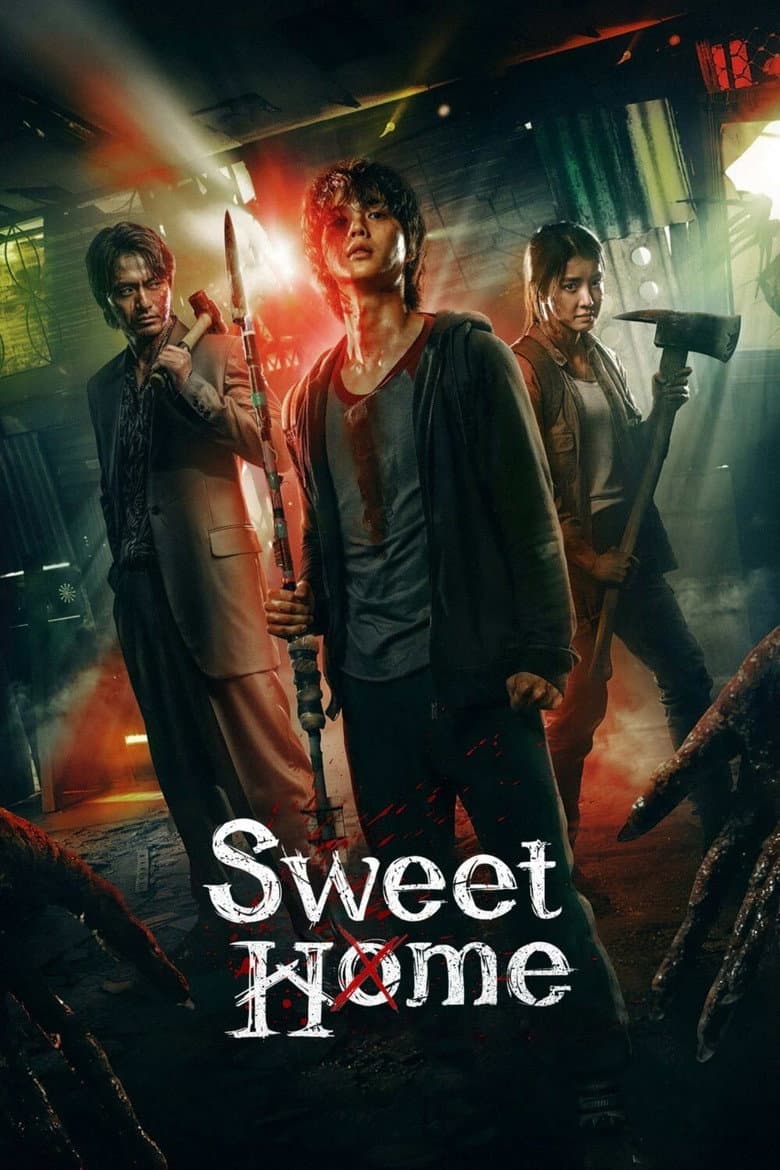
TV Show · 2020
As humans turn into savage monsters and the world plunges into terror, a handful of survivors fight for their lives — and to hold on to their humanity.
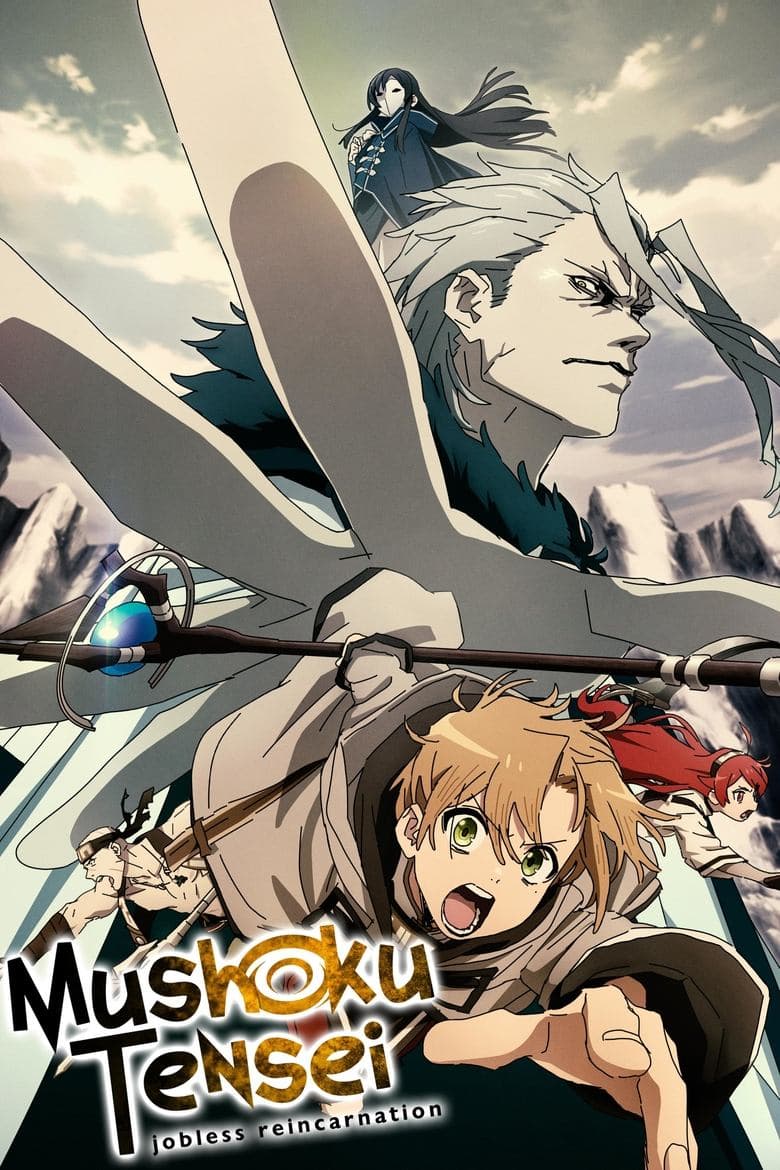
TV Show · 2021
When a 34-year-old underachiever gets run over by a truck, his story doesn't end there. Reincarnated in a new world as an infant, Rudy will seize every opportunity to live the…
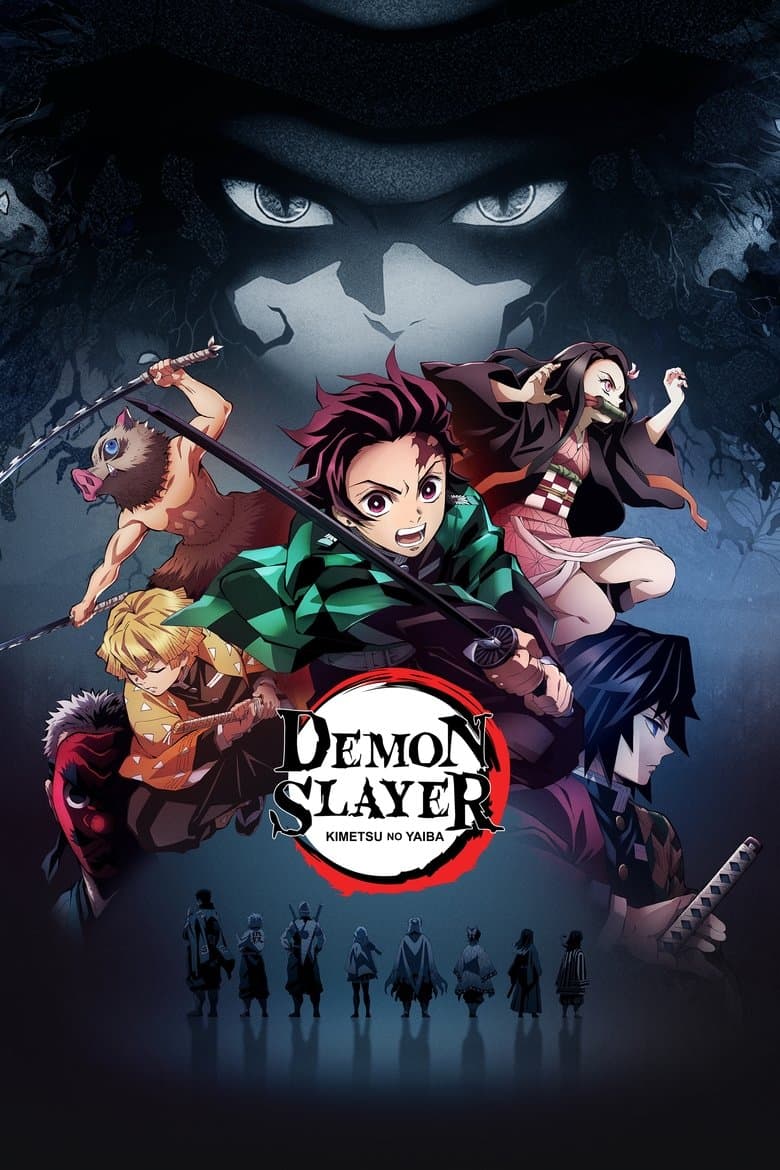
TV Show · 2019
After a demon attack leaves his family slain and his sister cursed, Tanjiro embarks upon a perilous journey to find a cure and avenge those he's lost.
TV Show · 2016
In a world where superheroes have been real for decades, an accountant with zero powers comes to realize his city is owned by a super villain.
