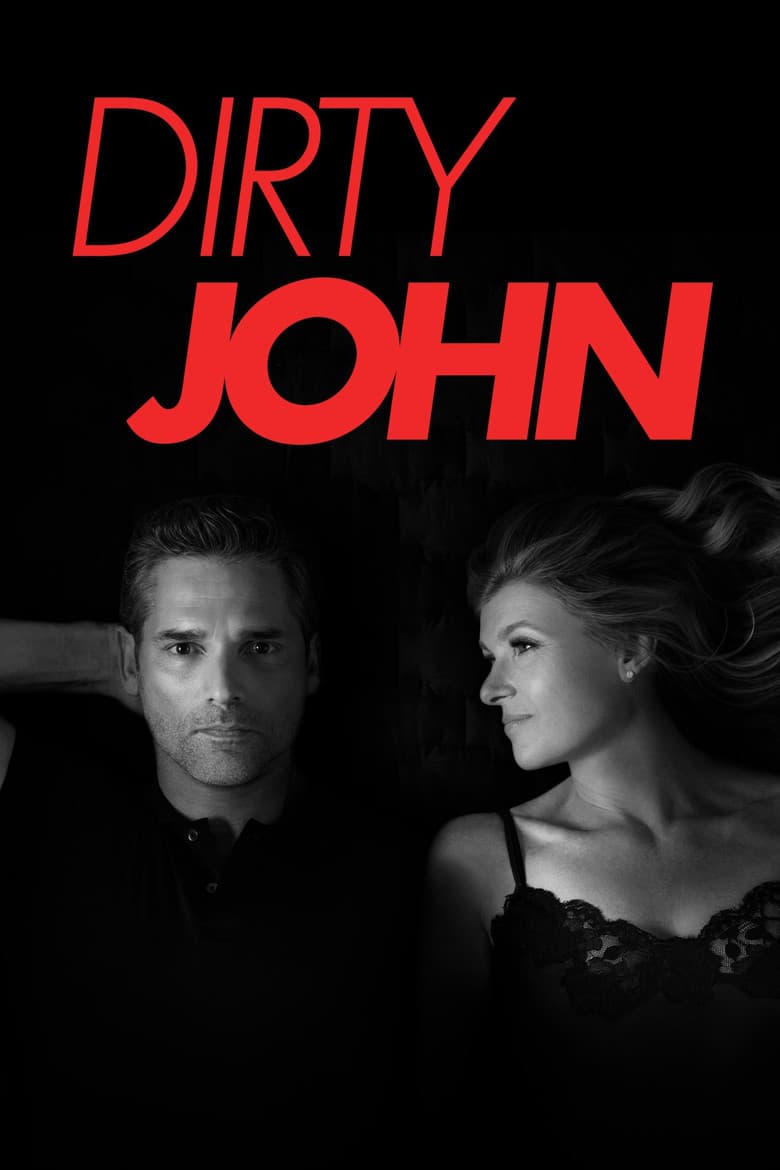
Started November 25, 2018 · Ended · Based on 2 seasons, 16 episodes through July 14, 2020 · TV-MA
Dirty John is a two-season true-crime drama about people who mistake danger for love. Season one follows Debra Newell, a wealthy Newport Beach interior designer, after she marries John Meehan, a charming man with a hidden criminal past. He lies, steals, stalks, and turns her family against itself before the marriage ends in violence. Season two follows Betty Broderick, a California wife and mother whose long marriage to lawyer Dan Broderick breaks apart after his affair and divorce fight. The tone is dark, tense, and sometimes melodramatic.
The clearest woke element is the show's focus on women harmed by male control and by social rules that tie a woman's worth to being a wife and mother. Season one shows police, courts, and other warning systems failing to protect women from John. Season two gives repeated attention to gaslighting, the unpaid work Betty did for Dan's career, and the way people dismiss her as crazy or angry. The show asks viewers to understand Betty's pain without excusing her murders, so its gender message is visible and important in the second season even though race, sexuality, and party politics are not central.
Community feedback
Was our 38% Woke rating accurate?
Breakdown
These are the editorial factors and ratings behind our score for Dirty John.
Woke representation / casting
Not present. The main actors portray white American people from the real cases. The supporting cast does not show a clear diversity-first pattern, and the lead choices fit the story world.
0%
Woke political dialogue
Season 2 includes a discussion of feminism and Gloria Steinem as Betty settles into the housewife role. A psychologist explains gaslighting and describes how women can be called crazy or angry to silence them. The dialogue links Dan's control of money and divorce tactics to Betty's loss of freedom. Season 1 mostly uses personal talk about deception, family, faith, and crime.
24%
Identity-driven story themes
Season 1 centers on women surviving a predatory man's lies, stalking, and violence. Season 2 makes gender roles a major thread as Betty puts her own work behind Dan's career and then loses money, status, and access to her children during the divorce. The story repeatedly asks viewers to see gaslighting and the word “crazy” as tools that hide harm to women. The show still holds Betty responsible for killing Dan and Linda, so the message is a sympathetic gender reading of a true crime story rather than a full activist program.
38%
Western institutional / cultural critique
Season 1 shows police, courts, and online dating systems failing to stop John after earlier crimes. Season 2 shows Dan using his legal power, money, and status to shape the divorce while Betty's unpaid home work has little value in court. The story presents traditional wife and mother expectations as part of Betty's collapse. These points recur across both seasons, but the show stays tied to two real crimes and does not attack Western culture in general.
34%
Woke character or canon changes
Not relevant. The series uses real people from two criminal cases and keeps their names, relationships, and backgrounds. No established character or real figure is changed to make an identity point.
0%
Anti-woke backlash and complaints
One IMDb viewer called season 2's sympathetic view of Betty a “pseudo-feminist” stance. That comment targets the show's gender message, but it is isolated and not a broad campaign. The separate X check found no anti-woke reaction.
4%
Creator track record context
Alexandra Cunningham's wider work is standard commercial TV drama, with no strong activist record in the supplied profile. Her interviews connect the show to women's safety, emotional abuse, and the social pressure placed on wives and mothers. Season 2 uses an all-female director team, and its coverage discusses a female viewpoint and diversity programs for directors. Connie Britton has mild women's-empowerment and Democratic activity, while writer Diana Son has a queer-centered writing background. The wider context is mild but not zero.
30%
Production
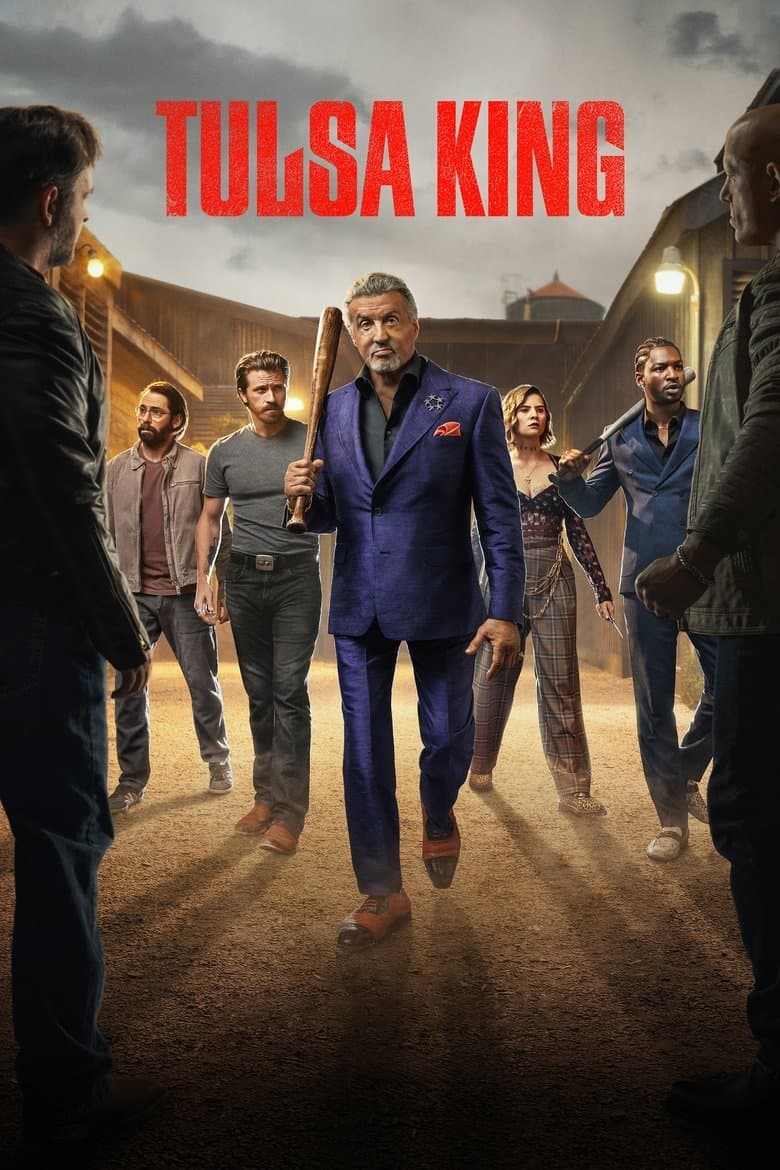
TV Show · 2022
New York mafia capo Dwight "The General" Manfredi is released from prison after 25 years and exiled by his boss to set up shop in Tulsa, Oklahoma.
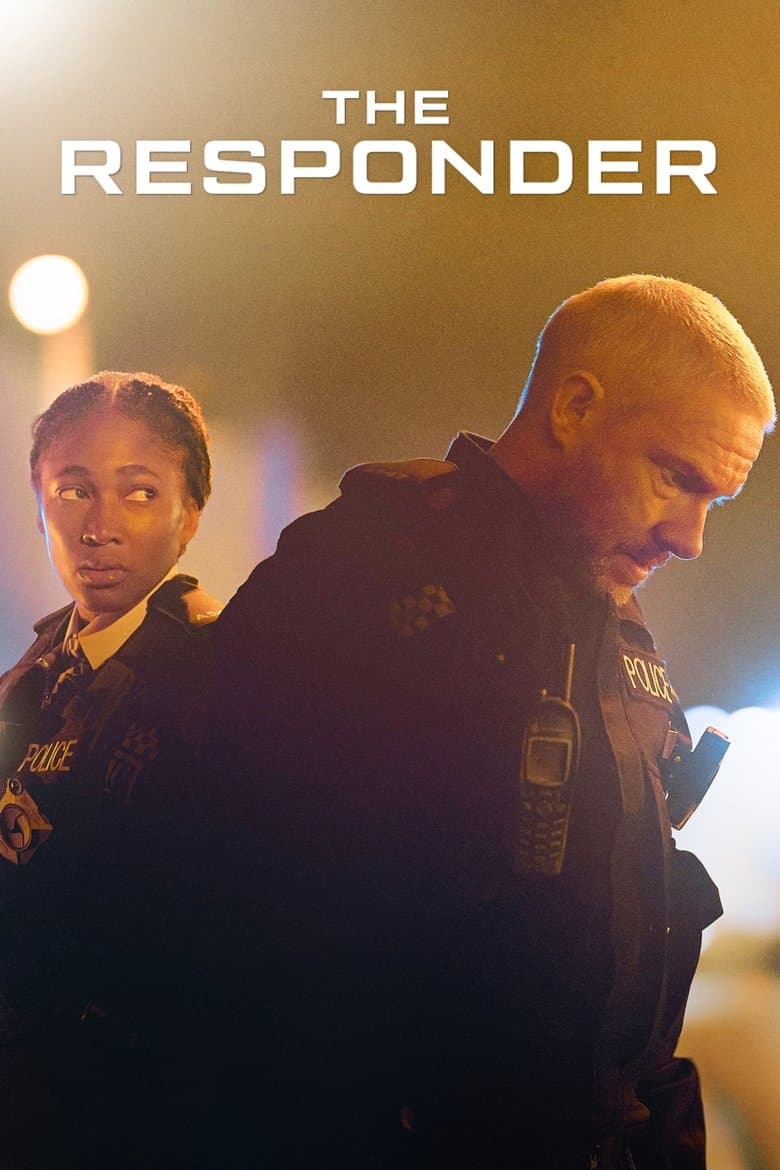
TV Show · 2022
Under pressure, fraying at the edges. In relentless night-time Liverpool, copper Chris is paired with a rookie. Will they save or destroy each other?

TV Show · 2018
The stranger-than-fiction account of a prison break in upstate New York in the summer of 2015, which spawned a massive manhunt for two convicted murderers who were aided in their…
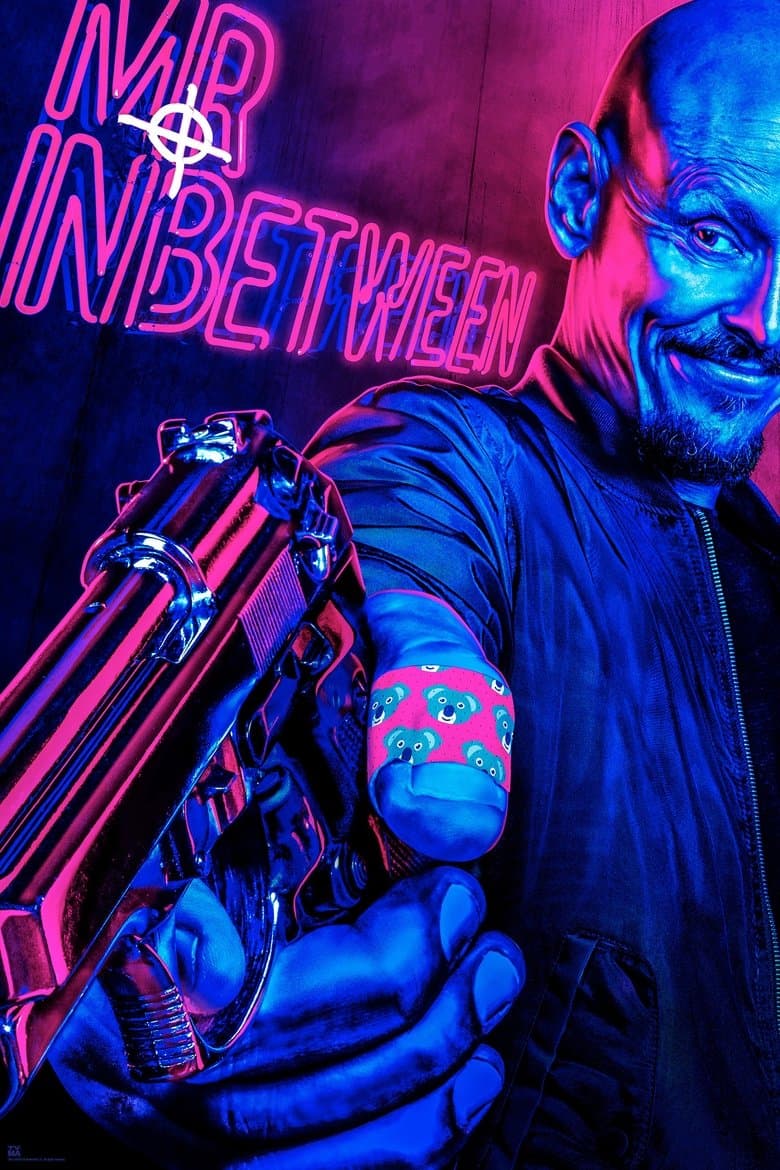
TV Show · 2018
Ray Shoesmith is a father, ex-husband, boyfriend and best friend: tough roles to juggle in the modern age. Even harder when you’re a criminal for hire.
TV Show · 2021
In a small Michigan town where the business of incarceration is the only thriving industry, the McClusky family are the power brokers between the police, criminals, inmates…

TV Show · 2016
17-year-old Joshua "J" Cody moves in with his freewheeling relatives in their Southern California beach town after his mother dies of a heroin overdose.
TV Show · 2019
Loosely based on infamous crime boss Bumpy Johnson, who in the early 1960s returned from ten years in prison to find the neighborhood he once ruled in shambles.
TV Show · 2026
Wrongfully imprisoned for murdering his own son, a father sets out on a desperate rescue mission after learning the boy may still be alive.
