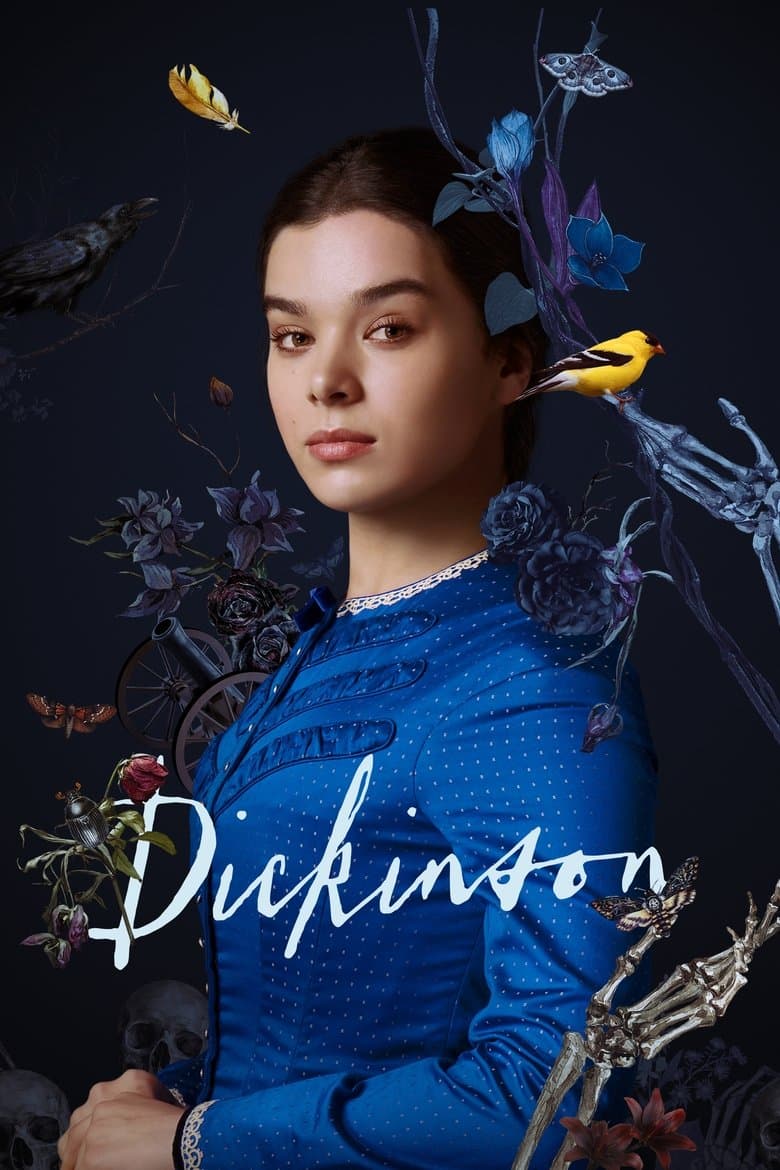
Started November 1, 2019 · Ended · Based on 3 seasons, 30 episodes through December 23, 2021 · TV-14
This period comedy-drama follows a fictional, modern-minded young Emily Dickinson as she rebels against her family and mid-19th-century social rules to write poetry. She faces strict gender roles that limit women, and she has an ongoing romantic relationship with her best friend and sister-in-law, Sue. The series highly features strong feminist themes, queer romance, and modern identity politics. Modern activist-style critiques also heavily shape storylines about slavery, racial inequality, and traditional marriage.
Community feedback
Was our 99% Woke rating accurate?
Breakdown
These are the editorial factors and ratings behind our score for Dickinson.
Woke representation / casting
The series deliberately uses modern casting goals, putting diverse and LGBTQ+ actors into a 19th-century setting. Instead of historical realism, the casting focuses on representation. It features prominent black actors like Chinaza Uche, Amanda Warren, and Ayo Edebiri in major roles with dedicated subplots. The casting also highlights queer representation, centering the story on the romance between Emily and Sue. Guest stars like comedian Ziwe playing Sojourner Truth further show the focus on modern diversity goals.
80%
Woke political dialogue
The dialogue is highly modern and filled with current activist phrasing. Characters openly use terms like 'woke' and talk about gender roles, patriarchy, and female oppression using modern left-wing ideas. Emily and her friends regularly fight traditional rules with lines that sound like modern-day feminist or social-justice slogans. The show rejects old-fashioned speech in favor of modern political talk to link 19th-century struggles with today's political debates.
Production
85%
Identity-driven story themes
Identity politics and queer romance are the main parts of the plot. The main story centers on the passionate romantic relationship between Emily and her sister-in-law Sue. It explores themes of hidden sexual identity, fluid attraction, and gender nonconformity. Alongside this, the show explores black identity and struggle through the stories of Henry and Betty, who run a secret abolitionist paper. The show uses its characters to explore modern ideas of feminism and LGBTQ+ liberation.
95%
Western institutional / cultural critique
The series heavily critiques traditional Western social structures. It portrays 19th-century family life, Christian values, and traditional marriage as toxic and repressive. Traditional gender roles are shown as highly flawed, and housework is ridiculed. Emily’s father represents patriarchal control and male entitlement, while her brother's traditional marriage is shown as a deeply unhappy prison. The show frames these historic settings to attack traditional conservative family norms.
80%
Woke character or canon changes
The show radically changes historical figures to fit modern political and social-justice goals. It reimagines Emily Dickinson not as a quiet, private, and religious 19th-century woman, but as a bold, Gen-Z-style feminist rebel who fights the system. Her debated relationship with Sue is turned into an explicit, highly modernized lesbian romance. Other historical figures, such as Walt Whitman and Sojourner Truth, are rewritten to emphasize modern queer and activist identities.
90%
Anti-woke backlash and complaints
Traditional viewers and conservative critics directed notable backlash at the show, calling it woke revisionism. Online complaints criticized the series for injecting modern identity politics, explicit queer themes, and Gen-Z dialogue into the life of a historical poet. Critics argued the show was cringey and disrespectful, calling the inclusion of feminist slogans, modern race politics, and hip-hop music forced pandering.
60%
Creator track record context
The key creative team has a strong history of making woke, feminist, and identity-focused content. Creator Alena Smith (Woke score 80) is known for centering queer stories and feminist critiques. She is joined by writer Ziwe (Woke score 95), famous for her race-conscious comedy, and Darlene Hunt (Woke score 65), who focuses on feminist dramas. Key producers like Lynn Nottage (Woke score 90) also have strong backgrounds in promoting social-justice stories.
70%
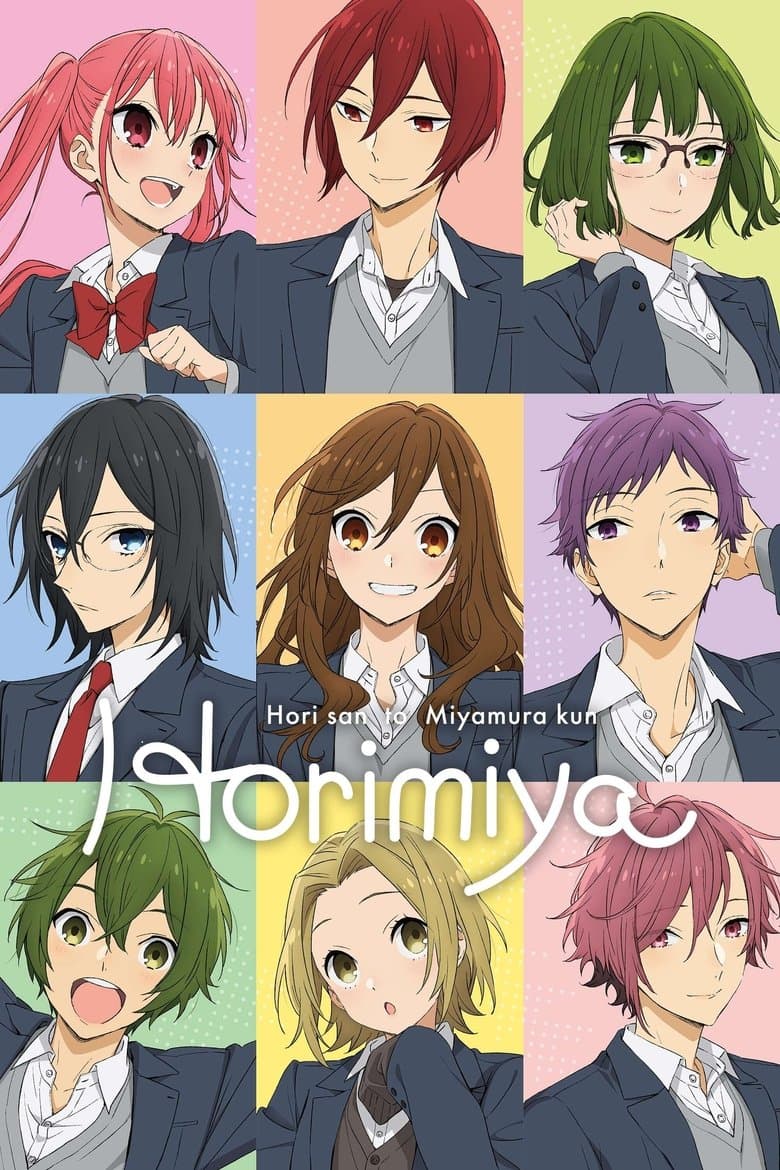
TV Show · 2021
A secret life is the one thing they have in common. At school, Hori is a prim and perfect social butterfly, but the truth is she's a brash homebody.

TV Show · 2022
In disguise as her friend, Ha-ri shows up to a blind date to scare him away. But plans go awry when he turns out to be her CEO — and makes a proposal.
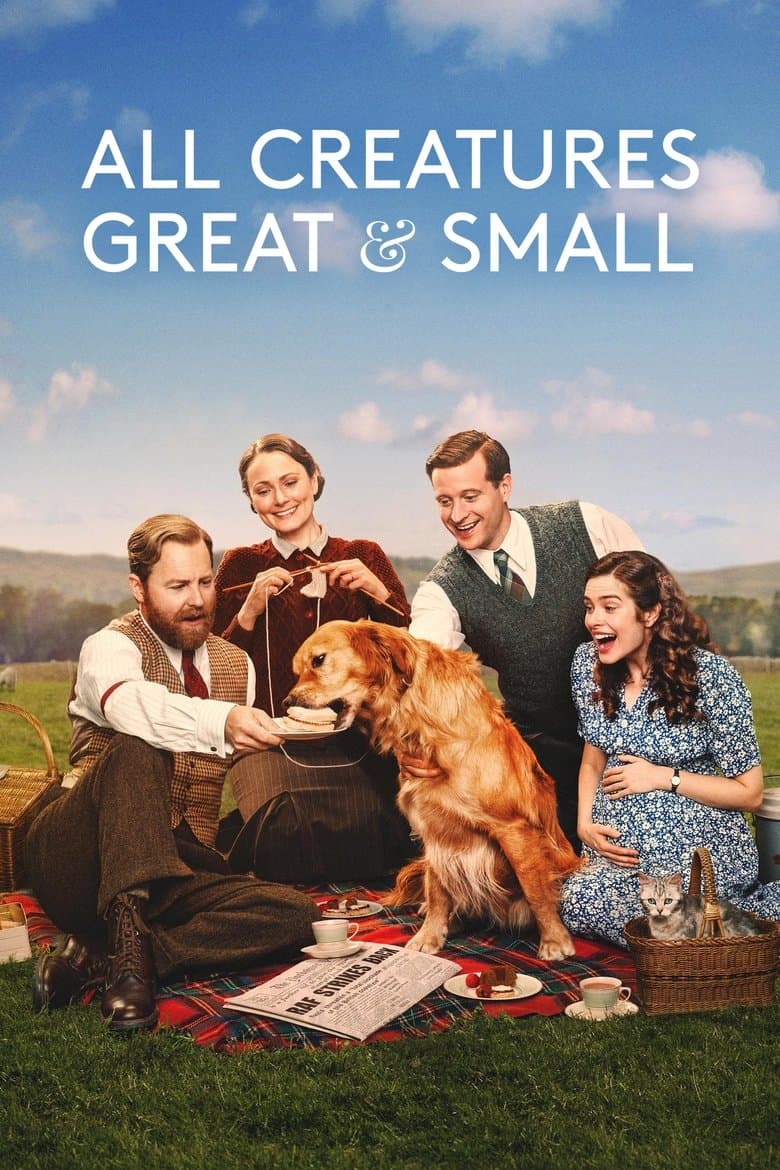
TV Show · 2020
The heartwarming and humorous adventures of a young country vet in the Yorkshire Dales in the 1930s. A remake of the 1978 series.
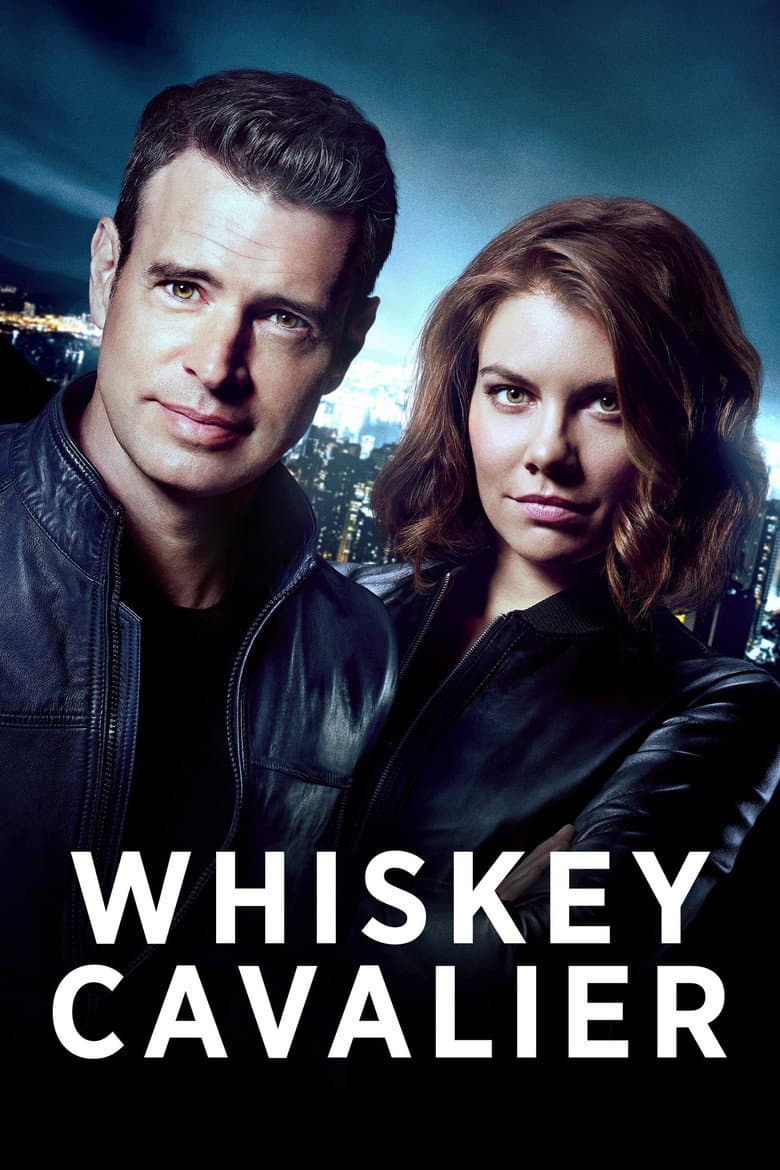
TV Show · 2019
Following an emotional breakup, tough but tender FBI super-agent Will Chase (codename: “Whiskey Cavalier”) is assigned to work with badass CIA operative Frankie Trowbridge…
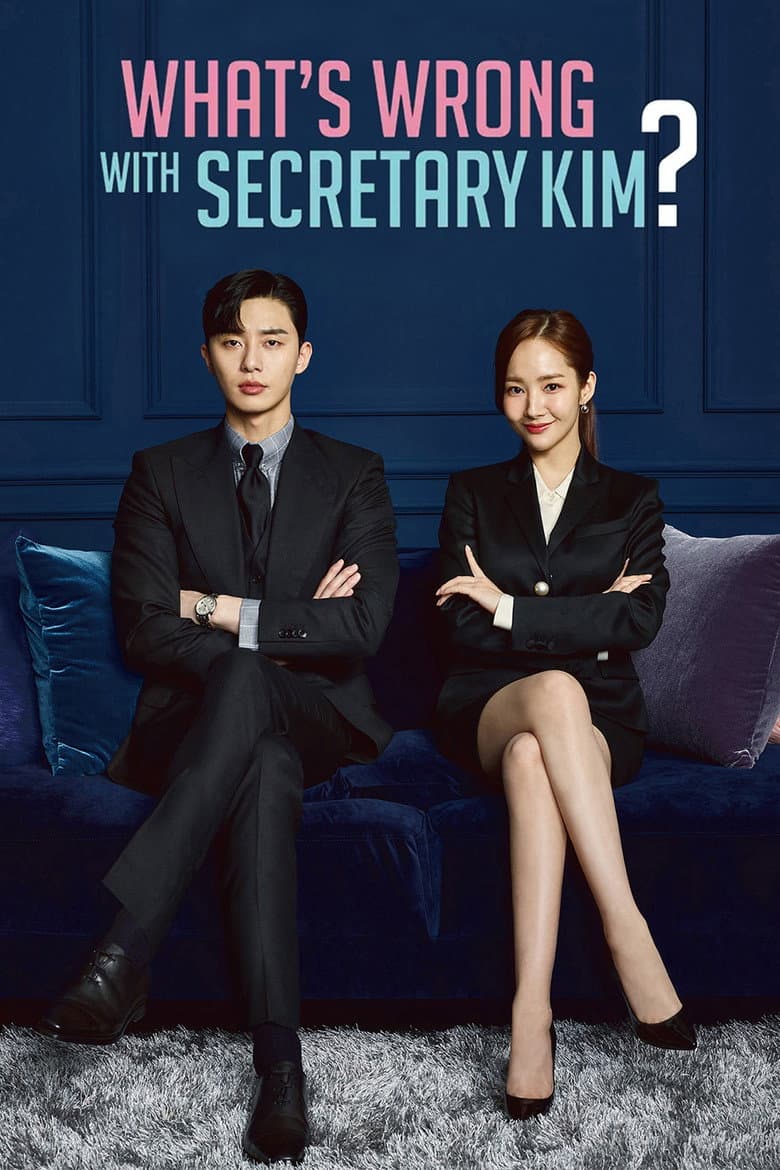
TV Show · 2018
When his secretary unexpectedly quits, an arrogant executive will do anything to bring her back.
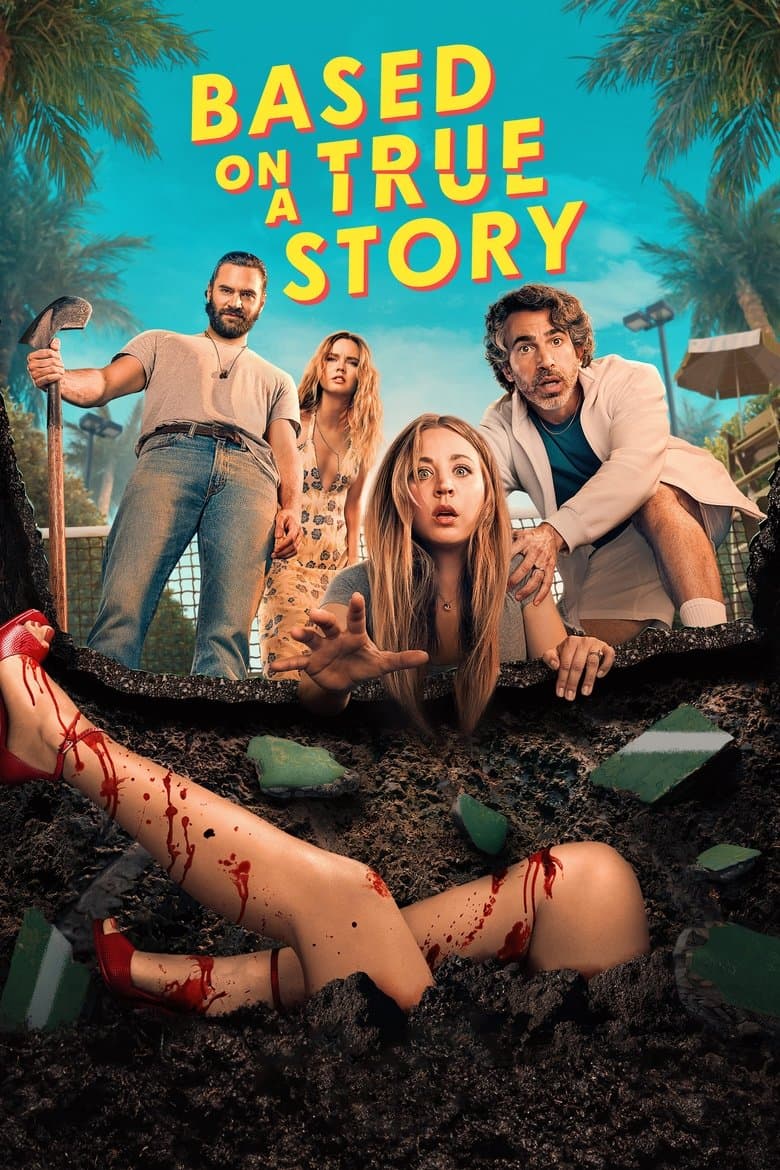
TV Show · 2023
The lives of a realtor, a plumber and a former tennis star unexpectedly collide, exposing America’s obsession with true crime, murder and the slow-close toilet seat.
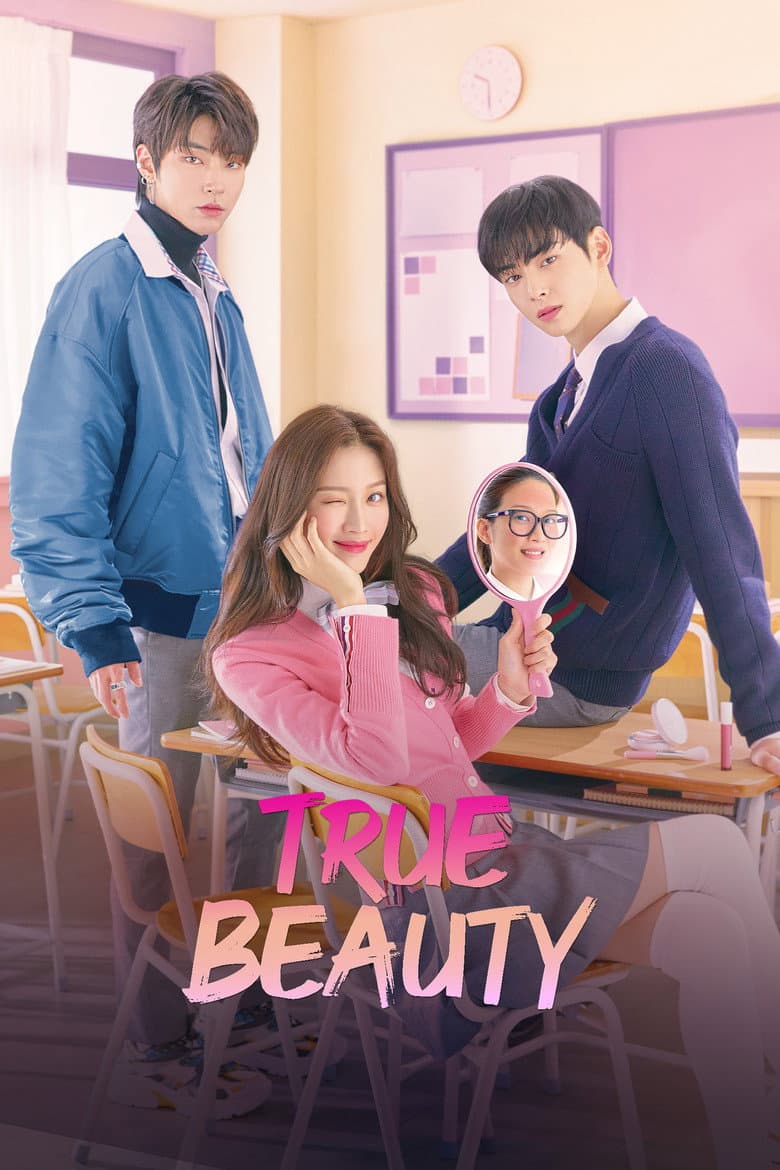
TV Show · 2020
After being bullied and discriminated because of her ugly looks, a high school girl transforms herself into a gorgeous "goddess" and quickly rises to fame after mastering the art…
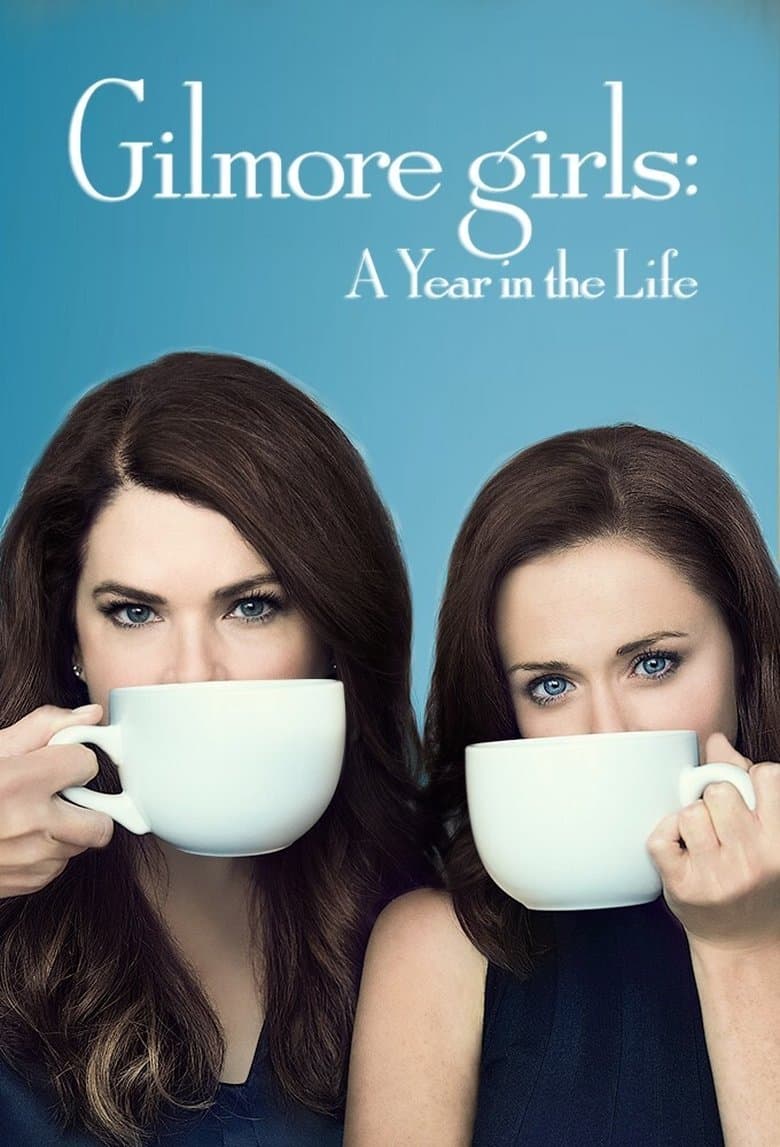
TV Show · 2016
Set nearly a decade after the finale of the original series, this revival follows Lorelai, Rory and Emily Gilmore through four seasons of change.
