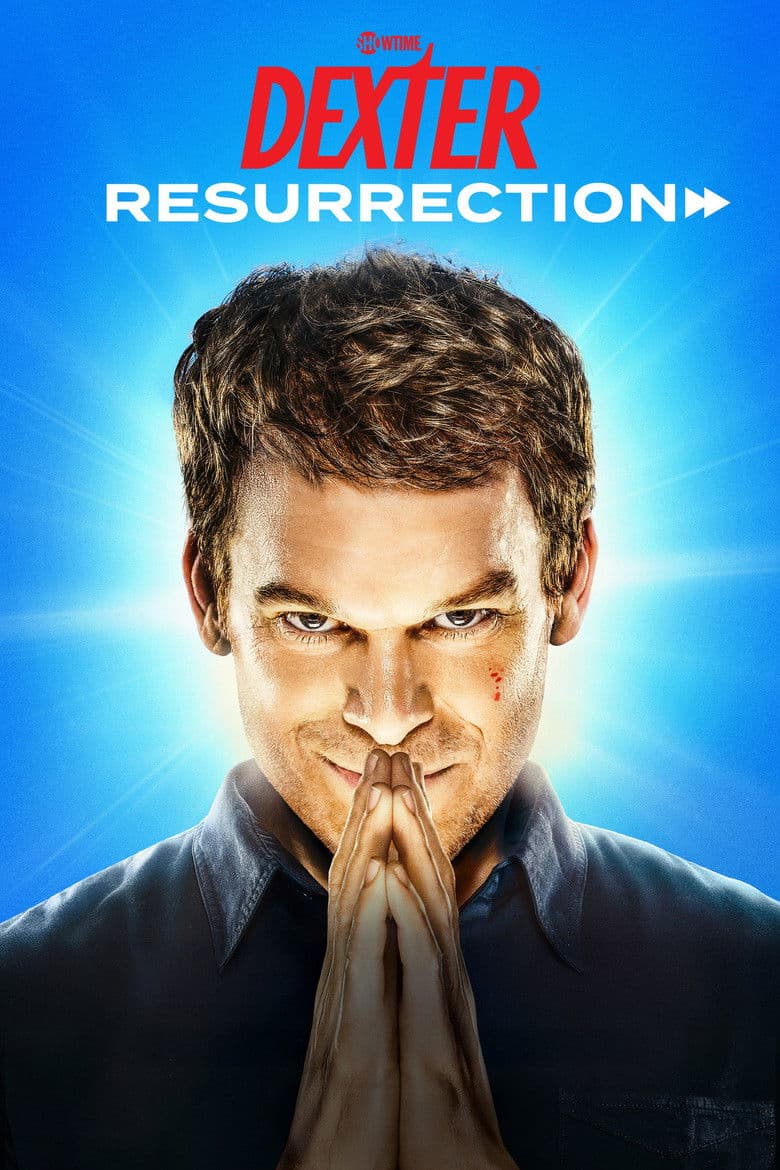
Started July 13, 2025 · Returning Series · Based on 1 season, 10 episodes through September 7, 2025 · TV-MA
After surviving his son's gunshot at the end of New Blood, Dexter wakes from a coma and follows Harrison to New York City. Angel Batista closes in from Miami while Dexter rebuilds a life with rideshare work and a secret society of serial killers led by billionaire Leon Prater. Father and son try to manage their shared Dark Passenger without destroying each other. Season 1 is a ten episode crime and mystery father-son thriller that ran from July 11 to September 5, 2025.
The main story is still about code, guilt, fatherhood, and serial killer intrigue, not identity politics. Viewers can see a mixed New York cast, Blessing Kamara and his family as warm allies, and Claudette Wallace as a skilled detective whose neurodivergence is treated like an investigative strength. Peter Dinklage plays the rich villain, and the show includes disabled extras and access details tied to the showrunner. An incidental same-sex couple appears at Harrison's hotel, and there is almost no activist speech. Police act as competent antagonists rather than pure institutional villains, and established characters are not rewritten for race, gender, or sexuality.
Community feedback
Was our 34% Woke rating accurate?
Breakdown
These are the editorial factors and ratings behind our score for Dexter: Resurrection.
Woke representation / casting
Modern New York supports a mixed ensemble, and the inclusion is deliberate and easy to see. Blessing Kamara and his family are major warm allies, and Claudette Wallace is a highly skilled neurodivergent-coded female detective. Peter Dinklage plays the season’s billionaire villain, and the showrunner pushes disabled extras and access details. An incidental same-sex couple appears at Harrison’s hotel, and this goes beyond pure random casting without rewriting Dexter or the core legacy leads.
34%
Woke political dialogue
There is almost no activist speech in the show. The core talk is about code, guilt, fatherhood, and police procedure. A few isolated lines about race and light access or ableism talk around Prater’s world do not add up to steady political messaging.
8%
Identity-driven story themes
The main engine is father-son repair, serial-killer club intrigue, and Batista’s hunt, not identity politics. Secondary signals include Claudette’s neurodivergence treated as an investigative superpower, on-screen ableism and access details, and Mia’s media myth about women killers as noble crusaders, which she subverts. Confirmed incidental LGBTQ presence adds modest weight, and there is no queer-centered arc.
26%
Western institutional / cultural critique
Prater’s rich serial-killer salon and a killer bitter about rideshare apps ruining cab work are genre beats about corruption and modern life. They are not a broad attack on capitalism, whiteness, patriarchy, or Christianity. Police act as competent antagonists, not pure institutional villains.
16%
Woke character or canon changes
Not present in this title.
0%
Anti-woke backlash and complaints
Not present. No meaningful anti-woke campaign found.
0%
Creator track record context
Showrunner Clyde Phillips has a long public push for disabled casting, disabled writers, crowd inclusion, and on-screen ableism talk that matches this series. Episode director Monica Raymund has visible LGBTQ advocacy, but this is not her queer-themed project. Other key names score lower, so the overall creator context is mild to moderate and lines up with disability inclusion rather than a queer- or race-first reboot.
33%
Production
TV Show · 2018
After his daughter goes missing, a widower begins uncovering the dark secrets of the people closest to him.
TV Show · 2020
A family's lives are irreparably disrupted when the 14-year-old son is accused of murdering a fellow classmate.
TV Show · 2026
Ben Reilly, an aging and down on his luck private investigator in 1930s New York, is forced to grapple with his past life as the city's one and only superhero.
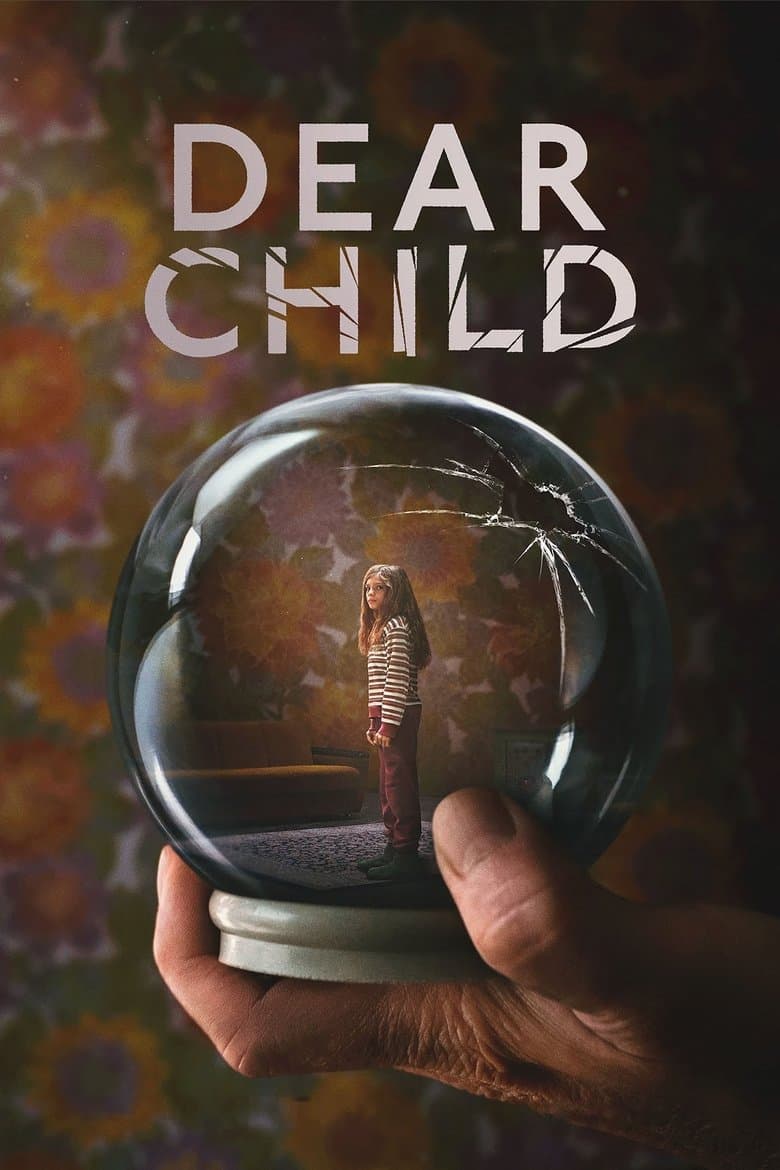
TV Show · 2023
A mysterious woman's escape from her harrowing captivity points investigators toward the dark truth behind an unsolved disappearance 13 years earlier.
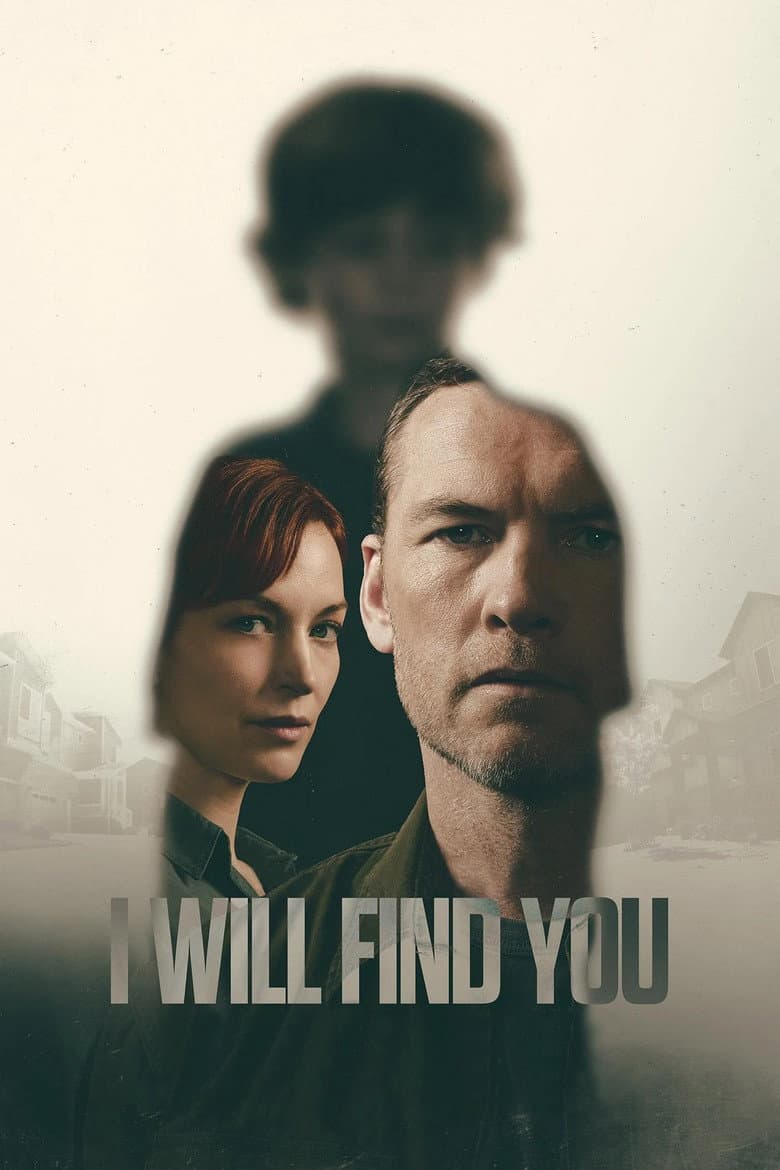
TV Show · 2026
Wrongfully imprisoned for murdering his own son, a father sets out on a desperate rescue mission after learning the boy may still be alive.
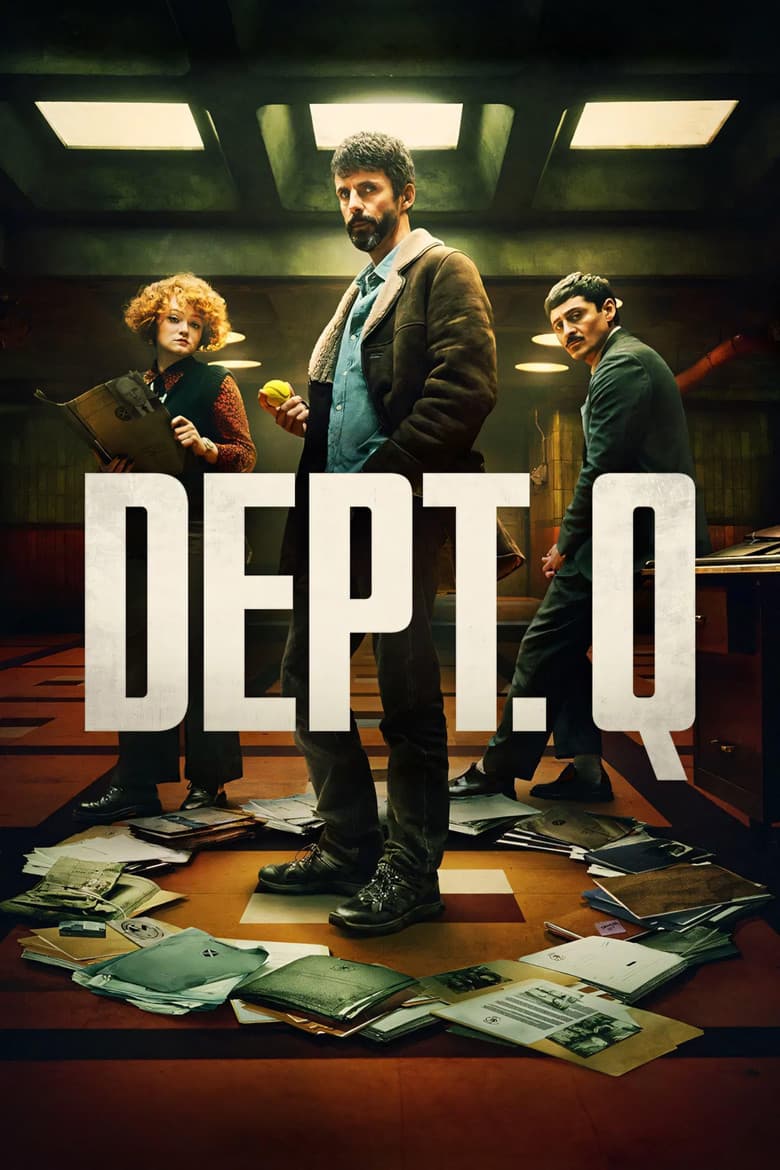
TV Show · 2025
A brash but brilliant cop becomes head of a new police department, where he leads an unlikely team of misfits in solving Edinburgh's cold cases.
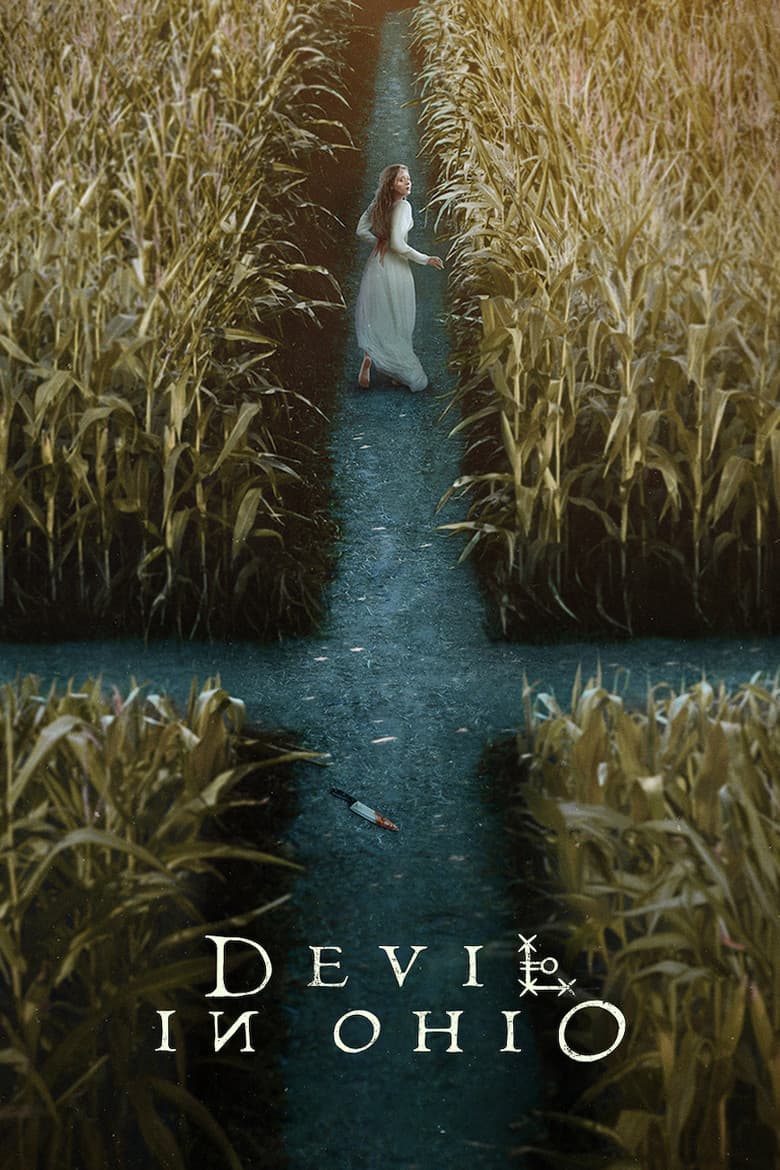
TV Show · 2022
Determined to protect a young patient who escaped a mysterious cult, a psychiatrist takes the girl in, putting her own family — and life — in danger.
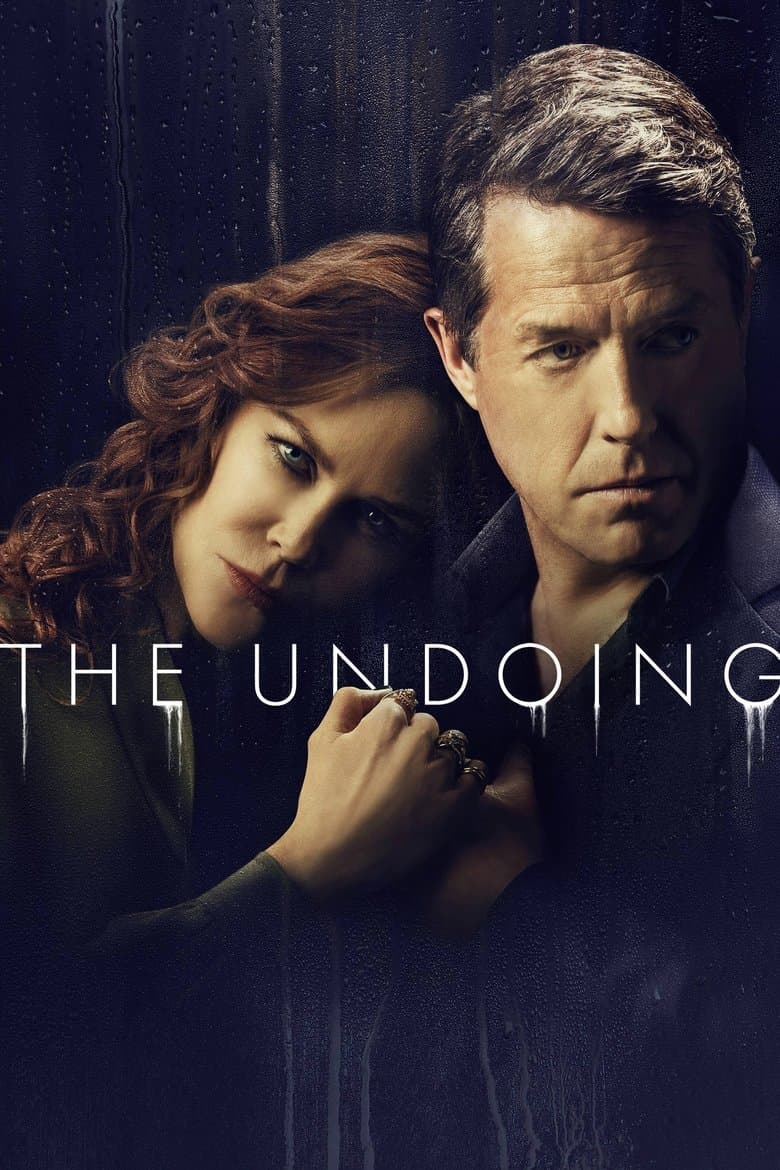
TV Show · 2020
Grace and Jonathan Fraser are living the only lives they ever wanted. Overnight a chasm opens in their lives: a violent death and a chain of terrible revelations.
