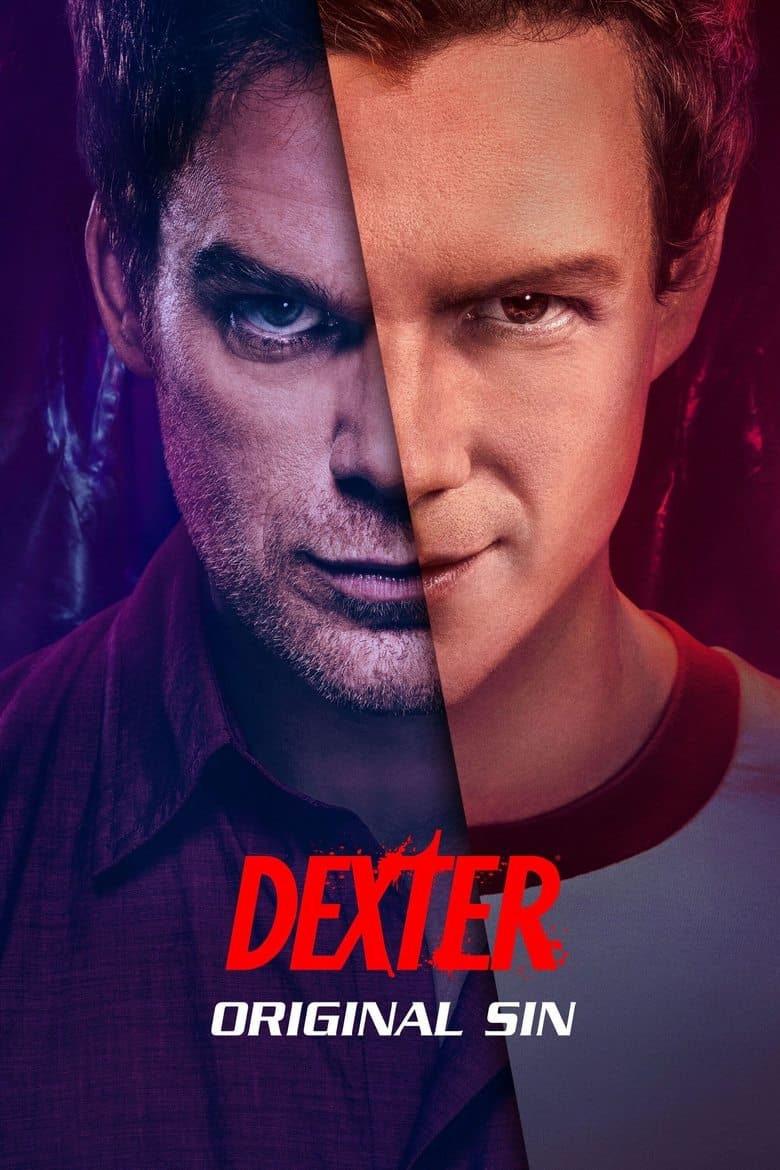
Started December 15, 2024 · Canceled · Based on 1 season, 10 episodes through February 16, 2025 · TV-MA
In 1991 Miami, 20-year-old Dexter Morgan starts a forensics internship at Miami Metro Police while his adoptive father Harry teaches him to control his urge to kill by following a strict "Code" that targets only criminals who escape justice. The season covers Dexter's first kills, the backstory of his biological mother's murder by a cartel, family tensions with sister Deb, and a police case involving a kidnapper targeting officials' children. A supporting recurring character is a closeted gay black police officer who confides in Dexter, and marketing plus credits highlight young Maria LaGuerta as the department's first female homicide detective.
Community feedback
Was our 32% Woke rating accurate?
Breakdown
These are the editorial factors and ratings behind our score for Dexter: Original Sin.
Woke representation / casting
Prominent recast of Maria LaGuerta (Christina Milian, Afro-Cuban actress) is repeatedly marketed and described as Miami Metro's "first female homicide detective" in the 1991 setting. Recurring supporting character Clark Sanders is a closeted gay African-American officer with dedicated scenes about hiding his sexuality and era-specific stigma (including a blood donation request tied to gay partners). Other young versions of Latino and Asian characters align with original ethnicities. Diversity is audience-visible in key supporting roles and fits the period story world without dominant modern quota signaling or mismatches in core characters.
30%
Woke political dialogue
No noticeable modern activist, identity-based, or left-wing political lectures or dialogue. Conversations center on personal ethics of the Code, family trauma, police work, and individual moral choices.
5%
Identity-driven story themes
Main arcs focus on personal childhood trauma from witnessing his mother's cartel murder, family dynamics and "sins of the parents," and Dexter developing his vigilante Code. A supporting LGBTQ storyline for Clark Sanders (closeted identity, professional risks in 1991, and related practical fears) receives recurring screen time and character development. Themes stay rooted in individual psychology and family legacy rather than race, gender, or systemic identity politics as central drivers.
25%
Western institutional / cultural critique
Harry's Code and Dexter's kills highlight failures in the criminal justice system where "bad guys" evade consequences. This is framed as personal, trauma-driven vigilantism from the 1970s-80s events and family protection, not reframed as modern critiques of capitalism, patriarchy, whiteness, colonialism, or institutional power structures. Standard police department rivalries and bureaucracy appear without activist overlay.
15%
Woke character or canon changes
Minor fan-noted continuity adjustments to timelines, ages, or details from the original series. No identity-driven, DEI-motivated, or representation-first alterations to established characters, canon, source material, or real figures. Young versions generally preserve original ethnic and core traits.
8%
Anti-woke backlash and complaints
Very limited and fringe. A small number of isolated online comments flagged the gay subplot or certain casting choices as "too woke," but there was no significant social media wave, news coverage, or sustained criticism treating the title as pushing woke, DEI, or activist content. Most discussion stayed on nostalgia, recast quality, story value, and cancellation disappointment.
8%
Creator track record context
Key contributors include Clyde Phillips (cached 33/100 with public support for inclusive disabled casting) and Monica Raymund (openly bisexual with LGBTQ visibility advocacy and projects). Writer Safura Fadavi participated in black Women Who Brunch, a group focused on racial representation for black female TV writers. Most other writers and producers show low or no documented activist or identity-driven public patterns per cached and researched profiles. Overall mild industry-typical signals without a dominant identity-politics creative core.
24%
Production
TV Show · 2020
Grace and Jonathan Fraser are living the only lives they ever wanted. Overnight a chasm opens in their lives: a violent death and a chain of terrible revelations.
TV Show · 2017
A war veteran turned private detective operates out of a tiny office in London’s Denmark Street. Although wounded both physically and psychologically, his unique insight and…
TV Show · 2021
A detective in a small Pennsylvania town investigates a local murder while trying to keep her life from falling apart.
TV Show · 2026
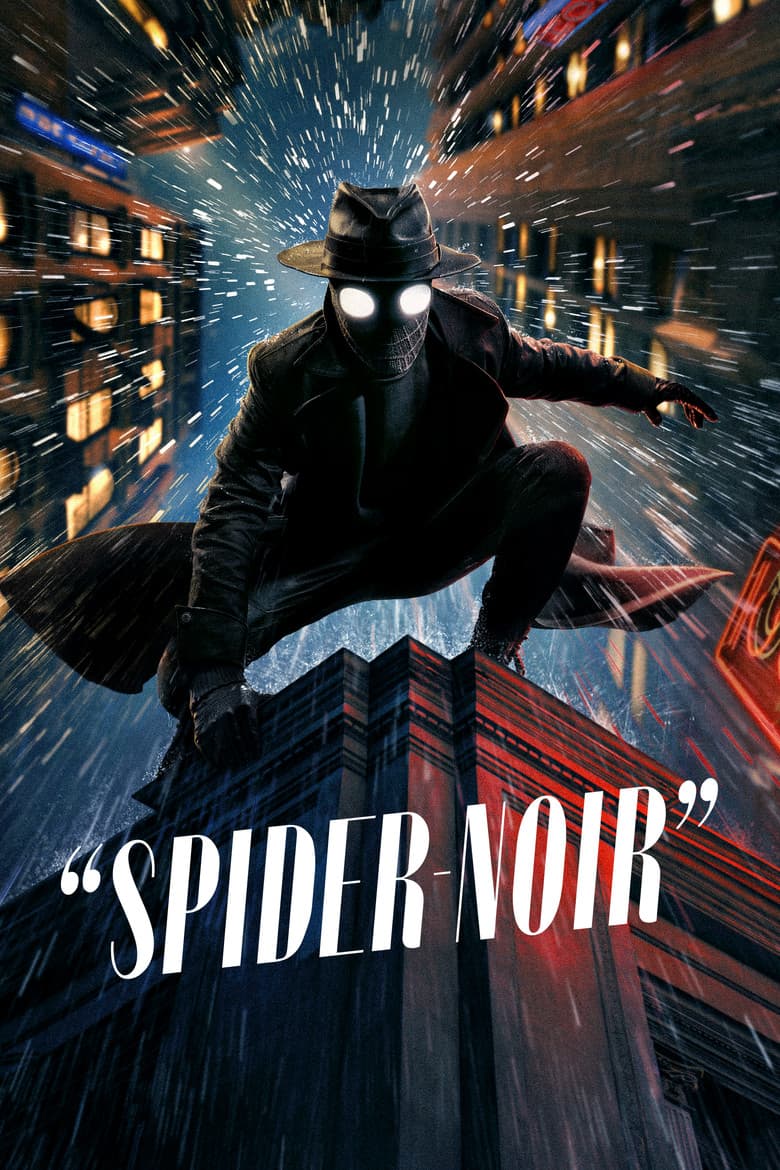
Ben Reilly, an aging and down on his luck private investigator in 1930s New York, is forced to grapple with his past life as the city's one and only superhero.

TV Show · 2020
Zoe Walker leaves her quiet life behind to investigate her brother's disappearance in Ibiza, where she quickly heads down a decadent and dangerous path.
TV Show · 2026
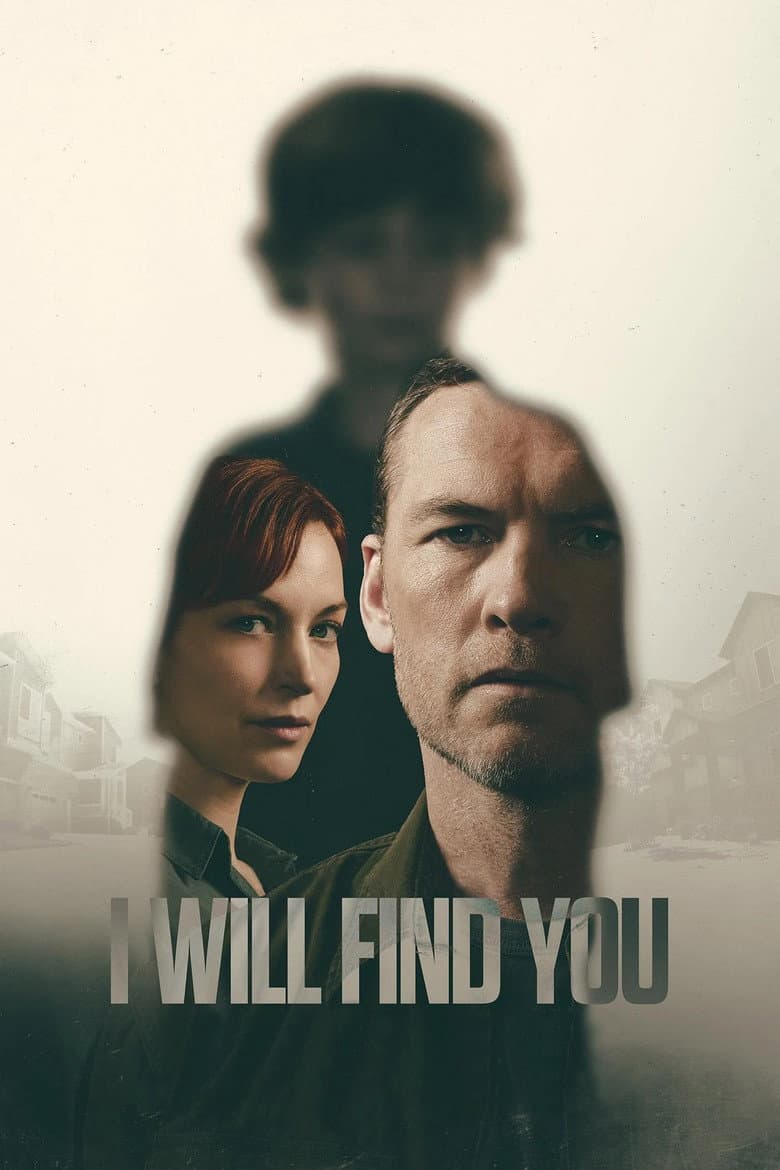
Wrongfully imprisoned for murdering his own son, a father sets out on a desperate rescue mission after learning the boy may still be alive.
TV Show · 2022
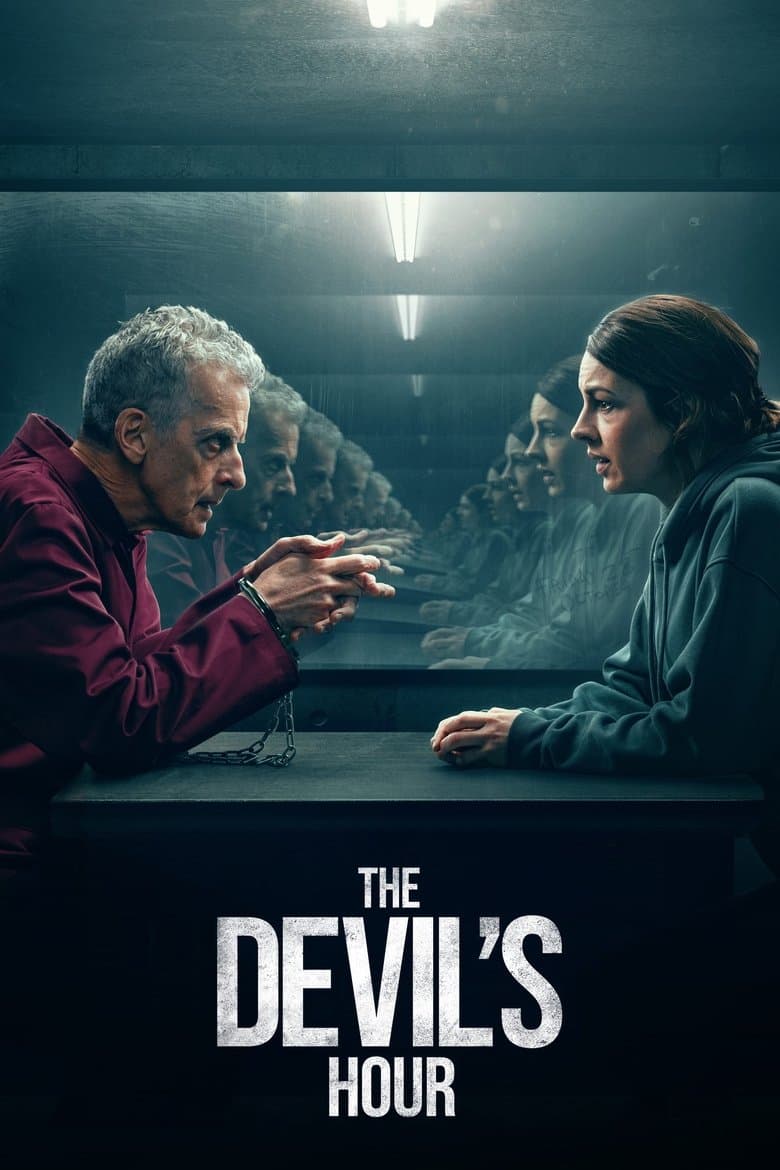
Lucy wakes every night at exactly 3:33am. Nothing in her life has made sense for a long time. But the answers are out there, somewhere, at the end of a trail of brutal murders.
TV Show · 2023
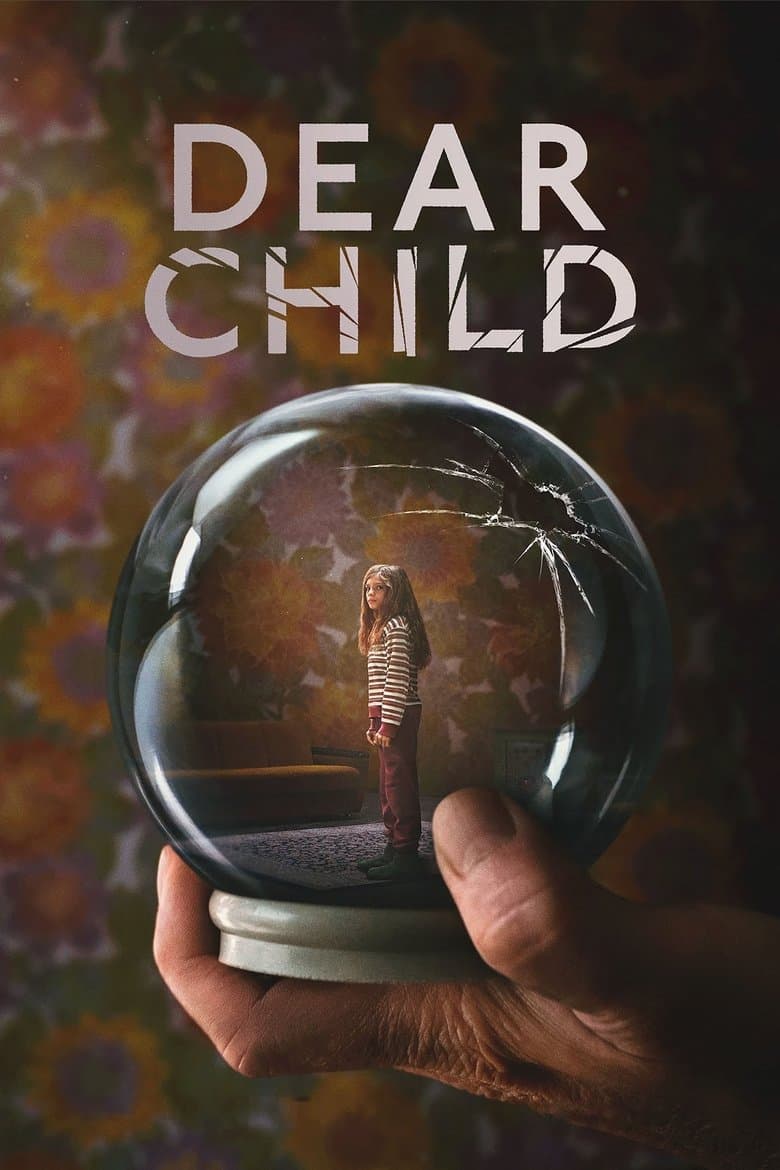
A mysterious woman's escape from her harrowing captivity points investigators toward the dark truth behind an unsolved disappearance 13 years earlier.
