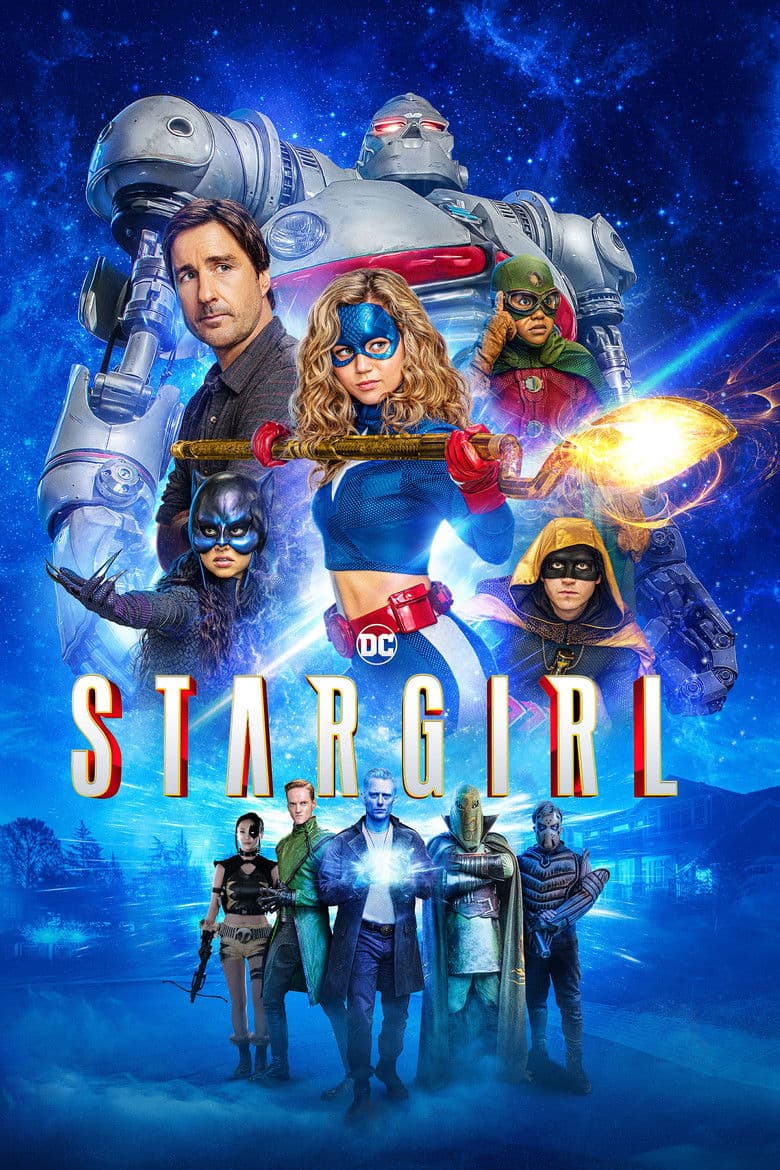
Started May 18, 2020 · Canceled · Based on 3 seasons, 39 episodes through December 7, 2022 · TV-14 · 43 min
DC's Stargirl follows high school student Courtney Whitmore who finds a powerful cosmic staff and forms a new team of young heroes to revive the Justice Society of America. She works with her stepfather Pat and friends to fight villains over three seasons. Later seasons add a canonically gay superhero and feature prominent Latina and black teen heroes on the core team.
Community feedback
Was our 46% Woke rating accurate?
Breakdown
These are the editorial factors and ratings behind our score for DC's Stargirl.
Woke representation / casting
Prominent Latina and black female heroes form core of the new team alongside the white lead. Black teen Jakeem joins. A canon gay superhero appears in season 3. Diversity is visible but fits a modern high school setting without obvious quota signaling or story mismatch.
35%
Woke political dialogue
Stories focus on hero vs villain action and teen life. One passing reference to toxic masculinity by a supporting character. No extended political speeches or activist messaging.
15%
Production
Identity-driven story themes
Core story is legacy heroes and friendship. LGBTQ character Obsidian and mixed-race team add identity elements, especially in later seasons. Themes stay mostly classic superhero.
42%
Western institutional / cultural critique
Villains are individual criminals and old supervillains. No reframing of institutions as systems of oppression or modern social critiques.
0%
Woke character or canon changes
Obsidian (Todd Rice) is included as a gay character consistent with comics. Some JSA legacy roles use standard comic adaptations or new teen versions. No major identity-driven reimaginings of established figures.
12%
Anti-woke backlash and complaints
Very limited viewer comments note the show as an exception to other "woke" CW programming. Occasional jokes about the gay character. No major campaigns or news stories.
10%
Creator track record context
Producer Greg Berlanti has a strong record pushing LGBTQ representation across projects. Other key creatives like Geoff Johns show little activist history. The series itself stays lighter than typical Berlanti output.
46%
TV Show · 2019
Iwatani Naofumi, a run-of-the-mill otaku, finds a book in the library that summons him to another world. He is tasked with joining the sword, spear, and bow as one of the Four…
TV Show · 2021
On a perilous adventure across a post-apocalyptic world, a lovable boy who's half-human and half-deer searches for a new beginning with a gruff protector.
TV Show · 2023
A girl with extraordinary psychic abilities joins two gifted teen boys at a small ghost-hunting agency to fight the many deadly spirits haunting London.
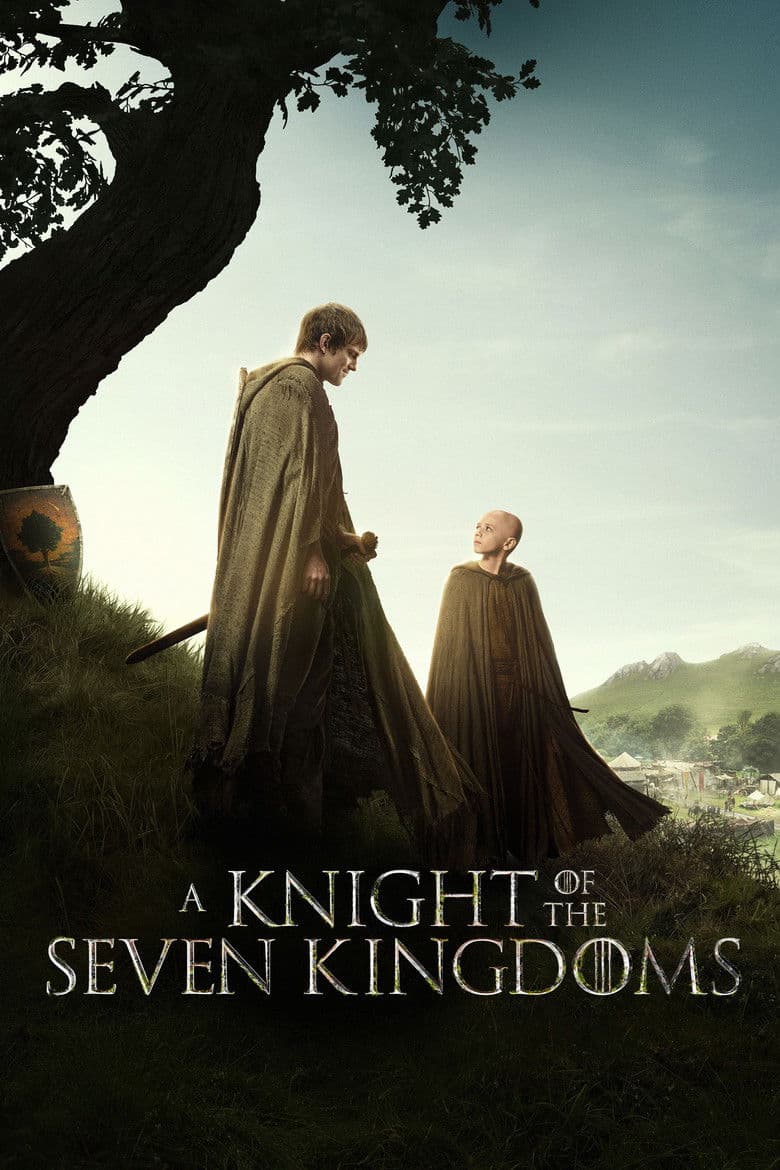
TV Show · 2026
A century before the events of Game of Thrones, two unlikely heroes wandered Westeros: a young, naive but courageous knight, Ser Duncan the Tall, and his diminutive squire, Egg.
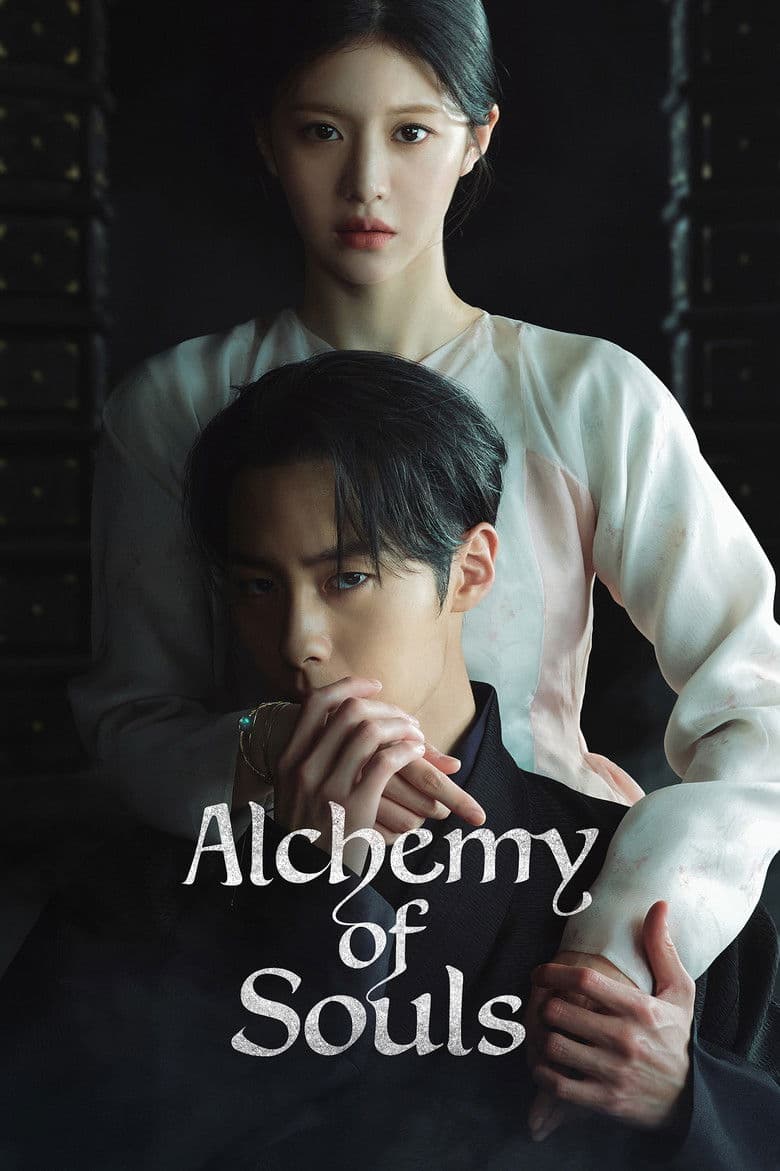
TV Show · 2022
A powerful sorceress in a blind woman's body encounters a man from a prestigious family, who wants her help to change his destiny.
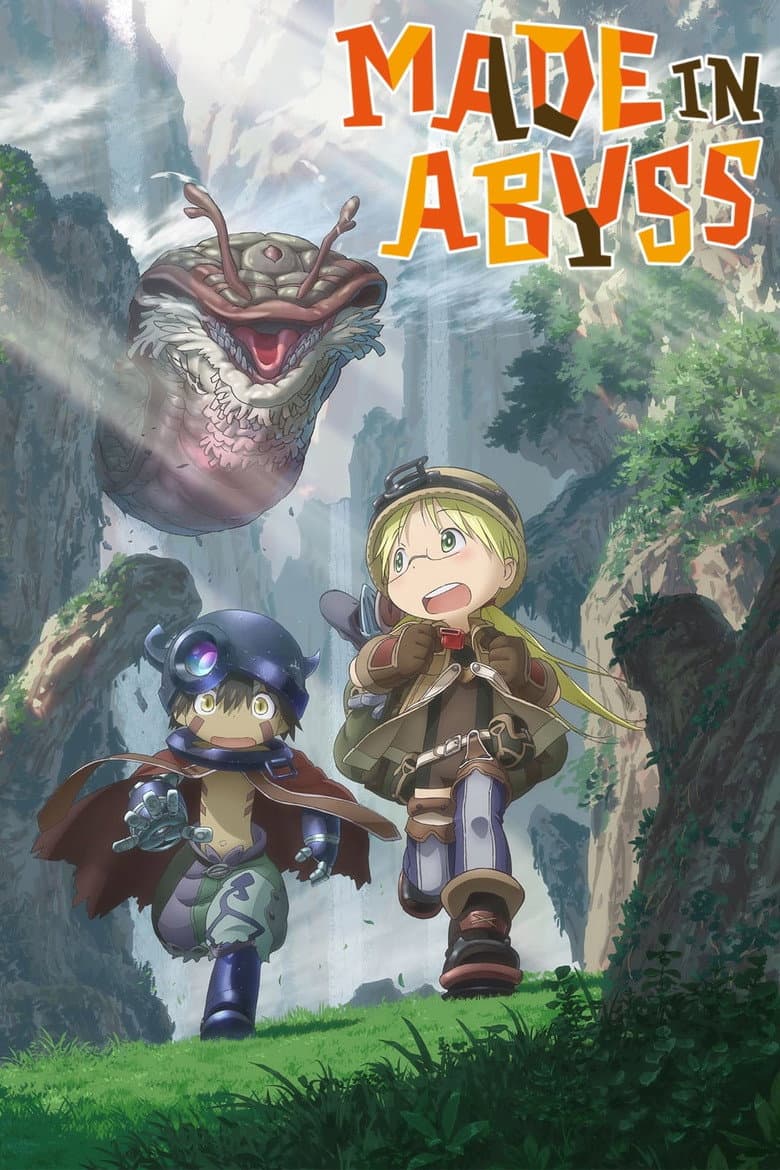
TV Show · 2017
Located in the center of a remote island, the Abyss is the last unexplored region, a huge and treacherous fathomless hole inhabited by strange creatures where only the bravest…
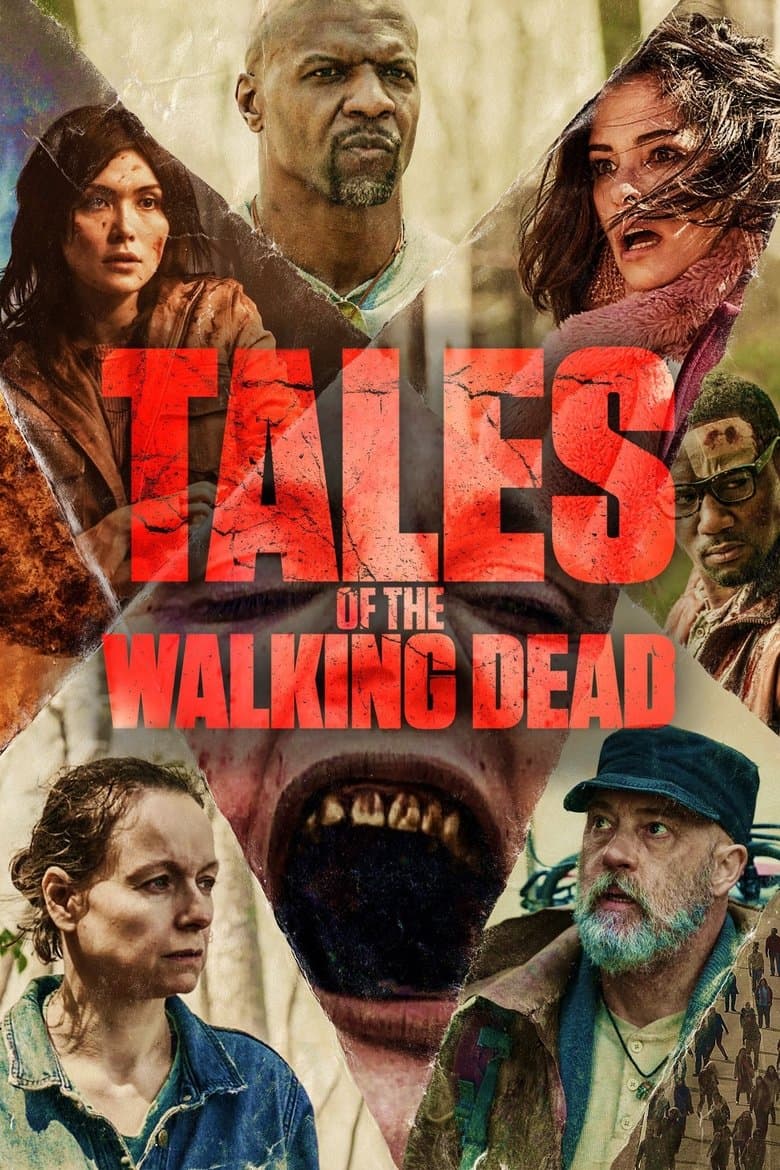
TV Show · 2022
An episodic anthology series focused on both new and established characters set in the world of "The Walking Dead."
TV Show · 2019
An antiquities expert teams up with an art thief to catch a terrorist who funds his attacks using stolen artifacts.
