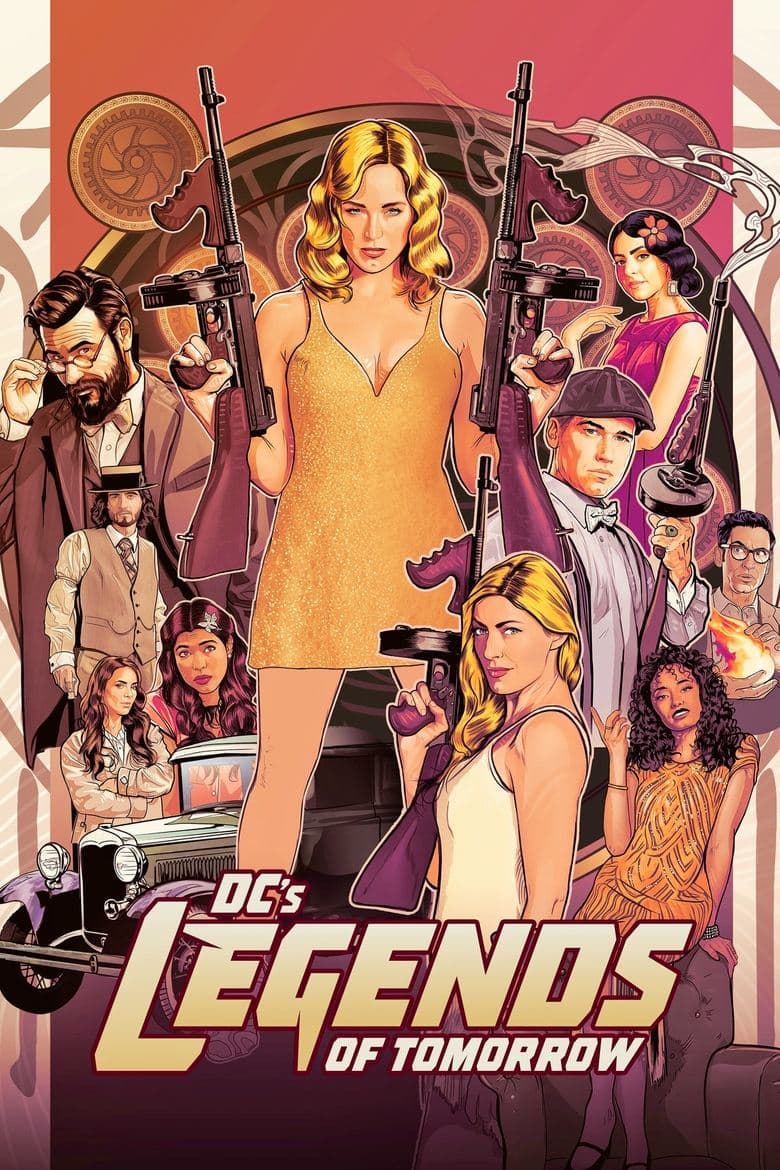
Started January 21, 2016 · Based on 7 seasons, 110 episodes · TV-14 · 42 min
DC's Legends of Tomorrow follows Sara Lance and a changing team of heroes, criminals, scientists, and other outsiders aboard the time ship Waverider. They travel across history and the future to stop threats that can destroy the world or break time itself. The first season centers on the immortal tyrant Vandal Savage, while later seasons use demons, magical creatures, aliens, evil versions of Gideon, and other strange enemies. The show moves from a serious superhero adventure to a very silly, self-aware comedy about a team that keeps saving history by making new mistakes.
The show makes identity part of several major character stories. Sara is a bisexual captain, and her long relationship with Ava Sharpe becomes a central love story that leads to marriage and a pregnancy. John Constantine is openly bisexual, Charlie is pansexual and genderqueer, Spooner comes out as asexual, and season seven follows gay scientist Gwyn Davies as he tries to save his wartime lover Alun. Zari's Muslim identity and Amaya's African heritage also shape stories about prejudice, freedom, family, and belonging, but most episodes still focus on action, time travel, friendship, and comedy.
Community feedback
Was our 64% Woke rating accurate?
Breakdown
These are the editorial factors and ratings behind our score for DC's Legends of Tomorrow.
Woke representation / casting
Several prominent roles form a clear identity pattern. The team gives major power and leadership roles to Sara, Zari, Amaya, and Spooner. The show also puts a bisexual captain, a lesbian co-captain, and other queer characters in its main group. Tala Ashe's public discussion of Zari as Muslim-American representation adds clear identity framing to the casting. Some choices fit the show's time-travel setting, but the repeated pattern is easy to see.
44%
Woke political dialogue
Several time-period stories directly discuss racism, sexism, slavery, homophobia, and religious persecution. Jax says that he faces racism in every part of history, and Zari comes from a future where A.R.G.U.S. bans religion. These points usually appear inside one episode's mission or a character's past. The show's regular dialogue is mostly about missions, family, fear, and strange threats.
29%
Identity-driven story themes
Identity-driven story themes recur across the middle and later seasons. Sara and Ava's relationship grows from a side romance into a major story that leads to marriage and plans for a child. Constantine's bisexuality, Charlie's pansexual and genderqueer identity, Spooner's asexuality, and Gwyn's love for Alun each receive clear story time. Zari's changing timelines explore memory, culture, family, and the fear of being erased. The show still places these stories inside an action comedy about time travel.
58%
Western institutional / cultural critique
The show sometimes presents older social rules as cruel or unfair. Stories set in the 1950s, the Civil War, and World War II show racism, slavery, sexism, and limits on same-sex love. Zari's future also warns about government control of religion and personal freedom. These ideas stay inside short time-travel plots, and the show does not build a continuing attack on modern Western institutions, family life, or capitalism.
25%
Woke character or canon changes
John Constantine is the clearest established-character change. Legends makes his bisexuality explicit on screen after the earlier NBC series left that part of his comic history unused. That choice is audience-visible through his relationships with men and women, but it follows the comics rather than replacing his core character. Most other main characters are original, drawn from the Arrowverse, or changed by ordinary time-travel plots.
17%
Anti-woke backlash and complaints
Anti-woke complaints exist, but they are small and scattered. A few small or anonymous accounts called the show or related CW shows woke, said it became too woke, or dismissed it as Tumblr fan fiction. No strong evidence shows a major boycott, review-bombing campaign, or sustained attack by large culture-war outlets. Many fan posts instead celebrate the LGBTQ and diverse cast, and larger backlash focused more on other Arrowverse shows.
12%
Creator track record context
Greg Berlanti is the strongest creator-context signal because he has a long record of building LGBTQ roles in the Arrowverse. Phil Klemmer explicitly described Constantine as bisexual, and Keto Shimizu has spoken about diversity in writers' rooms. Marc Guggenheim has described himself as progressive, while most other listed producers have no documented activist pattern. This context supports the show's visible choices without defining every episode.
54%
Production
TV Show · 2019
Iwatani Naofumi, a run-of-the-mill otaku, finds a book in the library that summons him to another world. He is tasked with joining the sword, spear, and bow as one of the Four…
TV Show · 2019
In the dark, early days of a zombie apocalypse, complete strangers band together to find the strength they need to survive and get back to loved ones.
TV Show · 2019
A grim drama that unfolds against the backdrop of a global catastrophe. An unknown new virus turns Moscow into a city of the dead.
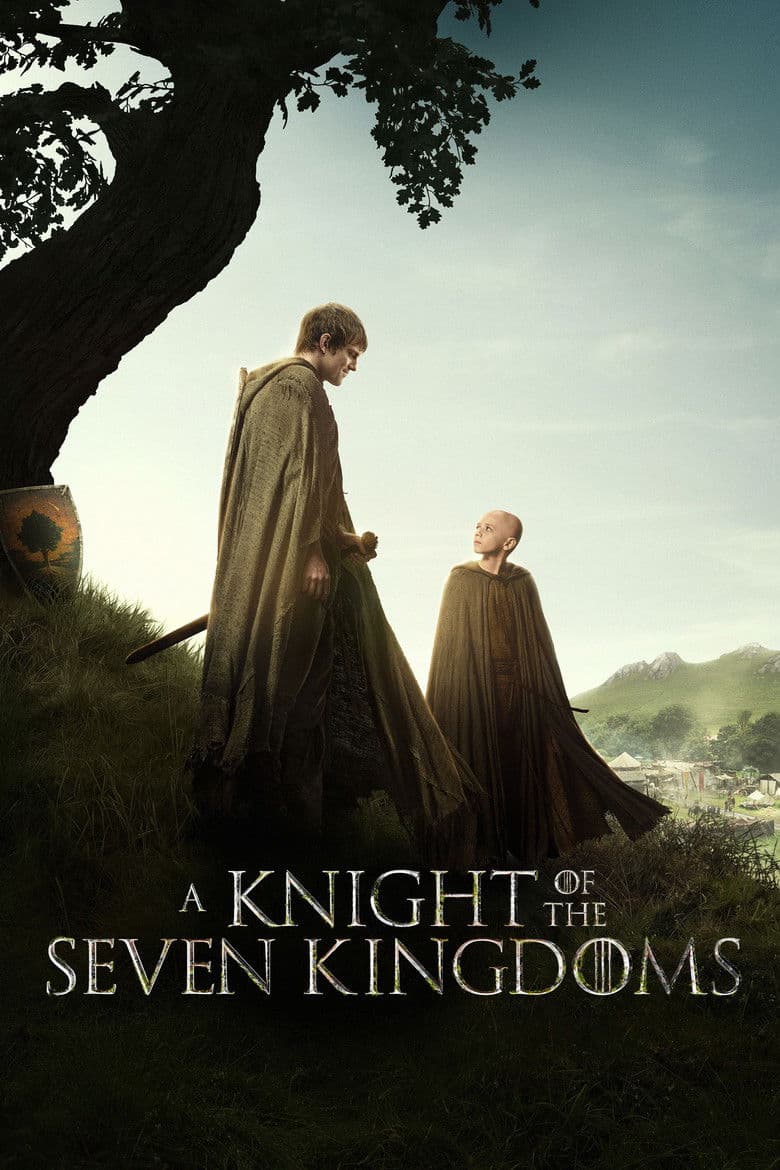
TV Show · 2026
A century before the events of Game of Thrones, two unlikely heroes wandered Westeros: a young, naive but courageous knight, Ser Duncan the Tall, and his diminutive squire, Egg.
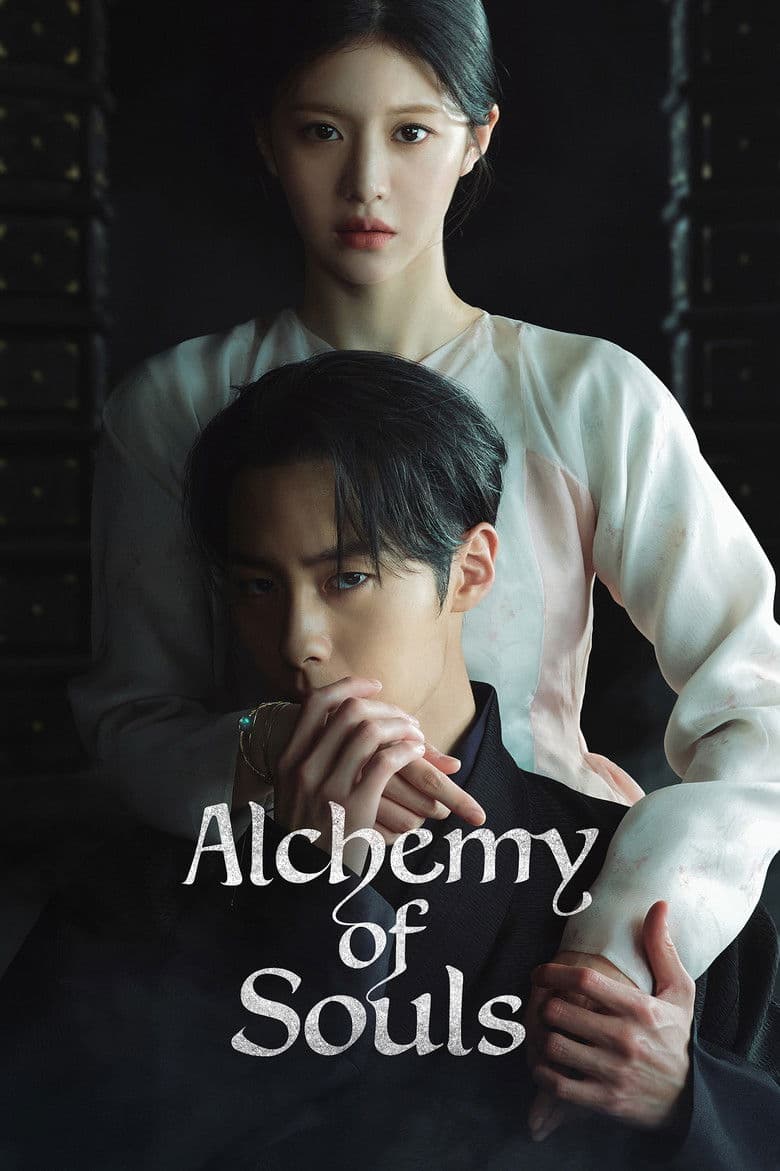
TV Show · 2022
A powerful sorceress in a blind woman's body encounters a man from a prestigious family, who wants her help to change his destiny.
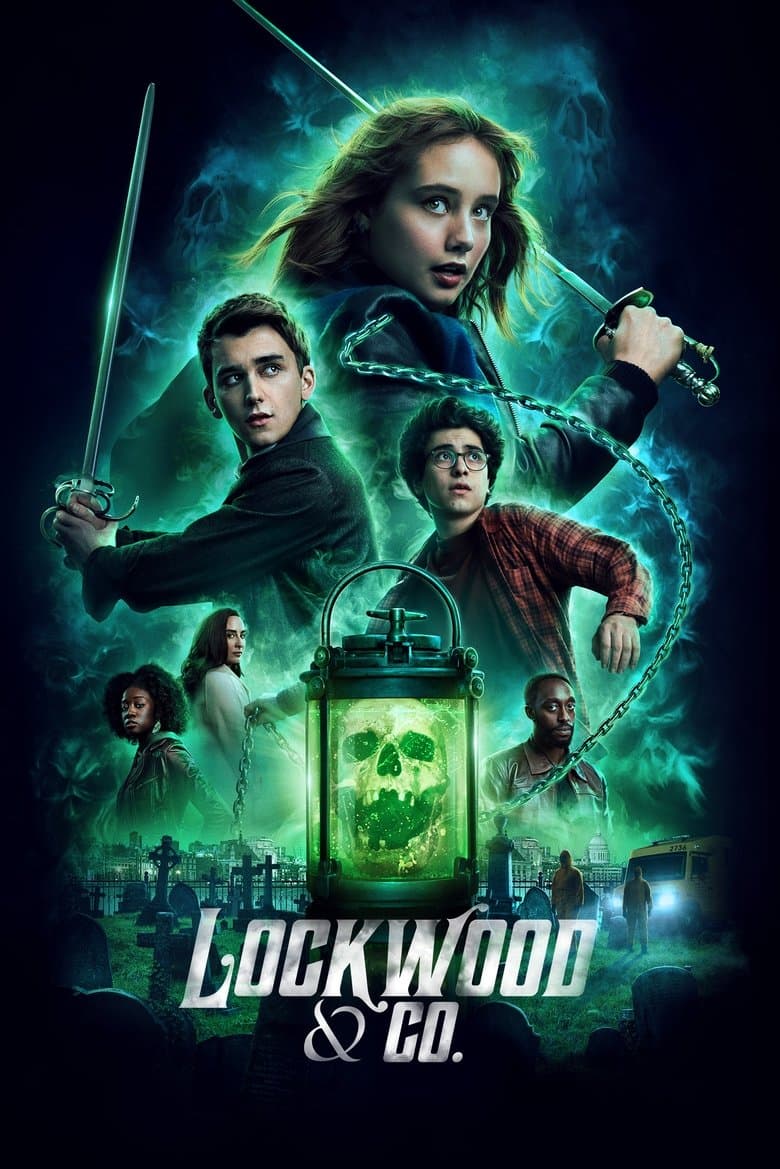
TV Show · 2023
A girl with extraordinary psychic abilities joins two gifted teen boys at a small ghost-hunting agency to fight the many deadly spirits haunting London.
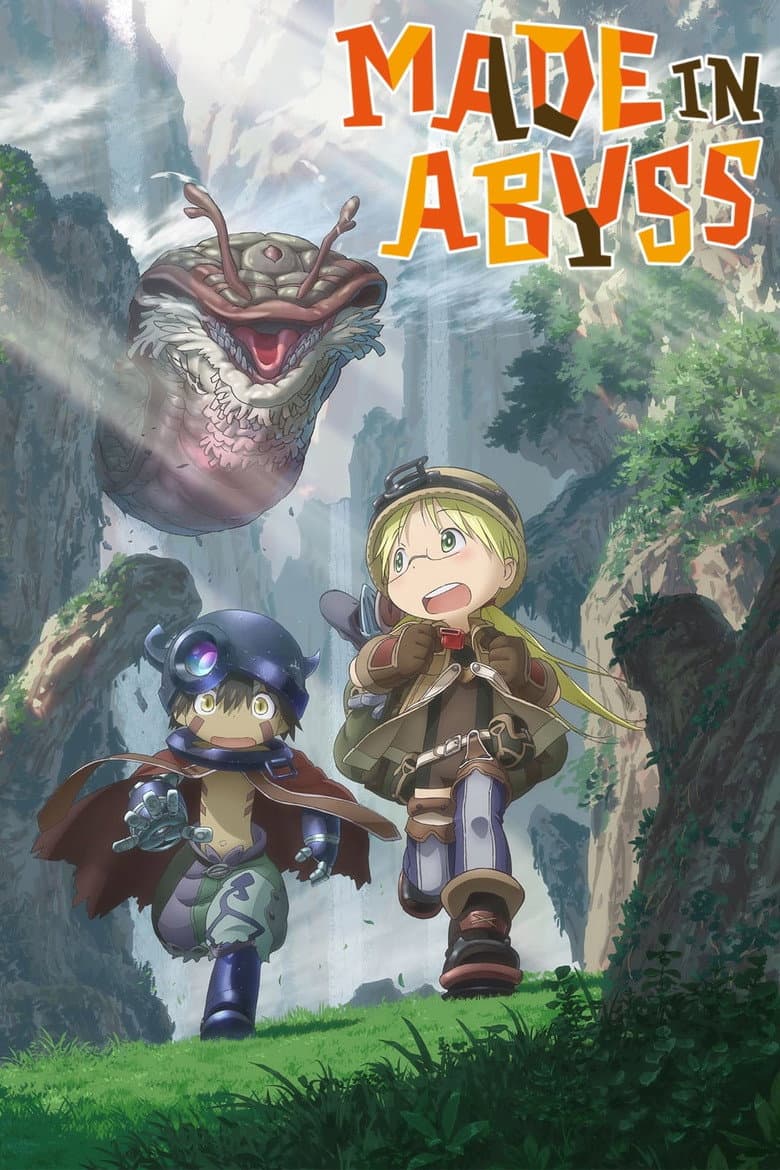
TV Show · 2017
Located in the center of a remote island, the Abyss is the last unexplored region, a huge and treacherous fathomless hole inhabited by strange creatures where only the bravest…
TV Show · 2023
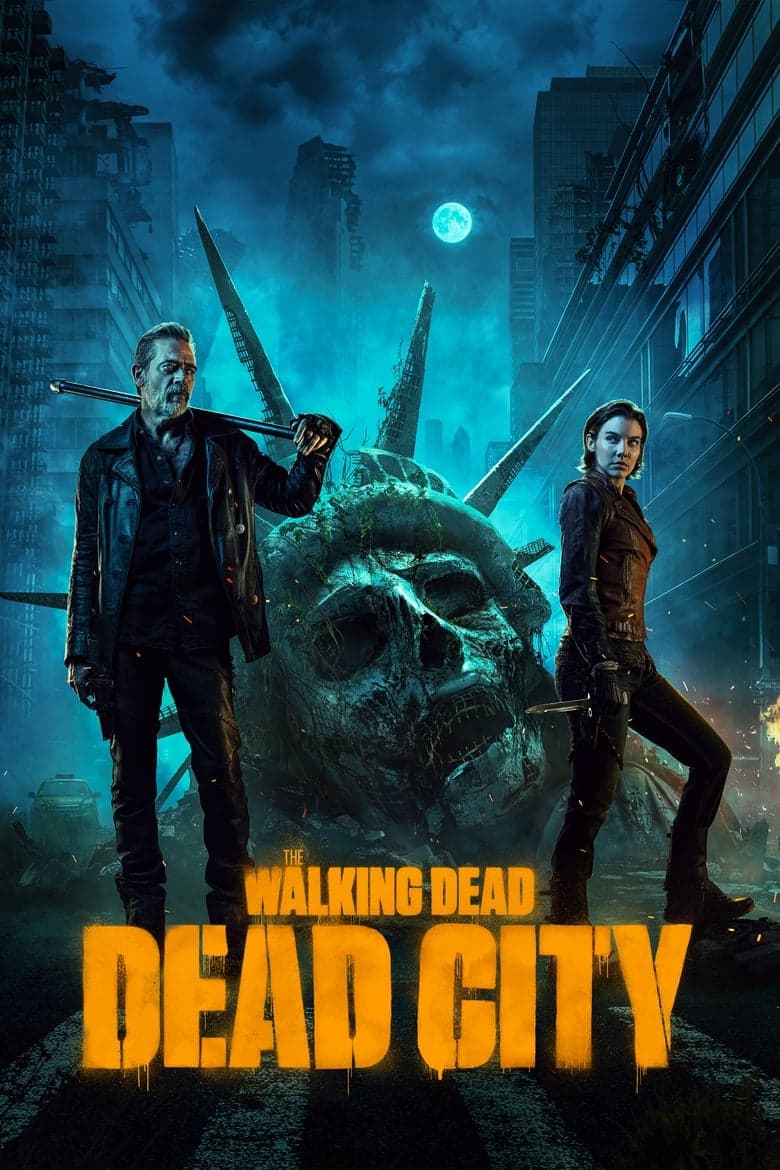
Maggie and Negan travel to post-apocalyptic Manhattan - long ago cut off from the mainland. The crumbling city is filled with the dead and denizens who have made it a world full…
