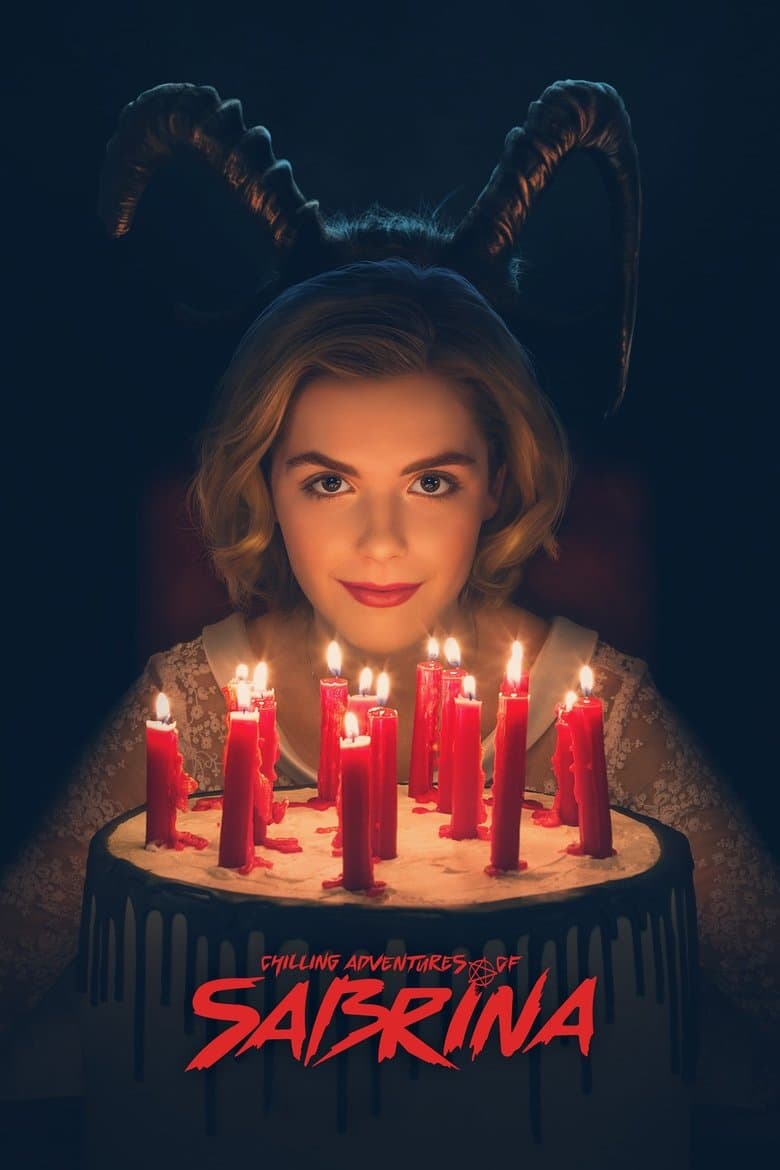
Started October 26, 2018 · Ended · Based on 2 seasons, 36 episodes through December 31, 2020 · TV-14
Chilling Adventures of Sabrina is a dark fantasy series about half-witch teenager Sabrina Spellman who must choose between her mortal high school life and signing the Book of the Beast to join her family's Satanic coven while fighting supernatural evil. Across seasons 1 and 2 she questions male authority in the coven, starts a feminist club, and supports friends including a gay cousin and a transgender peer. The show includes visible queer representation, feminist pushback against patriarchal traditions, and diverse casting that some viewers saw as deliberate signaling in its small-town setting.
Community feedback
Was our 71% Woke rating accurate?
Breakdown
These are the editorial factors and ratings behind our score for Chilling Adventures of Sabrina.
Woke representation / casting
Prominent audience-visible diversity including transgender character played by non-binary actor, gay black warlock, and multiple black witches; marketing and some dialogue framed it as intersectional allyship.
60%
Woke political dialogue
Occasional lines where Sabrina questions patriarchal coven rules and promotes female agency and personal choice; mostly plot-driven rather than modern political lectures.
35%
Identity-driven story themes
Queer family member and transgender friend have dedicated arcs around acceptance and identity; feminist resistance to male authority in the coven adds a clear identity layer.
50%
Western institutional / cultural critique
Portrays the Satanic coven as rigid and patriarchal with Sabrina pushing reform; stays within fantasy story logic and does not extend to broad modern institutional or cultural attacks.
30%
Woke character or canon changes
Not present in this title.
0%
Anti-woke backlash and complaints
Multiple articles and viewer discussions criticized heavy-handed "woke witch" feminism, intersectional posturing, white-savior elements, and preachy tone; Satanic Temple lawsuit added to religious imagery debate.
50%
Creator track record context
Showrunner Roberto Aguirre-Sacasa has a documented pattern of expanding queer representation; several directors and writers bring feminist, diversity-focused, queer, or Indigenous creative histories that align with the show's visible themes.
48%
Production
TV Show · 2016
Hundreds of years from now, the last surviving humans discover the means of sending consciousness back through time, directly into people in the 21st century.
TV Show · 2018
After 250 years on ice, a prisoner returns to life in a new body with one chance to win his freedom: by solving a mind-bending murder.
TV Show · 2019
A police chief takes in a young child she finds near the site of a mysterious accident who has no memory of what has happened.
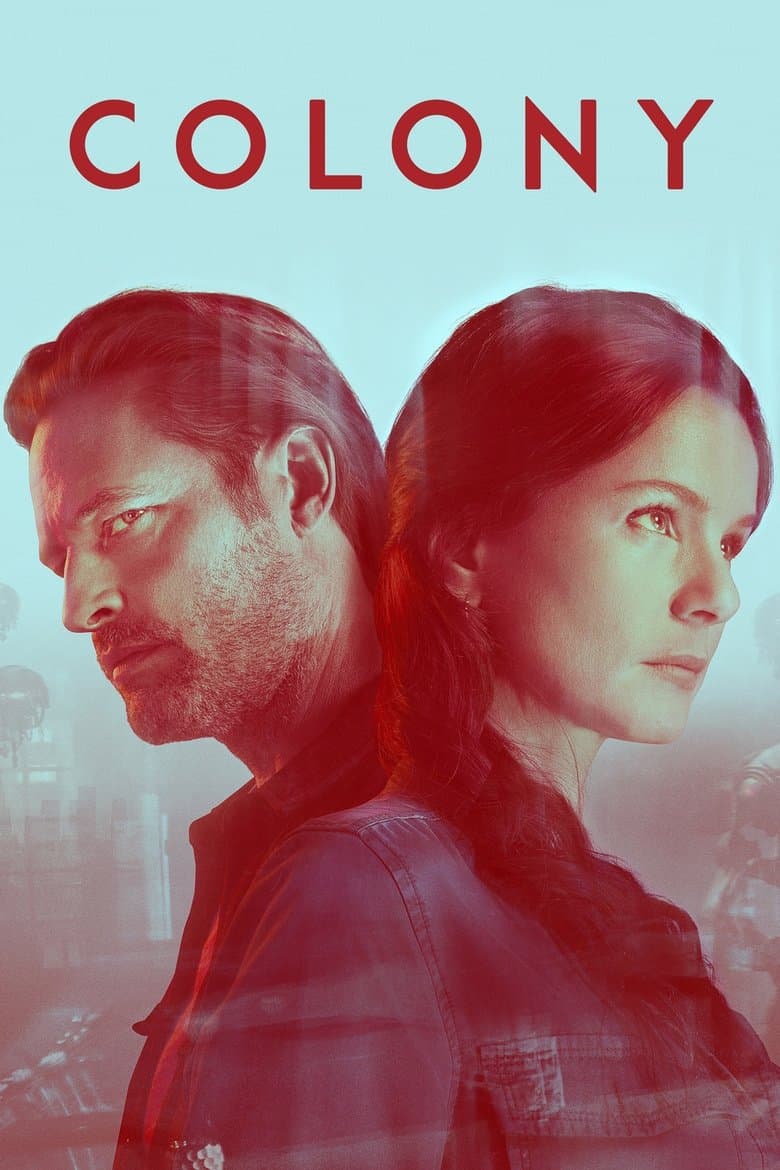
TV Show · 2016
In the near future a family must make difficult decisions as they balance staying together with trying to survive.
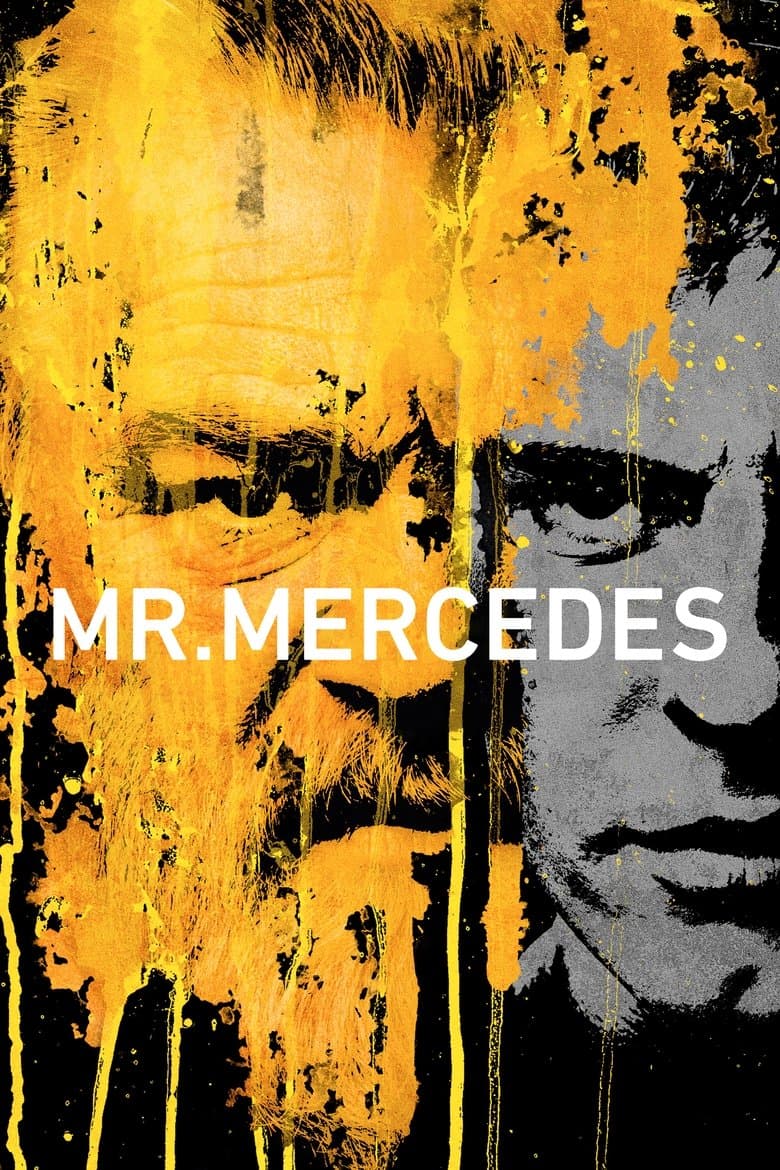
TV Show · 2017
A demented serial killer taunts a retired police detective with a series of lurid letters and emails, forcing the ex-cop to undertake a private, and potentially felonious, crusade…
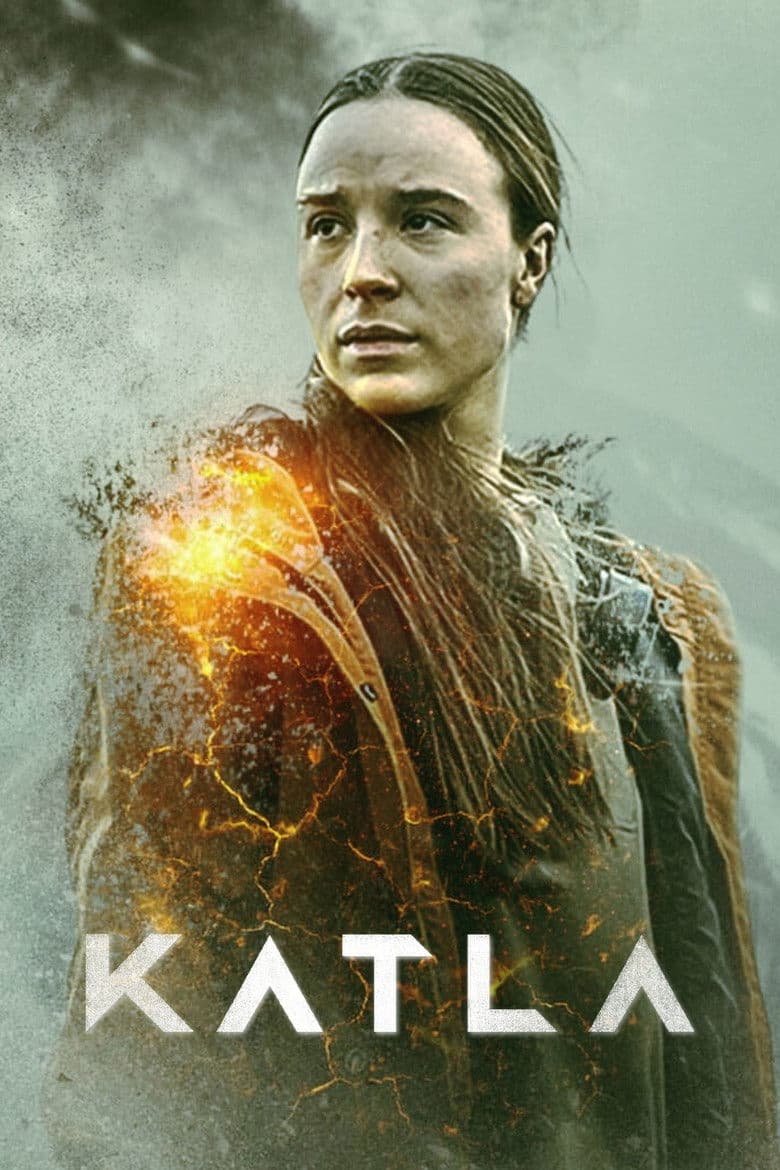
TV Show · 2021
A year after a subglacial volcano erupts, mysterious elements from prehistoric times emerge from the melting ice, bringing unforeseen consequences.
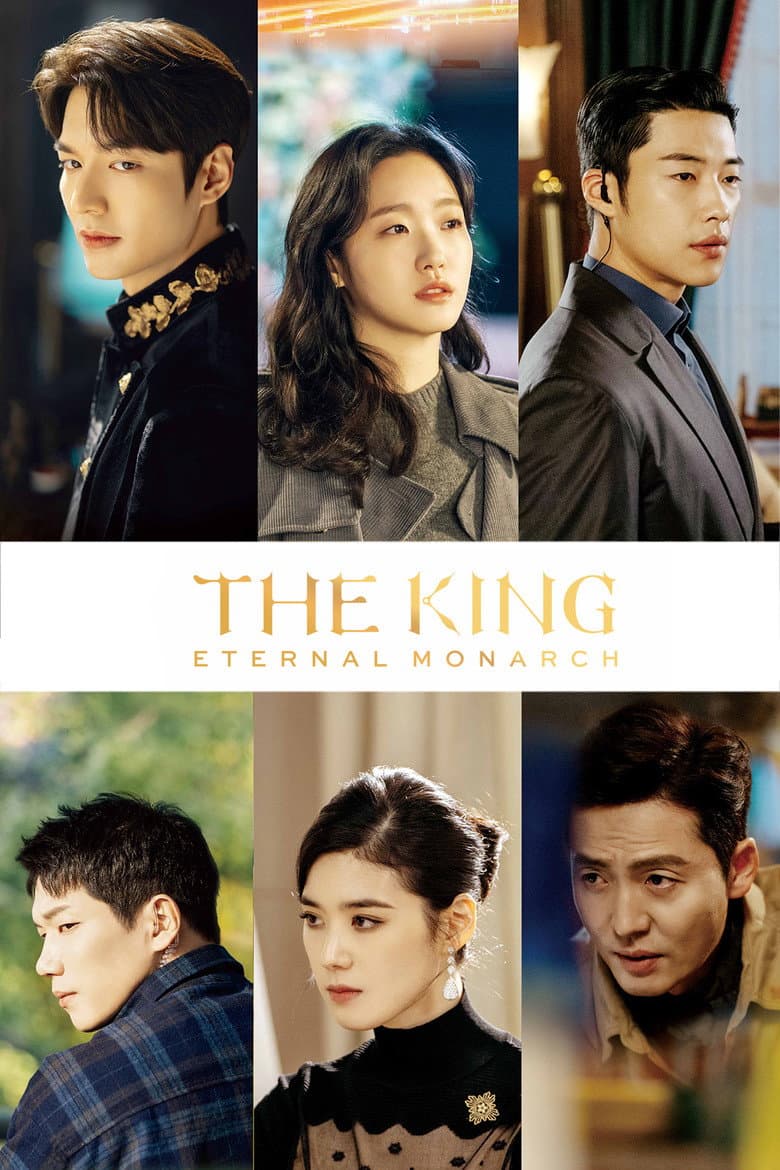
TV Show · 2020
Korean emperor Lee Gon tries to close the doors to a parallel world which was opened by demons; a detective tries to protect the people and the one she loves.
TV Show · 2021
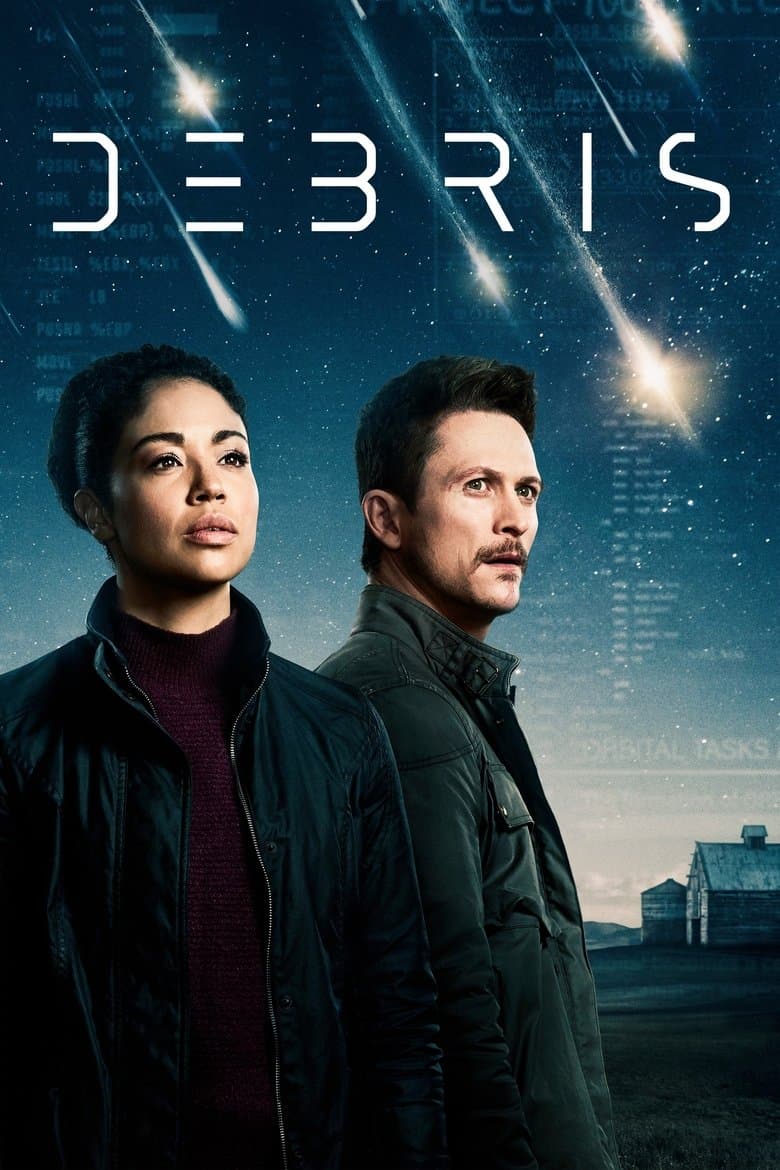
Two federal agents from two different continents, and two different mindsets, must work together to investigate when wreckage from a destroyed alien spacecraft has mysterious…
