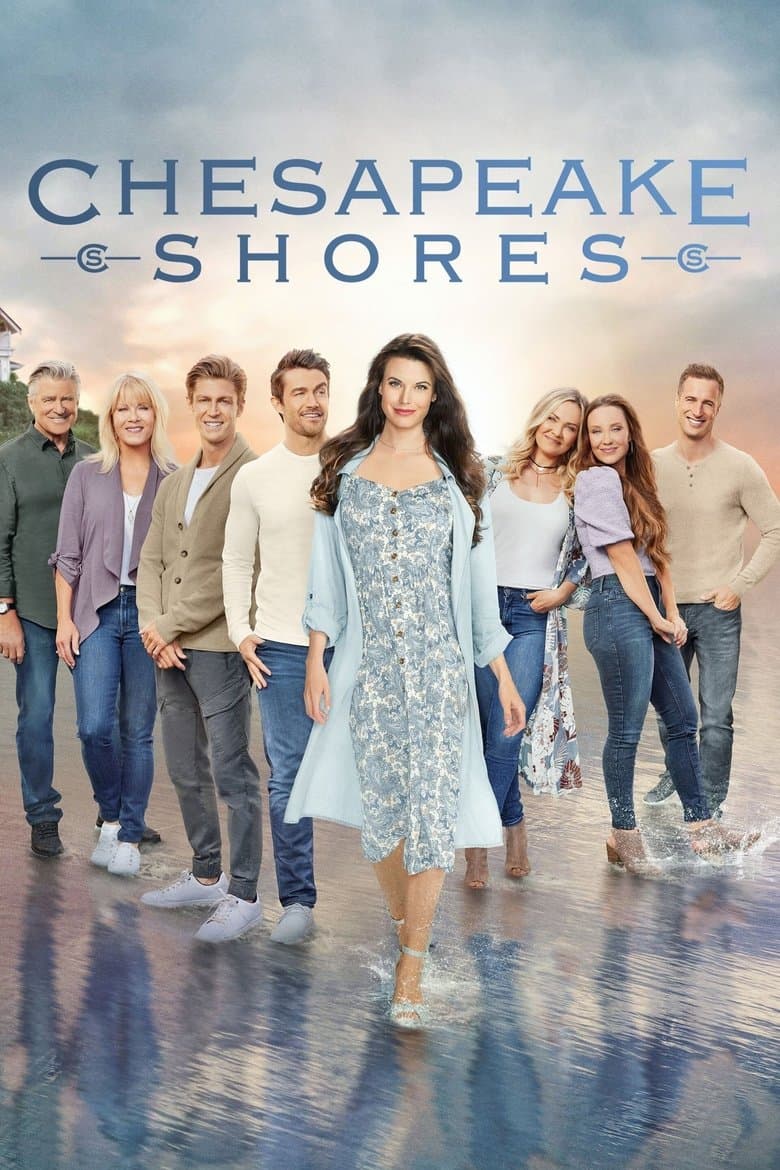
Started August 14, 2016 · Ended · Based on 6 seasons, 55 episodes through October 16, 2022 · TV-PG · 45 min
Abby O'Brien is a divorced mother who leaves New York and returns to Chesapeake Shores, Maryland, with her twin daughters. She comes home to help her sister save an inn, but she also must face her father, her former husband, and Trace, the love she left behind. The story follows the large O'Brien family through romance, work problems, business fights, custody worries, health trouble, and recovery. The show uses a gentle, sentimental tone and ends its six-season run with family reunions, weddings, a new baby, and second chances.
The clearest identity-based material comes late in the run. In season 5, Connor works on an unfair wage case and asks Margaret, a recurring woman of color, for her view, while Abby calls choosing herself “empowering.” The show also spends part of seasons 2 and 3 on environmental protection and land development, but it treats that as a family and legal fight rather than a broad political campaign. These moments sit beside the main stories about love, forgiveness, children, work, addiction, and keeping the family together, so the woke material stays brief and secondary.
Community feedback
Was our 22% Woke rating accurate?
Breakdown
These are the editorial factors and ratings behind our score for Chesapeake Shores.
Woke representation / casting
Most central O'Brien roles are white and fit the Irish-American family at the heart of the show. Margaret is a recurring woman of color who appears in seasons 5 and 6 as Connor's paralegal, love interest, and law partner. Connor also asks for her view as a woman of color in a wage case, which gives the casting a small identity signal. The show keeps her identity secondary to the family and law plot.
18%
Woke political dialogue
Season 5 includes a law case about unfair wage discrimination. Connor asks Margaret to explain her view as a woman of color. Abby also calls choosing herself instead of a man empowering. These lines appear in a small subplot and do not shape most episodes.
14%
Identity-driven story themes
Margaret's race is named when Connor seeks her view on the wage case. The case gives season 5 a brief identity-focused thread, and Margaret later becomes Connor's partner at work and in romance. The show does not make race or identity the main problem or message of either character. The larger story stays about family, love, work, recovery, and parenthood.
12%
Western institutional / cultural critique
Seasons 2 and 3 include a dispute over whether family land should be developed or protected. Thomas and Connor bring environmental law into the family business fight. Season 5 adds the small wage case, but the show does not attack men, traditional family life, or Western culture. These issues stay local and personal rather than becoming a broad activist message.
8%
Woke character or canon changes
Not relevant. The series changes plot details from Sherryl Woods's books for television, but no identity-driven change to a character, canon, or real event is confirmed.
0%
Anti-woke backlash and complaints
Only a few tiny X accounts complained about the show. One accused the writers of pushing an anti-having-children or environmental message, and another said late-run diversity felt forced. Other small accounts praised the show as comfort TV with no political or woke agenda. No sustained boycott, race or gender-swap fight, review-bomb, or LGBT backlash appeared.
12%
Creator track record context
John Tinker has a record tied to anti-Vietnam War student protest and later peace and justice work. Phoef Sutton won a GLAAD award for Boston Legal. Michael MacLennan wrote for Queer as Folk and created other identity-linked shows. Most other listed creators have no documented activist or identity-driven record, so the team context is mixed but mostly low.
24%
Production
TV Show · 2016
When they were twelve years old, Mark, Pru, Danny and Slade were out together in the park. Mark’s five-year-old brother, Jesse, was annoying them.
TV Show · 2017
The early life of child genius Sheldon Cooper, later seen in The Big Bang Theory.
TV Show · 2019
The life of Christ through the eyes of those who encountered him.
TV Show · 2025
Two outlaws must navigate the galaxy's dangerous underworld as they chart their destinies.
TV Show · 2024
John Taylor lives in quiet solitude, designing puzzles for a living, under the nom-de-plume of 'Ludwig'. When his identical twin, James, disappears off the face of the earth, John…
