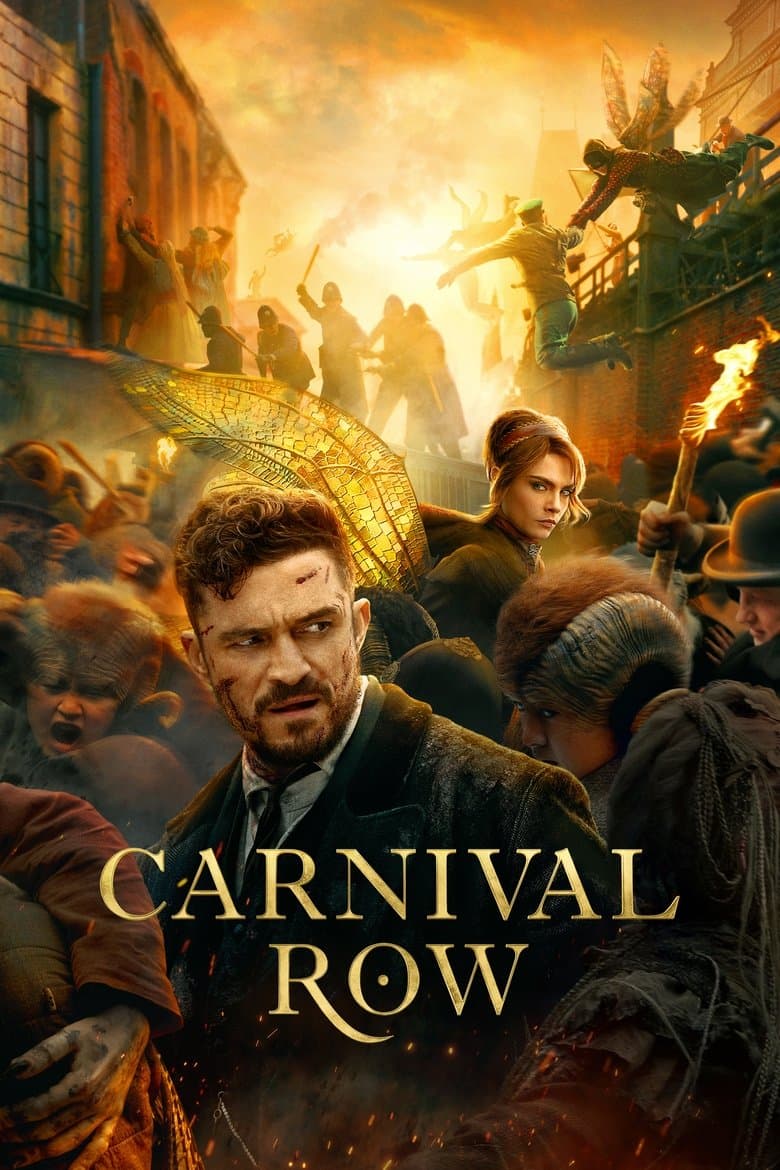
Started August 29, 2019 · Ended · Based on 2 seasons, 18 episodes through March 16, 2023 · TV-MA
Amazon’s Victorian steampunk fantasy follows inspector Rycroft Philostrate and faerie Vignette Stonemoss in the city called the Burgue. Mythic refugees such as fae and fauns live under legal second class status, street violence, and harsh political power. Season 1 is a murder mystery wrapped around immigration and racism themes and a hard love story. Season 2 grows into open ghetto life, revolutionary politics known as the New Dawn, and identity focused endings. Vignette finally chooses Tourmaline over Philo as her main romantic path.
The main story treats refugee minorities as oppressed under human majority rule. Viewers hear repeated talk about dehumanized fae, refugee labor, border walls, police bigotry, and radical resistance. Multiethnic human casting and strong female political and military figures sit beside confirmed queer leads, including Vignette’s pansexual life and her romance with Tourmaline. Season 2 pushes harder on social justice, revolution, and a republic framed as racist and unfair. Those identity themes sit at the center of the plot rather than as small side notes, and the fantasy setting does not hide that focus.
Community feedback
Was our 80% Woke rating accurate?
Breakdown
These are the editorial factors and ratings behind our score for Carnival Row.
Woke representation / casting
Multiethnic humans in a Victorian-coded city go past a typical historical Burgue look. Strong female political and military figures appear as well. The main diversity engine is species used as race, but modern casting and confirmed queer leads add clear identity focus. This is not pure setting-neutral casting.
52%
Woke political dialogue
Dialogue often frames fae as dehumanized “cretch” and debates refugee labor and walls. Police bigotry and radical resistance sit at the center of the talk. Cast and press sell the show as about immigration, racism, classism, and sexism. A casual viewer can hear that speech without digging.
62%
Identity-driven story themes
The core premise is oppressed refugee minorities under human majority rule. It covers colonialism, systemic prejudice, half-blood passing, and class walls. Season 2 doubles down on social justice, revolution, and an unjust republic frame. The Vignette and Tourmaline queer arc becomes a season-defining choice of love over factional politics.
78%
Western institutional / cultural critique
The Burgue’s republic, police, and elite society are written as systemically unjust toward racialized Others. Anti-immigrant politics, colonial guilt, and class hypocrisy read as present-day institutional critique. Christianity is not a main target. Season 2 also attacks revolutionary totalitarianism through the New Dawn, which slightly balances the critique.
55%
Woke character or canon changes
Not relevant. Original IP from Travis Beacham’s unproduced A Killing on Carnival Row, with no identity-driven swaps of established franchise characters or real historical figures.
0%
Anti-woke backlash and complaints
Scattered audience posts call Season 2 woke, identity-politics-heavy, or an LGBTQ agenda. Some say quality fell from Season 1. There was no large mainstream right-media campaign like major franchise culture-war titles. Complaints are real but limited and mostly online.
22%
Creator track record context
Beacham built the racism, xenophobia, and colonialism allegory. Oleson steered Season 2 with explicit social justice and real-world republic-injustice language. Guggenheim and Strick add progressive and political-thriller texture. Most other directors and writers sit lower with no activist profile, so the overall roster is moderate.
38%
Production
TV Show · 2017
A missing child sets four families on a frantic hunt for answers as they unearth a mind-bending mystery that spans three generations.
TV Show · 2016
Hundreds of years from now, the last surviving humans discover the means of sending consciousness back through time, directly into people in the 21st century.
TV Show · 2022
The intricate and magical love story of Clare and Henry, and a marriage with a problem… time travel.
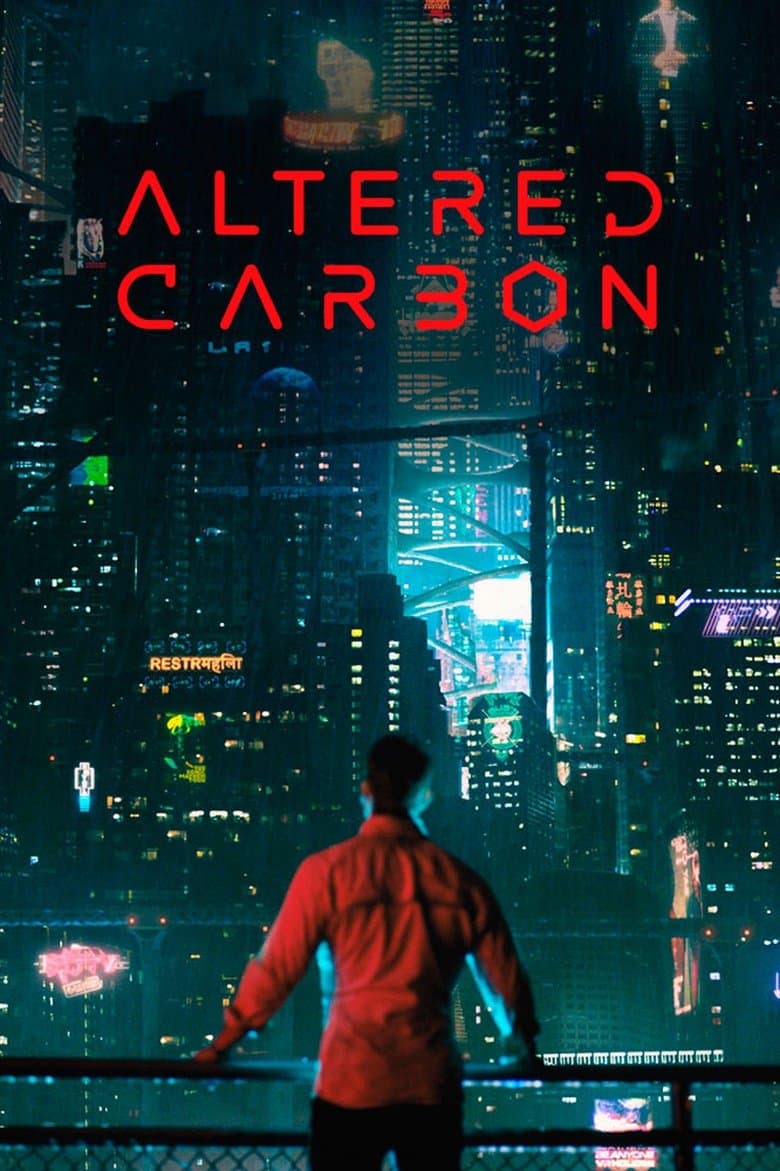
TV Show · 2018
After 250 years on ice, a prisoner returns to life in a new body with one chance to win his freedom: by solving a mind-bending murder.
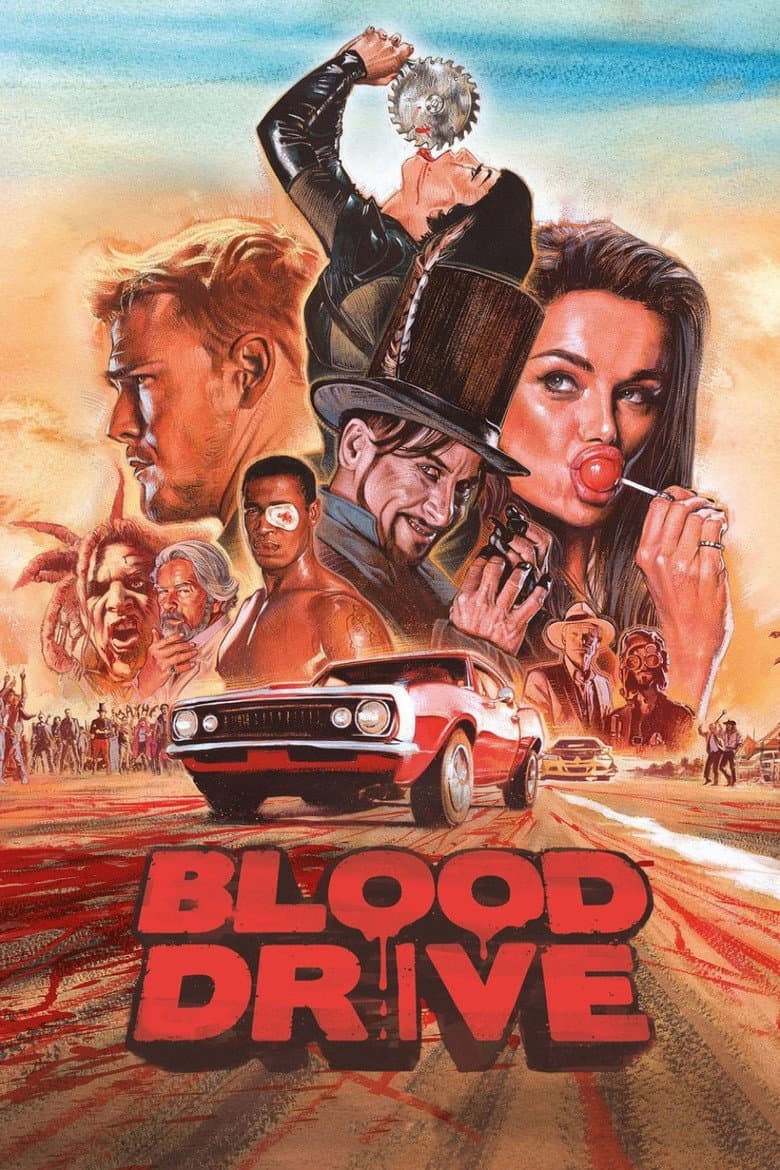
TV Show · 2017
Set in a near-dystopian future, a former cop is forced to take part in a death race where the cars run on human blood. You lose a leg and you lose your head.
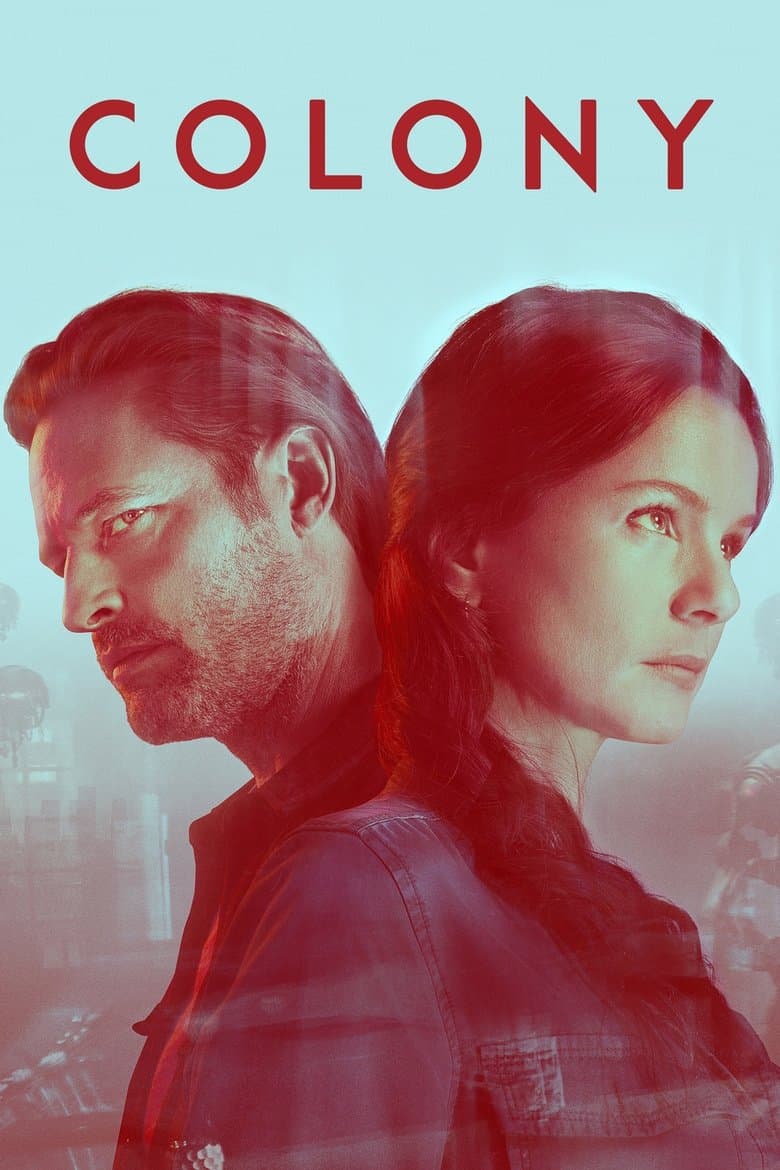
TV Show · 2016
In the near future a family must make difficult decisions as they balance staying together with trying to survive.
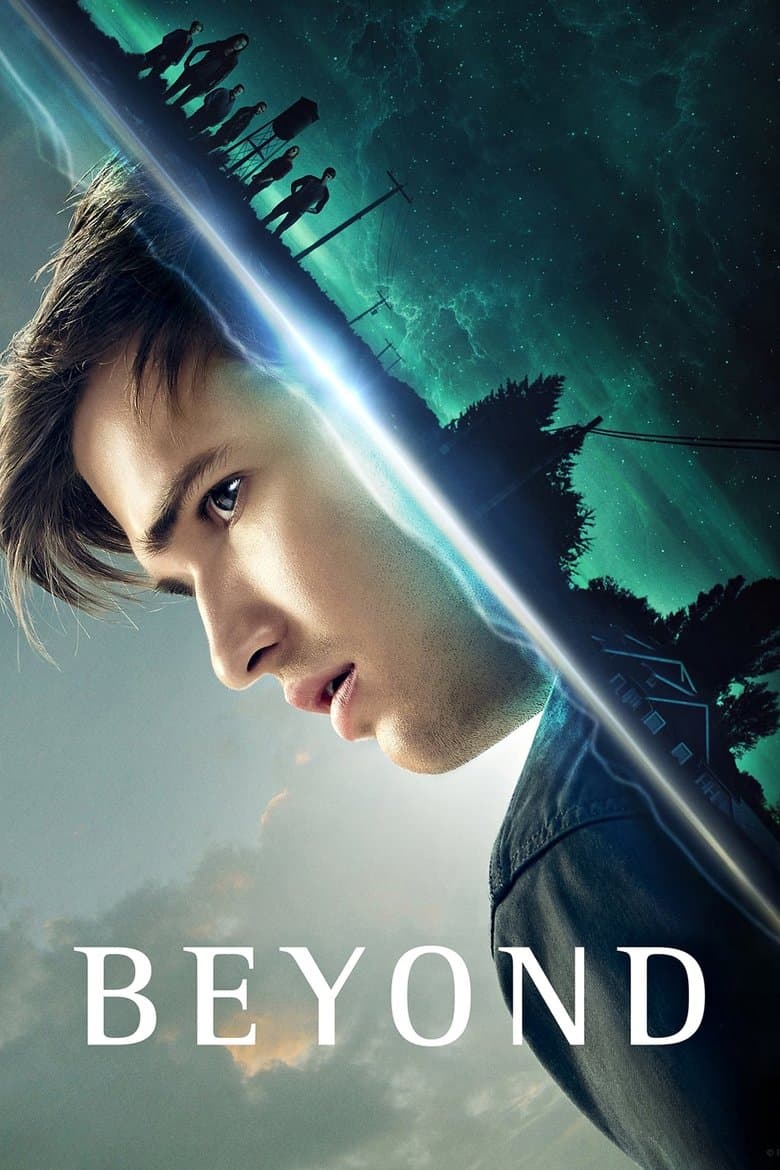
TV Show · 2017
Holden wakes up from a coma after 12 years and discovers new abilities that propel him into the middle of a dangerous conspiracy.
TV Show · 2021
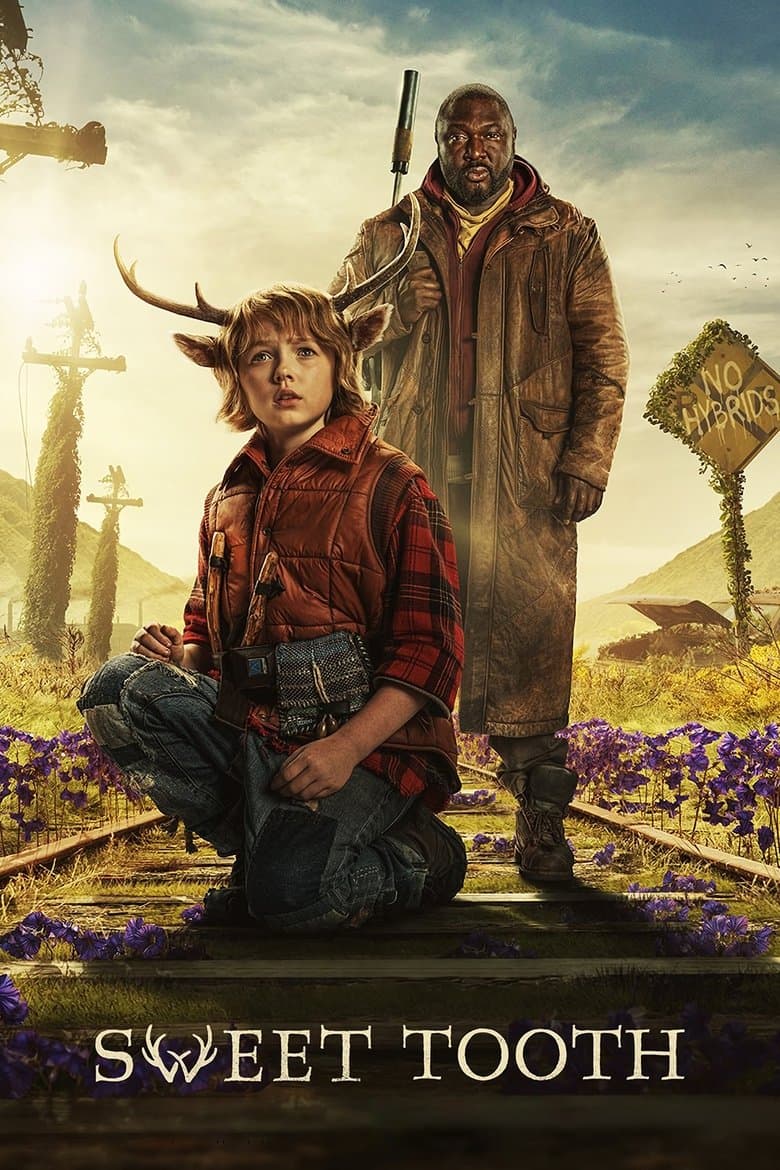
On a perilous adventure across a post-apocalyptic world, a lovable boy who's half-human and half-deer searches for a new beginning with a gruff protector.
