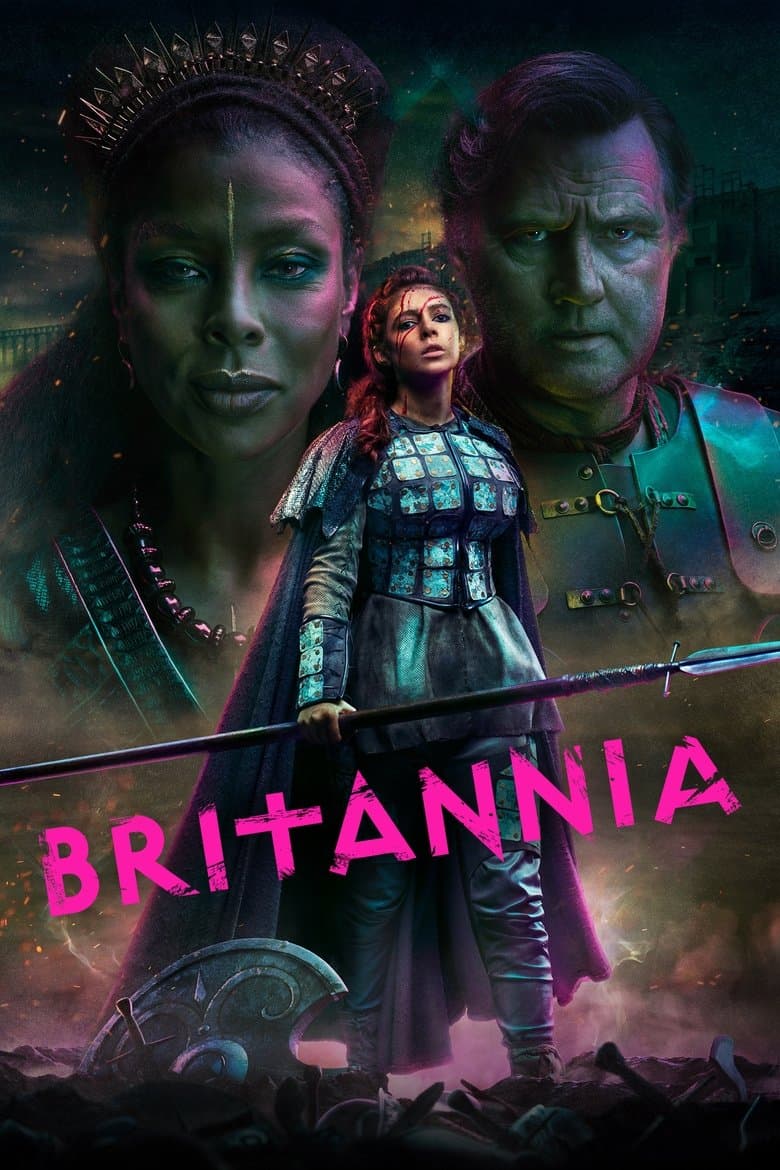
Started January 18, 2018 · Canceled · Based on 3 seasons, 27 episodes through August 24, 2021 · TV-MA · 50 min
Britannia is a fantasy show about the Roman invasion of Britain in 43 AD. It shows the Roman army fighting Celtic tribes and Druids who use magic. The series has a very clear girl power theme. It features female warrior queens, rebel girls, and powerful women who control the male leaders. Modern racial diversity is highly visible among both the Romans and Celts. Season 3 also features a wild, same-sex BDSM cult with gay characters and same-sex seduction.
Community feedback
Was our 82% Woke rating accurate?
Breakdown
These are the editorial factors and ratings behind our score for Britannia.
Woke representation / casting
The casting leans heavily into modern diversity standards that ignore the setting of 43 AD Britain. It places black actors in prominent roles, like Roman officers and Druids. In Season 3, Sophie Okonedo plays Hemple, General Aulus’s highly dominant wife. The show also has clear LGBTQ+ representation. It features a gay character named Blaine as part of Hemple's cult. Hemple's followers take part in highly visible same-sex BDSM orgies. Later, a Celtic queen tries to seduce Hemple. This prominent queer content triggers a strong scoring boost.
73%
Woke political dialogue
The dialogue is full of very modern slang and phrases. This breaks the illusion for viewers who want a real history show. The characters do complain about bad empires, which fits a show about a military conquest. The dialogue only occasionally talks about modern ideas of gender equality.
28%
Identity-driven story themes
The story relies heavily on a feminist girl power fantasy. It shows Celtic society as a female-led world where warrior women are free from male control. Female leads like Kerra, Antedia, and Cait drive the main plot. Many male characters are shown as weak or foolish. The show has strong queer themes in Season 3. General Aulus's wife runs a pagan BDSM cult. Same-sex seduction is also used as a plot point. This strong focus on queer and gender identities warrants a high score.
74%
Western institutional / cultural critique
The series shows traditional marriage and gender roles as highly flawed. It mocks male power. Most husbands and male leaders are shown as weak or controlled by their wives. The Roman army is shown as a corrupt and silly machine. Season 3 also mocks Christian beliefs when a Roman officer carries the spear that stabbed Christ. This is turned into pagan magic. Additionally, the pagan cult celebrates wild sex orgies, directly challenging traditional Western views of family.
42%
Woke character or canon changes
The show changes real history to fit its feminist and diverse themes. The real Roman general Aulus Plautius was married to a Roman noblewoman. Here, she is replaced by Hemple, a dominant black high priestess. Real male Celtic leaders from history are replaced by fictional female characters like Queen Antedia and Princess Kerra to create an action-girl fantasy. The show also depicts ancient Britain as a highly diverse place, ignoring the real people who lived back then.
45%
Anti-woke backlash and complaints
Many viewers complained about forced diversity in the casting of Roman soldiers and Celtic Druids. Audiences in history forums noted that the show felt like a silly girl power fantasy. They did not like the lack of real history in favor of modern gender roles. Some viewers were also annoyed by how the male characters were constantly made to look weak, especially when General Aulus is dominated by his wife in Season 3.
38%
Creator track record context
The key creators and writers, like Jez and Tom Butterworth, have a very low woke score. They have a history of writing traditional British dramas without focusing on progressive activism or DEI initiatives. The casting director has worked on diversity panels, but the main creative team has a very traditional profile.
8%
Production
TV Show · 2026
A century before the events of Game of Thrones, two unlikely heroes wandered Westeros: a young, naive but courageous knight, Ser Duncan the Tall, and his diminutive squire, Egg.
TV Show · 2023
Maggie and Negan travel to post-apocalyptic Manhattan - long ago cut off from the mainland. The crumbling city is filled with the dead and denizens who have made it a world full…
TV Show · 2017
Go deep into the clandestine world of the legendary brotherhood of warrior monks known as The Knights Templar.
TV Show · 2019
In the dark, early days of a zombie apocalypse, complete strangers band together to find the strength they need to survive and get back to loved ones.
TV Show · 2023
After washing ashore in France, Daryl struggles to piece together how he got there and why, as he navigates a fractured, walker-infested landscape to find his way home.
TV Show · 2022
A powerful sorceress in a blind woman's body encounters a man from a prestigious family, who wants her help to change his destiny.
TV Show · 2022
An episodic anthology series focused on both new and established characters set in the world of "The Walking Dead."
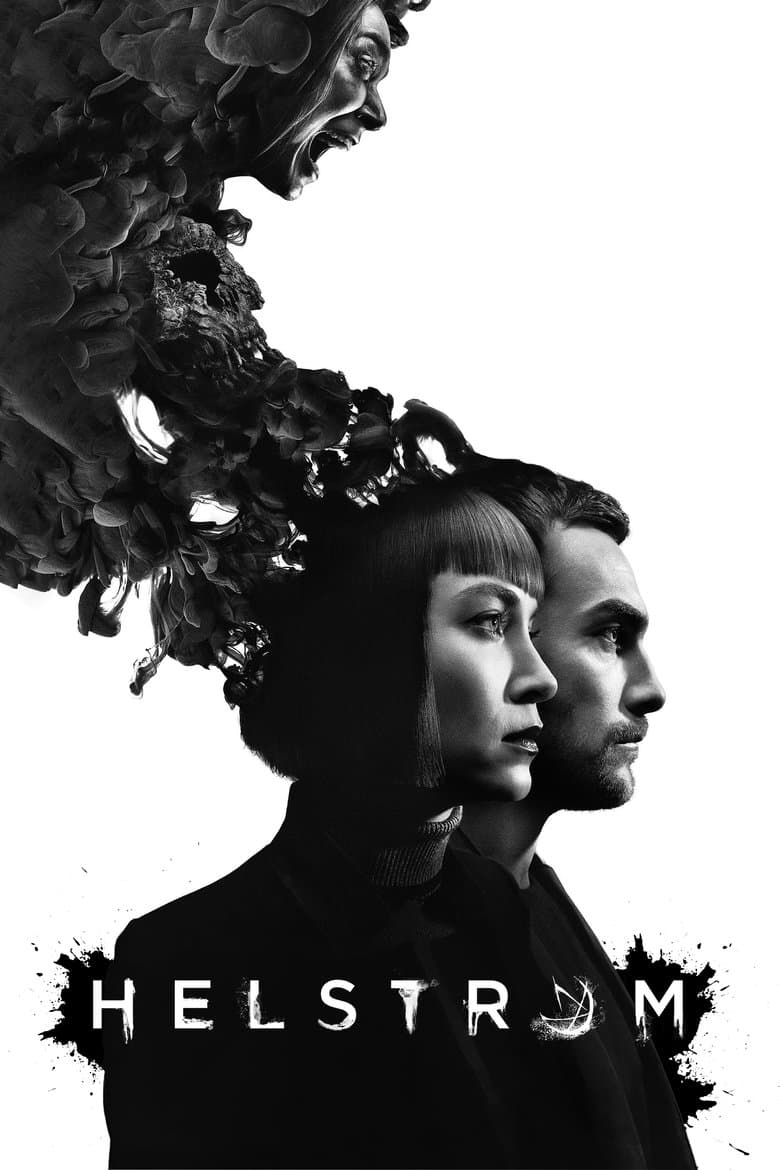
TV Show · 2020
Daimon and Ana Helstrom are the son and daughter of a mysterious and powerful serial killer. The siblings have a complicated dynamic as they track down the terrorizing worst of…
