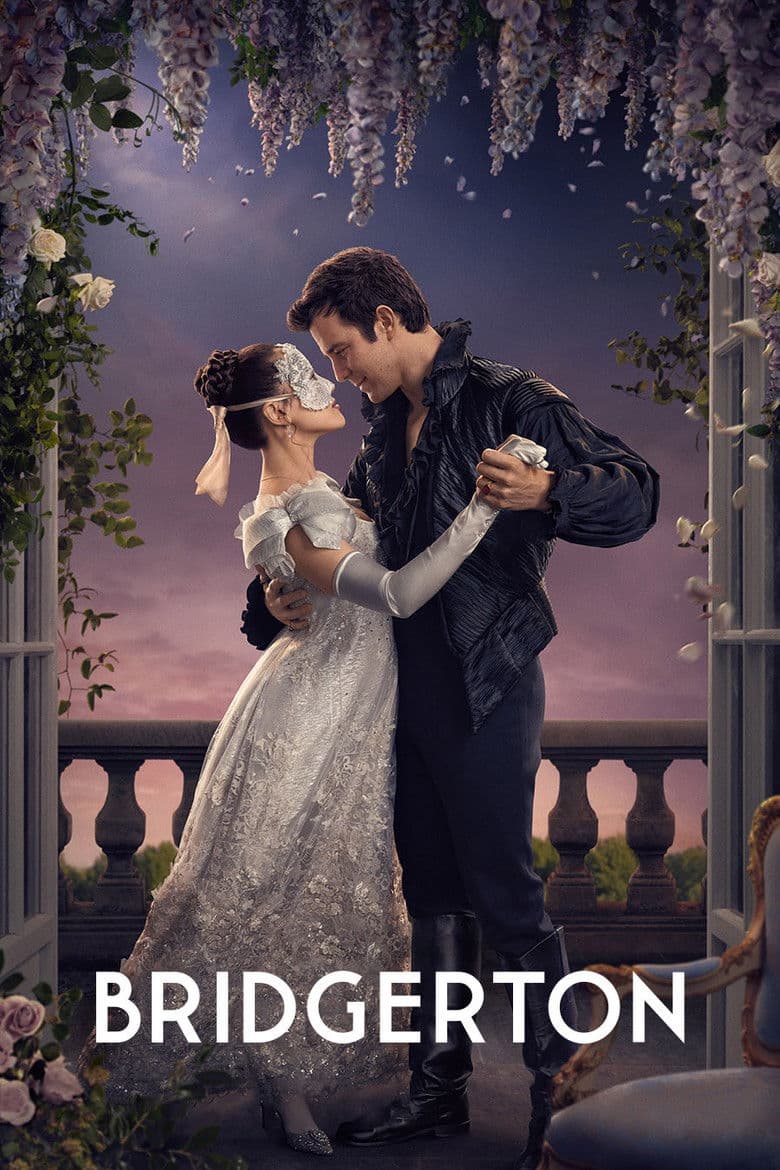
Started December 25, 2020 · Returning Series · Based on 4 seasons, 32 episodes through February 26, 2026 · TV-MA
Bridgerton is a romance drama set in Regency-era England. The show follows the eight siblings of the wealthy Bridgerton family as they look for love in London high society. Each season focuses on a different sibling trying to find a spouse while navigating gossip and social rules. The tone of the series is very colorful, dramatic, and filled with modern pop music played by classical instruments. Viewers will easily notice many modern woke elements throughout the show. The series uses diverse casting to create a fictional, post-racial society with minority nobles and a black Queen. Female characters frequently give speeches about feminist independence and patriarchy. The show also features prominent queer themes, including Benedict's pansexuality and a major gender-swapped lesbian romance for Francesca. These progressive choices are central to the story and highly visible to anyone watching.
Community feedback
Was our 97% Woke rating accurate?
Breakdown
These are the editorial factors and ratings behind our score for Bridgerton.
Woke representation / casting
The show uses color-conscious casting to completely reinvent Regency England. It places black, Asian, and other minority actors in prominent noble roles. This includes Queen Charlotte, Duke Simon, Kate Sharma, and Season 4's Sophie Baek. This choice is a central design choice of the series, not just incidental representation.
90%
Woke political dialogue
The show has modern feminist dialogue. Characters, especially Eloise, frequently complain about the patriarchy. They talk about the unfair expectations placed on women. They speak of the marriage market as a form of transaction. However, the dialogue rarely tackles modern real-world political movements directly, framing it instead as period-specific feminist rebellion with a modern tone.
65%
Identity-driven story themes
The show heavily centers on modern identity-driven themes. This includes female independence and queer relationships. Season 3 features Benedict's pansexual exploration. It also introduces Michaela Stirling, gender-swapping a major male character from the books to set up a lesbian romance for Francesca. These plotlines shift the narrative from traditional romance to modern queer identity and sexual awakening.
85%
Western institutional / cultural critique
The show critiques traditional Western societal structures. It frames 19th-century marriage and gender roles as highly restrictive and patriarchal. Heteronormative family structures are challenged through queer storylines. In Season 4, the narrative critiques class privilege, depicting the wealthy as indifferent to the struggles of working-class servants, framing Benedict's traditional offer to Sophie as class exploitation.
70%
Woke character or canon changes
The adaptation makes major, identity-driven changes to the source material. It race-swaps several characters, such as the Sharmas and Season 4's Sophie Baek. Most significantly, it gender-swaps Michael Stirling from the books into Michaela Stirling. This changes Francesca's ultimate romance from heterosexual to lesbian. Benedict's book counterpart is heterosexual, but the show rewrote him as pansexual.
95%
Anti-woke backlash and complaints
The show has faced intense backlash from viewers who criticize its progressive changes. Early complaints focused on "woke casting" and historical inaccuracy. The backlash peaked with the introduction of Michaela Stirling. Fans launched petitions and review-bombed Season 4 over the gender-swap. They accused the show of abandoning the books to push a queer political agenda.
90%
Creator track record context
The show's creative team has a moderate activist footprint. Casting director Kelly Valentine Hendry (67) advocates for industry representation. Writers Chris Van Dusen (54) and Jess Brownell (43) prioritize inclusive storytelling. However, other directors and writers have low scores with no public activist profiles. This keeps the collective creator track record in the moderate range.
38%
Production
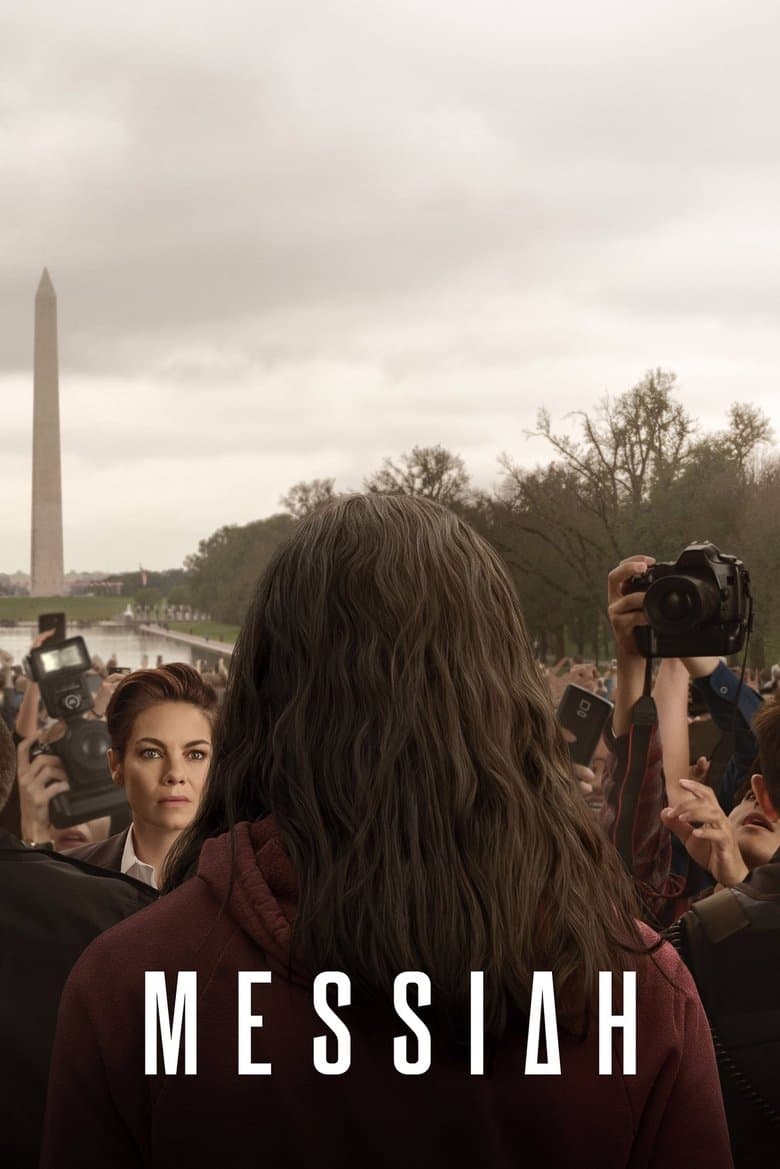
TV Show · 2020
A wary CIA officer investigates a charismatic man who sparks a spiritual movement and stirs political unrest. Who exactly is he? And what does he want?
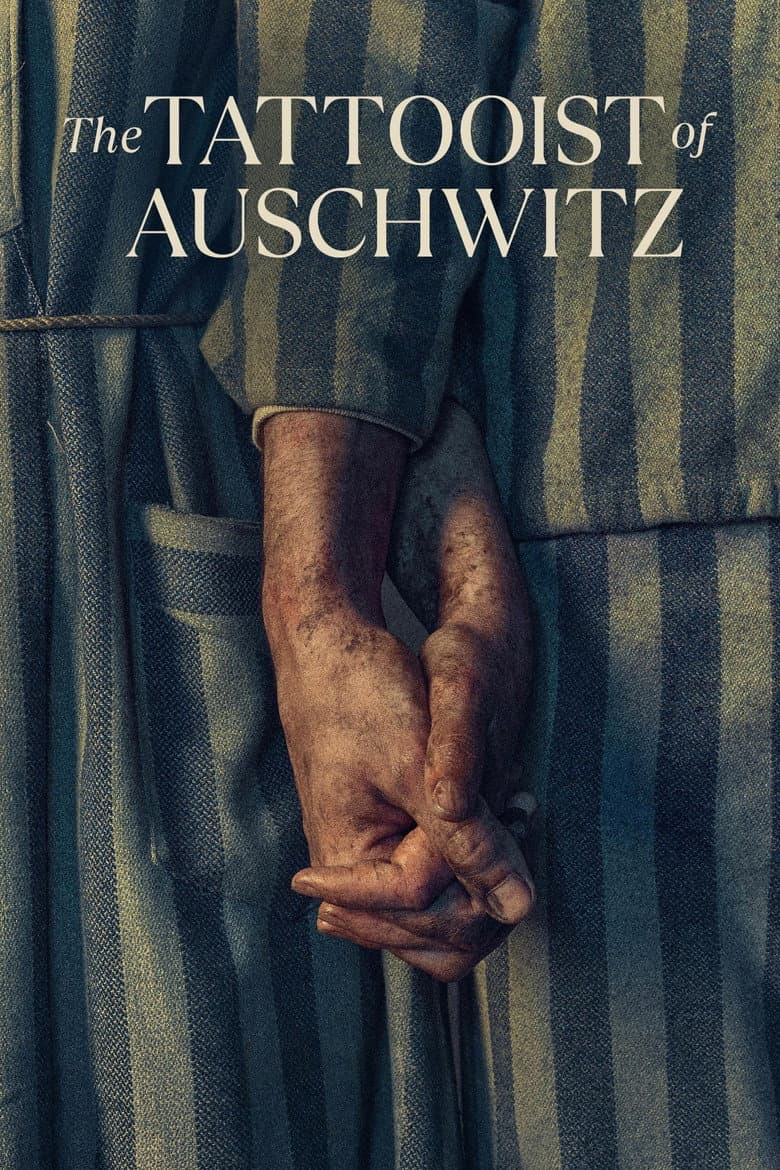
TV Show · 2024
The powerful real-life story of Lali Sokolov, a Jewish prisoner who was tasked with tattooing ID numbers on prisoners' arms in the Auschwitz-Birkenau concentration camp during…
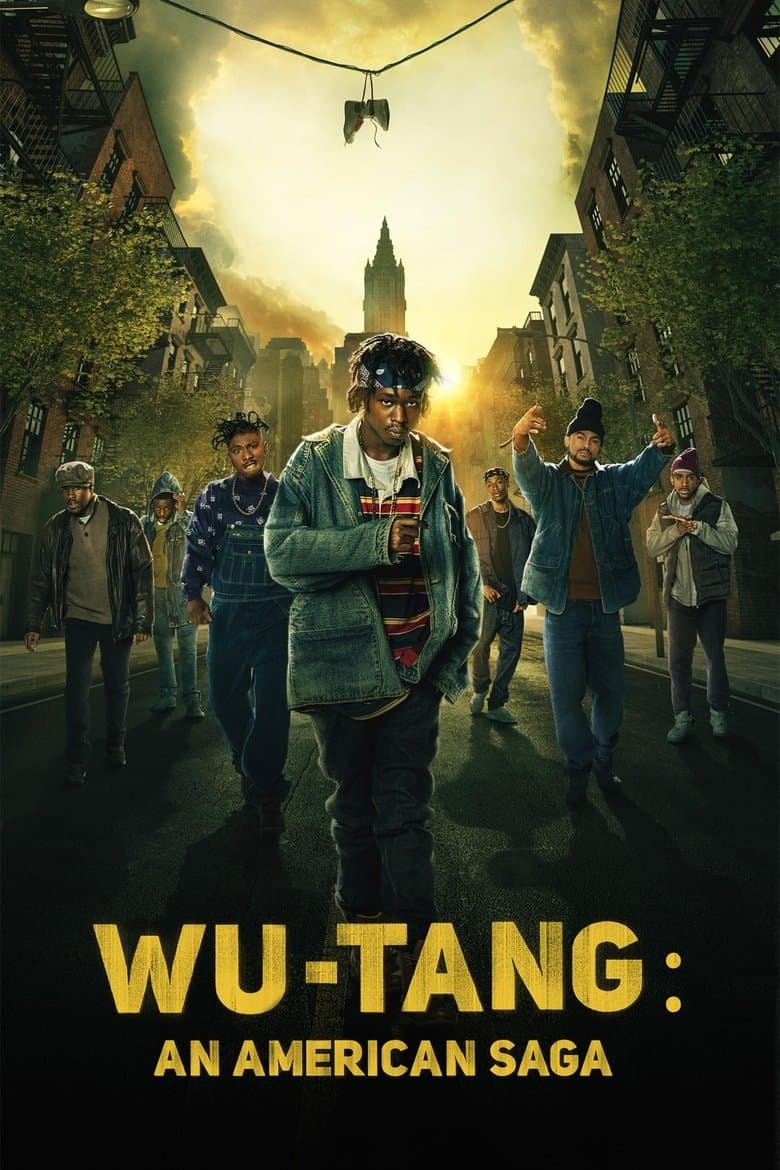
TV Show · 2019
In the early 1990s in New York, during the height of the crack cocaine epidemic, a visionary musician named Bobby Diggs aka The RZA begins to form a super group of a dozen young…
TV Show · 2022
Oscar-winning producer Al Ruddy’s never before revealed experiences of making the iconic 1972 film The Godfather that Francis Ford Coppola directed and adapted with Mario Puzo.
TV Show · 2024
In Japan in the year 1600, at the dawn of a century-defining civil war, Lord Yoshii Toranaga is fighting for his life as his enemies on the Council of Regents unite against him…
TV Show · 2023
The story of Bass Reeves, the legendary lawman of the wild West, is brought to life. Reeves worked in the post-Reconstruction era as a federal peace officer in the Indian…
TV Show · 2026
As the Kargil War erupts between India and Pakistan, the Golden Arrows squadron of the Air Force takes flight on a dangerous mission behind enemy lines.
TV Show · 2021
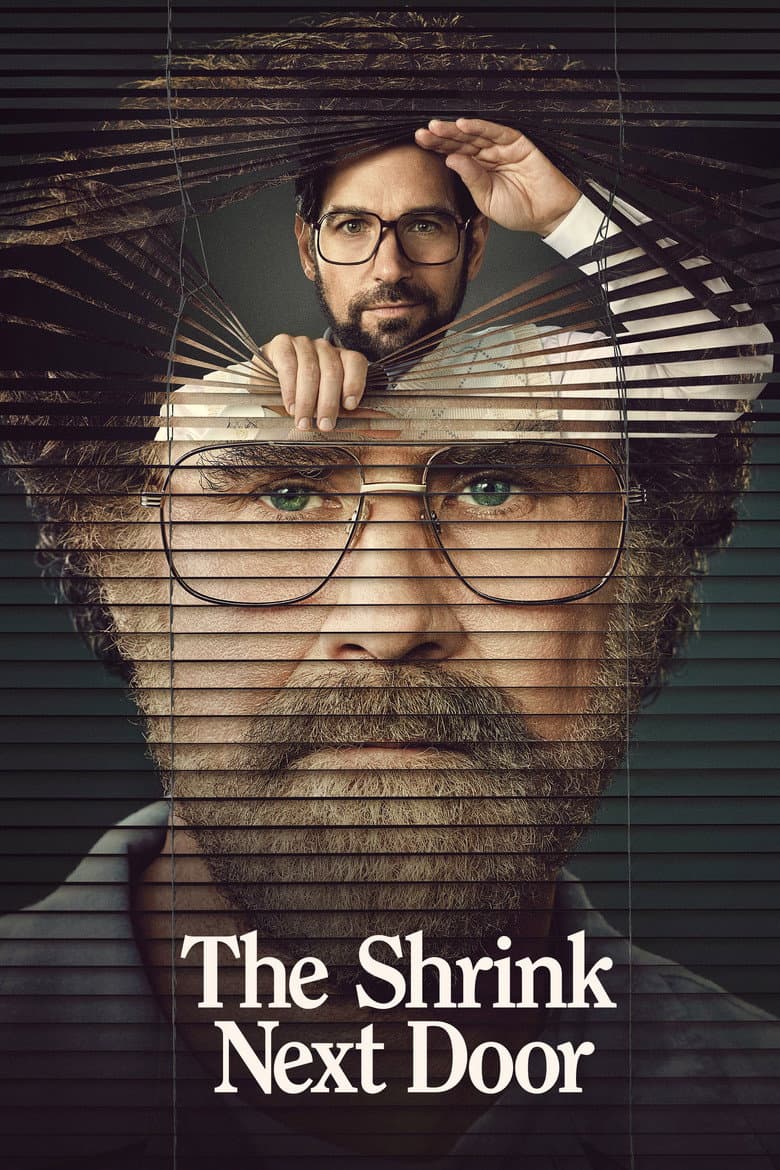
Inspired by the true story of Marty and the therapist who turned his life around...then took it over. When he first meets Dr. Ike, Marty just wants to get better at boundaries.
