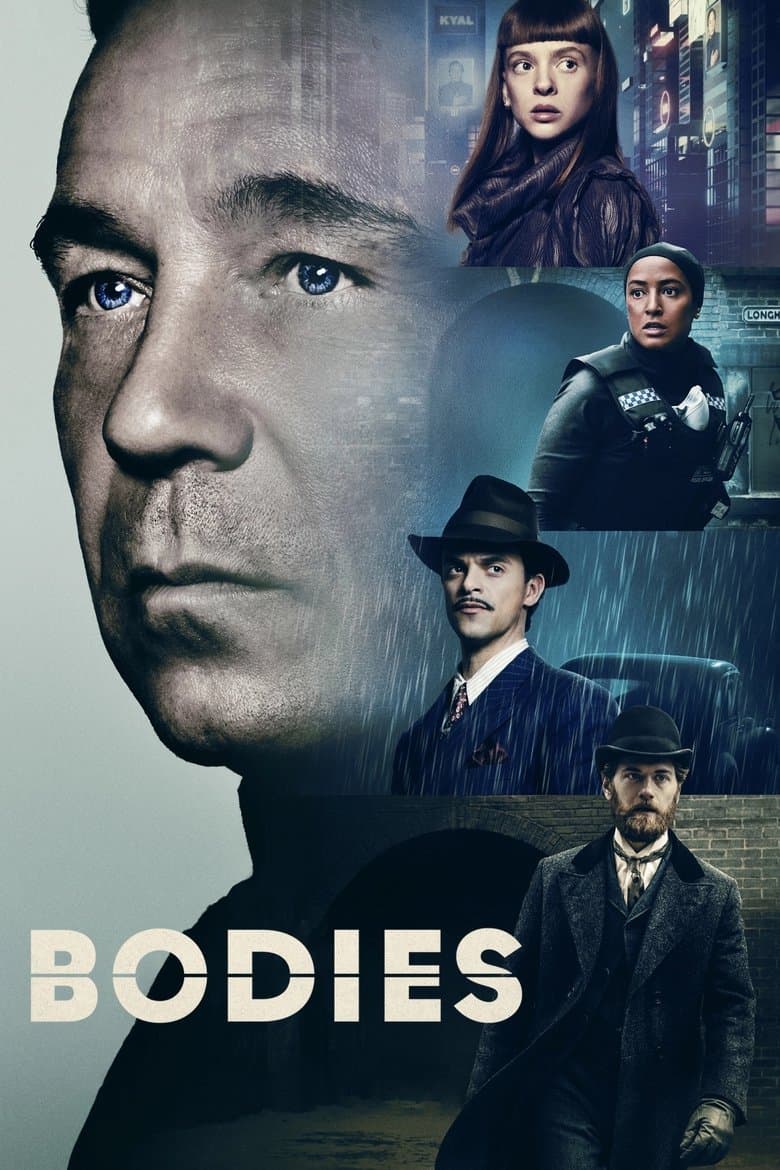
Started October 19, 2023 · Ended · Based on 1 season, 8 episodes through October 19, 2023 · TV-MA
Bodies follows four London detectives who find the same naked body in the same alley in 1890, 1941, 2023, and 2053. Alfred Hillinghead, Charles Whiteman, Shahara Hasan, and Iris Maplewood investigate the murder in different times, while their clues join together. The case leads to Elias Mannix, a lonely boy who becomes the leader of a harsh future government and tries to control history. The show combines police mystery, period crime, time travel, and dark science fiction.
The show gives its four leads clear identity-based stories that viewers can see throughout the mystery. Hasan is a mixed Nigerian and Bengali Muslim single mother, Whiteman is a Jewish detective facing abuse, Hillinghead hides his love for a man, and Maplewood is a disabled detective who serves a harsh state before helping break its time loop. These stories create a noticeable representation and identity theme. They support the murder puzzle instead of replacing it with political speeches. The show criticizes far-right violence, prejudice, and state control, but it does not focus on attacking ordinary Western family life, faith, or society.
Community feedback
Was our 58% Woke rating accurate?
Breakdown
These are the editorial factors and ratings behind our score for Bodies.
Woke representation / casting
The show places four detectives at the center, and each lead has a visible identity detail. Hasan is a Muslim mixed-race woman and single mother in 2023. Whiteman is Jewish, Hillinghead is closeted and attracted to men, and Maplewood is a disabled woman in 2053. The pattern is easy to notice, although most choices fit the character or time period instead of looking like a forced modern swap.
44%
Woke political dialogue
The 2023 story opens with Hasan policing a far-right rally and calls attention to right-wing violence. The 1941 story includes an officer using an anti-Jewish slur against Whiteman. The show also has brief talk about a bombing, terror groups, free will, and state power. The dialogue stays tied to the mystery and time periods, so it does not become a modern activist speech.
26%
Identity-driven story themes
The detectives’ personal struggles repeat the idea that people can be controlled or hurt because of who they are. Hillinghead hides a same-sex relationship, tells his wife the truth, and faces danger in 1890. Whiteman hides that he is Jewish, while Hasan faces a hostile rally as a Muslim woman and Maplewood lives with a disability under a strict future state. These arcs add a strong identity layer, but the time-travel mystery remains the main plot.
58%
Western institutional / cultural critique
The show presents a far-right rally as a danger in modern London and shows police prejudice against Jews in 1941. The future is ruled by a harsh state that demands obedience from citizens and police. The story rejects these groups and systems, but it treats them as villains in a time-travel thriller. It does not spend much time attacking ordinary Western family life, faith, or society.
18%
Woke character or canon changes
Not relevant. Adaptation stays faithful to the graphic novel's diverse archetypes without ideological swaps or alterations to established source material.
0%
Anti-woke backlash and complaints
One Spectator review called the show politically correct and objected to its Muslim detective, Jewish storyline, and gay Victorian subplot. Some UK forum users called the show woke or said these parts felt added as a checklist. A smaller European review made similar complaints about Netflix’s inclusive style. Many Letterboxd and Reddit posts focused on the mystery, acting, ending, or the Hillinghead and Ashe romance. The backlash was real but scattered, and it did not become a major public controversy.
28%
Creator track record context
Paul Tomalin and Danusia Samal provide the clearest identity and diversity signal among the key writers. Tomalin has publicly supported diverse representation and casting linked to lived experience, while Samal often works with identity and activism themes. Si Spencer, the directors, producer, and casting team have no strong public activist record in the available creator history. Amaka Okafor said the writing let Hasan be a full person instead of only an issue, which makes the show feel less like a message-first project.
34%
Production
TV Show · 2017
A missing child sets four families on a frantic hunt for answers as they unearth a mind-bending mystery that spans three generations.
TV Show · 2016
Kyle Barnes has been plagued by possession since he was a child. Now an adult, he embarks on a spiritual journey to find answers, but what he uncovers could mean the end of life…
TV Show · 2024
When a fatal accident occurs on board the International Space Station, a lone astronaut makes the heroic journey back to Earth, only to discover key pieces of her life—including…
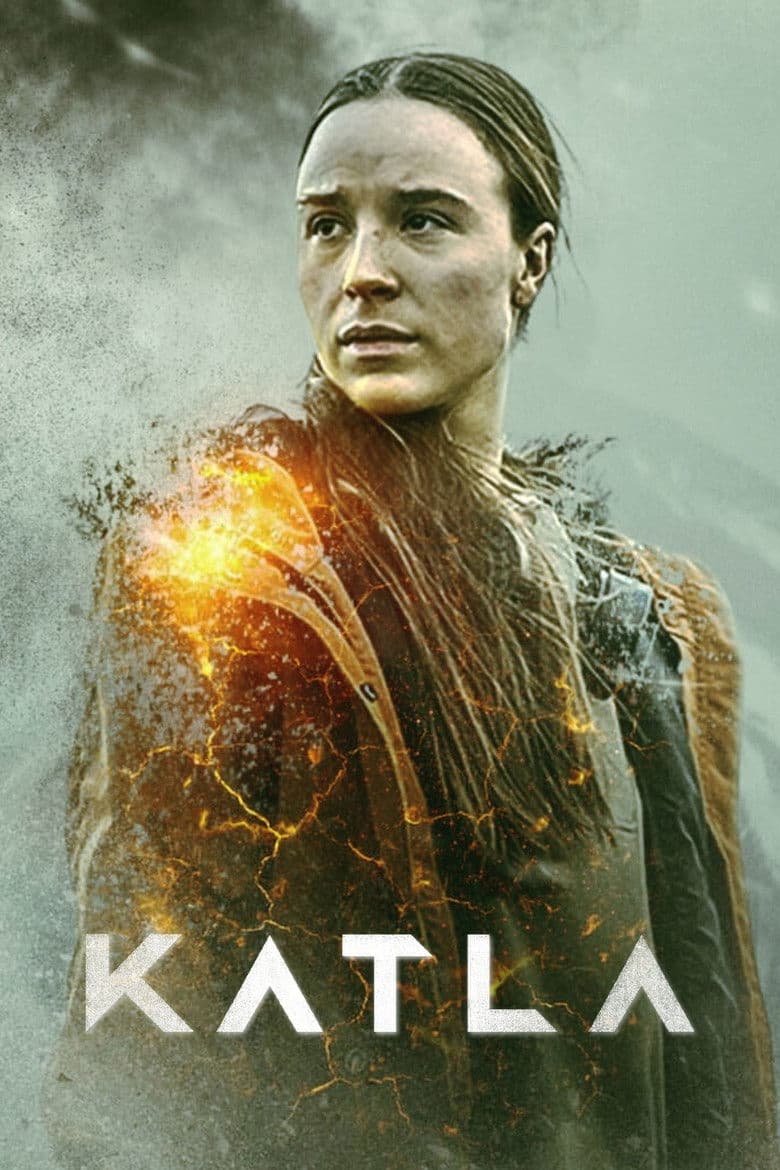
TV Show · 2021
A year after a subglacial volcano erupts, mysterious elements from prehistoric times emerge from the melting ice, bringing unforeseen consequences.
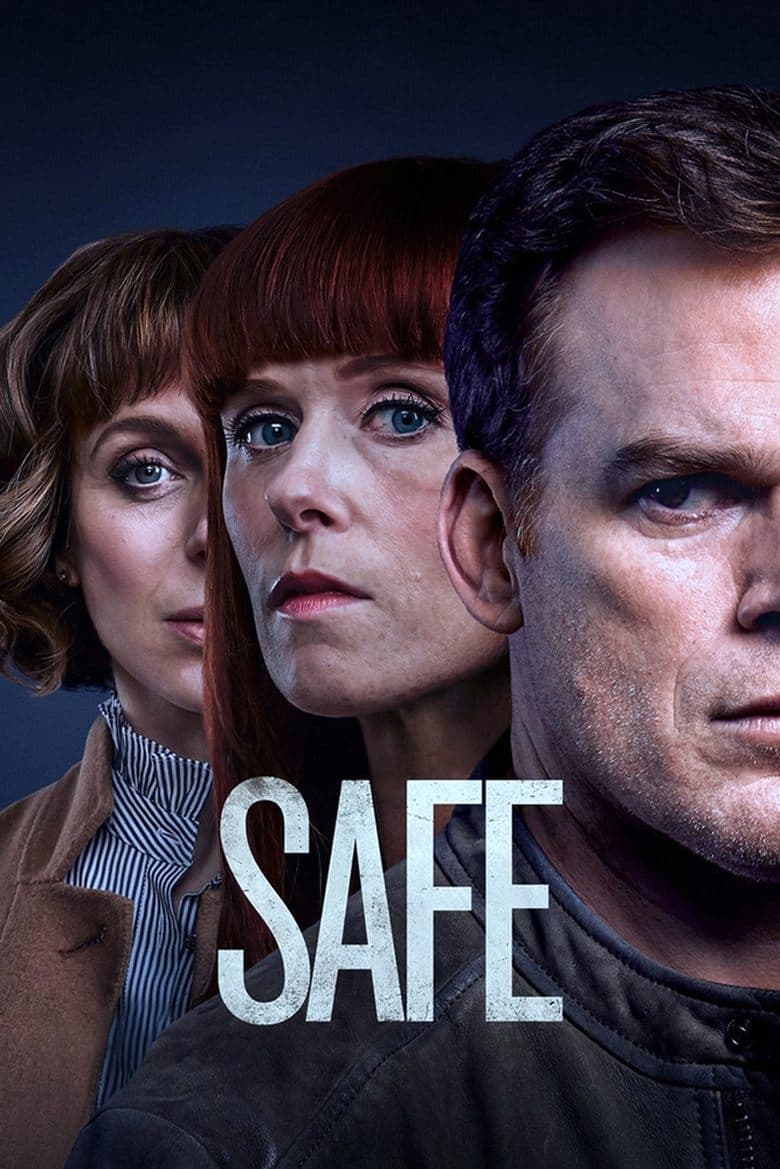
TV Show · 2018
After his daughter goes missing, a widower begins uncovering the dark secrets of the people closest to him.
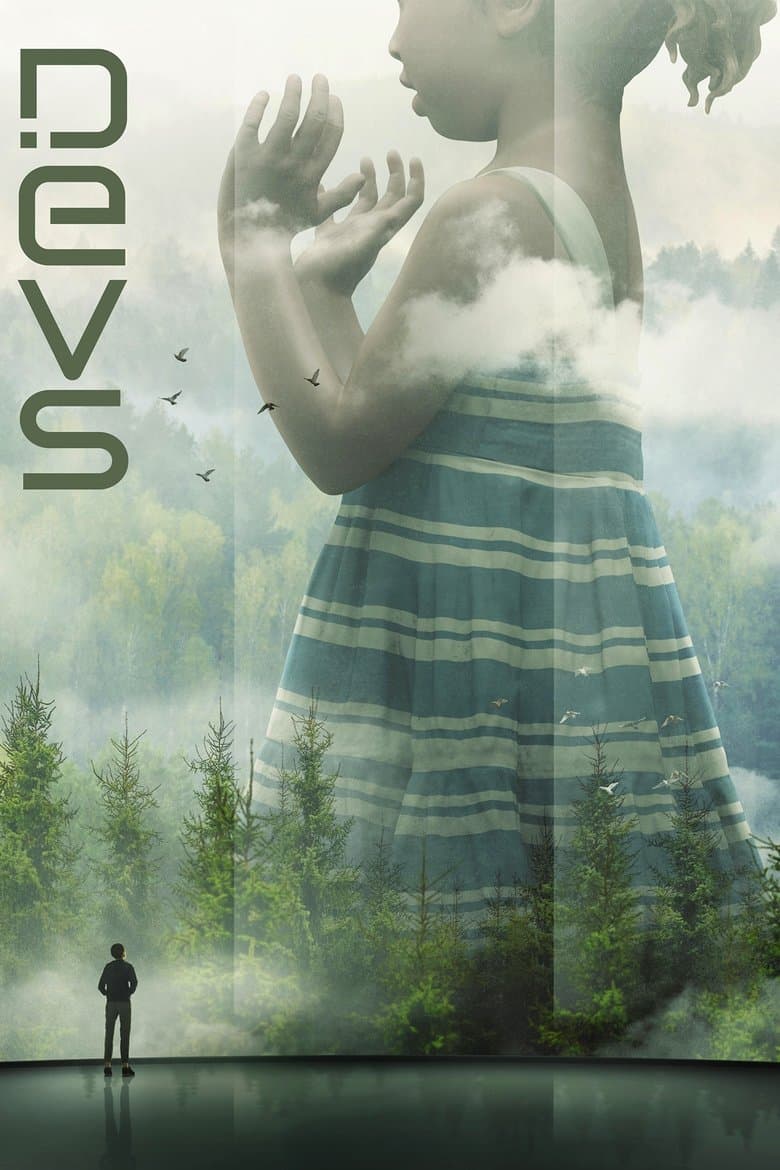
TV Show · 2020
Young computer engineer Lily Chan investigates the secretive development division of her employer, a cutting-edge tech company based in San Francisco, which she believes is behind…
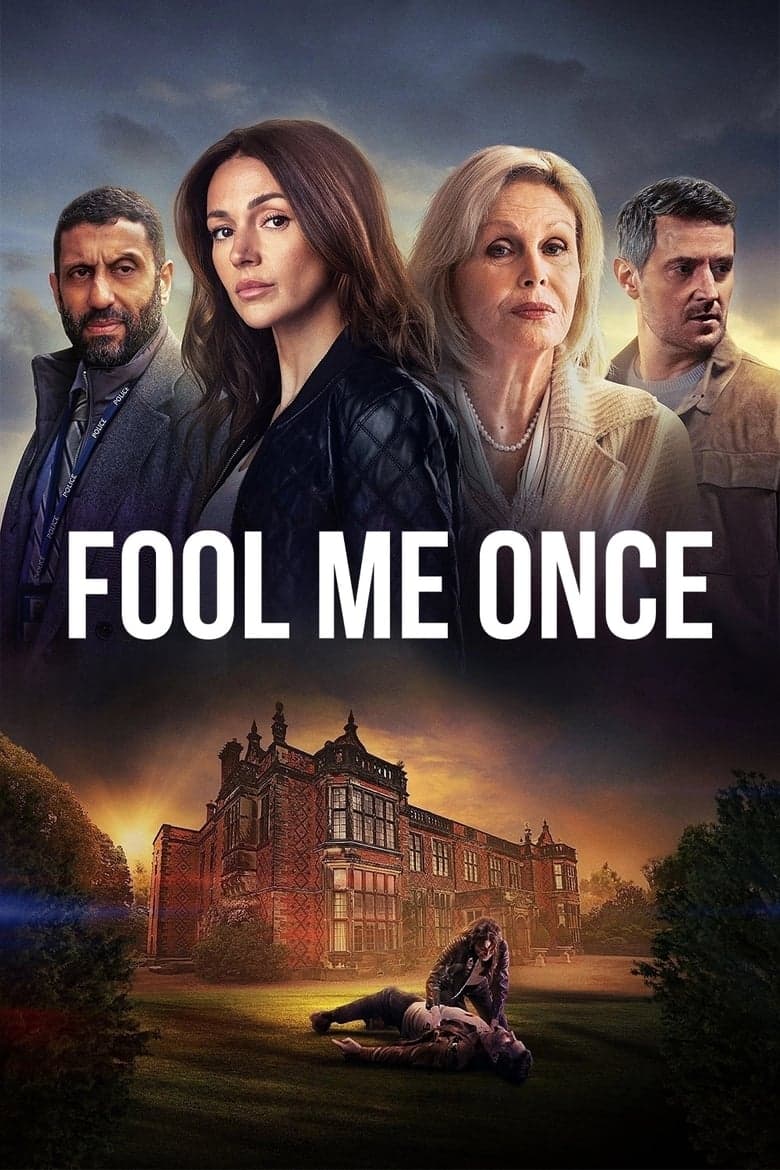
TV Show · 2024
When ex-soldier Maya sees her murdered husband on a secret nanny cam, she uncovers a deadly conspiracy that stretches deep into the past.
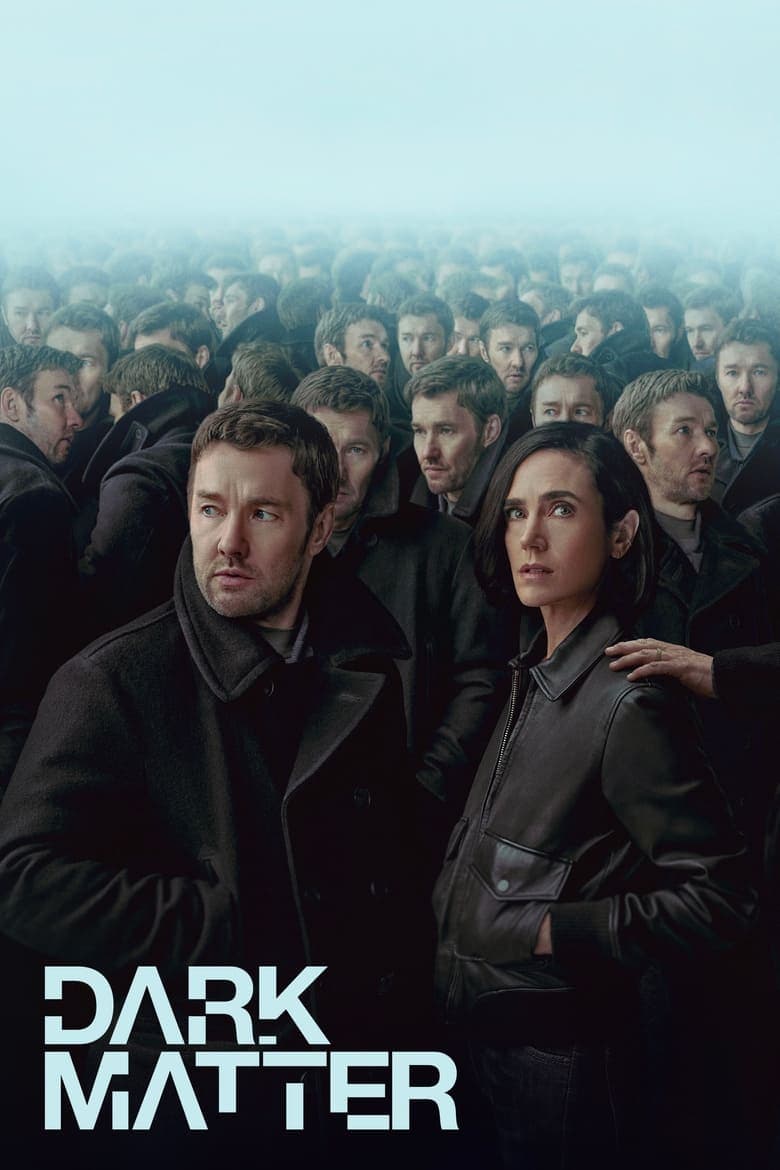
TV Show · 2024
Jason Dessen is abducted into an alternate version of his life. To get back to his true family, he embarks on a harrowing journey to save them from the most terrifying foe…
