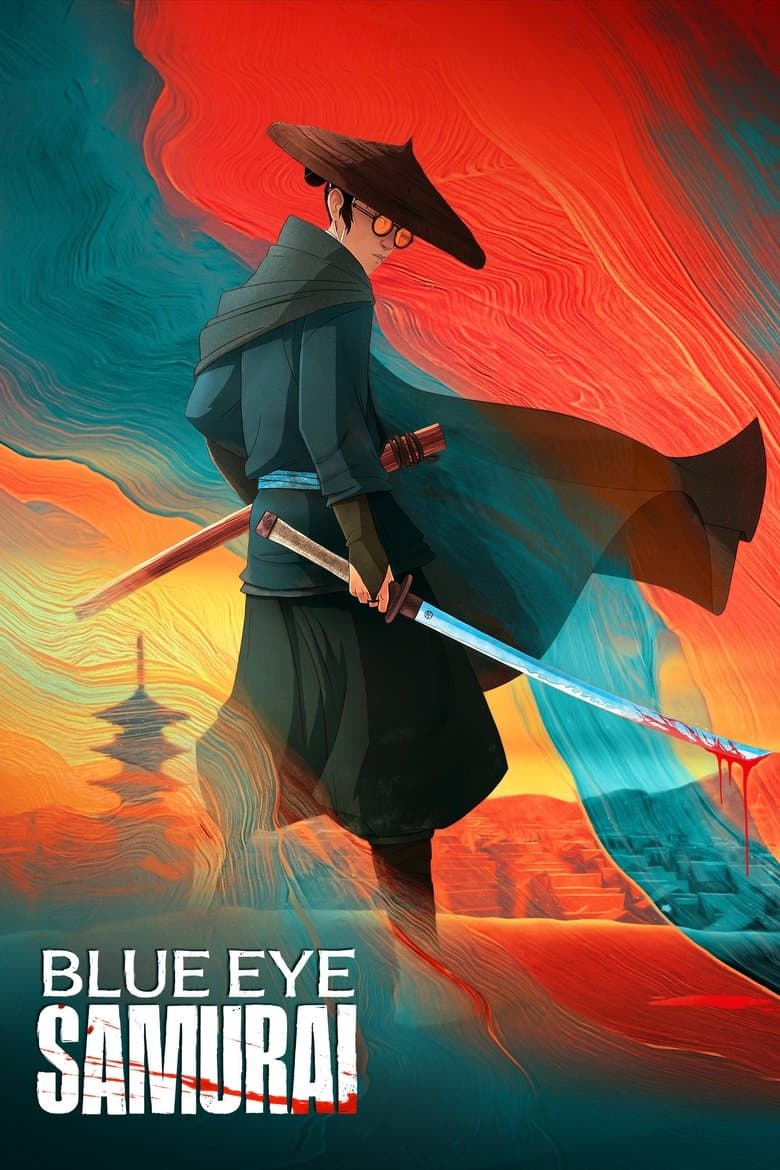
Started November 3, 2023 · Returning Series · Based on 1 season, 8 episodes through November 3, 2023 · TV-MA
Blue Eye Samurai is an adult animated show set in Edo Japan. It follows Mizu, a mixed Japanese and white warrior with blue eyes who lives under deep shame and hate for her birth. She hides that she is a woman and seeks revenge on the only four white men in Japan, including the man who may be her father. Beside her story runs Princess Akemi, who tries to claim her own life inside elite marriage rules that treat women as property. The plot also includes Ringo, who faces stigma for his missing hands, and a blind sword teacher who shapes Mizu’s path.
Viewers clearly see themes of mixed race shame, fear of outsiders under Japan’s closed borders, and double otherness from race and gender. Mizu’s male disguise, Akemi’s fight against limited paths for women, and the way disability marks Ringo are not small side notes. They drive the main plot and character arcs. White outsiders appear as smugglers and arms dealers who bring guns, opium, and plans to force Japan open. The show also criticizes Japanese isolation and purity rules, so it is not only an attack on the West. Season 1 is the only season released so far.
Community feedback
Was our 73% Woke rating accurate?
Breakdown
These are the editorial factors and ratings behind our score for BLUE EYE SAMURAI.
Woke representation / casting
The lead is mixed race by design and voiced by mixed Japanese white Maya Erskine. The voice cast is mostly Asian, which fits Edo Japan rather than a modern one of each cast. Creators still pushed Asian representation, disability on screen, and a highly skilled woman warrior as the center. That identity focus shows in casting and marketing, not as random race swaps of old roles.
46%
Woke political dialogue
Characters often talk about being different and about power between men and women. Mizu is called a creature of shame tied to white men. Akemi rejects the idea that women are property and resents how few paths women get. Brothel scenes spell out how few choices women have. The talk sounds period flavored, not like modern slogans, but race, gender, and status come up enough that many viewers will notice.
44%
Identity-driven story themes
The main engine is mixed race shame, fear of outsiders under closed borders, and being othered for both race and gender. Mizu’s revenge, her male disguise, Akemi’s marriage politics, and Ringo’s disability stigma shape the plot and arcs. Creators built the show from multiracial life experience. The identity framing is strong and hard to miss, though it is not a queer centered story in the text.
76%
Western institutional / cultural critique
The show hits hard at traditional male control of women through marriage and limited options. White outsiders appear as smugglers and arms dealers who bring guns, opium, and plans to force Japan open, so foreign power looks villainous. It also critiques Japanese isolation and purity rules, so it is not only an anti West sermon. Patriarchal and colonial outsider beats are clear, but full modern systemic West bad framing is only partial.
47%
Woke character or canon changes
Not relevant. This is an original series, not an adaptation of established characters or historical figures rewritten for identity politics.
0%
Anti-woke backlash and complaints
There was no large mainstream scandal about the show being too woke. Scattered social posts call it girlboss, kinda woke, female focused, or claim men are bad and women stronger, sometimes while still praising the quality. The complaint set is thin and low volume and does not define how the show was received.
18%
Creator track record context
Co creators Amber Noizumi and Michael Green push the multiracial and representation framing of the show. Green has stressed diversity as central to storytelling. Other writers and directors add moderate identity signals while many episode directors and producers sit lower. Overall the showrunners lean clear on identity without making the whole team a pure activist slate.
42%
Production
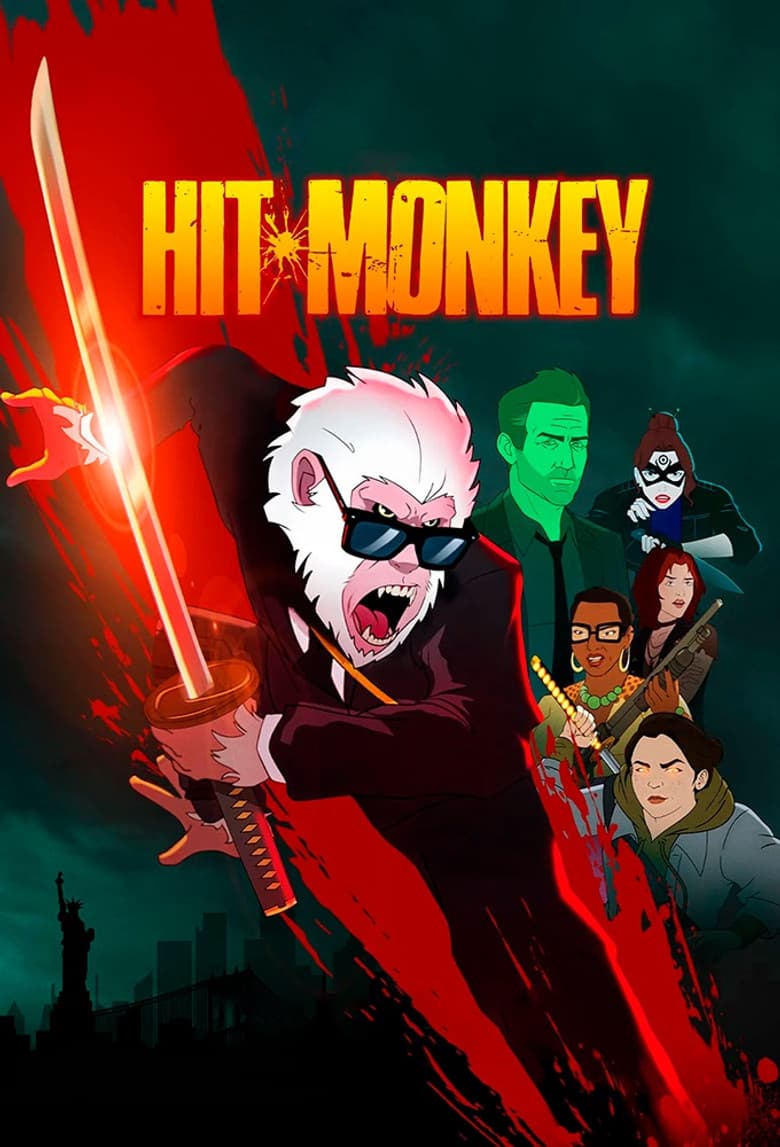
TV Show · 2021
After a high-profile political assassination goes sideways, an injured hitman hides out amongst a tribe of snow monkeys in the mountains of Japan.
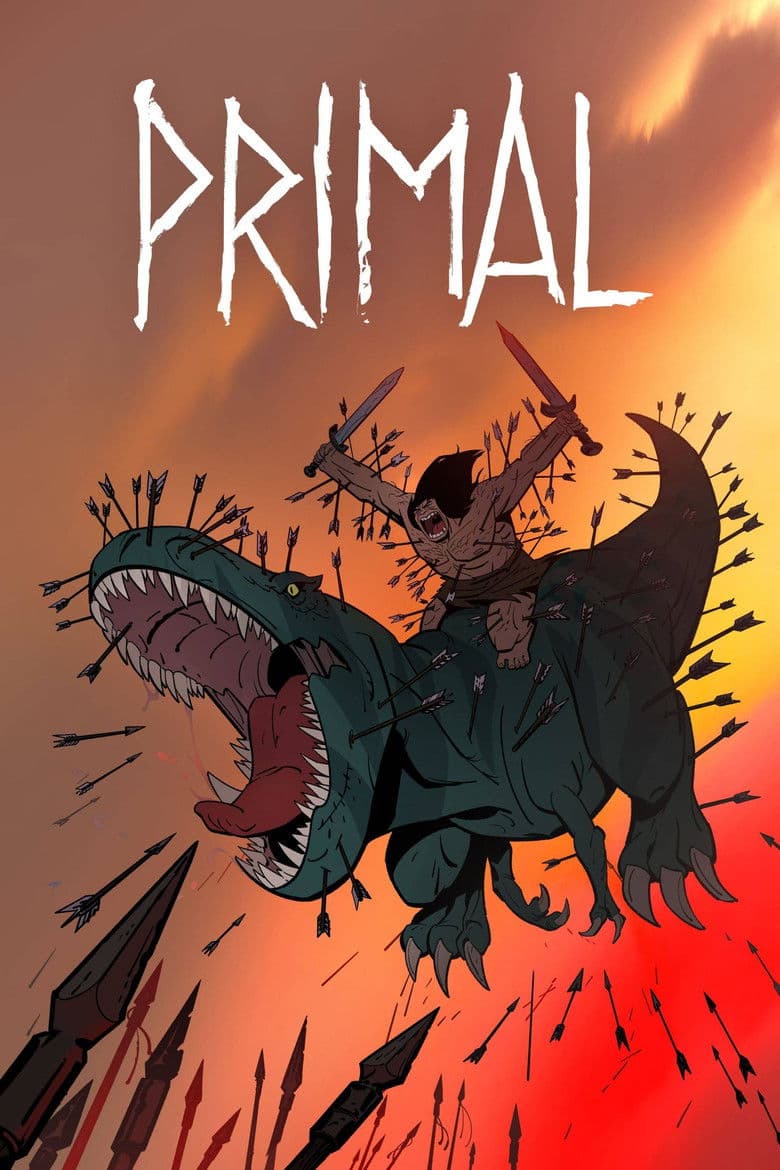
TV Show · 2019
A caveman forms a bond with a dinosaur as they struggle to survive in a hostile world.
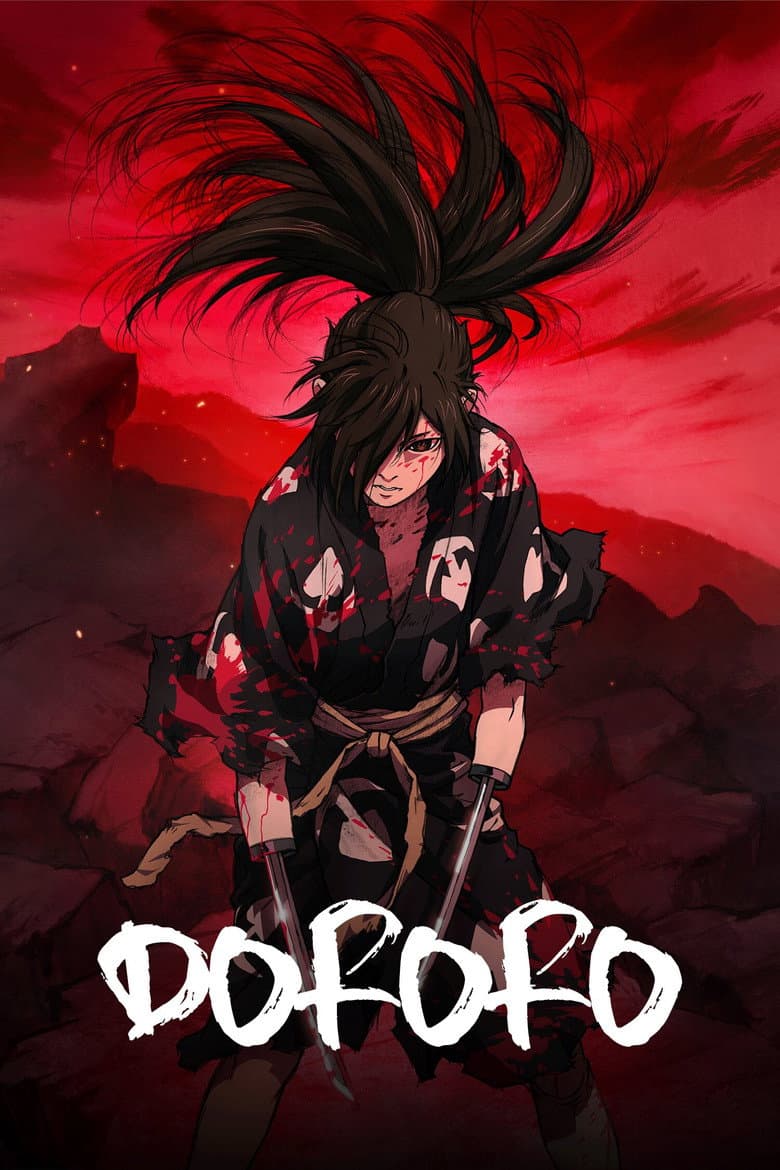
TV Show · 2019
During the Warring States period, the young thief Dororo encounters Hyakkimaru, a strange, sightless boy who wields fearsome prosthetics in place of his missing limbs.
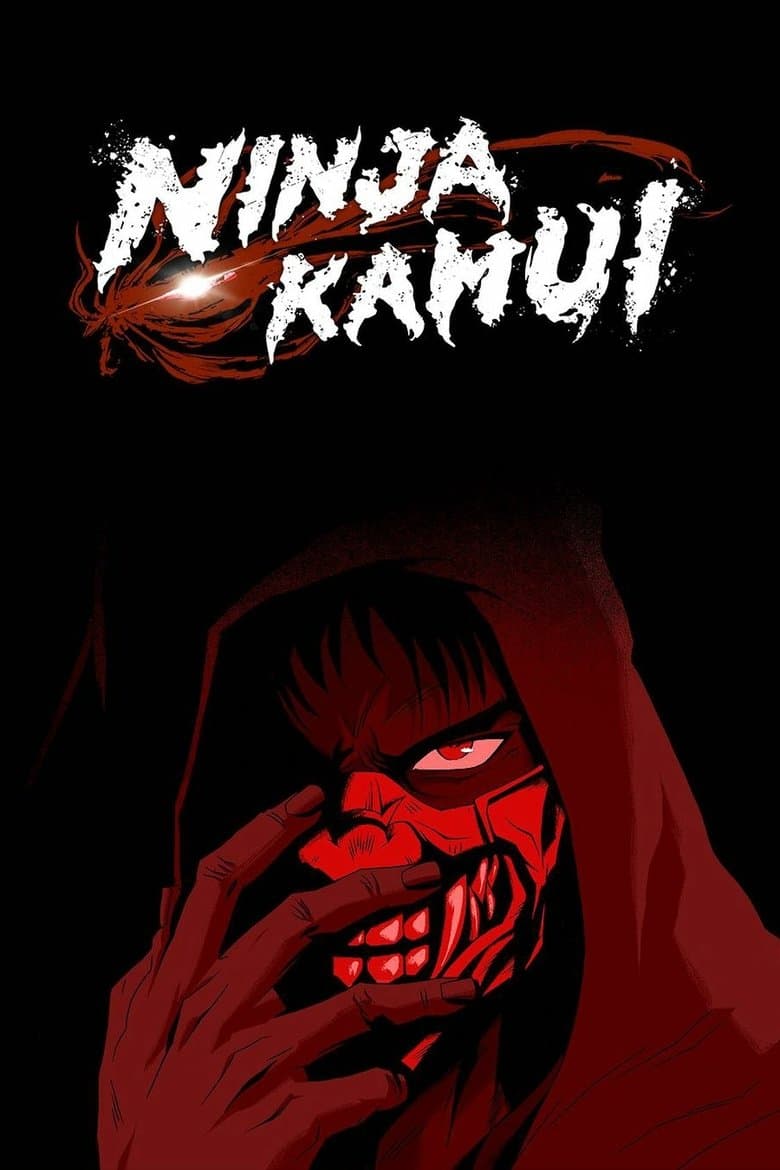
TV Show · 2024
A team of assassins exacts a bloody retribution on Joe Logan – a former ninja who escaped his clan – and his family for betraying their ancient code.
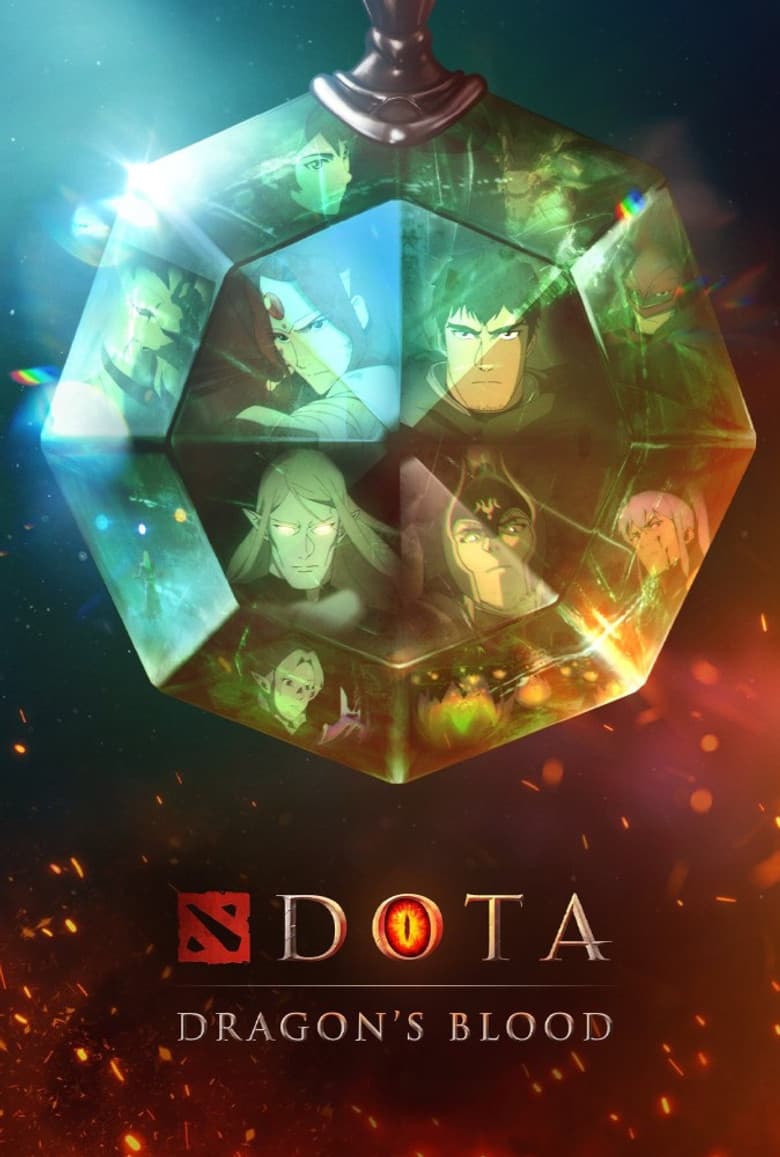
TV Show · 2021
After encounters with a dragon and a princess on her own mission, a Dragon Knight becomes embroiled in events larger than he could have ever imagined.
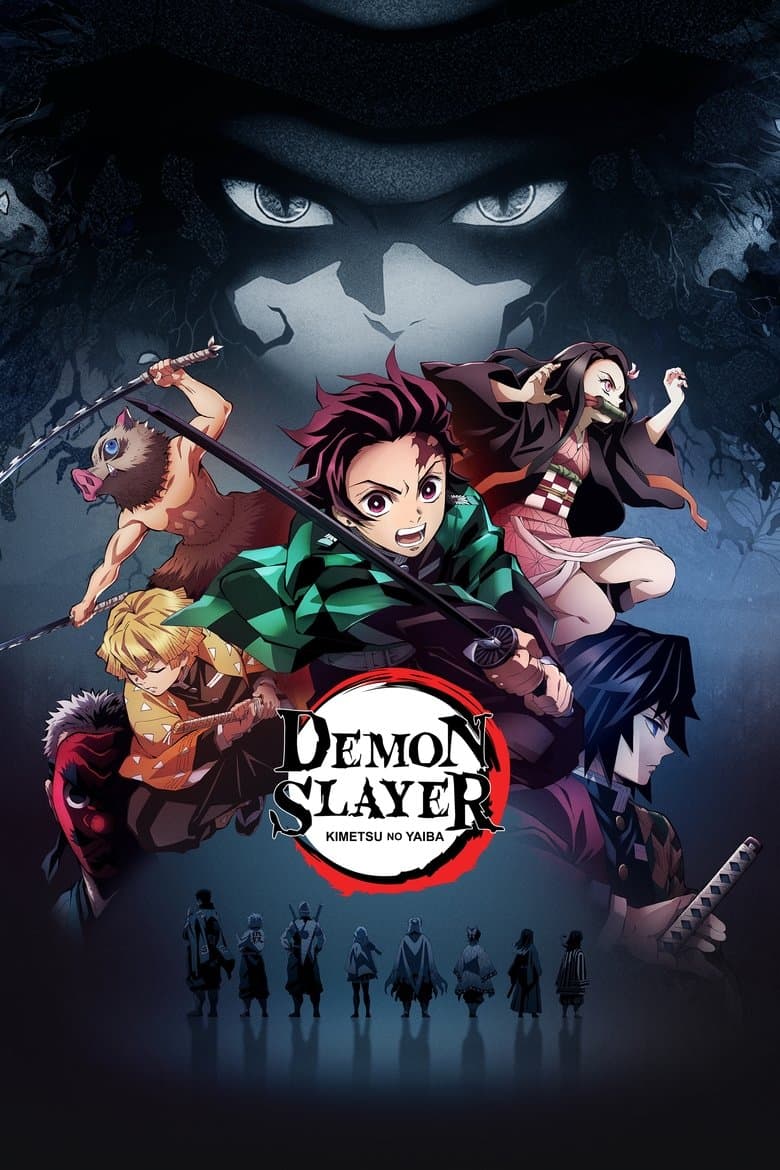
TV Show · 2019
After a demon attack leaves his family slain and his sister cursed, Tanjiro embarks upon a perilous journey to find a cure and avenge those he's lost.
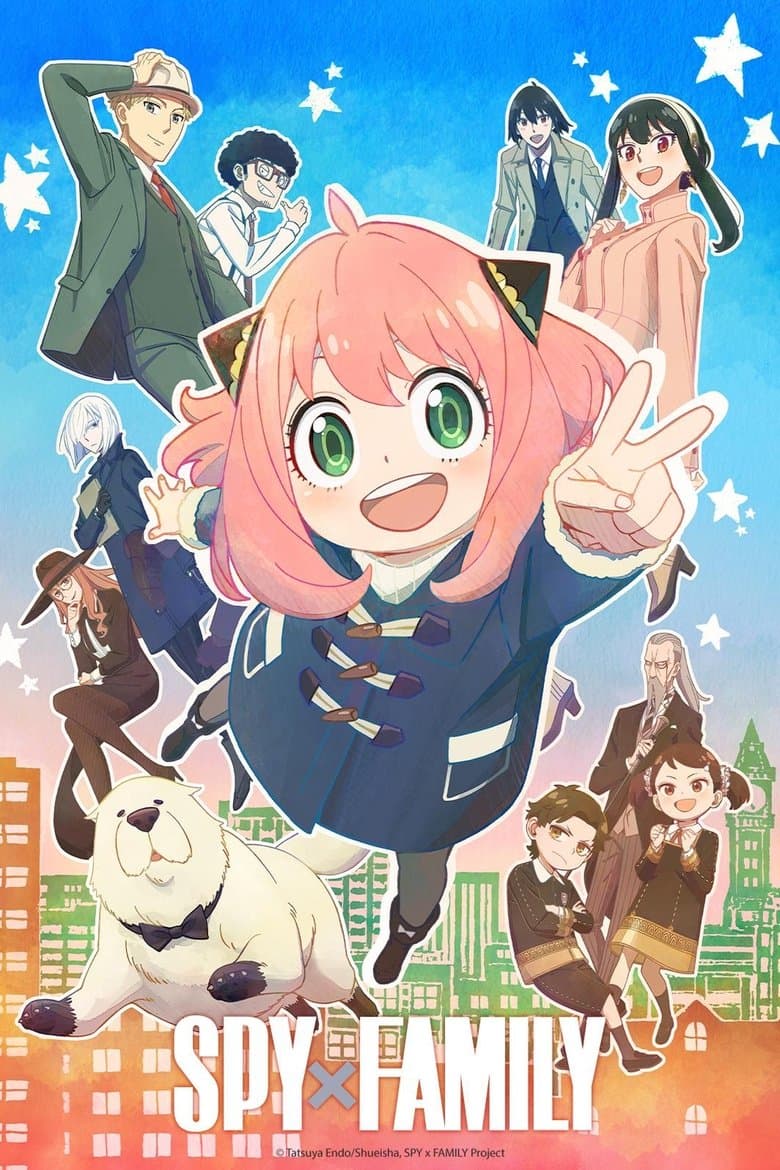
TV Show · 2022
A spy, an assassin and a telepath come together to pose as a family, each for their own reasons, while hiding their true identities from each other.
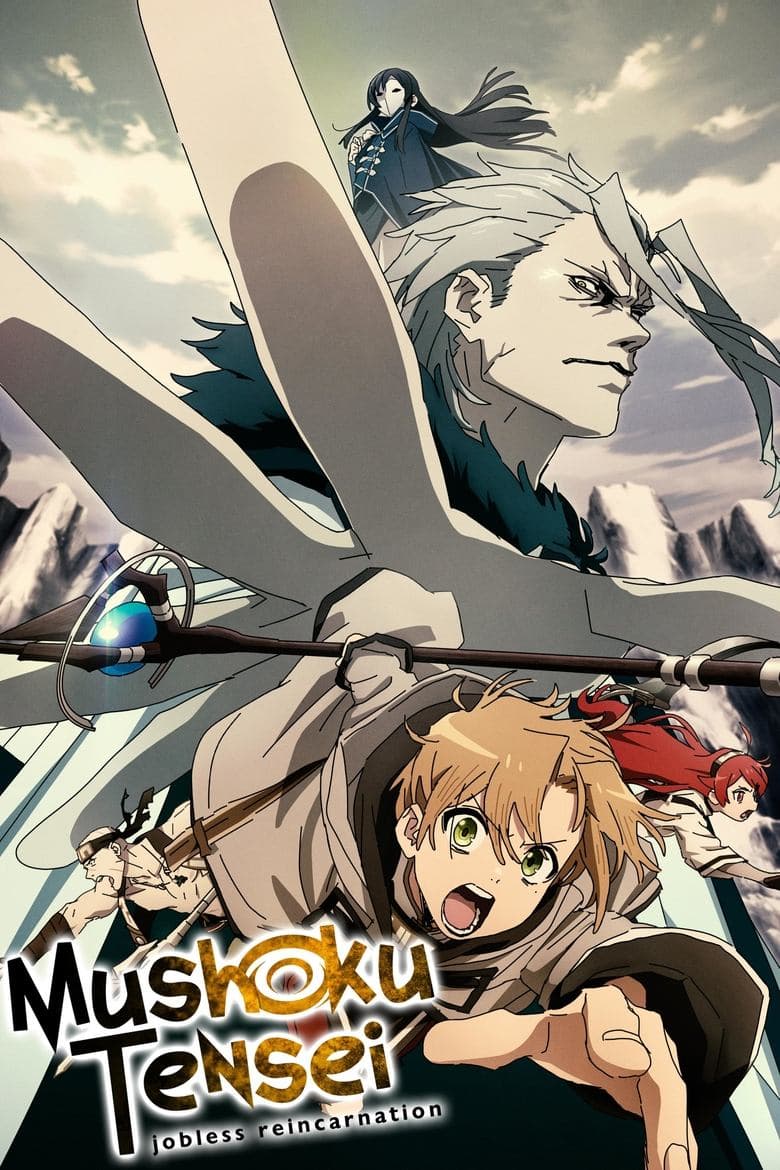
TV Show · 2021
When a 34-year-old underachiever gets run over by a truck, his story doesn't end there. Reincarnated in a new world as an infant, Rudy will seize every opportunity to live the…
