
Started February 19, 2017 · Ended · Based on 2 seasons, 14 episodes through July 21, 2019 · TV-MA
The show follows rich mothers in Monterey whose private lives fill with affairs, abuse, rape trauma, and school fights. Their secrets crash together when a man dies at a school fundraiser. Season one adapts Liane Moriarty's novel and shows that Perry Wright hurt Celeste and raped Jane. The women confront him and he dies. Season two follows guilt, a cover-up, custody fights, and pressure from Perry's mother while Bonnie faces old trauma.
The story puts women's pain and solidarity at the center, with domestic violence and rape as major drivers. Viewers also see working mothers judged more harshly than men, and husbands who control or fail them. Bonnie is a main black character, and Season two adds more Black and South Asian supporting roles plus a married gay couple among school parents. Gender and feminist themes matter more than race or queer plots. The show frames male violence and entitlement as the force under polished PTA life, with only a light race-isolation note for Bonnie.
Community feedback
Was our 55% Woke rating accurate?
Breakdown
These are the editorial factors and ratings behind our score for Big Little Lies.
Woke representation / casting
The main group is mostly white rich women, but Bonnie is a clear black lead. A Black detective, Season 2 Black and South Asian supporting roles, and a gay married couple also appear. Modern Monterey can fit mixed casting, yet the diversity is easy to see on screen.
30%
Woke political dialogue
Most talk is about home life and personal conflict, not slogan activism. Viewers still hear points about women CEOs being called harsh names, PTA grudges, abuse cycles in therapy, and a fight over staging Avenue Q. Politics sit in the background of character fights, not as constant messaging.
22%
Identity-driven story themes
Both seasons center women’s private pain and sticking together after violence, rape, and harsh judgment of mothers. Season 2 adds guilt, custody power fights, and a lighter race-isolation note for Bonnie. Gender and feminist identity drive the story more than race or queer plots, with a gay couple only in the background.
52%
Western institutional / cultural critique
The series treats male violence, control, and entitlement as the rot under shiny marriage and PTA life. Working mothers and wives face harder judgment than men, and husbands often look controlling, weak, or secondary. That is a strong gender-norms critique, not an attack on church or capitalism, and wealth still looks glamorous.
48%
Woke character or canon changes
Normal adaptation moves like shifting Australia to Monterey do not count here. Casting Bonnie as black is a real but limited identity-linked change from the novel’s unmarked Bonnie. Season 2 also leans Bonnie’s childhood abuse toward her mother, which is story invention more than a progressive rewrite of famous history.
18%
Anti-woke backlash and complaints
There was no big, lasting campaign calling the show too woke or DEI-driven. Some right-leaning and anti-feminist viewers said it bashed men, and some male critics waved it off as soapy women’s TV. Overall anti-woke complaint volume stayed thin.
12%
Creator track record context
Cached creative scores sit low to mild, from Moriarty at 9 through Arnold at 22. Arnold has backed more women directors, and Kelley and Moriarty mainly make relationship drama. Witherspoon and Kidman stress women’s stories and abuse awareness in public, which fits the show’s focus without a hard activist brand.
18%
Production
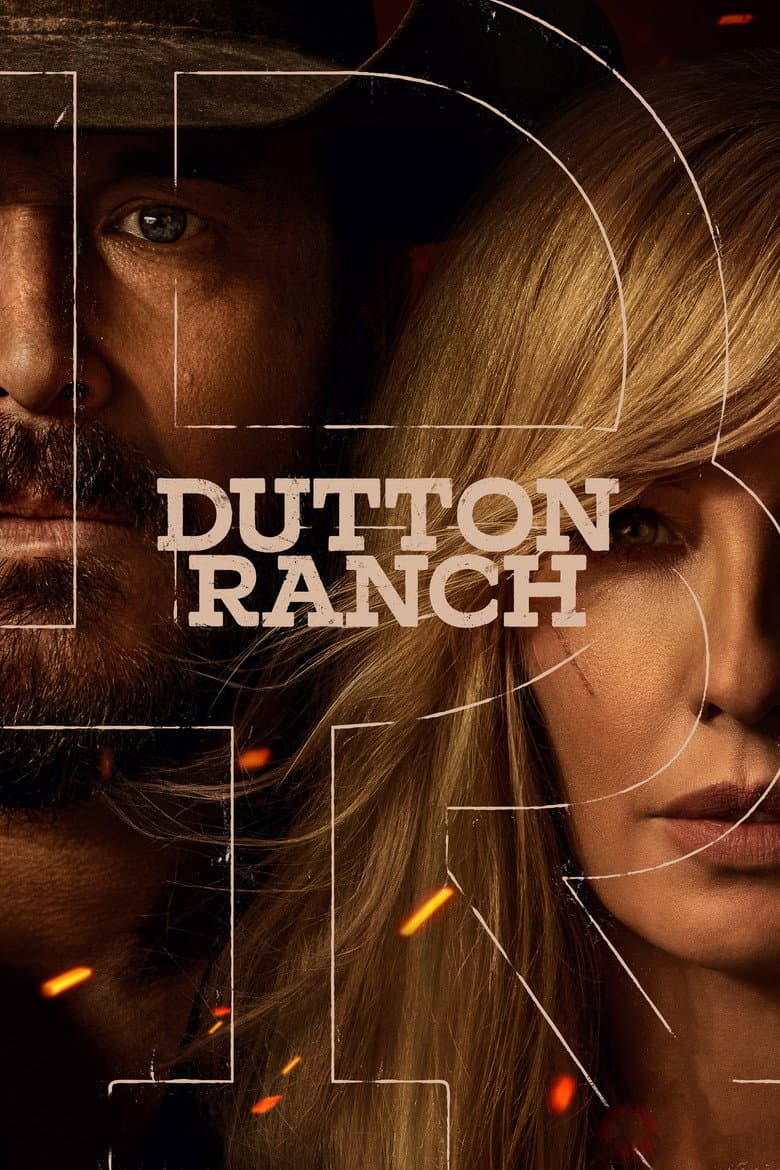
TV Show · 2026
Rip Wheeler and Beth Dutton gamble everything on a new life in South Texas, but the promise of building a future far from the ghosts of Yellowstone quickly collides with brutal…

TV Show · 2022
This sweeping saga chronicles the hopes and dreams of a Korean immigrant family across four generations as they leave their homeland in an indomitable quest to survive and thrive.
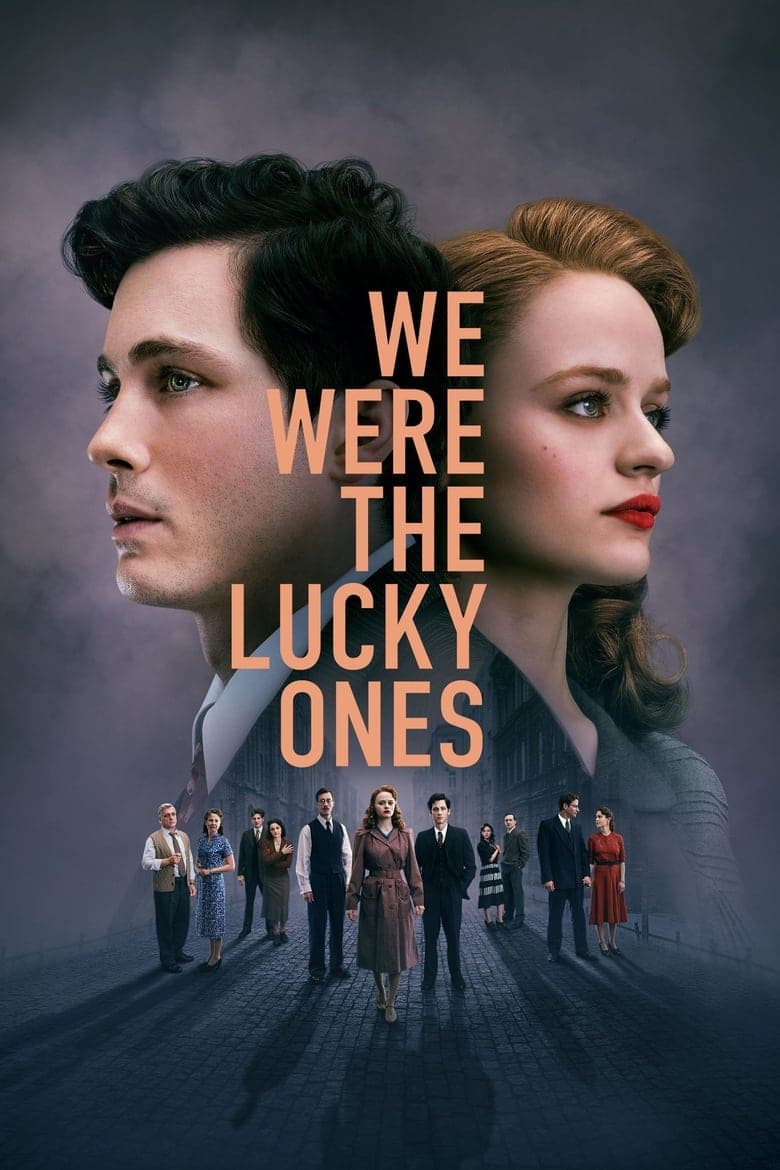
TV Show · 2024
The true story of one Jewish family separated at the start of World War II, determined to survive—and to reunite.
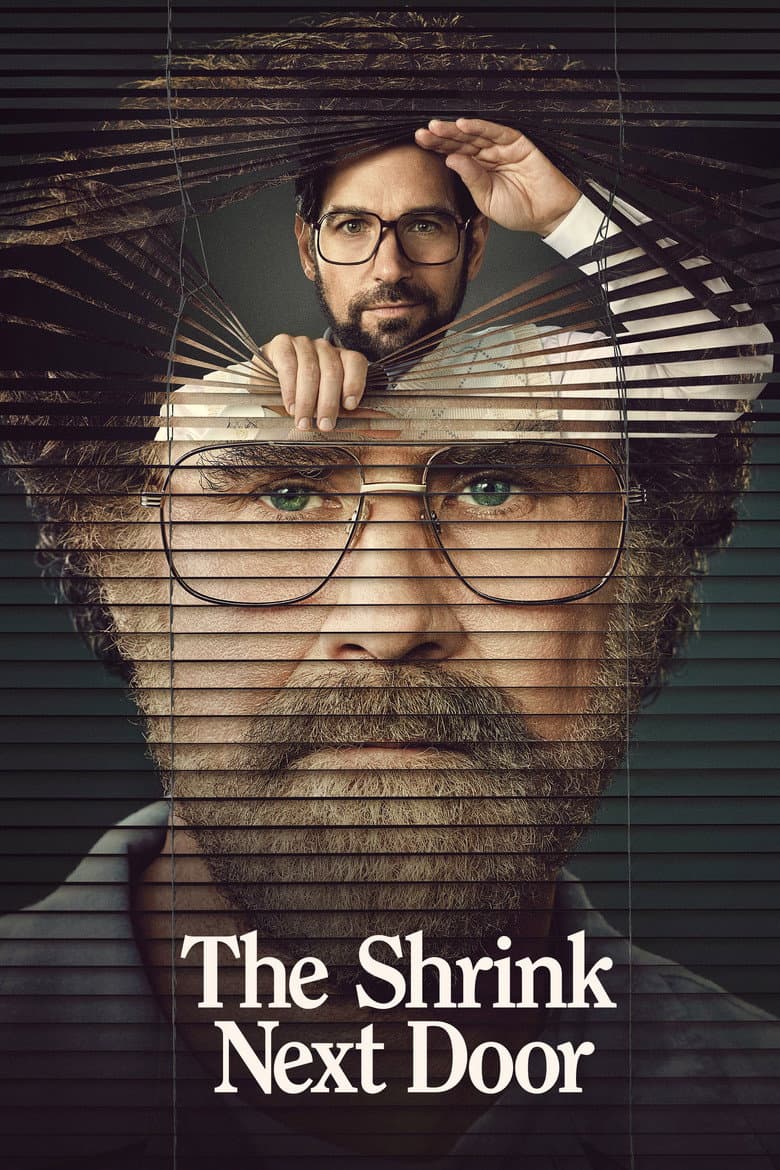
TV Show · 2021
Inspired by the true story of Marty and the therapist who turned his life around...then took it over. When he first meets Dr. Ike, Marty just wants to get better at boundaries.

TV Show · 2024
In Japan in the year 1600, at the dawn of a century-defining civil war, Lord Yoshii Toranaga is fighting for his life as his enemies on the Council of Regents unite against him…

TV Show · 2023
The story of Bass Reeves, the legendary lawman of the wild West, is brought to life. Reeves worked in the post-Reconstruction era as a federal peace officer in the Indian…

TV Show · 2024
Fascinated by cars since childhood, Brazilian racer Ayrton Senna became a sports legend — until tragedy struck, changing Formula 1 forever.
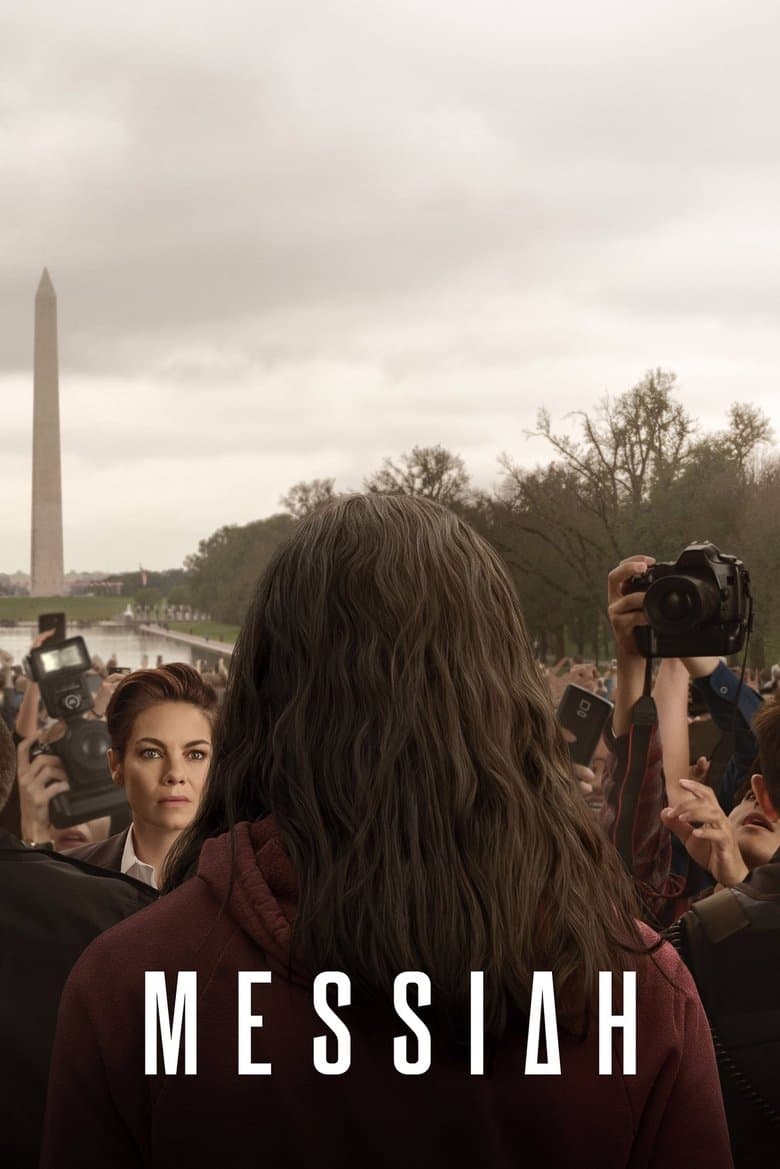
TV Show · 2020
A wary CIA officer investigates a charismatic man who sparks a spiritual movement and stirs political unrest. Who exactly is he? And what does he want?
