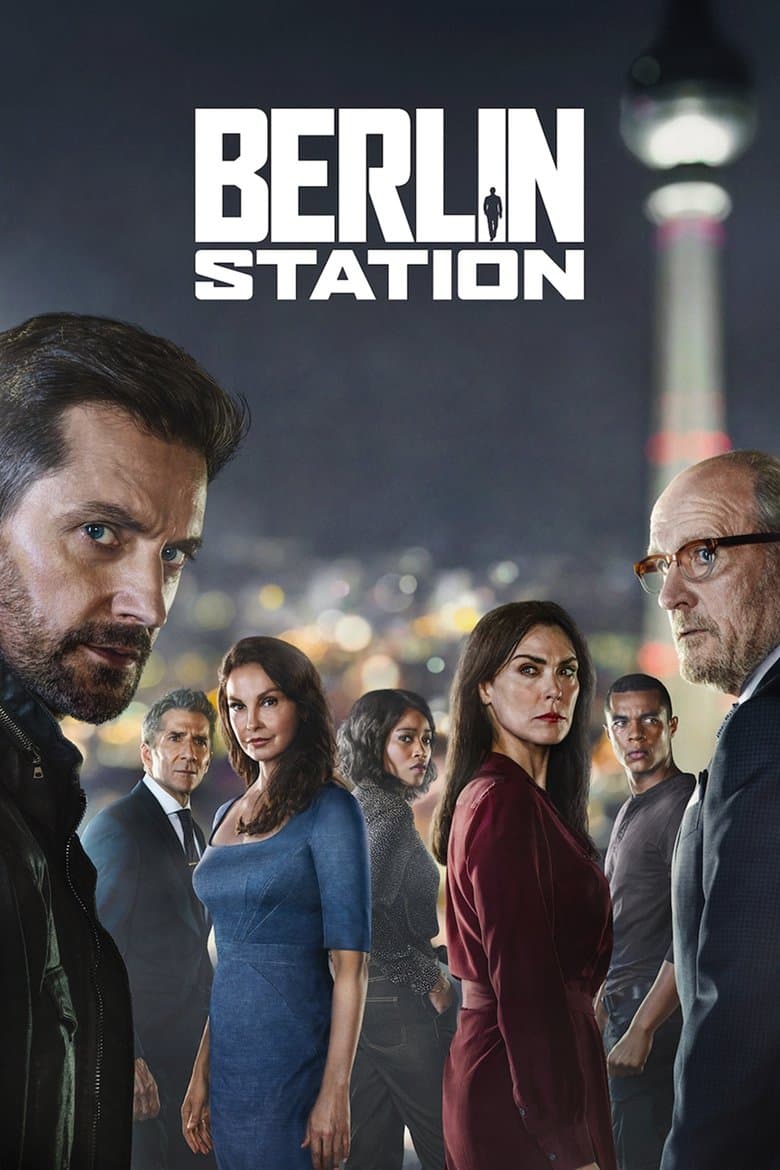
Started October 16, 2016 · Ended · Based on 3 seasons, 29 episodes through February 17, 2019 · TV-MA
Berlin Station is a spy thriller about CIA agents uncovering a whistleblower in Germany. The series features multiple women in prominent roles of authority and power, including station chiefs and high-level case officers. It contains visible LGBTQ+ themes, including a bisexual male operative and a genderqueer character. The plot prominently targets conservative and right-wing political movements, framing them as dangerous extremist networks.
Community feedback
Was our 72% Woke rating accurate?
Breakdown
These are the editorial factors and ratings behind our score for Berlin Station.
Woke representation / casting
The show features strong representation of women in high-ranking CIA positions, including Valerie Edwards as Station Chief and BB Yates as her predecessor, while depicting older white males as corrupt or incompetent. It also features prominent diversity with April Lewis, a highly competent young black female case officer. Strong queer representation is present, including main character Hector DeJean, who is bisexual and sleeps with both men and women, alongside other gay and genderqueer characters. This persistent emphasis on diverse gender, racial, and LGBTQ+ identities across prominent roles carries significant weight.
65%
Woke political dialogue
Dialogue frequently critiques Western institutions and targets conservative ideology. Characters deliver lines directly comparing right-wing populism to violent fascism and white supremacy. In season two, conversations frame conservative political platforms as front organizations for neo-Nazi terrorists. There is also explicit dialogue identifying certain politicians as closeted gay men to highlight their hypocrisy. The scripting uses contemporary American political divisions and transposes them onto European politics, making the ideological messaging very clear to the audience.
Production
50%
Identity-driven story themes
The narrative frequently integrates identity politics and progressive themes. Season two focuses entirely on combating white nationalism and far-right extremism, treating conservative political views as a threat to democracy. The show features prominent LGBTQ+ subplots, including Hector DeJean's bisexuality and a character revealing they have been genderqueer since childhood. Additionally, the plot uses the whistleblower trope to frame Western intelligence operations as systemically corrupt, emphasizing themes of institutional guilt and anti-establishment activism.
60%
Western institutional / cultural critique
The show heavily critiques Western intelligence agencies, portraying the CIA as a systemically corrupt and untrustworthy institution that operates black sites, performs illegal surveillance, and covers up its own crimes. While some of this fits traditional spy fiction tropes, the narrative often reframes this into modern critiques of state power and Western hypocrisy. It also challenges traditional cultural norms by portraying right-wing nationalism, traditional Christianity, and conservative values as deeply flawed, dangerous, and hypocritical.
45%
Woke character or canon changes
Not relevant. Berlin Station is an original television series and does not adapt pre-existing characters or established canon. All characters and storylines were created specifically for this production.
0%
Anti-woke backlash and complaints
Some viewers on social media platforms like Reddit complained that the show pushed "leftist propaganda" in its second and third seasons. Audiences pointed out that the series went overboard in its cartoonish depiction of right-wing groups, with some noting that the plots felt like left-wing conspiracy theories. While the backlash remained relatively quiet because the show aired on a lower-profile premium network, the politically biased themes did not escape notice from conservative-leaning viewers.
35%
Creator track record context
The key creative team represents a mix of perspectives. Creator Olen Steinhauer and director Hagen Bogdanski maintain strictly non-political, craft-focused profiles. However, several regular writers on the series, including Kiersten Van Horne and Sara Gran, have documented histories of promoting feminist, anti-colonial, and LGBTQ+ themes. Showrunner Bradford Winters also has a record of using his creative works as progressive allegories to comment on modern politics.
25%
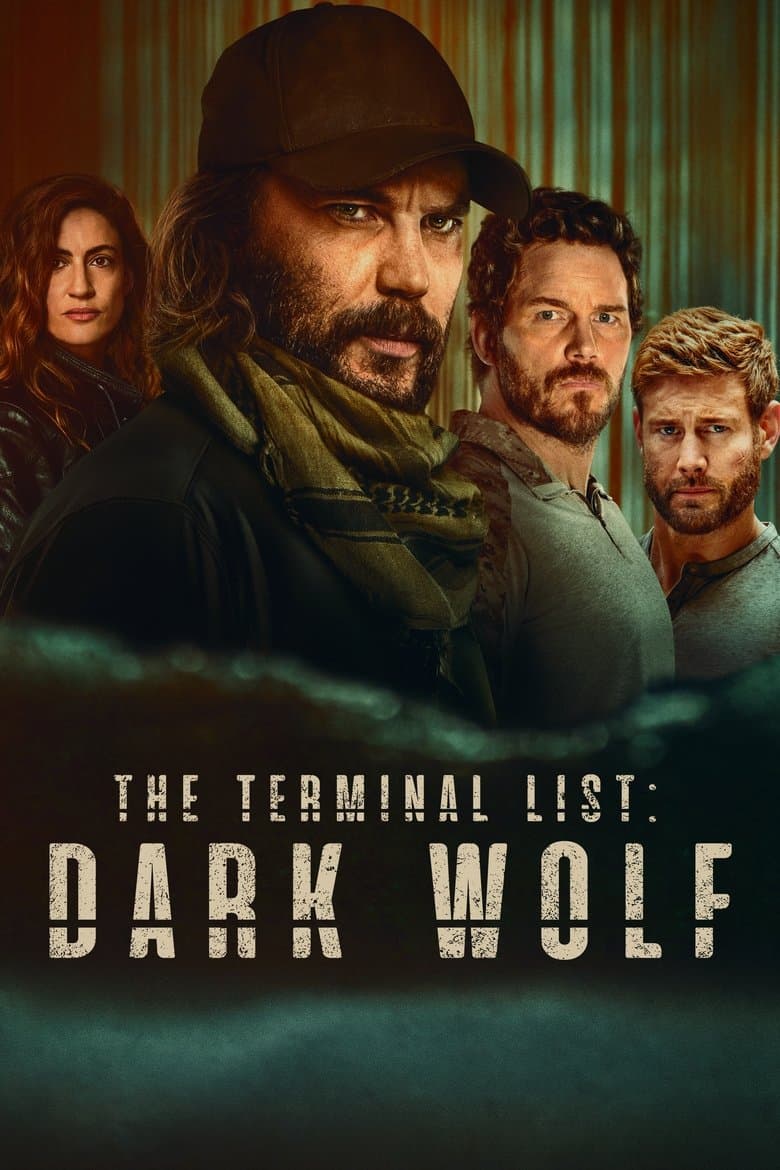
TV Show · 2025
Before The Terminal List, Navy SEAL Ben Edwards finds himself entangled in the black operations side of the CIA.
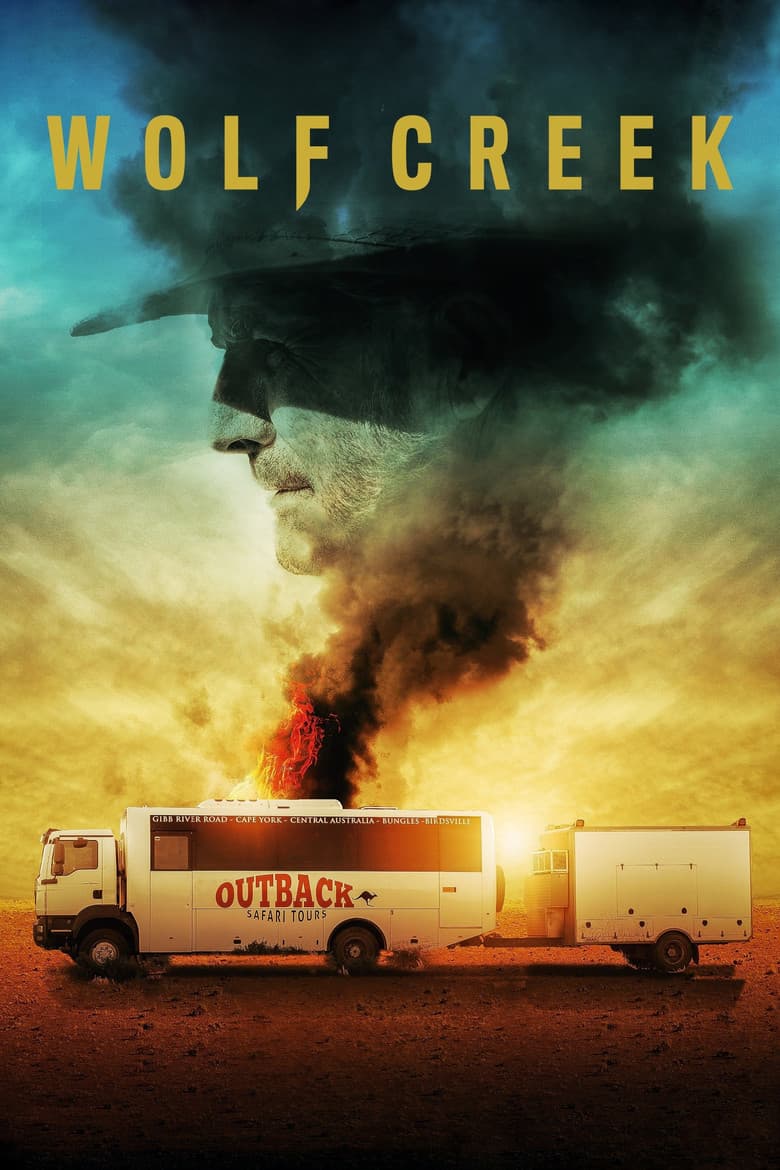
TV Show · 2016
An anthology series which centers on different characters being targeted by crazed serial killer Mick Taylor in the Australian outback.
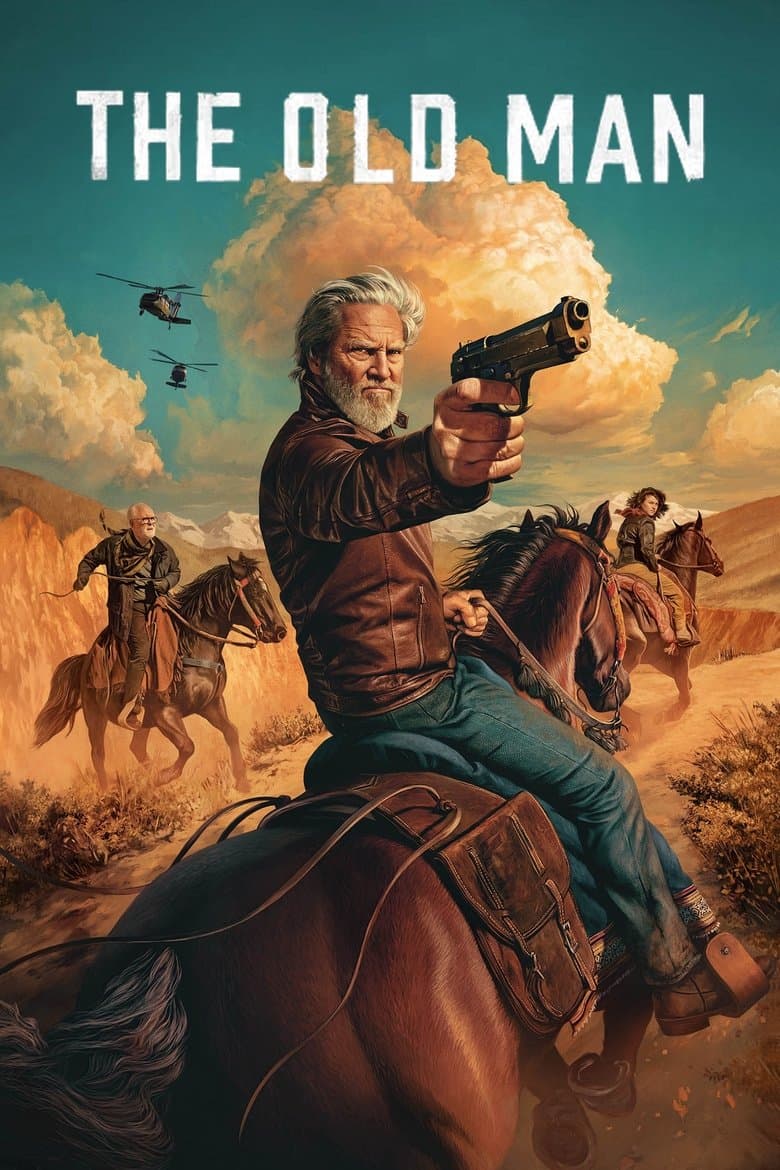
TV Show · 2022
Dan Chase absconded from the CIA decades ago and now lives off the grid. When an assassin arrives and tries to take Chase out, the old operative learns that to ensure his future…
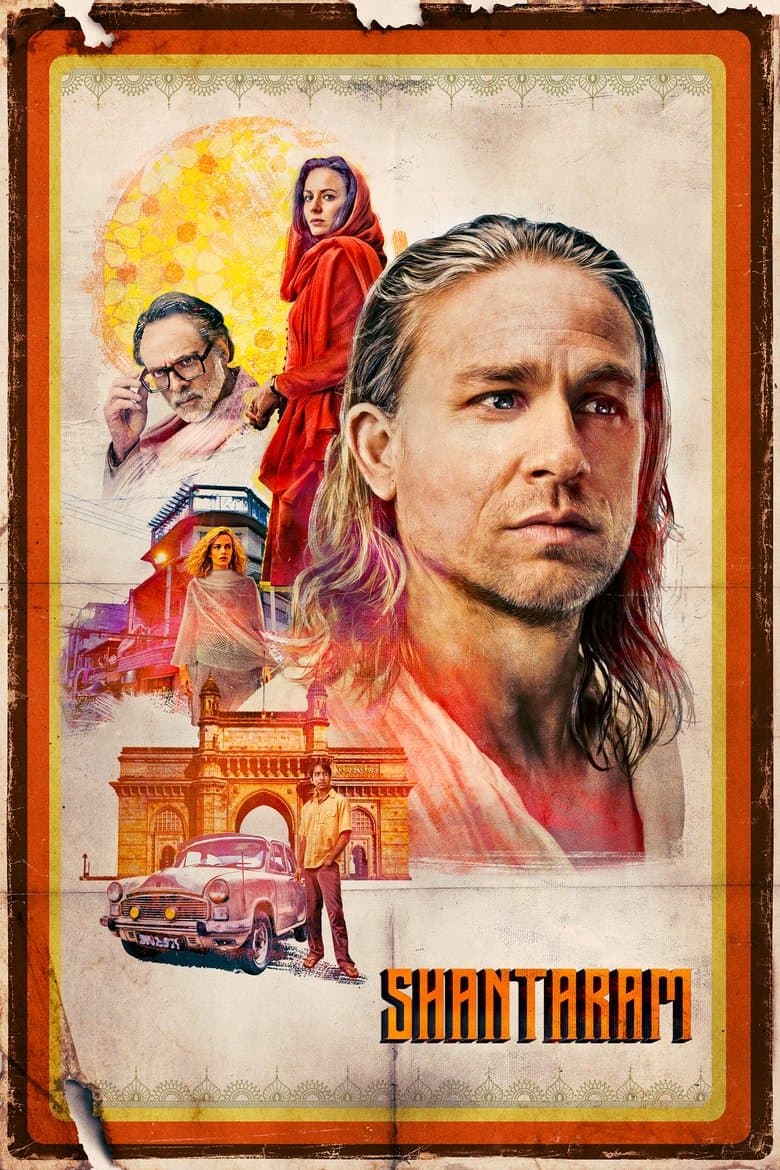
TV Show · 2022
Escaped convict Lin Ford flees to the teeming streets of 1980s Bombay, looking to disappear. Working as a medic for the city's poor and neglected, Lin finds unexpected love…

TV Show · 2022
When a small plane crashes in the middle of the Canadian wilderness, a lone survivor must battle the elements — and her personal demons — to stay alive.
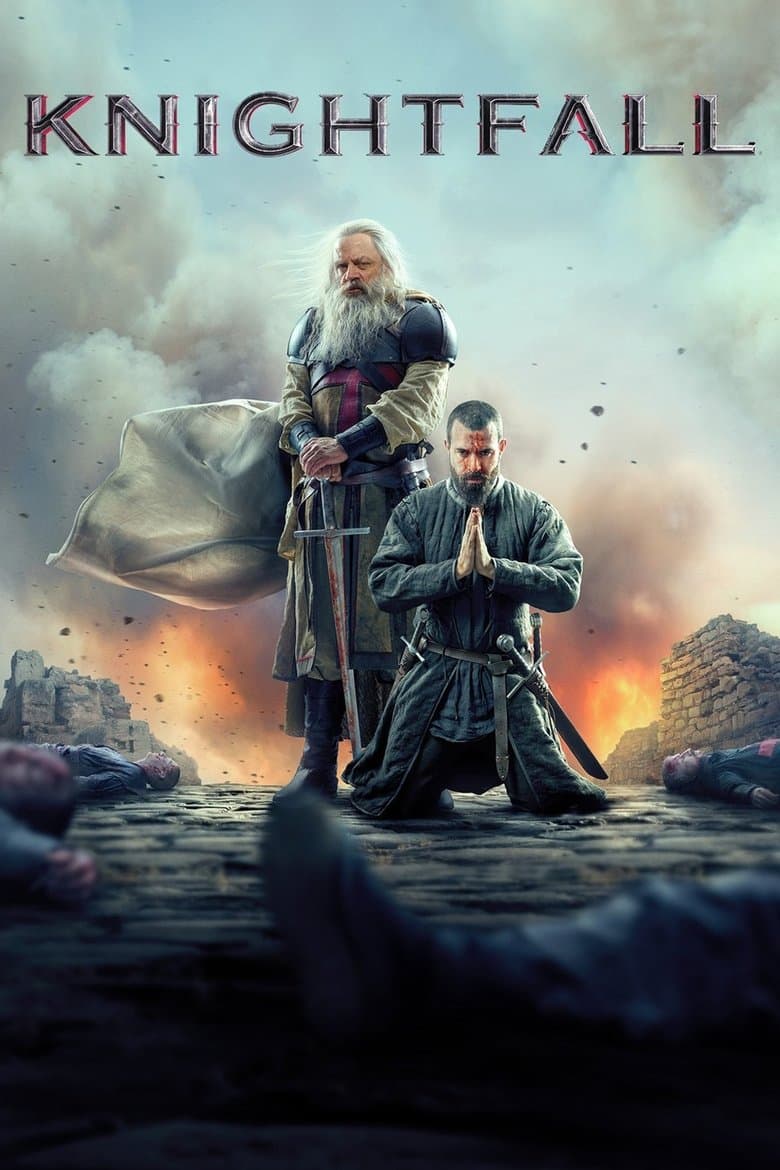
TV Show · 2017
Go deep into the clandestine world of the legendary brotherhood of warrior monks known as The Knights Templar.
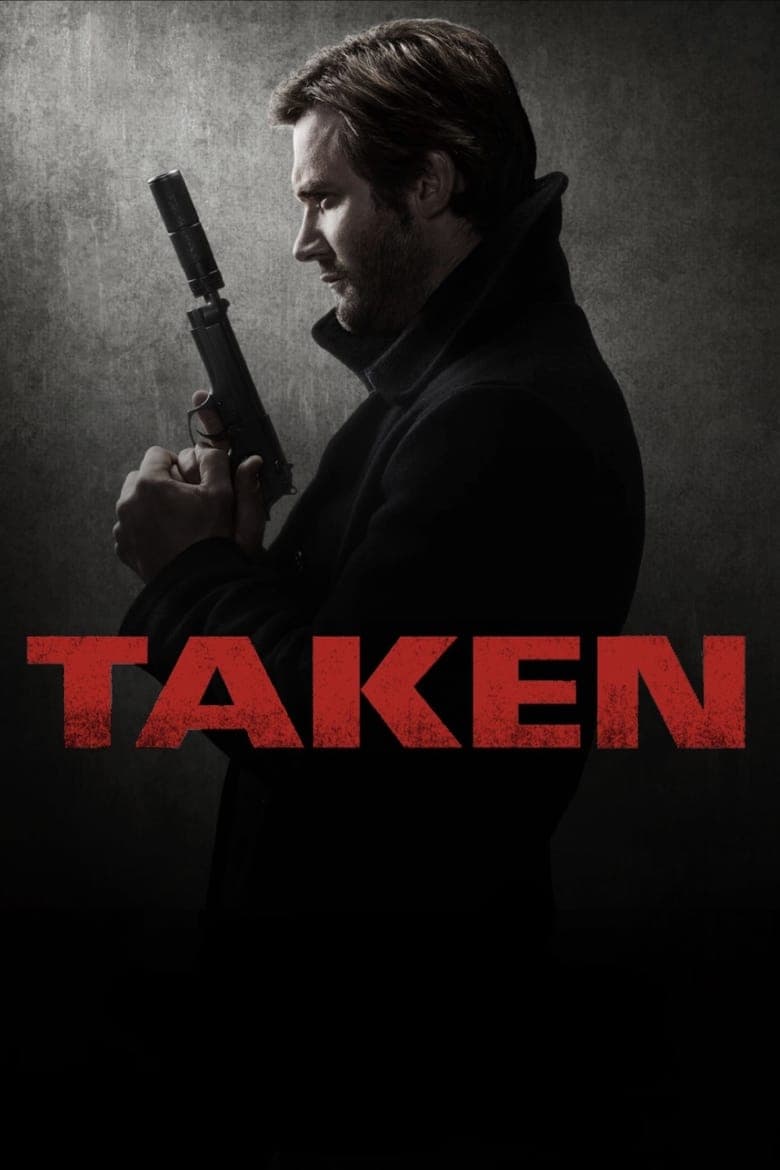
TV Show · 2017
The origin story of younger, hungrier, former Green Beret Bryan Mills as he deals with a personal tragedy that shakes his world.
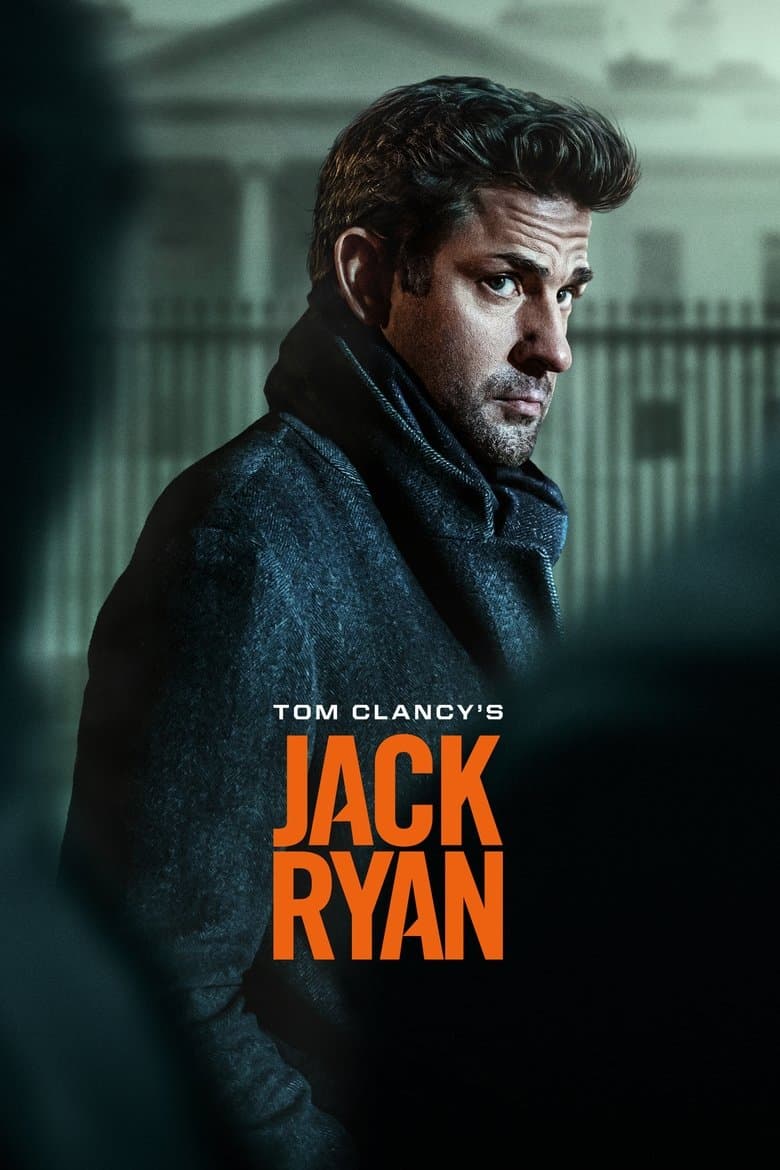
TV Show · 2018
When CIA analyst Jack Ryan stumbles upon a suspicious series of bank transfers his search for answers pulls him from the safety of his desk job and catapults him into a deadly…
