Started April 6, 2023 · Returning Series · Based on 2 seasons, 18 episodes through April 16, 2026 · TV-MA
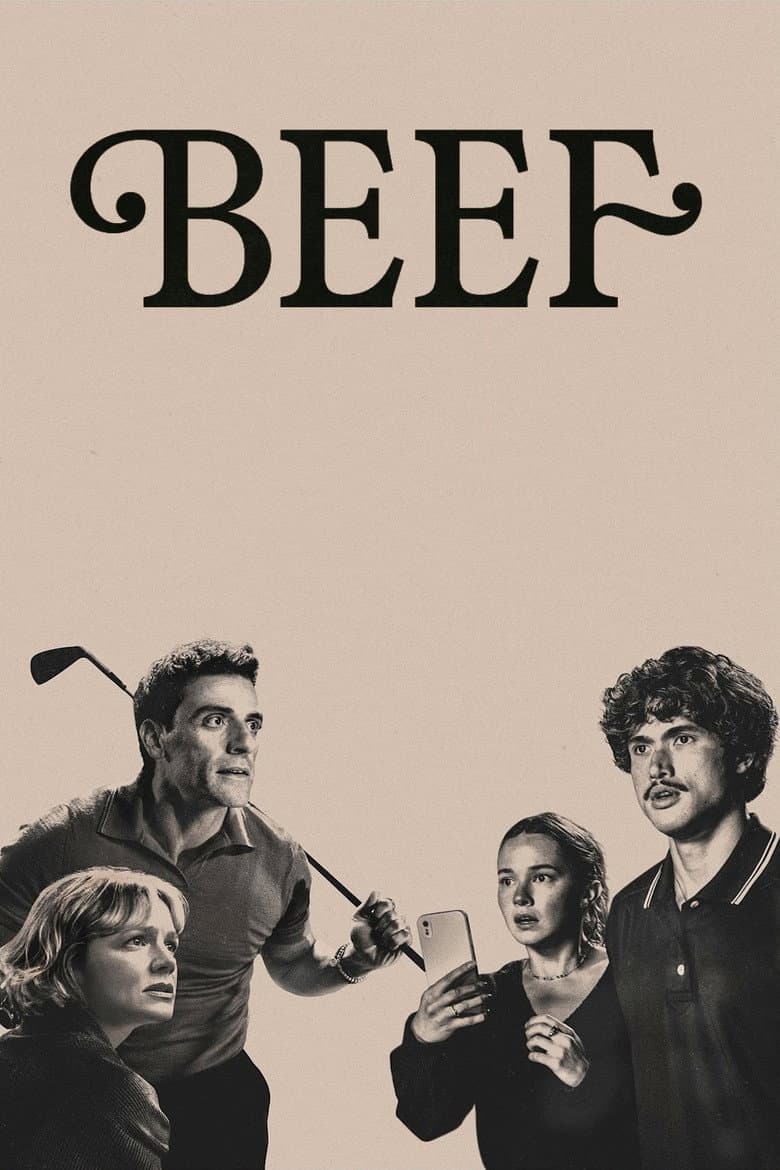
BEEF is a dark comedy about people who let anger take control of their lives. In Season 1, Danny Cho is a struggling contractor, and Amy Lau is a wealthy business owner who feels trapped by work and family. A road rage fight pulls them into revenge, lies, crime, and painful trouble for the people around them in Los Angeles. Season 2 moves to a rich California country club, where young workers Ashley and Austin blackmail their bosses and become caught in another fight between couples. The show is funny, tense, violent, and often sad.
The clearest woke elements are the show's strong focus on Asian American life and its same-sex relationship. Season 1 centers two Asian American leads and gives major space to Korean and Chinese family life, a Korean church, immigrant pressure, and a lesbian couple. Season 2 makes Austin's mixed Korean identity part of his story and adds Korean language, family, and class conflict in Seoul. The later season also presents the country club as a small picture of a system where workers cannot reach the wealth above them, while health insurance and capitalism drive key choices. These ideas shape several character arcs, but the show usually presents them through personal anger, selfishness, and dark humor instead of speeches.
Community feedback
Was our 39% Woke rating accurate?
Breakdown
These are the editorial factors and ratings behind our score for BEEF.
Woke representation / casting
Season 1 puts two Asian American leads at the center and gives most major roles to Asian characters. Los Angeles, Korean church life, family ties, and the characters' own histories make those choices fit the story. Season 1 also gives a visible supporting role to a same-sex couple, while Season 2 deliberately makes Austin half Korean and places Korean characters at the center of the Seoul plot. The casting shows a clear identity focus, but the choices are tied to the characters and setting.
15%
Woke political dialogue
Season 2 gives the workers repeated lines about health insurance, class, and the feeling that older people took the chances to get rich. The country club workers also talk about the gap between staff and members. Season 1 mostly keeps its political ideas inside family pressure, mental health, and personal anger. The show has some clear economic and social comments, but it does not rely on long activist speeches.
15%
Identity-driven story themes
Season 1 makes Danny's Korean immigrant family, Amy's Asian American family, and the pressure to succeed part of the main feud. The show also follows Jordan and Naomi, a lesbian couple, and uses their relationship in the season's business and family drama. Season 2 makes Austin's mixed Korean identity, language gap, and pull toward Korea part of his choices and relationships. These identity themes are important across both seasons, but the story still centers on anger, loneliness, love, and bad decisions.
32%
Western institutional / cultural critique
Season 2 treats the country club as a small picture of society, where staff work for rich members but cannot become members themselves. Ashley's need for health insurance makes class pressure part of a major health and family choice. The billionaire owner's crimes link wealth and power to murder, cover-ups, and control. Season 1 also contrasts Danny's money problems with Amy's wealth, but it tells that conflict through personal revenge more than a system-wide argument.
38%
Woke character or canon changes
Not relevant. Original story with no source material alterations.
0%
Anti-woke backlash and complaints
A few small X accounts called BEEF anti-White because the show centers Asian American characters and culture. Other small accounts defended the series as not woke and praised its Asian character stories. No large boycott, review-bombing campaign, or organized anti-woke push appeared in the available reaction. The anti-woke criticism is real but fringe, so it has little weight.
10%
Creator track record context
Lee Sung Jin's work centers on rage, class pressure, and immigrant life in a personal style. His Season 2 interviews directly discuss Korean identity, class, and capitalism. One writer has a past queer-focused novel, while another has worked on an identity-centered series. Most of the other listed creators have little known activist or political history, so the context is mixed.
30%
Production
TV Show · 2019
Tony had a perfect life. But after his wife Lisa suddenly dies, Tony changes. After contemplating taking his own life, he decides instead to live long enough to punish the world…

TV Show · 2020
New passions. New fashions. New Emily? A plucky American marketing whiz spreads her wings in life and love after landing her dream job in Paris.

TV Show · 2016
Rebellious Mickey and good-natured Gus navigate the thrills and agonies of modern relationships.

TV Show · 2026
The mayor of a New England town resolves to turn it into the next tourist hot spot, despite local warnings that it's cursed.

TV Show · 2022
In disguise as her friend, Ha-ri shows up to a blind date to scare him away. But plans go awry when he turns out to be her CEO — and makes a proposal.
TV Show · 2019
Burned out on life, Miles undergoes a strange procedure at a strip mall spa -- and wakes to find he's been replaced by a better version of himself.
TV Show · 2024
When aristocratic Eddie inherits the family estate, he discovers that it's home to an enormous weed empire — and its proprietors aren't going anywhere.
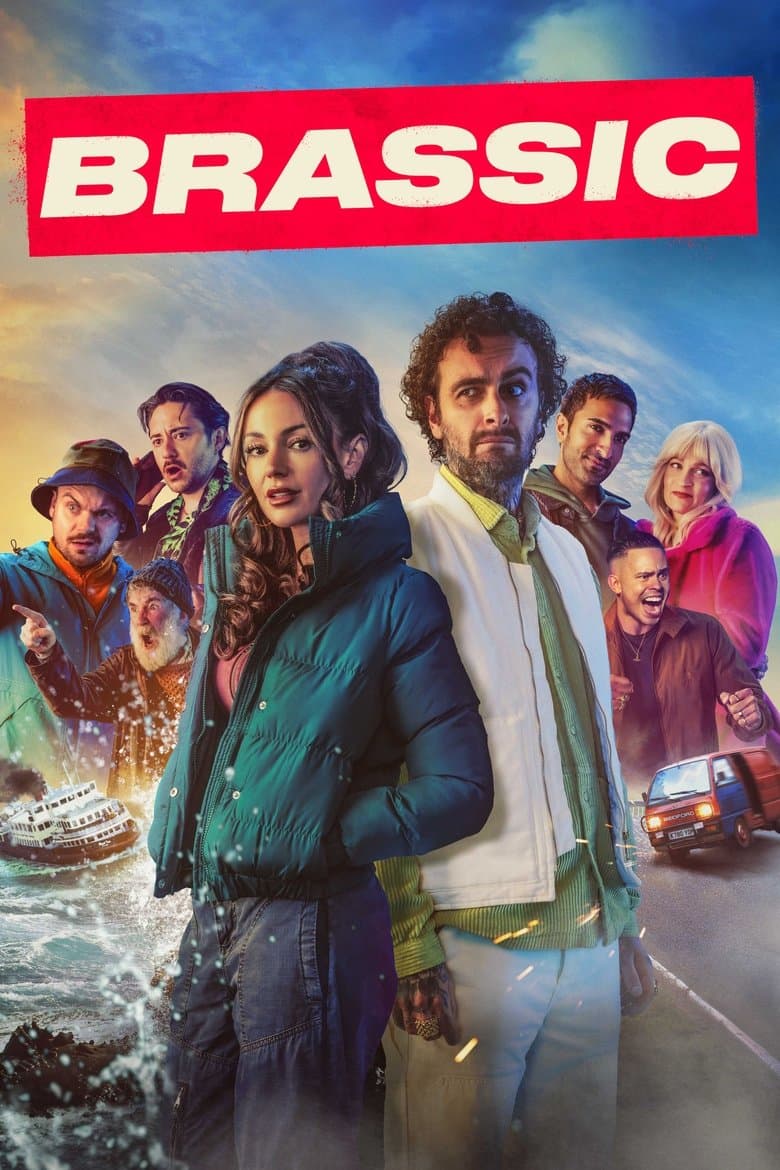
TV Show · 2019
A group of working-class friends finding unconventional ways to win at life in suburban northern England. These lads have dealt, scammed, bribed and conned their way through…
