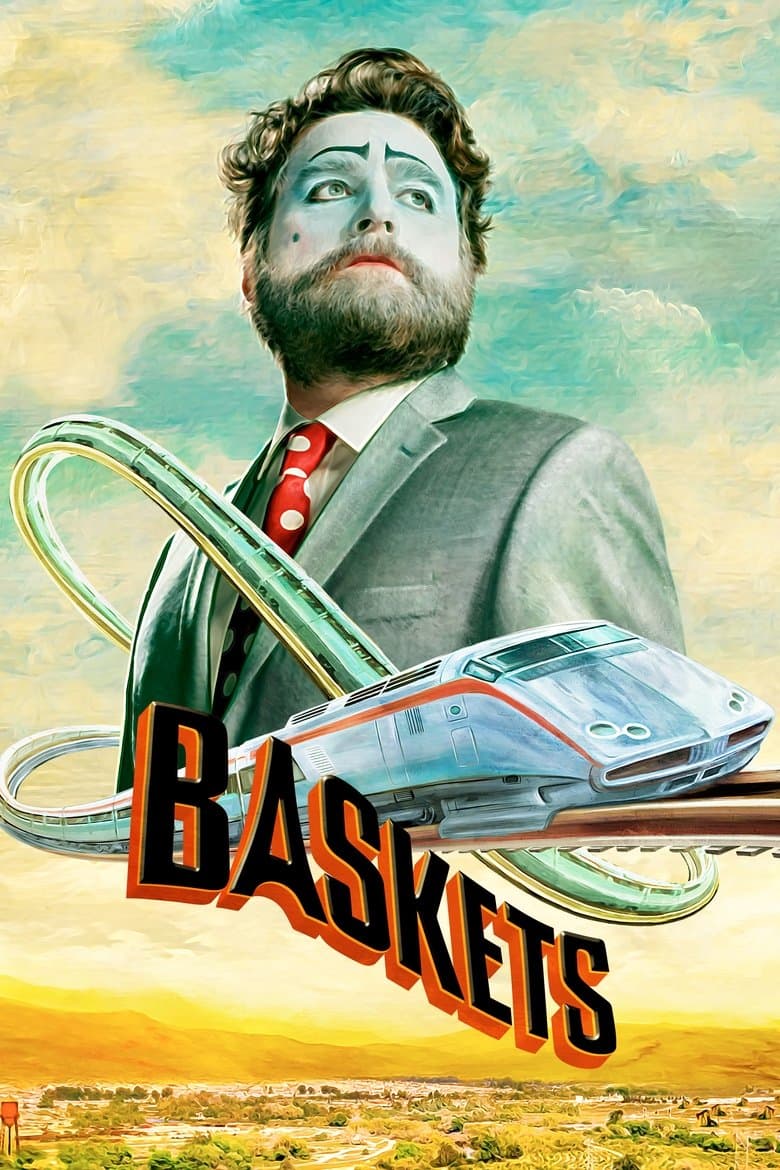
Started January 21, 2016 · Based on 4 seasons, 40 episodes · TV-MA · 23 min
Baskets follows Chip Baskets, a serious but failing clown who returns to Bakersfield after he cannot finish clown school in France. He works as a rodeo clown while living near his mother Christine, his twin brother Dale, and his quiet friend Martha. The family faces money trouble, broken marriages, illness, grief, and the collapse of Chip’s dreams. The show uses dry jokes, strange behavior, sad moments, and small victories across four seasons.
The show's identity material appears in a few supporting stories. Trinity, a recurring street clown, says she is bisexual in Season 2, and Season 4 shows Christine accepting her granddaughter Crystal's bisexuality after seeing her kiss a female friend. Christine even mentions her granddaughter's bisexuality during a state senate speech about the bullet train. Louie Anderson, a man, plays Christine, the mother, for comic effect, while the series still centers on family failure, work, grief, and growing up.
Community feedback
Was our 31% Woke rating accurate?
Breakdown
These are the editorial factors and ratings behind our score for Baskets.
Woke representation / casting
Louie Anderson, a male comedian, plays Christine, the family mother, across all four seasons. The choice is easy for viewers to see and creates a gender mismatch in the role. Interviews describe it as a comic acting choice, not a gender identity message. The rest of the main cast does not show a repeated diversity-first pattern.
12%
Woke political dialogue
Season 2 has a short conversation about Reagan and Carter, but the characters accept their different views. In Season 4, Christine speaks before a state senate about the bullet train and links support for change to her granddaughter being bisexual. The speech is comic and brief, and it does not become a repeated political program. Most political talk remains local or personal.
22%
Identity-driven story themes
Trinity, a recurring street clown, says she is bisexual in Season 2. Season 4 shows Crystal kissing a female friend, and Christine responds with open support after Crystal says many friends are bisexual. Christine later repeats that her granddaughter is bisexual during her state senate speech about the bullet train. These scenes make LGBTQ acceptance a recurring supporting theme, but the show remains mainly about family failure, work, grief, and growing up.
34%
Western institutional / cultural critique
Costco, Arby's, and other brands become running jokes about buying deals and filling life with products. A creator interview described this as an anti-consumerist streak, but also said the show was not trying to attack corporations as a system. Season 4 uses the state's rail plan as a local fight over the rodeo. These ideas stay in side plots and jokes rather than becoming a broad activist message.
14%
Woke character or canon changes
Not relevant. Baskets is an original TV series with no established source characters or real historical figures changed for identity reasons.
0%
Anti-woke backlash and complaints
Not present. No anti-woke reaction, boycott, or review-bomb push was found on X. Web coverage focused on the strange comedy, the cast, family drama, and the Louis C.K. misconduct story.
0%
Creator track record context
Jonathan Krisel's past work includes Portlandia, which often mocked progressive hipster culture. Zach Galifianakis has liberal views and has supported same-sex marriage, but his work stays comedy-centered. Louis C.K. is known for boundary-pushing humor and controversial personal conduct, not an activist campaign. Most other writers and producers have low public political profiles. Interviews about Baskets present an absurd family comedy, not a diversity-first project.
23%
Production
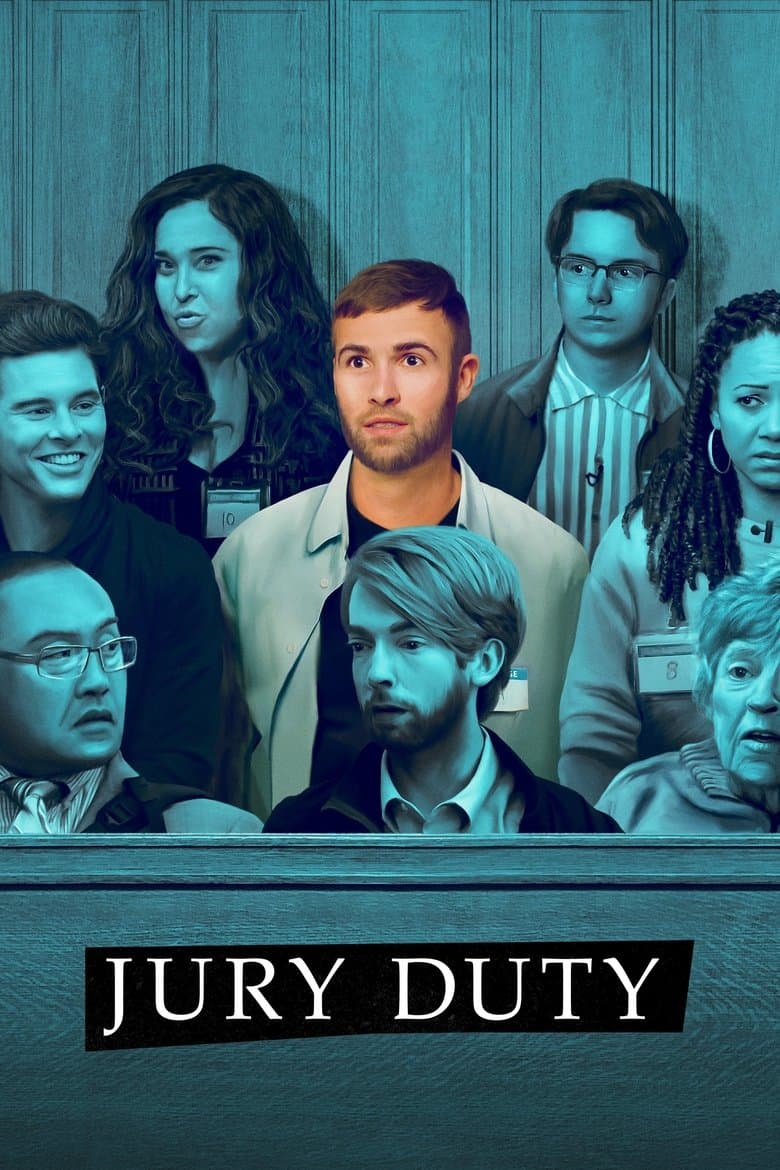
TV Show · 2023
The inner workings of an American jury trial through the eyes of one particular juror, Ronald Gladden. Gladden is unaware the entire case is fake, everyone except him is an actor…
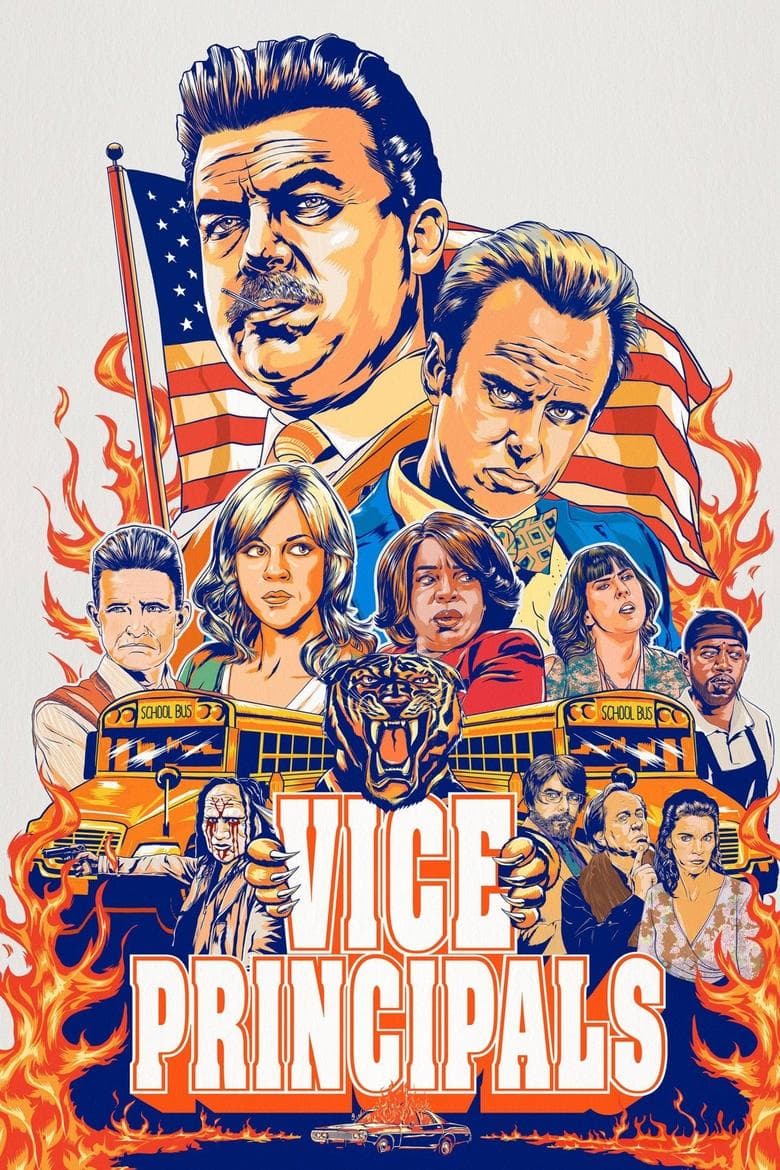
TV Show · 2016
After North Jackson High's long-time principal steps down to tend to his ailing wife, Neal Gamby and Lee Russell, the school's vice principals, are forced to put their mutual…
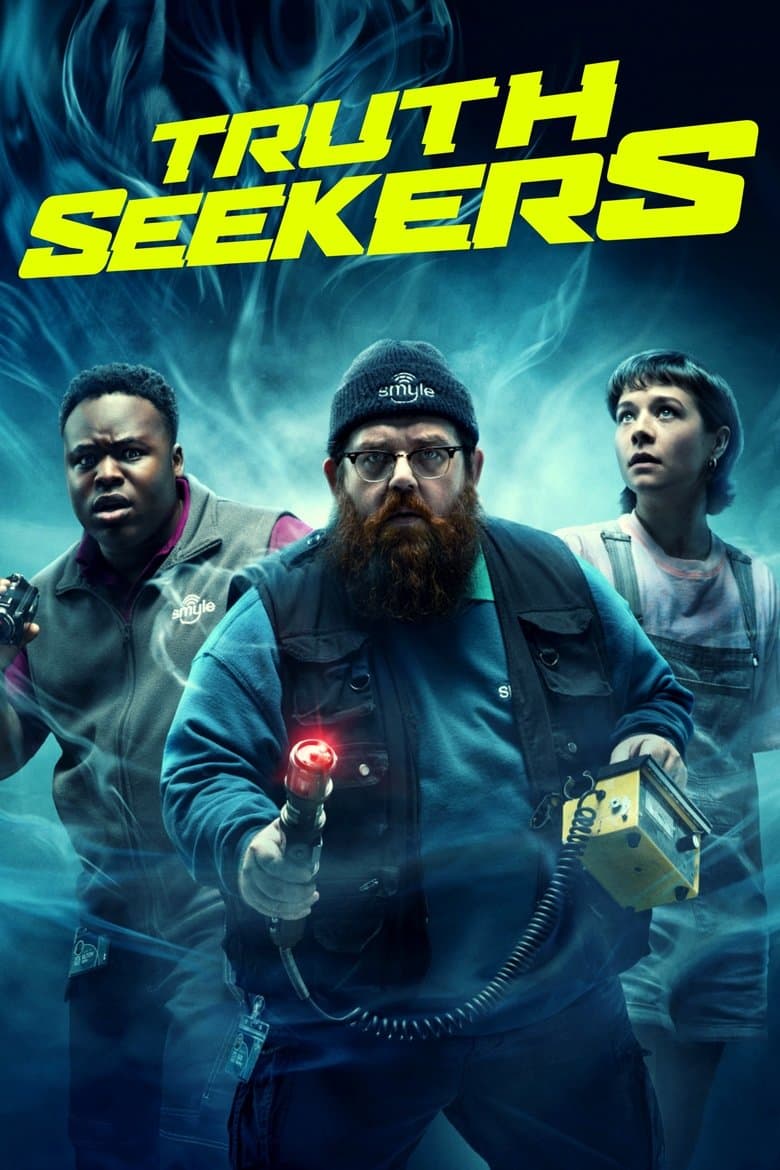
TV Show · 2020
A ghost-hunting duo team up to uncover and film paranormal sightings across the U.K. and share their adventures on an online channel.

TV Show · 2016
Jeremy Clarkson, Richard Hammond and James May are back with a show about adventure, excitement and friendship...
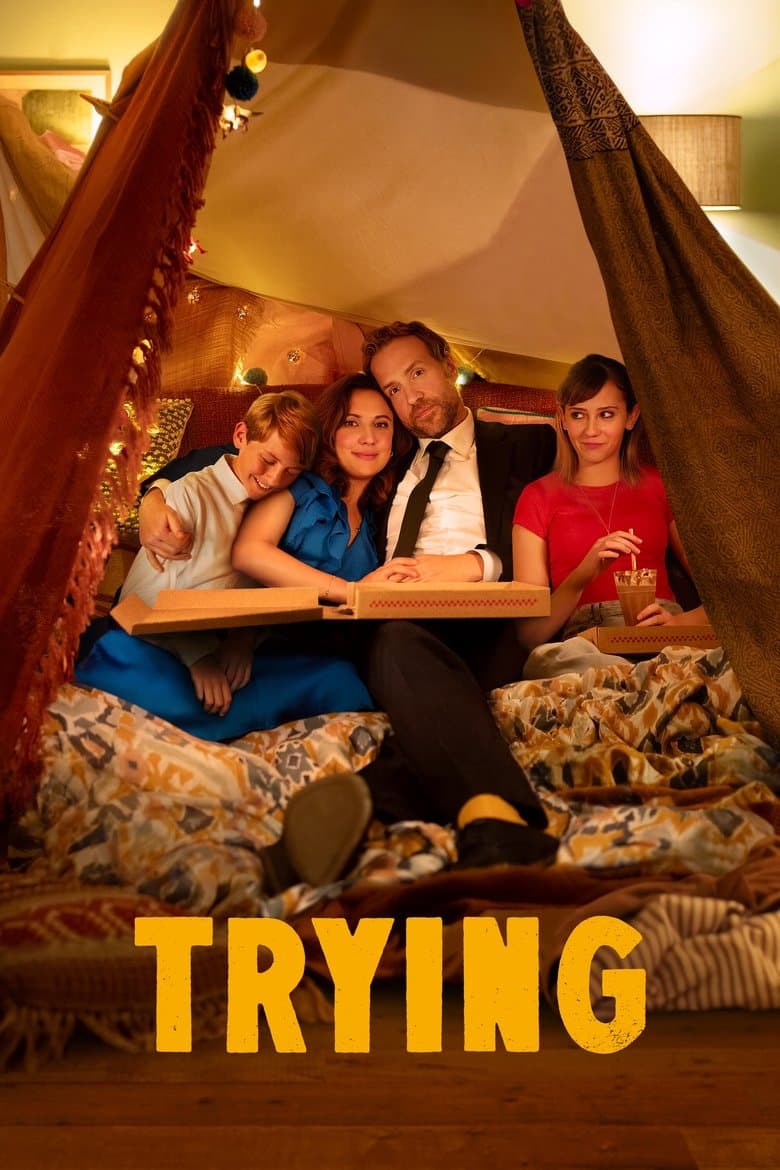
TV Show · 2020
All Nikki and Jason want is a baby—the one thing they can't have. So they decide to adopt. With their dysfunctional friends, screwball families, and chaotic lives, will the…
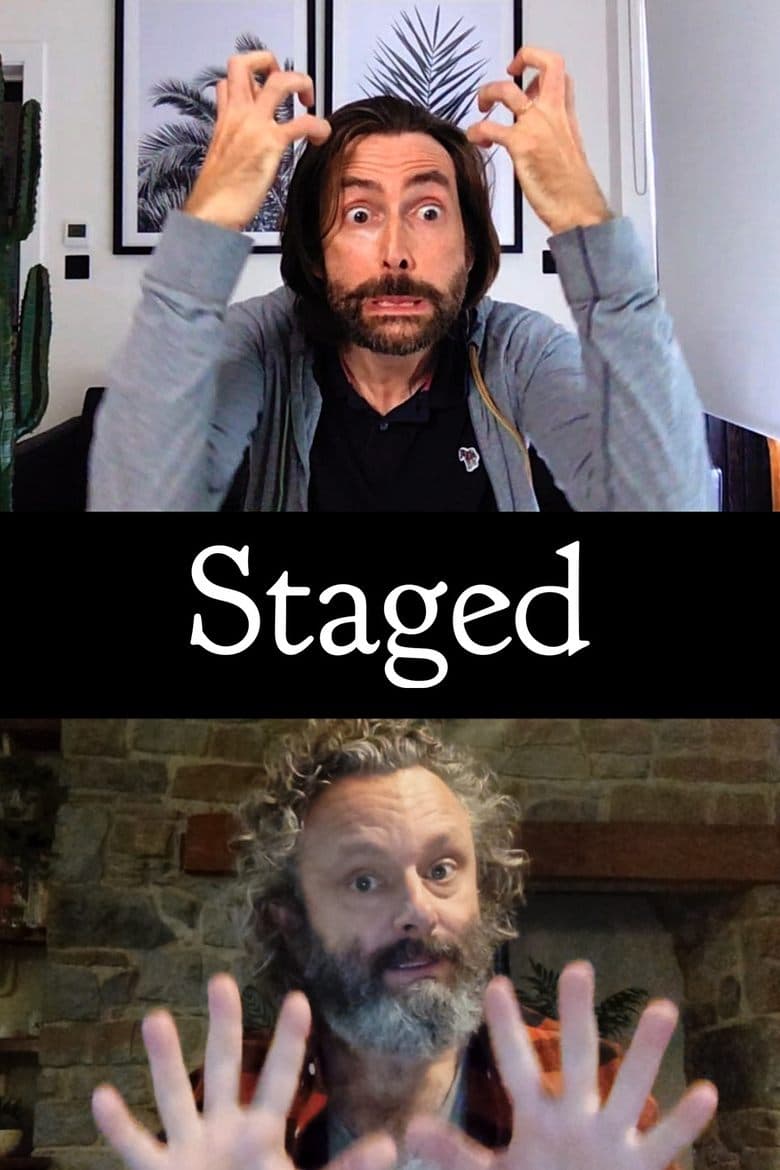
TV Show · 2020
David Tennant and Michael Sheen (playing themselves) were due to star in a production of 'Six Characters in Search of an Author' in the West End.
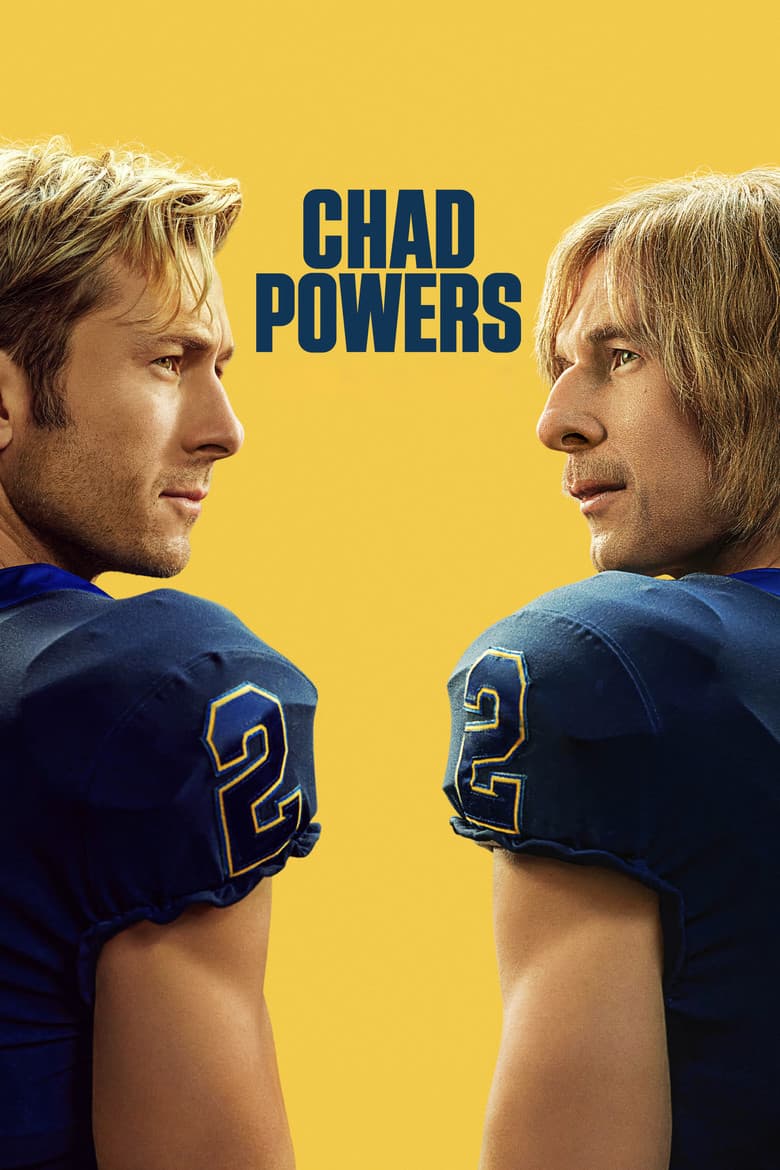
TV Show · 2025
Eight years after an unforgivable mistake nukes his promising college football career, hotshot quarterback Russ Holliday tries to resurrect his dreams by disguising himself as…
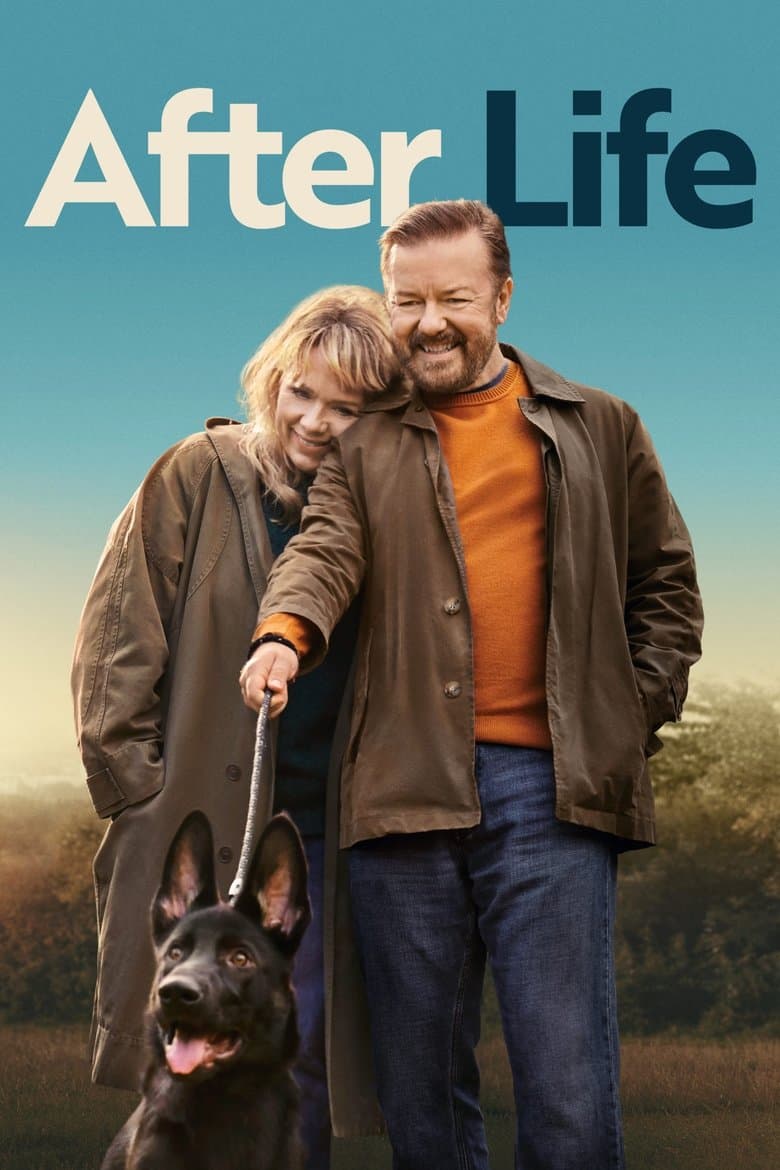
TV Show · 2019
Tony had a perfect life. But after his wife Lisa suddenly dies, Tony changes. After contemplating taking his own life, he decides instead to live long enough to punish the world…
