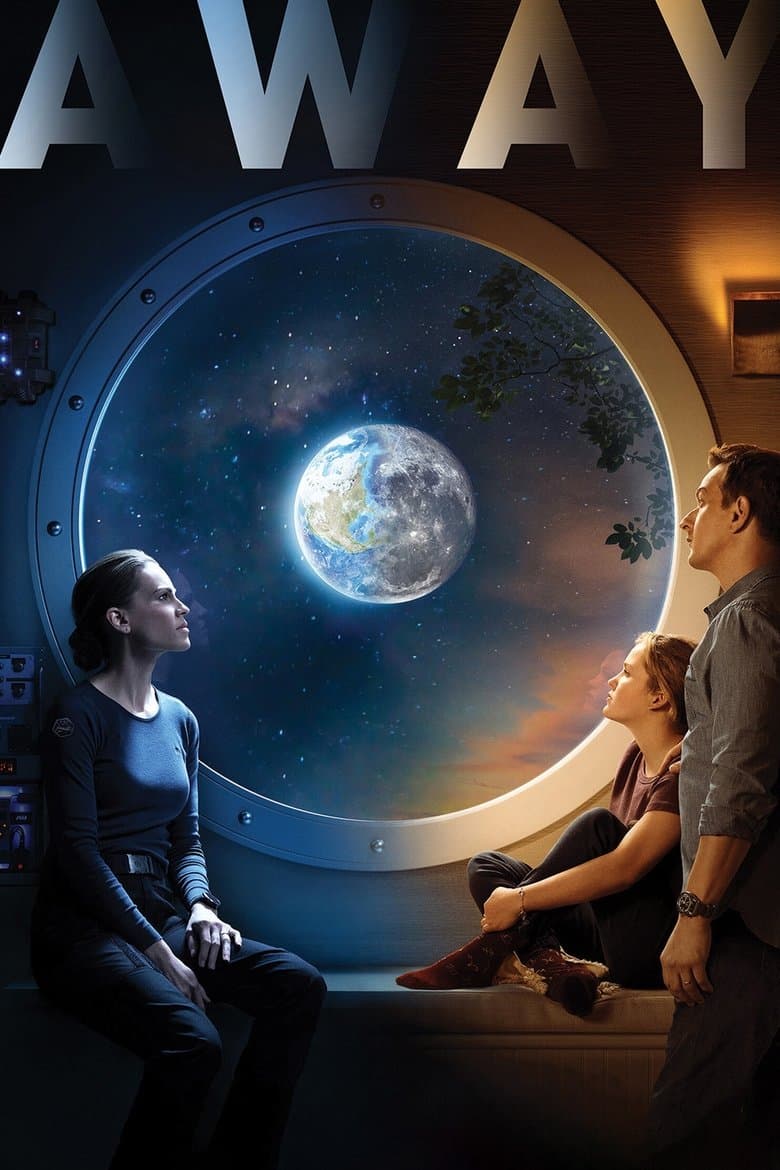
Started September 4, 2020 · Canceled · Based on 1 season, 10 episodes through September 4, 2020 · TV-14 · 60 min
Away is a science fiction drama TV show on Netflix. It follows a diverse crew of five astronauts from different countries on the first human mission to Mars. The crew is led by a female American commander named Emma Green, who must manage her team while dealing with being away from her family. The show features a highly visible emphasis on representation. This includes a prominent romantic storyline between a Chinese female astronaut and her female colleague. It also features a black British-Ghanaian astronaut who is devoutly Jewish.
Community feedback
Was our 85% Woke rating accurate?
Breakdown
These are the editorial factors and ratings behind our score for Away.
Woke representation / casting
The casting heavily emphasizes identity and representation. The international crew includes a female commander, an Indian medical officer, and a black British-Ghanaian botanist who was raised Jewish. Crucially, the Chinese chemist, Lu Wang, is a prominent bisexual character in a romantic relationship with a female translator. Per scoring rules, the presence of these confirmed LGBTQ+ elements adds a substantial points boost to this category. The overall casting feels prioritized around demographic checklists rather than pure narrative necessity.
80%
Woke political dialogue
The dialogue is mostly focused on interpersonal family drama and space survival. However, there are notable discussions about Chinese state censorship, the oppression of gay individuals, and the necessity of global cooperation over national interests. The show also features a brief cameo by left-wing political commentator Rachel Maddow, which acts as a minor progressive signal for viewers.
45%
Identity-driven story themes
Multiple main storylines are heavily driven by modern identity politics. A major subplot centers on Chinese astronaut Lu Wang fighting to hide her queer identity from her government, which threatens her career and relationship with her female partner. Another subplot focuses on botanist Kwesi navigating his unique identity as a black, African-born, British-raised Jewish man. Because these identity and queer themes are front-and-center rather than background details, this score is elevated.
82%
Western institutional / cultural critique
The series does not focus on tearing down Western institutions. Instead, it portrays NASA and international space agencies in a positive, cooperative light. However, it does present a strong critique of Chinese state-sponsored homophobia and authoritarian control over personal relationships. It also critiques traditional marriage as an oppressive trap for queer individuals.
35%
Woke character or canon changes
Not relevant. The show is an original drama series. While it is loosely inspired by a non-fiction article about real astronauts, all of the characters, backgrounds, and personal relationships are fictional creations. There are no changes to established characters or fictional canon.
0%
Anti-woke backlash and complaints
There was relatively minor targeted backlash against the show's politics. However, some conservative and anti-woke viewers complained about the "woke checklist" casting and criticized the show for prioritizing diverse representation over realistic space science. Most general criticism was focused on the show's melodramatic, soap-opera writing.
30%
Creator track record context
The key creative team has a noticeable history of embedding progressive themes in their projects. Creator Andrew Hinderaker often champions LGBTQ+ and disability representation. Writers like Aditi Brennan Kapil and Jason Katims regularly focus on intersectional identity and diverse family dynamics, which aligns with the themes present in the show.
48%
Production

TV Show · 2020
Korean emperor Lee Gon tries to close the doors to a parallel world which was opened by demons; a detective tries to protect the people and the one she loves.
TV Show · 2018
After landing from a turbulent but routine flight, the crew and passengers of Montego Air Flight 828 discover five years have passed in what seemed like a few hours.
TV Show · 2019
A police chief takes in a young child she finds near the site of a mysterious accident who has no memory of what has happened.
TV Show · 2016
In the near future a family must make difficult decisions as they balance staying together with trying to survive.
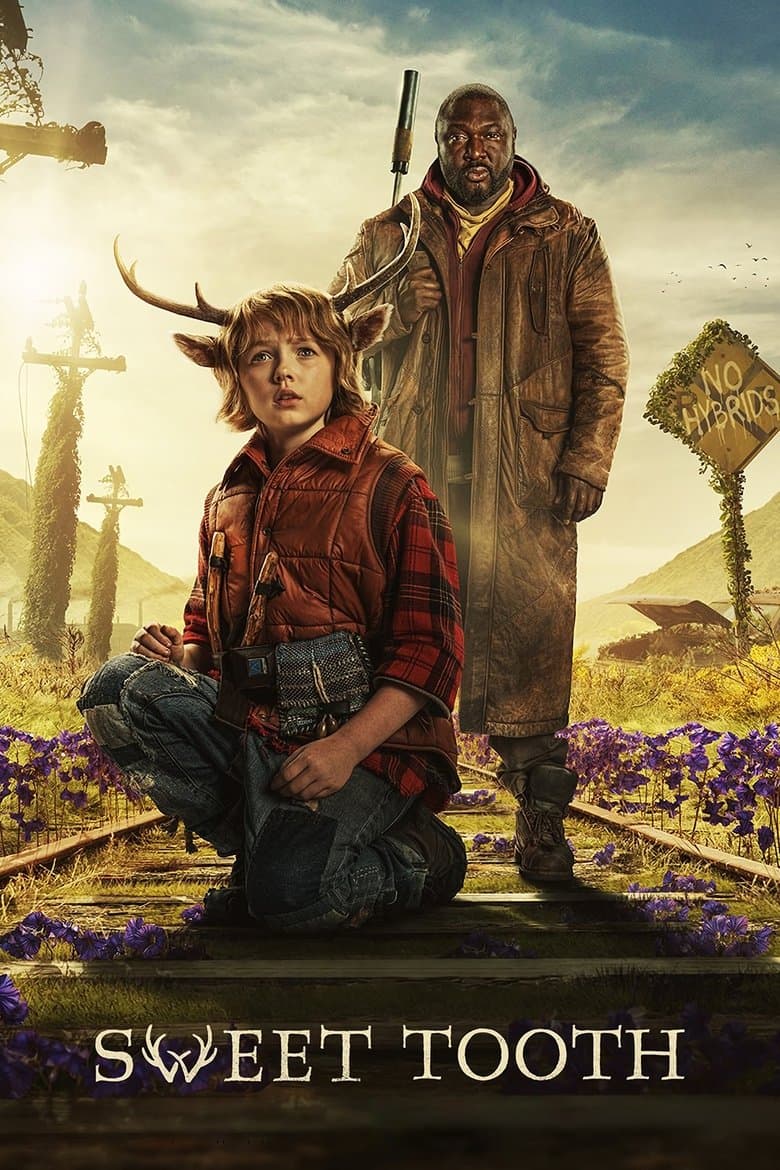
TV Show · 2021
On a perilous adventure across a post-apocalyptic world, a lovable boy who's half-human and half-deer searches for a new beginning with a gruff protector.
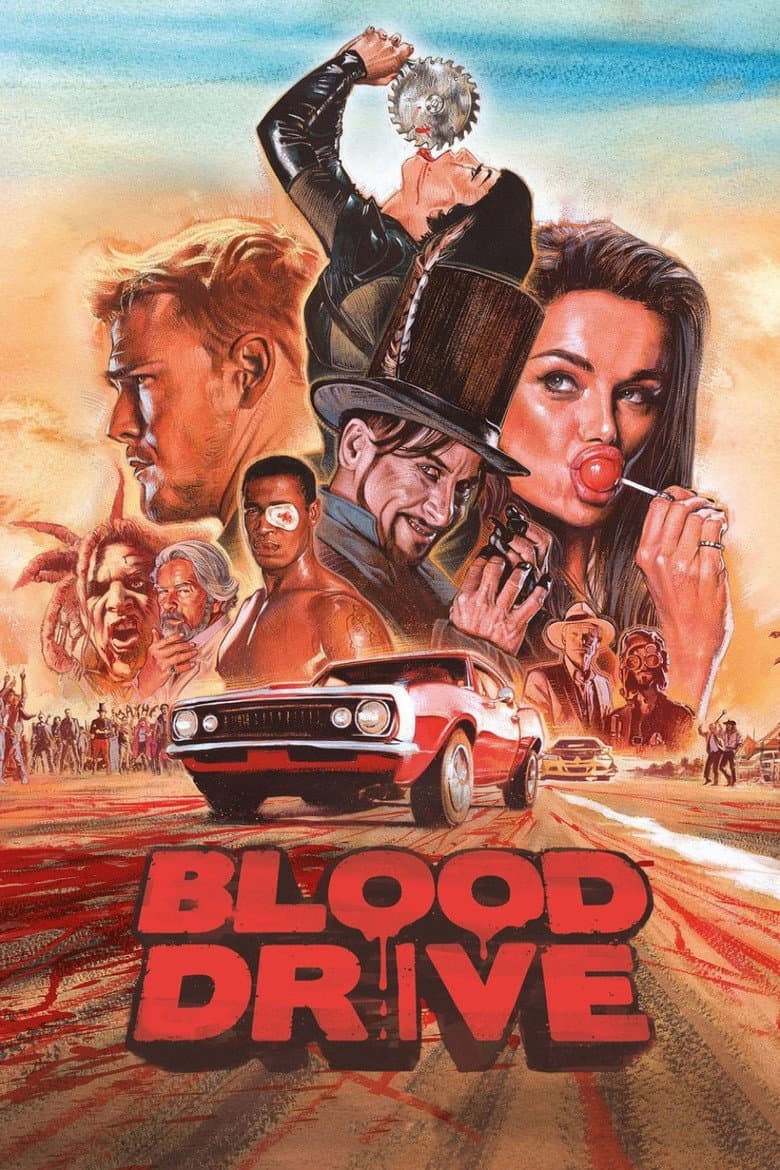
TV Show · 2017
Set in a near-dystopian future, a former cop is forced to take part in a death race where the cars run on human blood. You lose a leg and you lose your head.
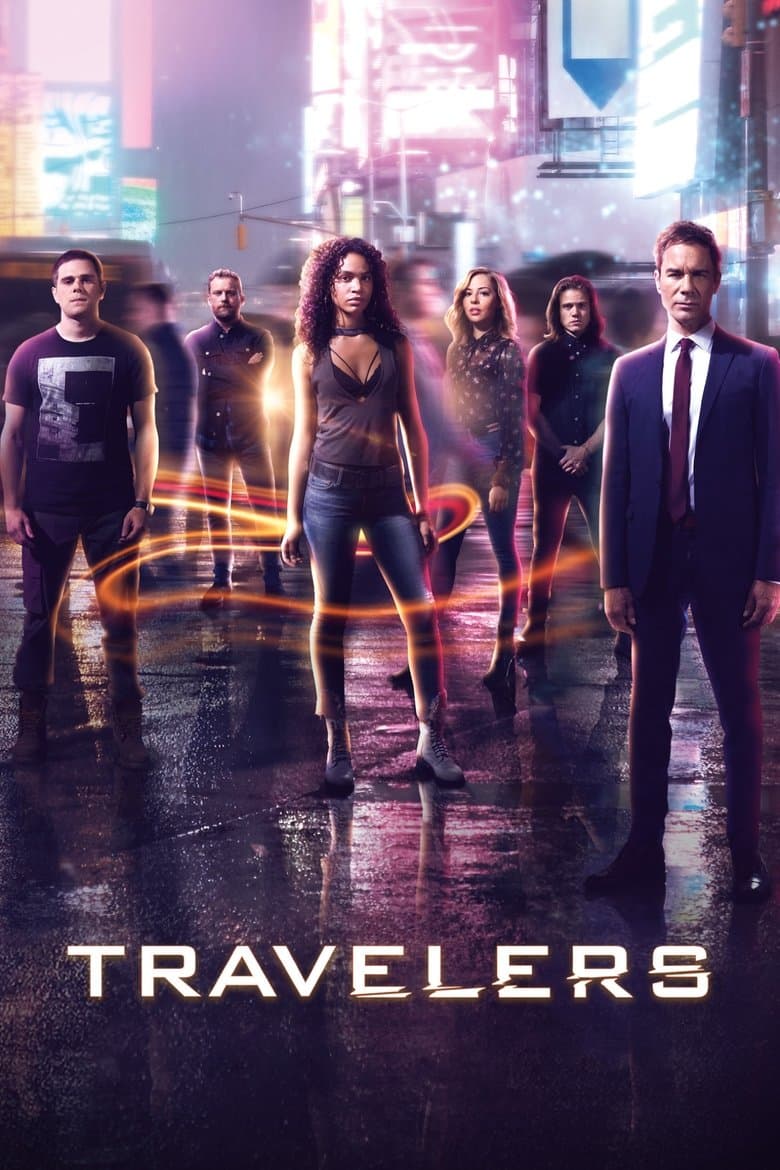
TV Show · 2016
Hundreds of years from now, the last surviving humans discover the means of sending consciousness back through time, directly into people in the 21st century.
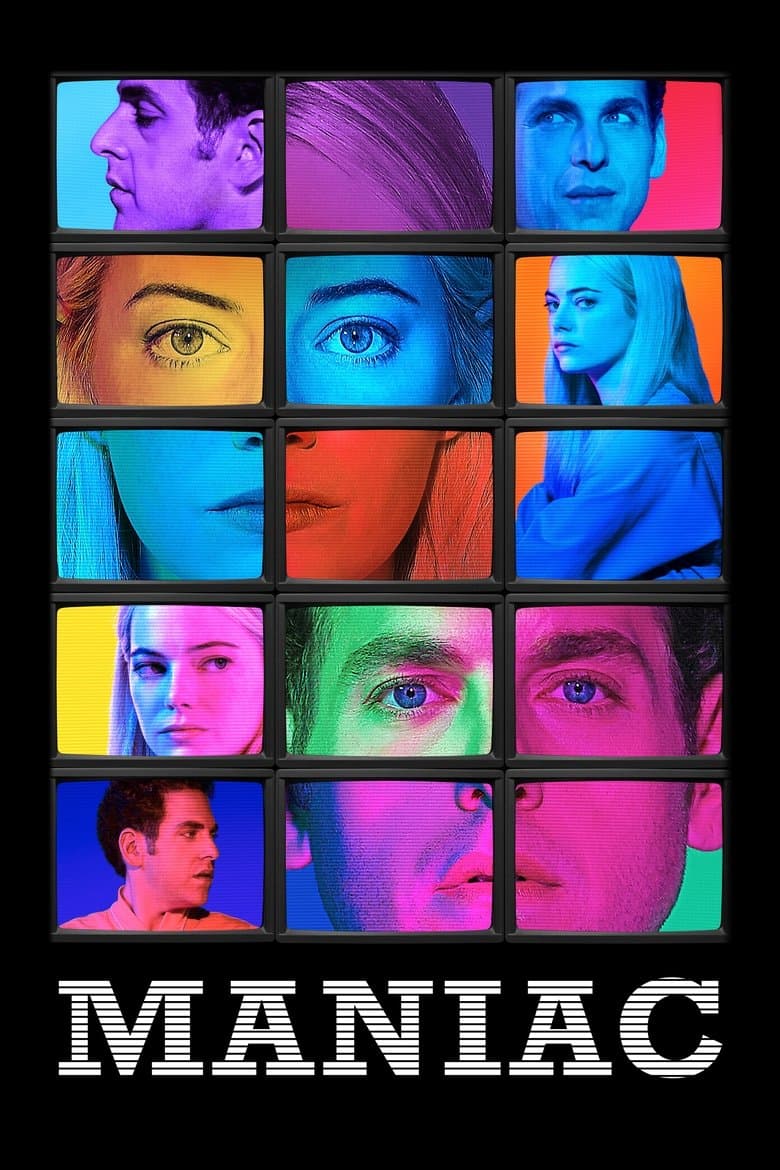
TV Show · 2018
Two strangers are drawn to a mysterious pharmaceutical trial that will, they're assured, with no complications or side-effects whatsoever, solve all of their problems…
