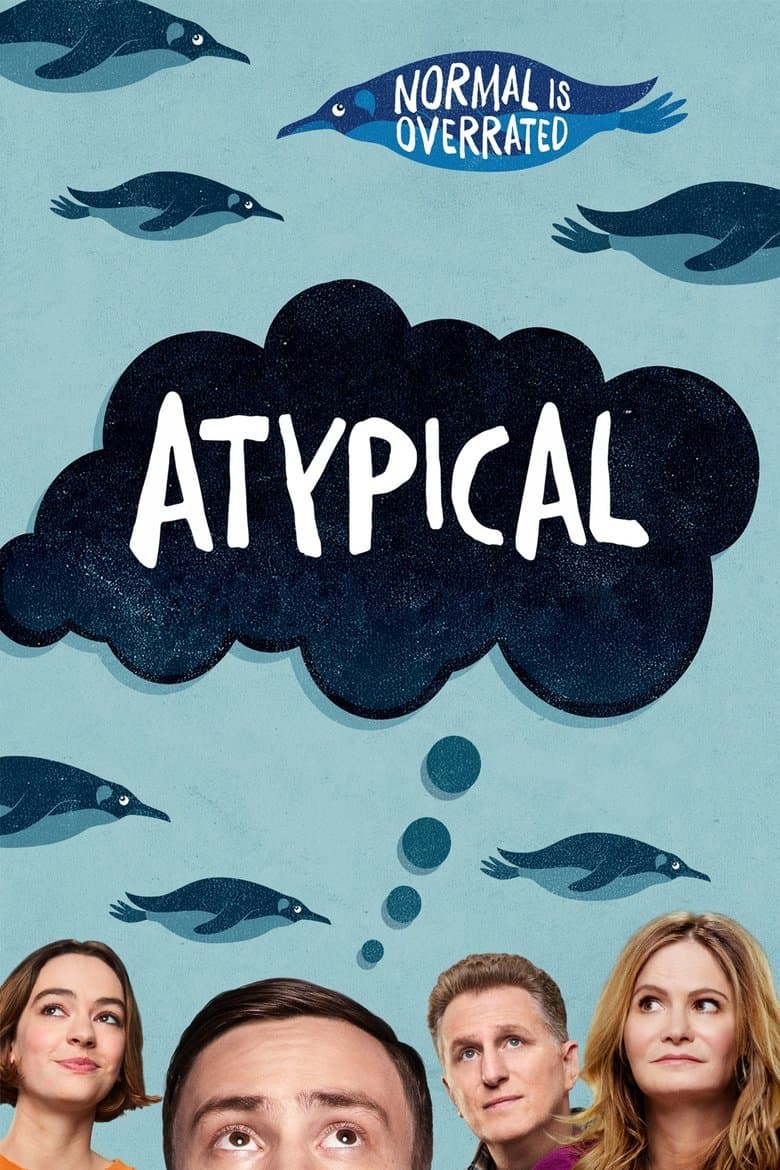
Started August 11, 2017 · Ended · Based on 4 seasons, 38 episodes through July 9, 2021 · TV-14 · 33 min
Atypical follows autistic teen Sam Gardner as he tries to grow up on his own terms. He wants independence, dating, and college while his family learns how to support him. The show is a Netflix comedy-drama across four seasons. Early seasons center Sam, his parents, and his sister Casey as they rethink what normal means. Later seasons still follow Sam while Casey’s own life takes up much more of the story.
The series treats autism and difference as a core theme from the first season. Later seasons make Casey’s bisexual coming-of-age and her romance with Izzie a major plotline. Season four also shows a student GSA fight against a gendered school dress code. Identity talk appears in parent groups, coming-out scenes, and school protest moments. Those beats are easy for viewers to notice and weigh heavily for people who finish the show.
Community feedback
Was our 69% Woke rating accurate?
Breakdown
These are the editorial factors and ratings behind our score for Atypical.
Woke representation / casting
The white Gardner family fits the story world, and a multiethnic supporting cast fits modern Connecticut. After Season 1 pushback on a non-autistic lead, later seasons added autistic peer actors and marketed diversity in the autism community. Casey’s bisexual arc is large, and a nonbinary actor in the role drew wide press talk about identity. The pattern shows clear inclusion choices, not only what the setting already needed.
45%
Woke political dialogue
Most talk is family comedy and autism daily life. Clear identity language still shows up in the autism parent group, in coming-out scenes with parent pushback, and in Season 4 GSA talk against a gendered dress code. Viewers can hear it, but it is not constant slogan talk across every episode.
32%
Identity-driven story themes
From the start the show is about autism and redefining normal through Sam’s life. Later seasons make Casey’s bisexual story, her romance with Izzie, coming out, and a same-sex happy ending a major second plot. Season 4 also centers a GSA dress-code protest against gender norms. Queer characters stay highly visible for viewers who finish the series.
76%
Western institutional / cultural critique
The show often frames everyday society as hard for autistic people and treats elite prep-school culture as awkward. Season 4 treats gendered dress codes as old rules that enforce the gender binary and stages a student protest. Casey also leaves a straight relationship. The tone stays family drama, not a long attack on capitalism, church, or whiteness.
34%
Woke character or canon changes
Not relevant. This is an original series with no established canon or historical figures rewritten for DEI.
0%
Anti-woke backlash and complaints
Some viewers said early seasons worked and then Season 3 pushed unnecessary LGBTQ ideology. The show also appears on informal woke Netflix lists. There was no large, long mainstream anti-woke press war like with major culture-war hits.
22%
Creator track record context
Creator Robia Rashid stressed research, diverse writers, autistic hires, and inclusion in autism storytelling. Some writers have stronger queer or identity-focused credits, while many episodic writers score lower. The overall team supports identity-aware TV without looking like one pure activist group.
34%
Production
TV Show · 2019
In a city of coaching centers known to train India’s finest collegiate minds, an earnest but unexceptional student and his friends navigate campus life.
TV Show · 2016
In his funky California beach enclave, Chip's the go-to guy for personal insights. But he isn't quite as enlightened when it comes to his own baggage.

TV Show · 2019
A paragliding mishap drops a South Korean heiress in North Korea -- and into the life of an army officer, who decides he will help her hide.
TV Show · 2019
Tony had a perfect life. But after his wife Lisa suddenly dies, Tony changes. After contemplating taking his own life, he decides instead to live long enough to punish the world…
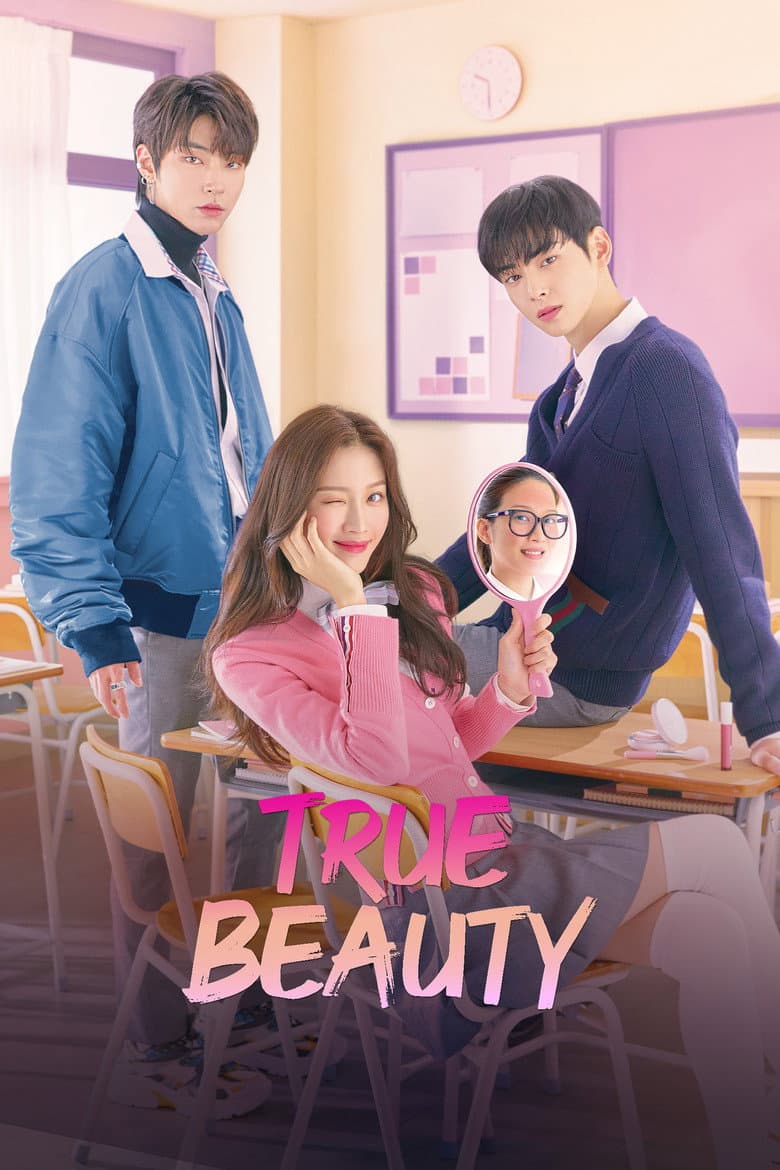
TV Show · 2020
After being bullied and discriminated because of her ugly looks, a high school girl transforms herself into a gorgeous "goddess" and quickly rises to fame after mastering the art…
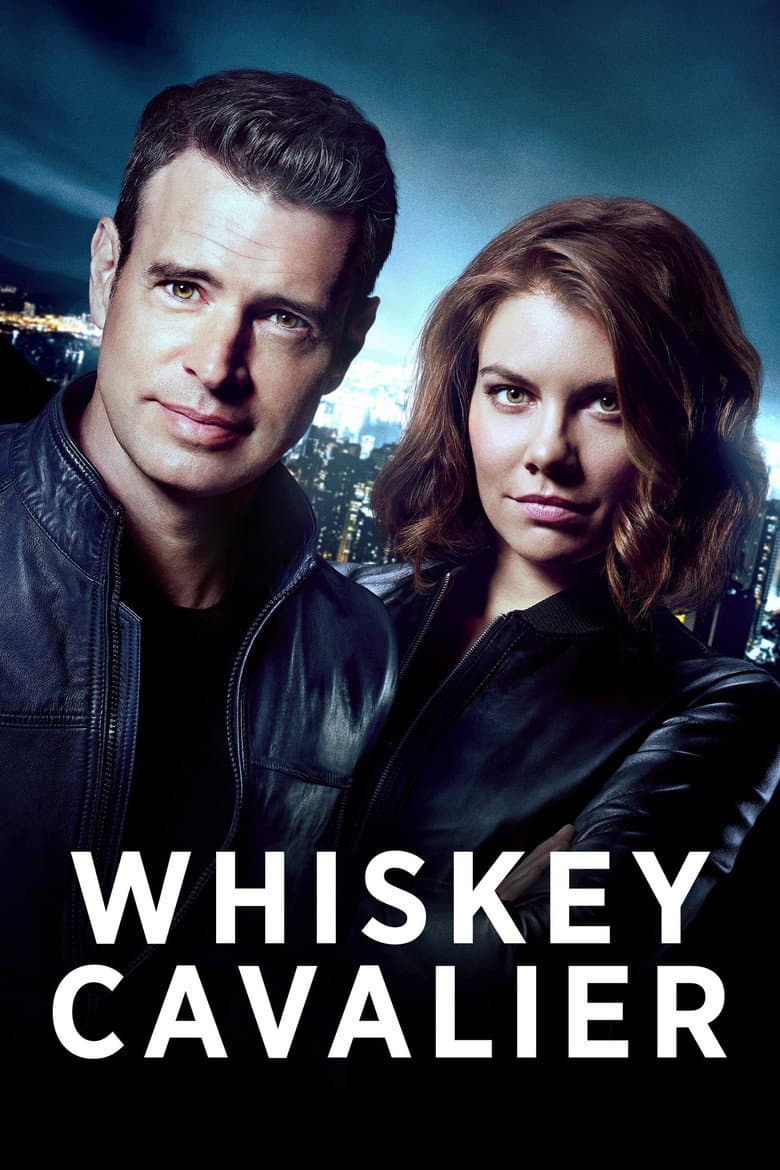
TV Show · 2019
Following an emotional breakup, tough but tender FBI super-agent Will Chase (codename: “Whiskey Cavalier”) is assigned to work with badass CIA operative Frankie Trowbridge…
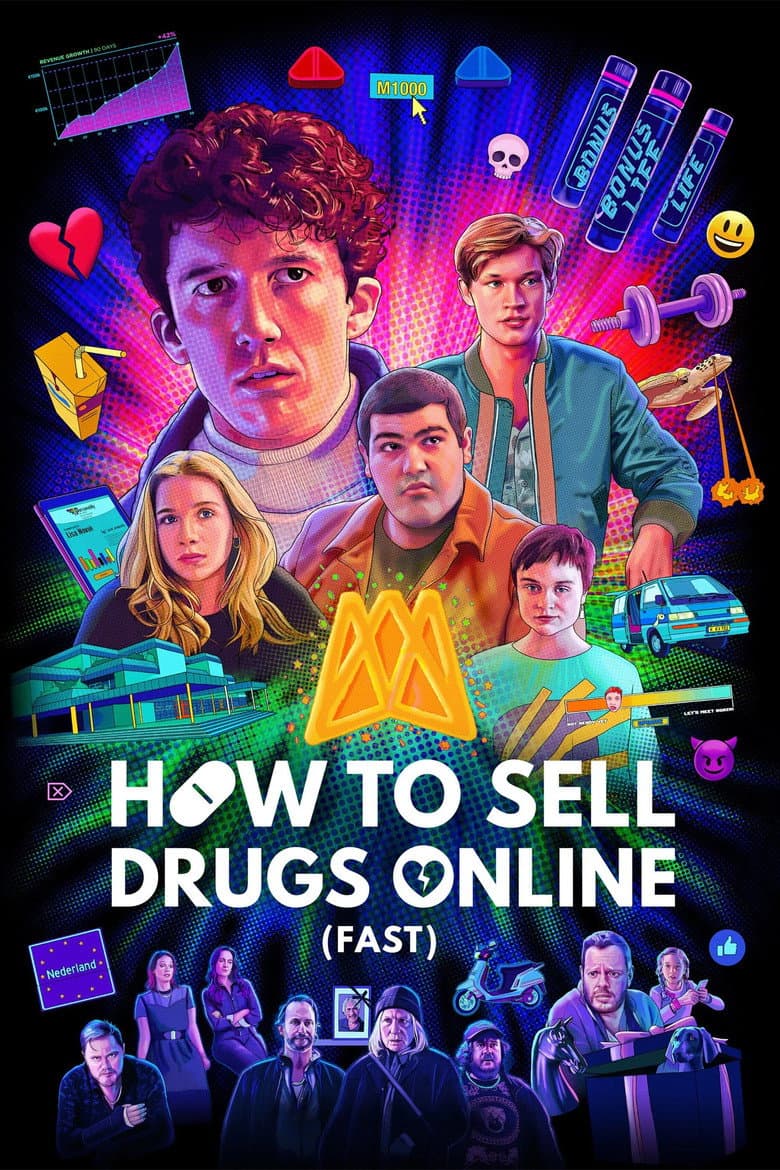
TV Show · 2019
To win back his ex-girlfriend, a nerdy teen starts selling ecstasy online out of his bedroom -- and becomes one of Europe's biggest dealers.
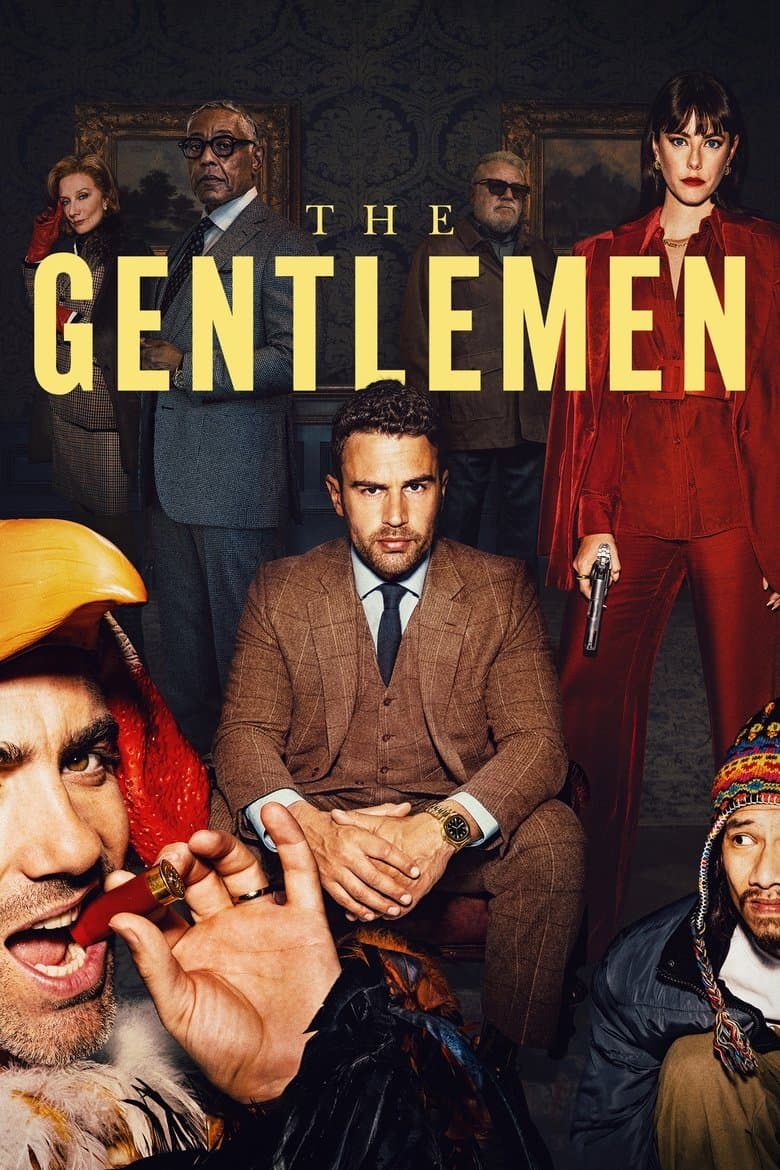
TV Show · 2024
When aristocratic Eddie inherits the family estate, he discovers that it's home to an enormous weed empire — and its proprietors aren't going anywhere.
