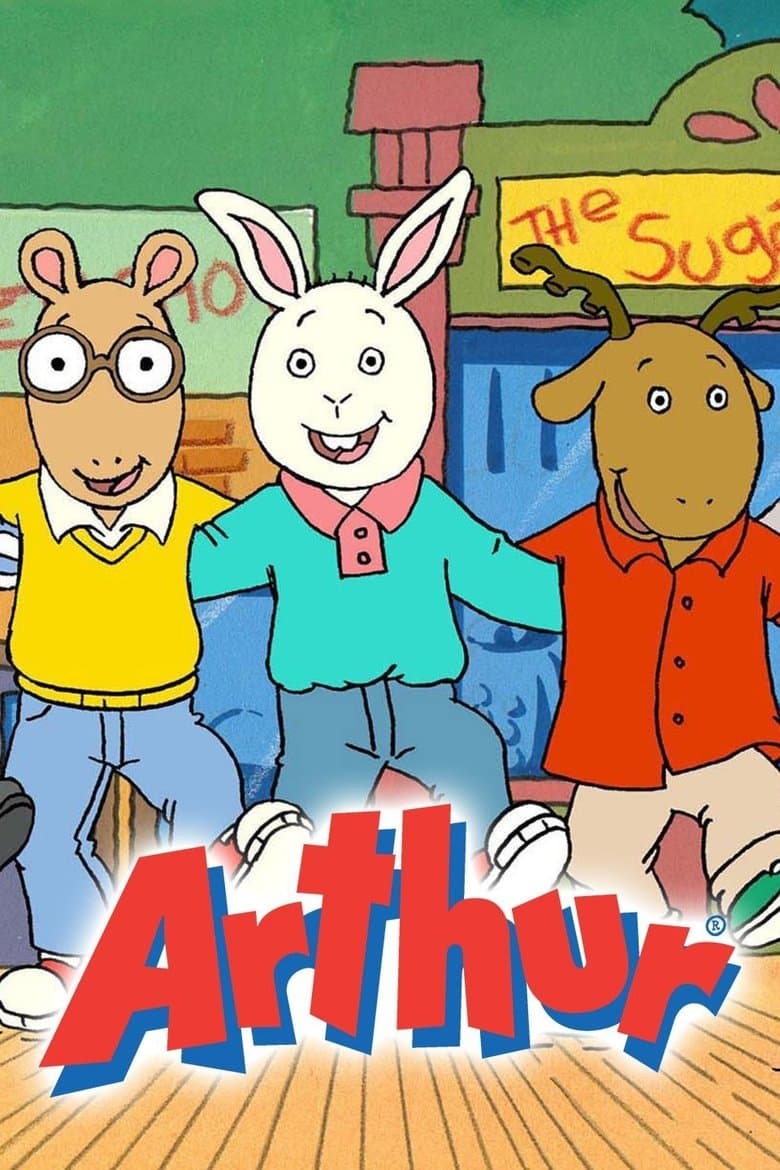
Started October 7, 1996 · Ended · Based on 25 seasons, 493 episodes through February 21, 2022 · TV-Y · 13 min
Arthur follows eight-year-old Arthur Read, an aardvark who lives in Elwood City with his parents, younger sister D.W., and baby sister Kate. He spends his days at school with friends such as Buster, Francine, Muffy, and Brain. Each story turns homework, sibling fights, friendship problems, fears, illness, or family changes into a small problem that the children must work through. The tone stays warm, funny, and gentle, even when an episode discusses death, cancer, disability, or unfair treatment.
Most of the 25-season run focuses on ordinary childhood lessons, but the later years add clear identity and activism material. Season 22 reveals that teacher Mr. Ratburn is marrying a man, and the wedding is shown as happy and normal. Season 21 presents civil rights leader John Lewis teaching children about peaceful protest, while a 2020 short tells Arthur and Buster to fight racism after a video of a black person being hurt. These moments are easy to notice, but they occupy only a small part of the show, which remains mainly a family and school comedy.
Community feedback
Was our 57% Woke rating accurate?
Breakdown
These are the editorial factors and ratings behind our score for Arthur.
Woke representation / casting
Most characters are animated animals, so the show does not use live-action casting to signal identity. The clearest representation choice is the late addition of Mr. Ratburn and Patrick as a same-sex married couple. The couple is visible in a prominent wedding episode, but it does not create a wider pattern of identity-based casting. The identity signal remains limited because the series is not built around representation-first casting.
18%
Woke political dialogue
Arthur Takes a Stand gives children a direct lesson about civil rights and peaceful protest through John Lewis. The 2020 racism short says black people have a long history of unfair treatment and asks viewers to talk, listen, and act. The show presents these messages as guidance, not as a debate between political sides. The material is clear but appears in only a few late-run segments.
28%
Identity-driven story themes
The show usually tells stories about school, family, friendship, and personal mistakes. Season 22 adds a same-sex wedding for long-running teacher Mr. Ratburn and treats his marriage to Patrick as ordinary and happy. A 2020 short directly links racism to a video of a black person being hurt and tells children to act against it. These identity-driven themes are audience-visible and endorsed by the story, but they are limited to a small part of the 25-season run.
40%
Western institutional / cultural critique
The 2020 racism short says black people have faced unfair treatment for a long time and says racism can get worse without action. That message treats racism as a broad social problem rather than one child’s bad choice. Arthur Takes a Stand also asks school leaders to fund help for an overworked lunch worker and praises peaceful protest against unfair rules. The series does not attack family, religion, capitalism, or other Western institutions as a whole.
25%
Woke character or canon changes
Season 22 changes the established personal story of Mr. Ratburn by revealing that he is marrying a man. The show had followed him as Arthur’s teacher for many years without making a partner part of his story. The new husband, Patrick, is introduced for the wedding and remains a small part of the series. This is a clear identity-driven canon change, but it affects one supporting character rather than the main cast.
40%
Anti-woke backlash and complaints
Conservative groups called the season 22 wedding an agenda and asked PBS to remove it. One Million Moms threatened a boycott, and commentator Sebastian Gorka called the episode part of a culture war. Public television stations in Alabama and Arkansas refused to air the premiere at first. Breitbart later called the anti-racism short propaganda, so the backlash covered both queer content and race messaging.
55%
Creator track record context
The stored creator context gives Marc Brown a moderate 42/100 because he supports public media and stories about different kinds of families. The stored profiles for the other listed writers, director, and producers are low and show no activist pattern. Their careers center on children’s entertainment and education. This gives the title some supporting context, but the team is not known for a broad activist record.
27%
Production
TV Show · 2024
Riley is growing up and when her memories need some extra processing, Joy and the rest of the Core Emotions send them to Dream Productions.
TV Show · 2022
Follow the misadventures of the impulsive Cuphead and his cautious but persuadable brother Mugman in this animated series based on the hit video game.

TV Show · 2021
A series of shorts that follows the humorous misadventures of Dug, the lovable dog from Disney and Pixar’s “Up.” Each short features everyday events that occur in Dug's backyard…
TV Show · 2018
The offbeat adventures of 10-year-old Cricket Green, a mischievous and optimistic country boy who moves to the big city with his wildly out of place family – older sister Tilly…
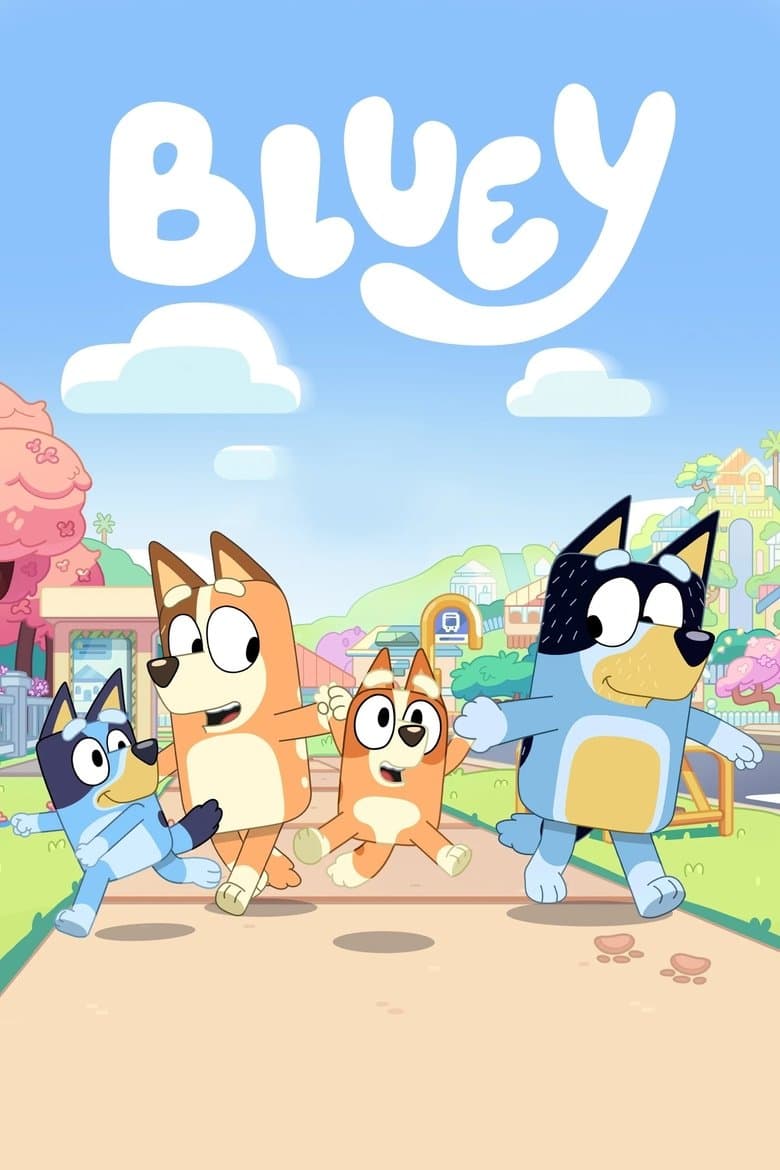
TV Show · 2018
Bluey is an inexhaustible six year-old Blue Heeler dog, who loves to play and turns everyday family life into extraordinary adventures, developing her imagination as well as her…
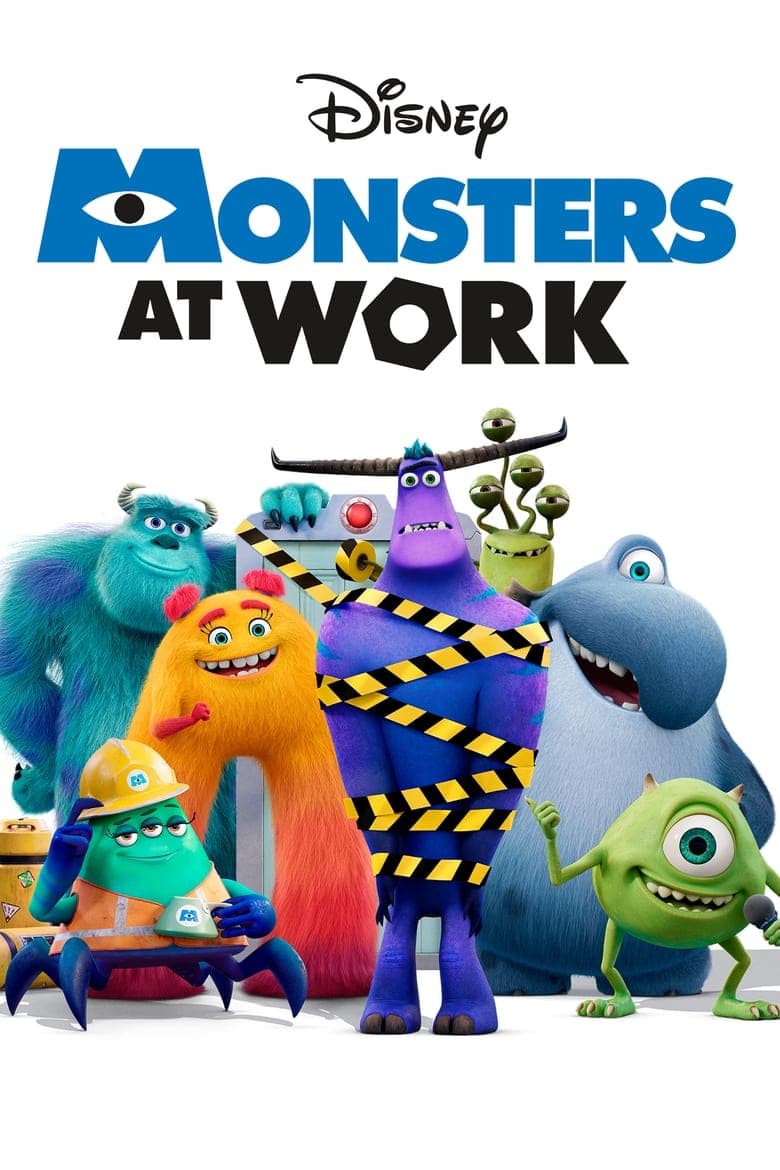
TV Show · 2021
Ever since he was a kid, Tylor Tuskmon has dreamed of becoming a Scarer just like his idol James P. Sullivan, and now that dream is about to come true... or not.
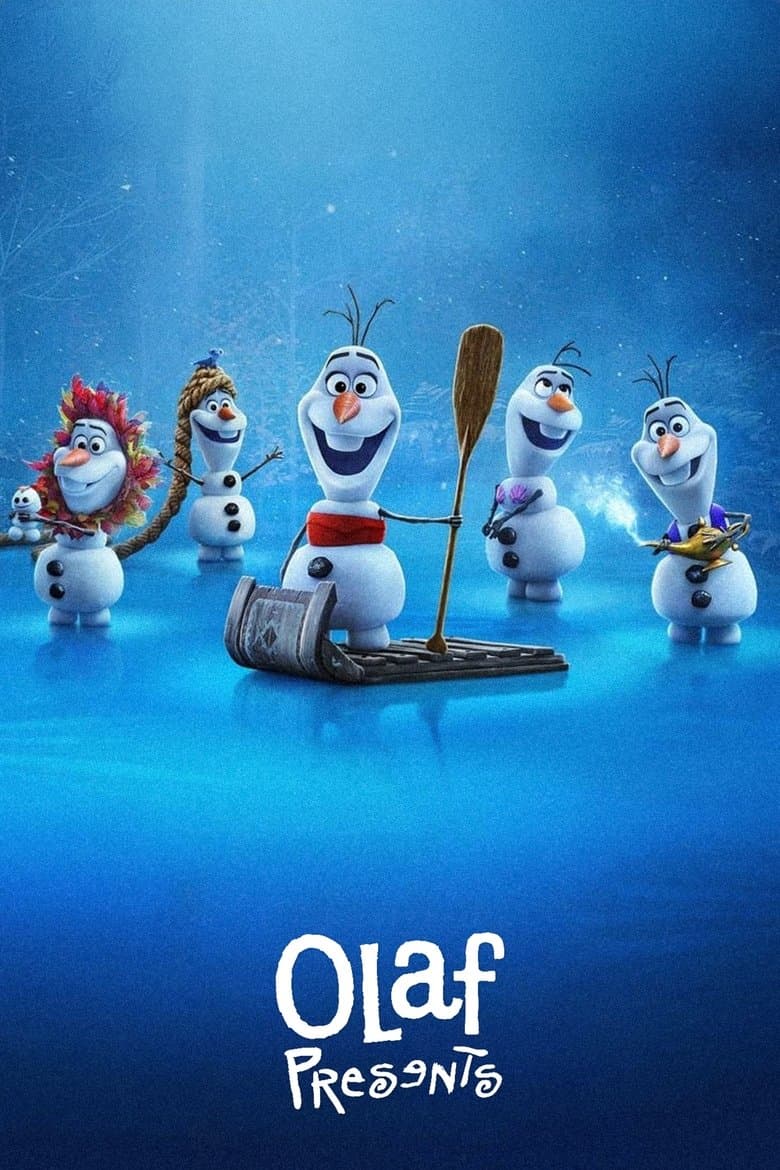
TV Show · 2021
Frozen’s beloved snowman retelling several classic Disney tales as only he can.
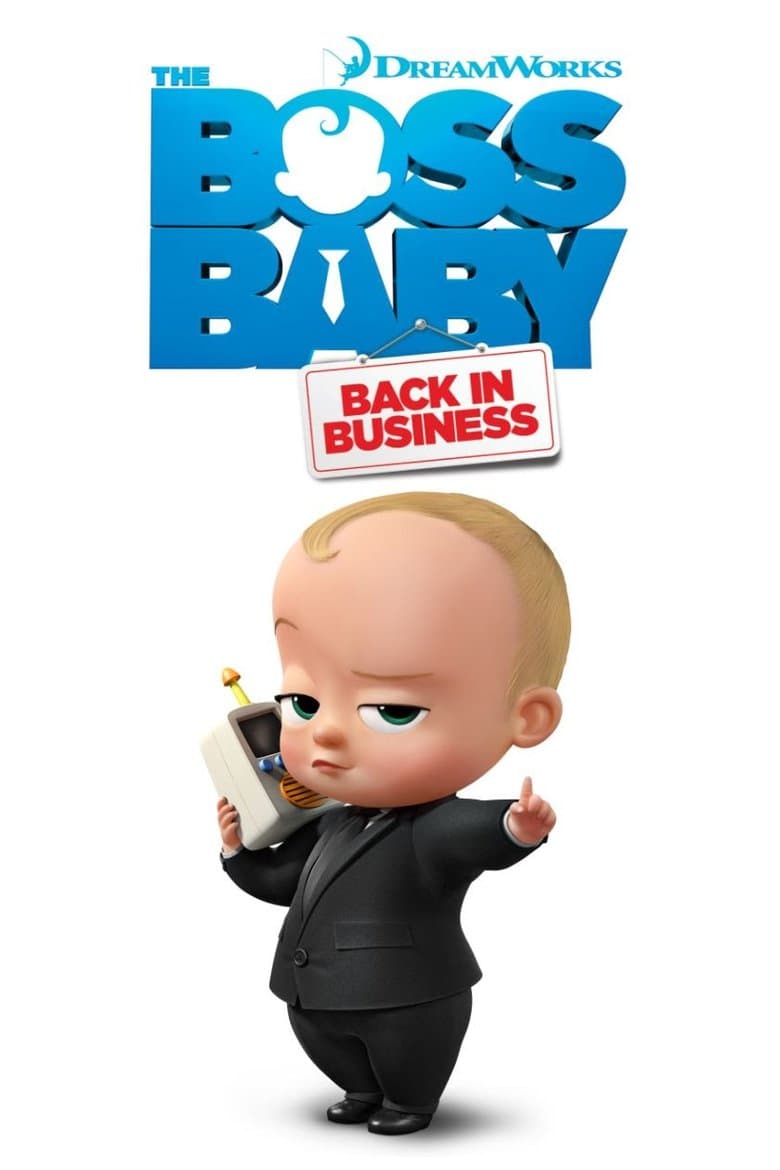
TV Show · 2018
The Boss Baby brings his big brother Tim to the office to teach him the art of business in this animated series sprung from the hit film.
