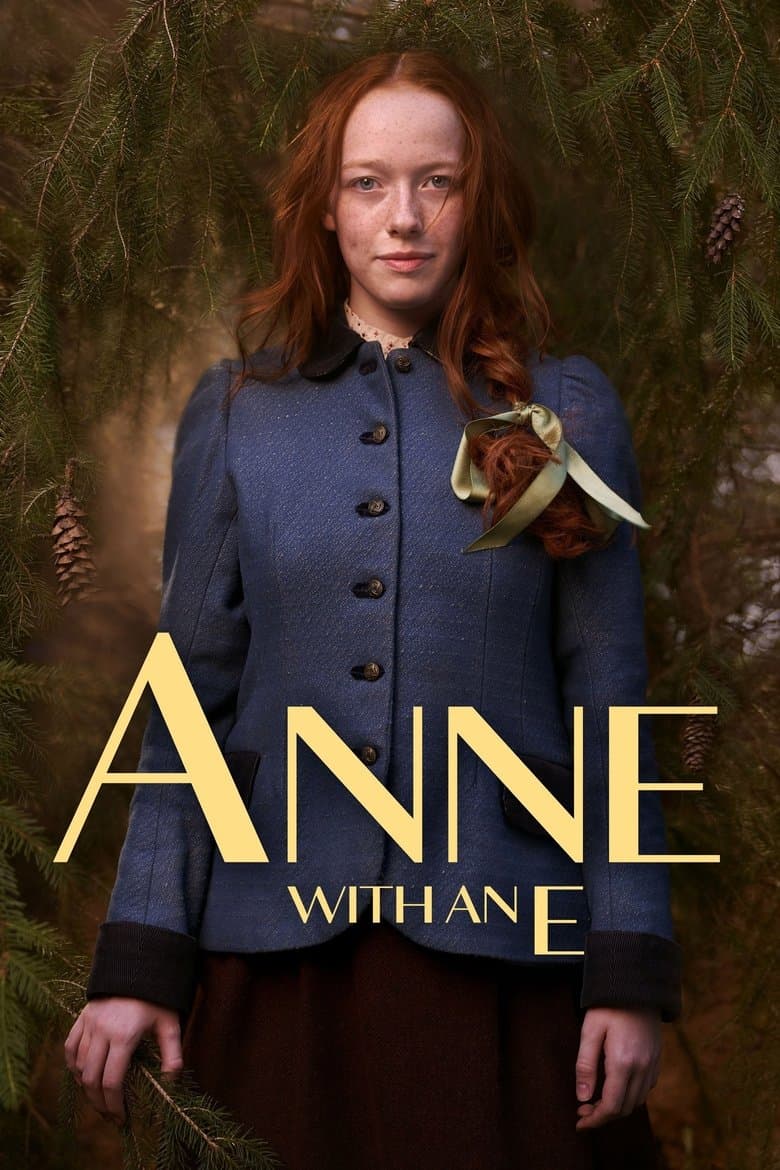
Started March 19, 2017 · Canceled · Based on 3 seasons, 27 episodes through November 24, 2019 · TV-G · 47 min
Anne with an E is a three-season Canadian period drama loosely based on Lucy Maud Montgomery’s Anne of Green Gables books. It follows orphan Anne Shirley’s arrival in 1890s Avonlea, Prince Edward Island, where her vivid imagination and fierce spirit help her win over reluctant adoptive siblings Matthew and Marilla Cuthbert and gradually reshape the tight-knit community. The series expands the source material with a darker trauma-focused backstory for Anne and adds prominent storylines about feminism, racism, and Indigenous experiences, including explicit on-screen discussions of gender equality and prejudice.
Community feedback
Was our 82% Woke rating accurate?
Breakdown
These are the editorial factors and ratings behind our score for Anne with an E.
Woke representation / casting
Added prominent black and Indigenous characters (Bash, Ka’kwet and family) with dedicated arcs on racial prejudice and cultural difference; explicit dialogue calls out Anne meeting her “first person of color”; deliberate expansion beyond the books’ mostly white rural PEI setting.
52%
Woke political dialogue
Repeated direct conversations about feminism, girls’ capabilities versus boys’, women’s limited choices, and social injustice; Anne’s published article on women’s rights triggers community backlash framed as progressive resistance.
55%
Identity-driven story themes
Anne’s core arc centers outsider identity, trauma survival, and fierce fight for acceptance and belonging; expanded with explicit racial, Indigenous, and gender-identity conflicts plus empowerment against societal norms.
60%
Western institutional / cultural critique
Portrays 1890s Canadian community norms, traditional gender roles, conformity, and residential-style schools for Indigenous children as restrictive and harmful; highlights systemic bias against women, minorities, and nonconformists as problems requiring challenge.
48%
Woke character or canon changes
Created new diverse supporting characters and subplots on racism and feminism absent from Montgomery’s novels; reinterpreted Anne with heavier modern trauma and vocal social-advocacy elements.
40%
Anti-woke backlash and complaints
Book purists and conservative reviewers repeatedly accused the series of pushing modern feminist ideology, forced diversity, and left-leaning social commentary; labeled “woke,” “grimdark,” and a betrayal of the source’s lighter spirit.
50%
Creator track record context
Several directors (Niki Caro, Patricia Rozema) have feminist or socially conscious film histories; showrunner emphasized updating themes of identity and prejudice for contemporary relevance; overall reflects progressive Canadian television production patterns.
38%
Production
TV Show · 2016
In 1935, financially strapped widow Louisa Durrell, whose life has fallen apart, decides to move from England, with her four children (three sons, one daughter), to the island of…
TV Show · 2016
David Attenborough presents a documentary series exploring how animals meet the challenges of surviving in the most iconic habitats on earth.
TV Show · 2017
The early life of child genius Sheldon Cooper, later seen in The Big Bang Theory.
TV Show · 2017
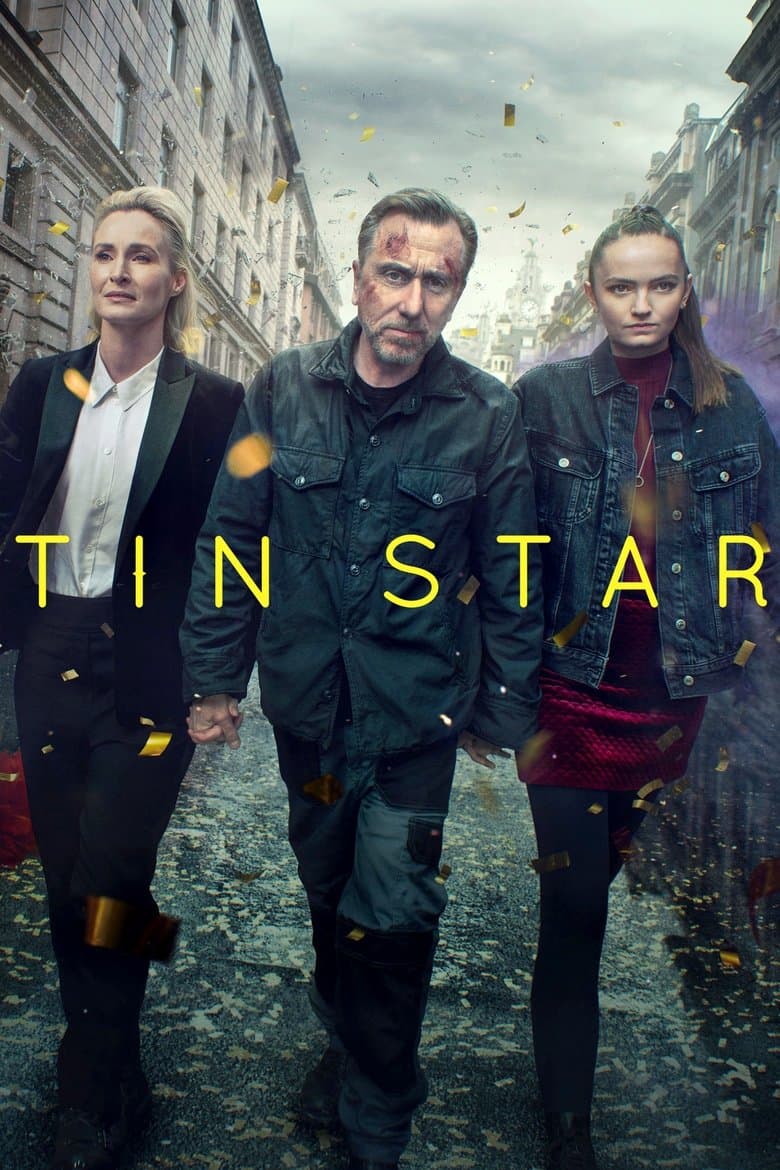
The story of Jim Worth, an expat British police officer starting a new life with his family as police chief in Little Big Bear, an idyllic town near the Rocky Mountains.
TV Show · 2024
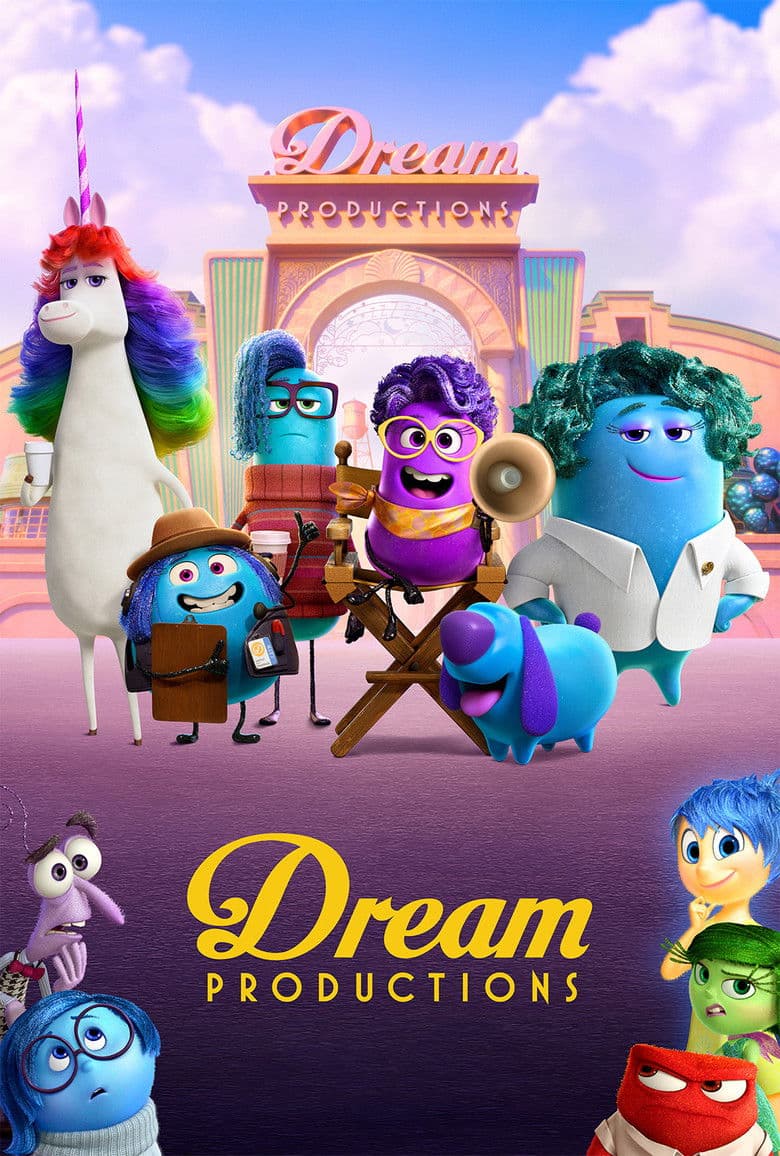
Riley is growing up and when her memories need some extra processing, Joy and the rest of the Core Emotions send them to Dream Productions.
TV Show · 2019
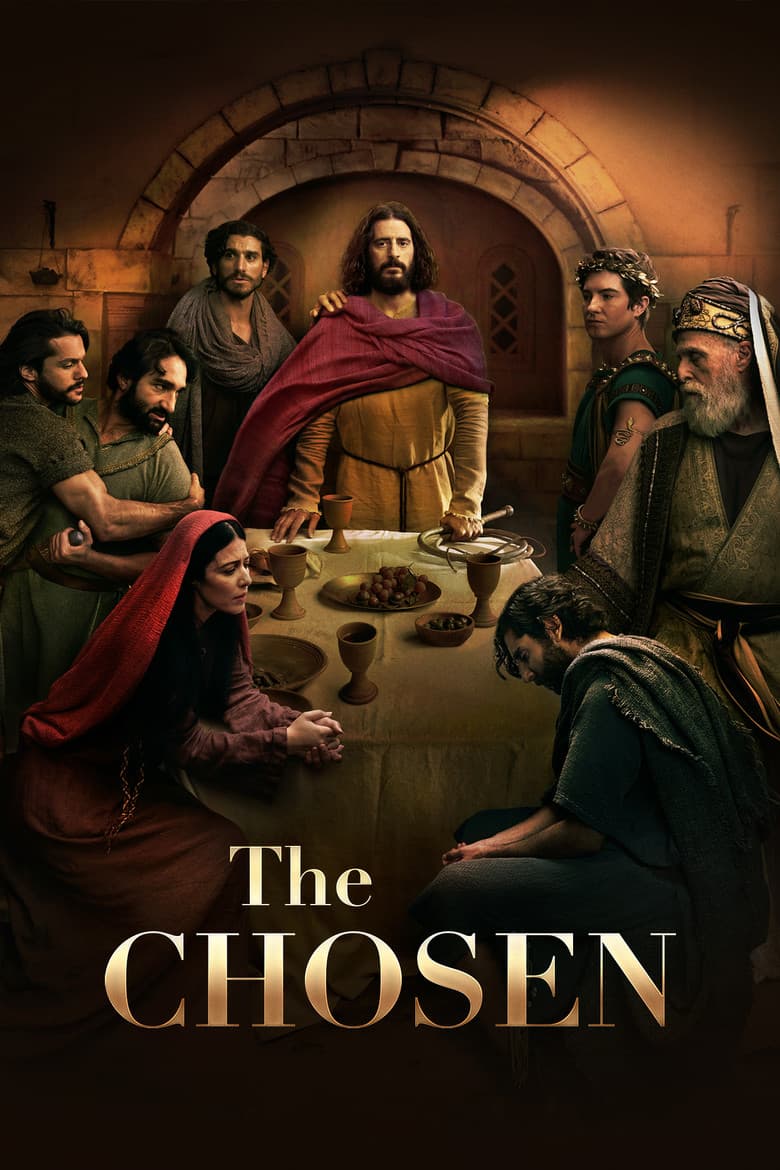
The life of Christ through the eyes of those who encountered him.
TV Show · 2018
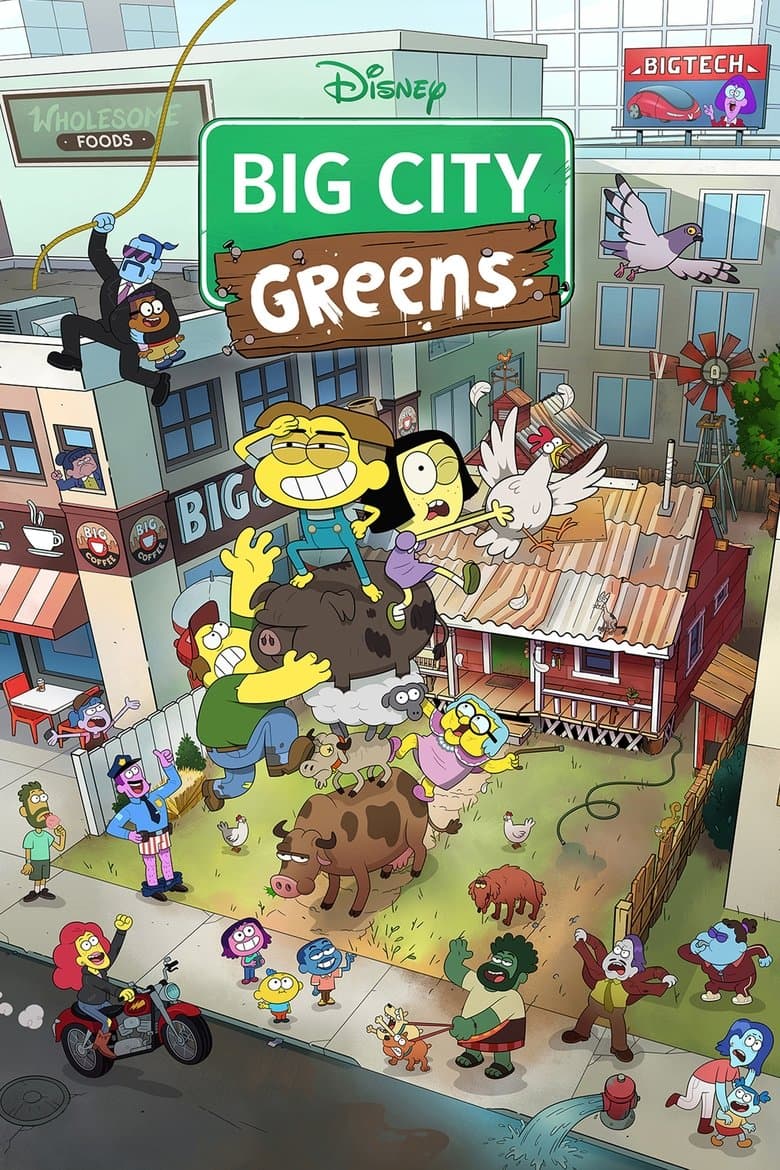
The offbeat adventures of 10-year-old Cricket Green, a mischievous and optimistic country boy who moves to the big city with his wildly out of place family – older sister Tilly…

TV Show · 2021
A series of shorts that follows the humorous misadventures of Dug, the lovable dog from Disney and Pixar’s “Up.” Each short features everyday events that occur in Dug's backyard…
