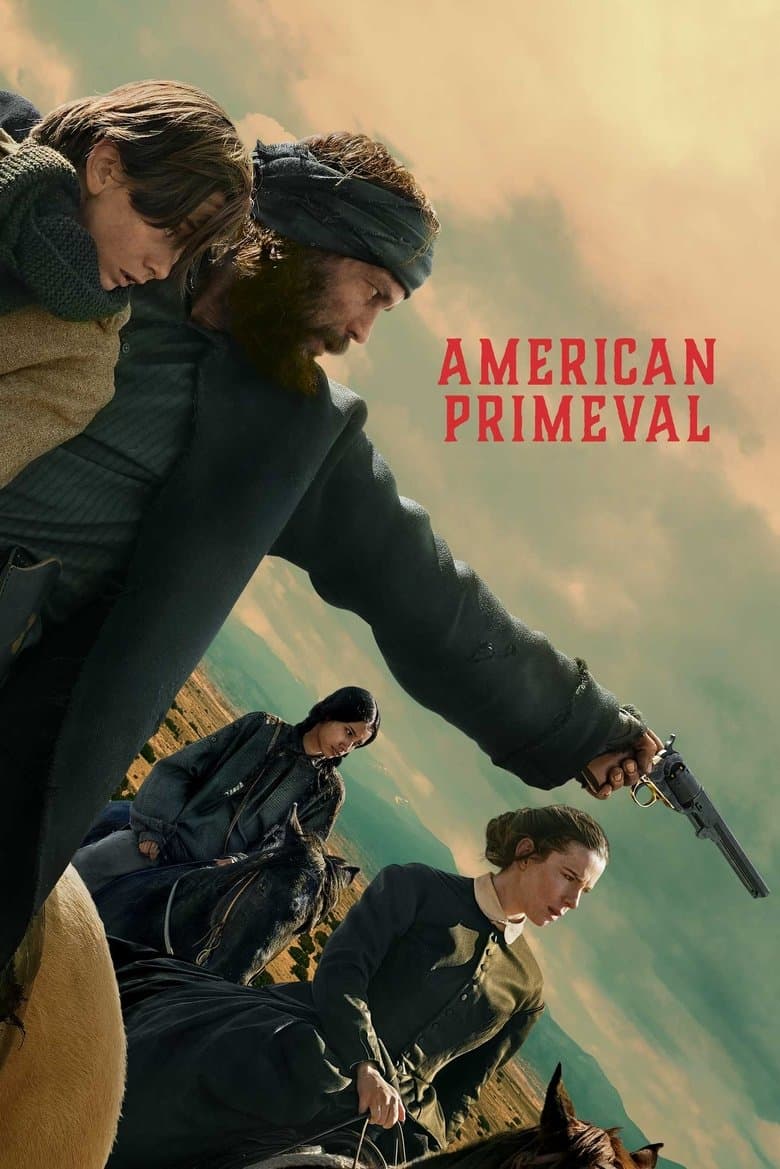
Started January 9, 2025 · Ended · Based on 1 season, 6 episodes through January 9, 2025 · TV-MA
American Primeval is a six-episode Netflix Western set in 1857 Utah Territory during the Utah War. Fugitive mother Sara Holloway and her son Devin hire mountain man Isaac Reed after a Mormon militia, disguised as Natives, massacres a wagon train. That attack is a dramatized version of the Mountain Meadows Massacre. Parallel stories follow Mormon newlyweds Jacob and Abish, Shoshone leader Red Feather, Brigham Young’s militia, Jim Bridger’s fort, and bounty hunters. The show is a brutal fight among many groups over land, faith, and survival.
Audience-visible identity notes include a Shoshone matriarch as tribal chief, a female Wolf Clan warrior, a mute Indigenous runaway in the found family, and Sara’s disabled son. Story threads cover Sara becoming a hard survivor, Abish’s forced Mormon marriage and pull toward Shoshone life, and Shoshone land pressure under white and Mormon expansion. The LDS militia and Brigham Young appear as secretive, ruthless power, and the West is shown as cruel rather than a mythic frontier. Dialogue stays mostly period and survival focused, with only mild empowerment lines. The series is still mainly graphic frontier violence, and progressive institutional critique rides alongside that grind rather than replacing it.
Community feedback
Was our 45% Woke rating accurate?
Breakdown
These are the editorial factors and ratings behind our score for American Primeval.
Woke representation / casting
The cast largely fits 1857 Utah with settlers, Mormons, and Native groups. Viewers also see a Shoshone matriarch as chief, a female warrior, a mute Indigenous runaway, and Sara’s disabled son. Production pushed Indigenous authenticity hard. It is not a modern city-style diversity cast, but it does lean toward identity-forward leadership and survivor roles.
22%
Woke political dialogue
Most talk is about survival, militia orders, and religious conflict in the period. There is little modern activist language. Mild lines about Sara refusing pity after assault read as character grit more than slogan politics.
10%
Identity-driven story themes
The main engine is frontier violence and multi-side survival, not a lecture. Clearer threads follow Sara’s rise as a survivor, Abish’s forced marriage and pull toward Shoshone life, Two Moons fleeing abuse, and land pressure on the Shoshone. The found family around Sara, Devin, Two Moons, and Isaac is the emotional center. These threads are noticeable but not the whole show.
32%
Western institutional / cultural critique
The LDS militia is shown as secretive and murderous, and Brigham Young as a ruthless boss. Mountain Meadows is the spark crime, and the West is cruel rather than a heroic myth. Creators framed the series as an anti-nostalgic corrective that treats rose-tinted origin stories as a lie. That demythologizes religious and settler power beyond plain history alone, though it still stays rooted in 1857 war and theocracy.
45%
Woke character or canon changes
The show is mostly original fiction built around real events. The strongest identity-leaning invention is Winter Bird, a fictional Shoshone chief inspired off-screen by a real figure said to be lesbian with multiple wives. Brigham Young is written as a violent fanatic in a contested way, not as a race or gender swap of a known fictional character.
15%
Anti-woke backlash and complaints
The biggest fight was the LDS Church calling the show dangerously misleading on Young and the massacre, which is religious-history pushback. Separate thinner right-leaning complaints call it too woke, too feminist, or a Hollywood attack on whites and religious pioneers. Those voices exist but do not form a large organized anti-woke campaign.
22%
Creator track record context
Lead creatives are mostly low-activist, with Berg known for action and military realism. Casting has a stronger Indigenous-authenticity niche. Supporting talk about anti-myth history and heavy consultant work raises the context a little without making the core team an activist roster.
12%
Production
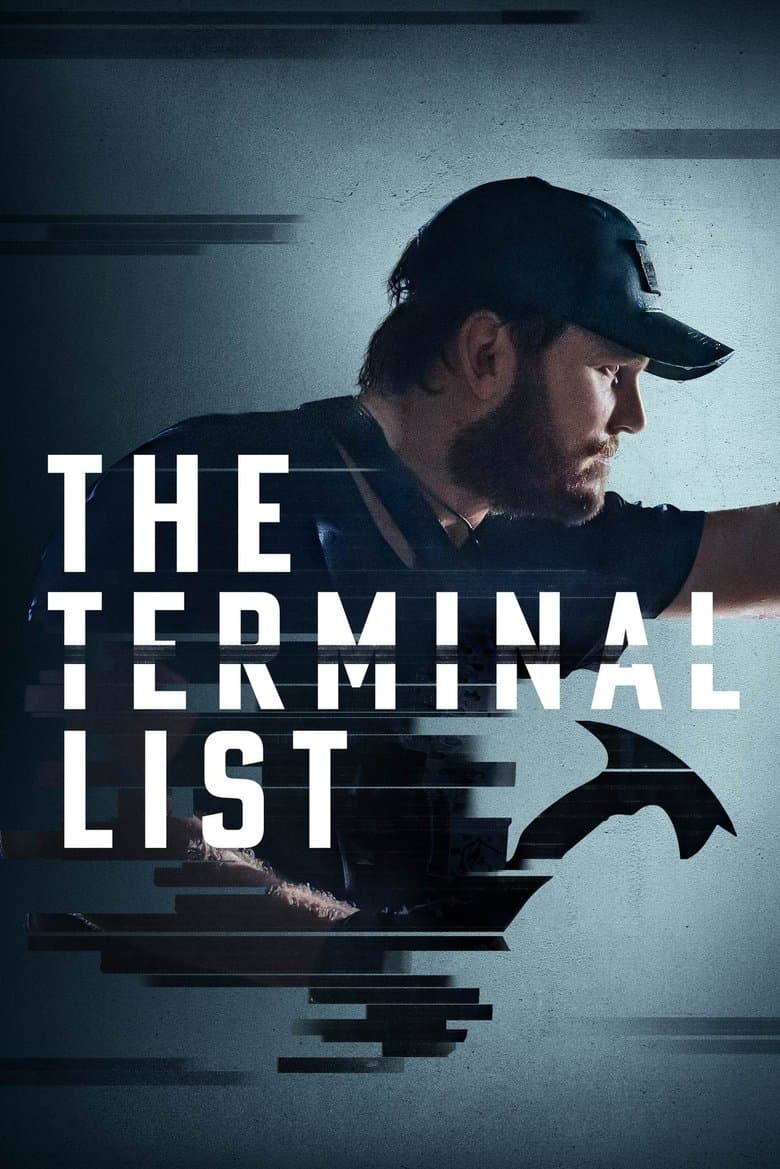
TV Show · 2022
Navy SEAL Commander James Reece turns to vengeance as he investigates the mysterious forces behind the murder of his entire platoon.
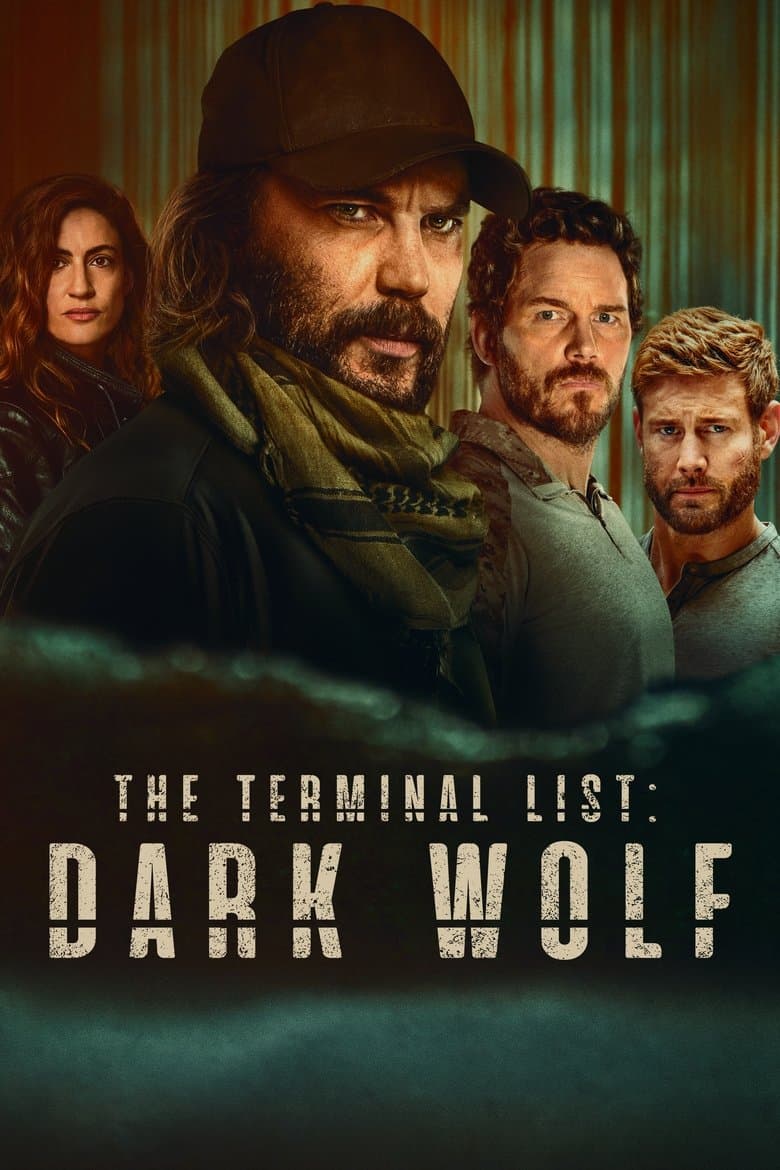
TV Show · 2025
Before The Terminal List, Navy SEAL Ben Edwards finds himself entangled in the black operations side of the CIA.
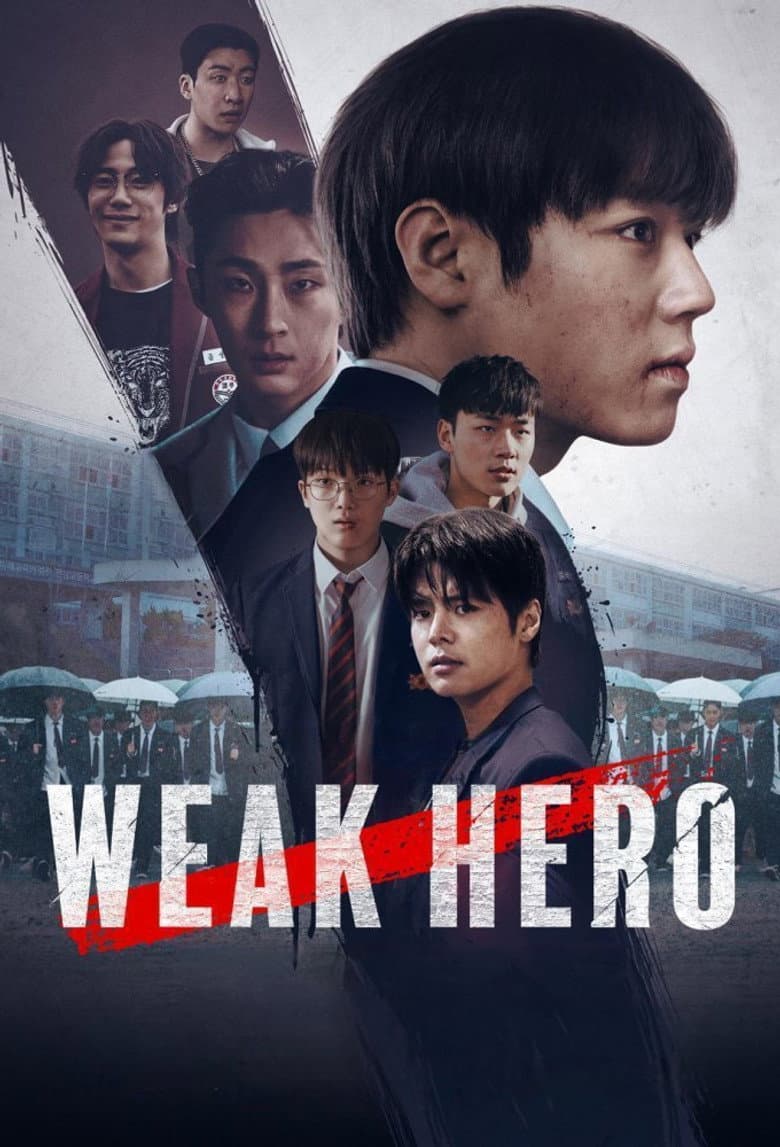
TV Show · 2022
With the aid of unexpected friends, a gifted but introverted student confronts bullies and violent foes — unaware of how dangerous his world will become.
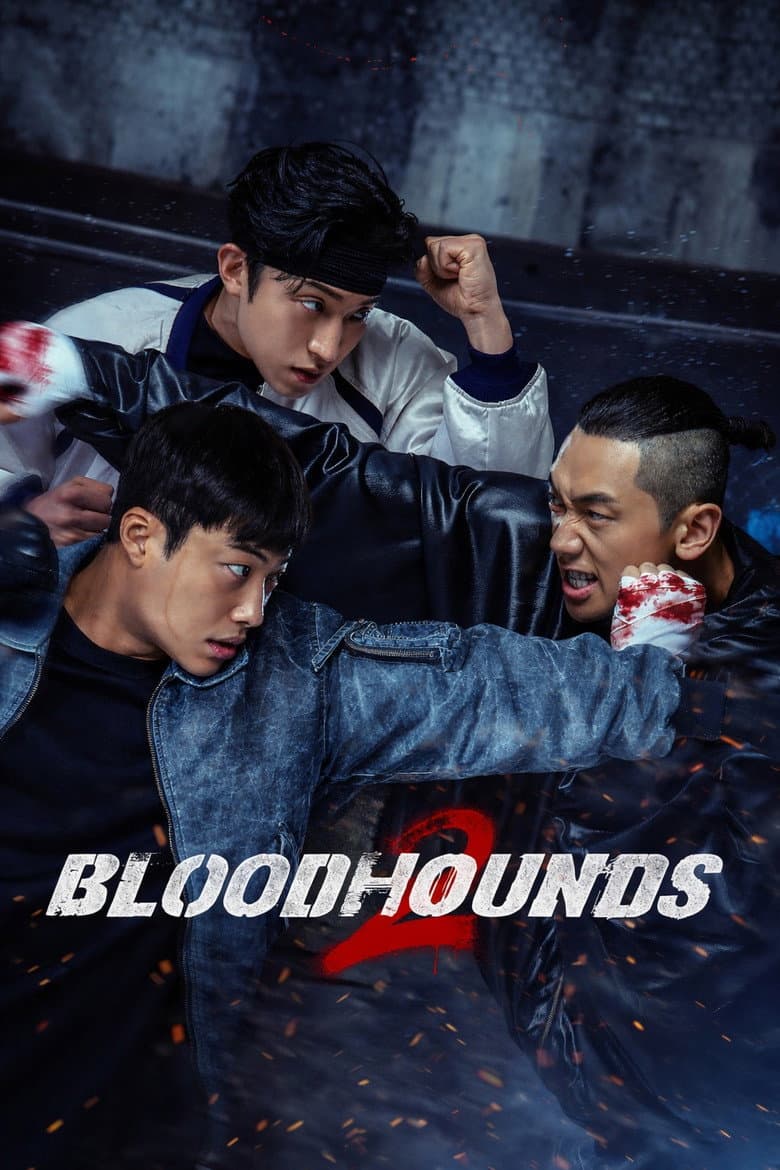
TV Show · 2023
Faced with ruthless foes with a violent thirst, two young boxers band together — risking life and limb to bring justice and protect their loved ones.
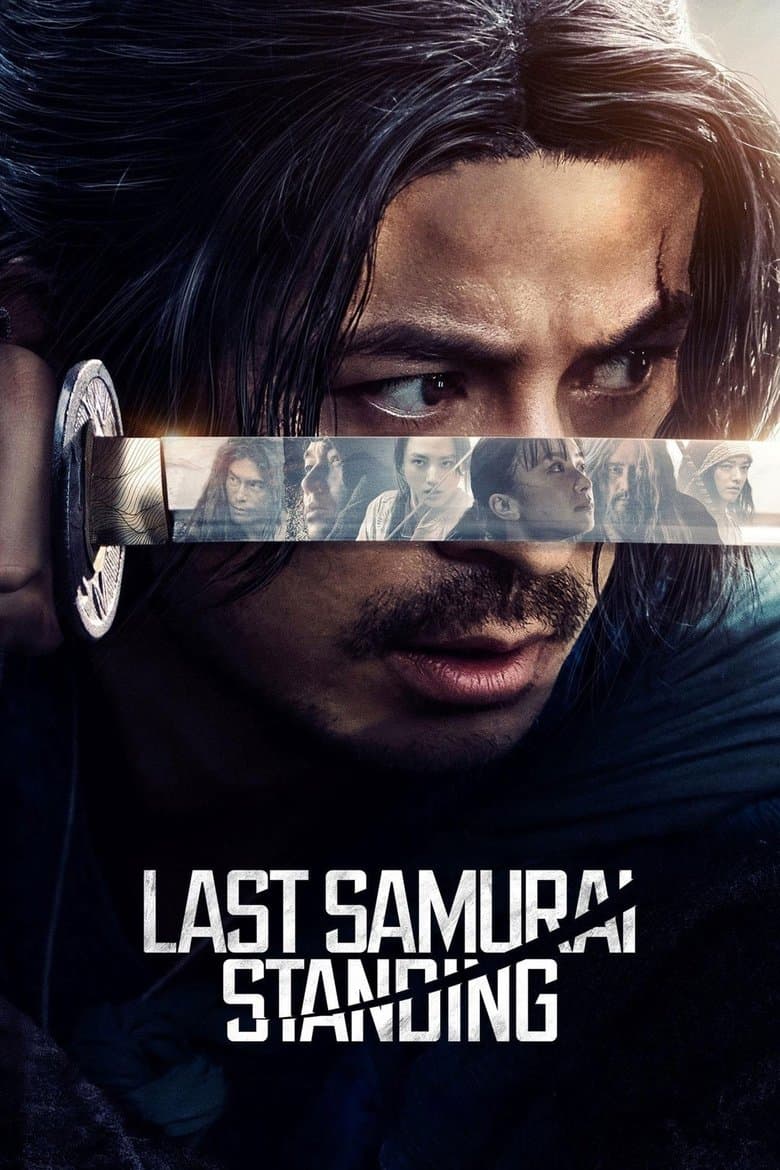
TV Show · 2025
In the early Meiji era, Shujiro, once known as an undefeated samurai, decides to participate in a deadly survival game to save his family and villagers.
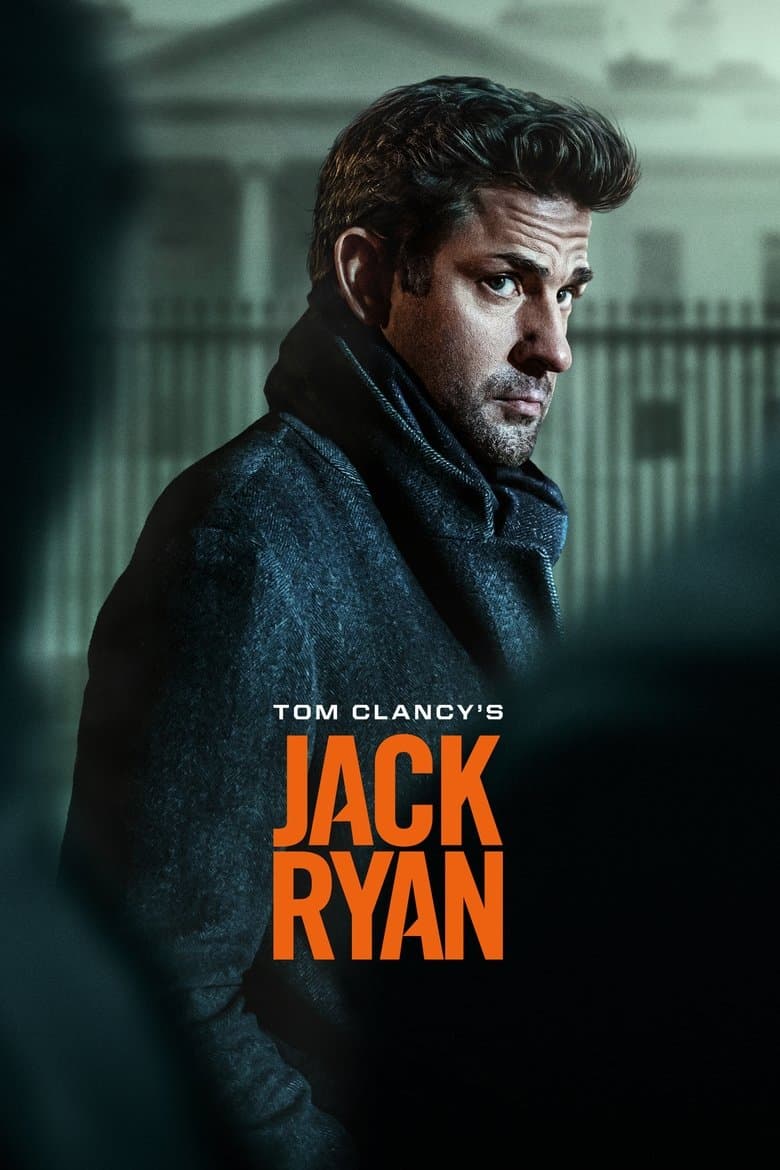
TV Show · 2018
When CIA analyst Jack Ryan stumbles upon a suspicious series of bank transfers his search for answers pulls him from the safety of his desk job and catapults him into a deadly…

TV Show · 2020
A tight-knit group of teens unearths a long-buried secret, setting off a chain of illicit events that takes them on an adventure they'll never forget.
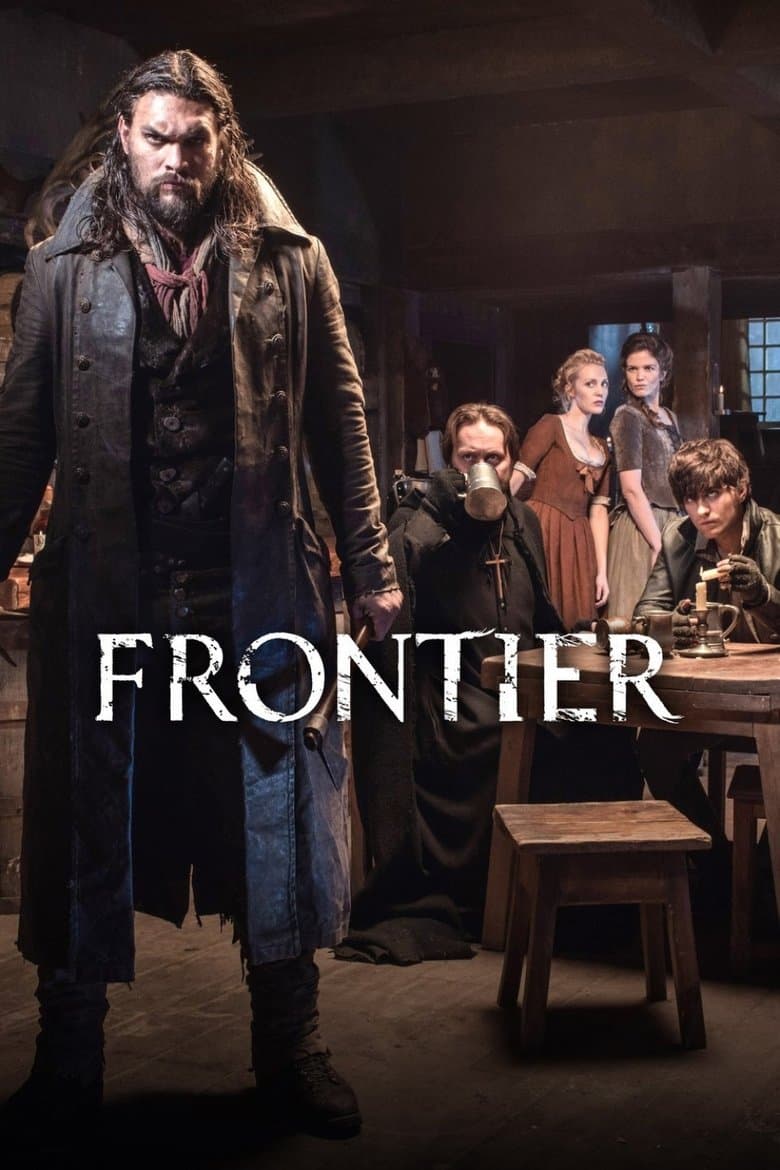
TV Show · 2016
In 18th-century North America, ruthless trappers and entrepreneurs fight to wrest control of the fur trade from the mighty Hudson's Bay Company.
