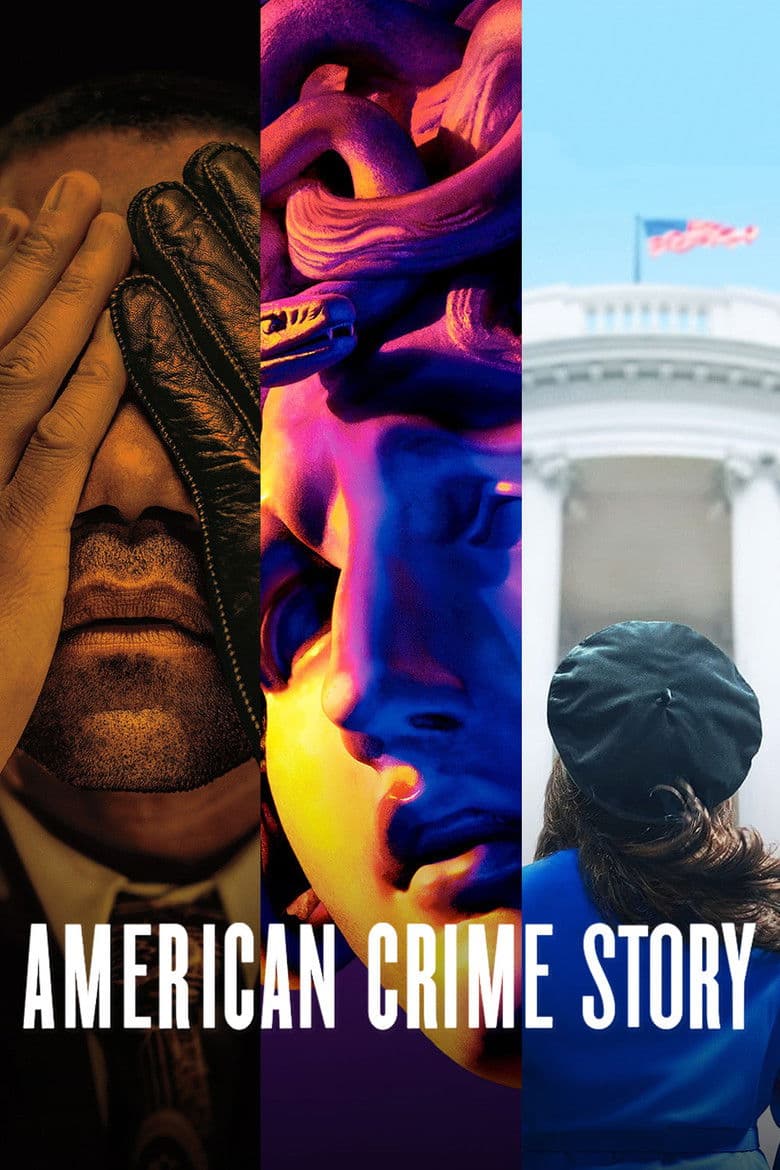
Started February 2, 2016 · Based on 3 seasons, 29 episodes · TV-MA
American Crime Story is a serious crime drama that tells a different true story in each season. Season one follows prosecutors, lawyers, police, and O.J. Simpson during the murder trial of Nicole Brown Simpson and Ron Goldman. Season two follows killer Andrew Cunanan through the murders of fashion designer Gianni Versace and other men. Season three follows Monica Lewinsky, Linda Tripp, Paula Jones, and the people around Bill Clinton during the impeachment scandal. The show uses courtroom fights, police work, media crowds, and private relationships to create a tense but sometimes flashy tone.
The show makes race, sex, and sexuality part of the main conflicts rather than small side issues. Season one shows how race, police history, and the treatment of prosecutor Marcia Clark shape the trial. Season two is openly about gay men, hidden relationships, internal shame, and the harm caused by homophobia in families, police work, and the military. Season three puts women's views at the center and shows how a powerful man, political groups, and the news use Monica, Linda, and Paula. These themes are strongest in seasons two and three, so viewers who avoid identity-focused stories will notice them often.
Community feedback
Was our 81% Woke rating accurate?
Breakdown
These are the editorial factors and ratings behind our score for American Crime Story.
Woke representation / casting
Season two gives many gay characters lead roles, and season three keeps several women at the center. The cast otherwise mostly follows the real people and places behind each case. The choices are visible, but they do not form a made-up mix of identities or a clear race or gender swap. The casting signal is therefore real but limited.
20%
Woke political dialogue
Season one has direct talk about racism, the LAPD, race, and the trial. Season two discusses homophobia, gay shame, the military, and police failures. Season three uses arguments about sexism, abuse of power, conservative politics, and the news. These points are spoken inside the real cases, so the show usually presents them as history rather than as modern campaign speeches.
49%
Identity-driven story themes
Season two is built around gay identity, hidden relationships, internal shame, and the effects of homophobia. Season one makes race and gender central to the O.J. trial and to Marcia Clark's treatment. Season three makes women's experiences and sexual power central to the Clinton scandal. These themes drive major relationships and outcomes across the series, with the strongest identity focus in the later seasons.
78%
Western institutional / cultural critique
The show says institutions can harm people through race, homophobia, sexism, and abuse of power. The LAPD and courts in season one, law enforcement and military rules in season two, and the White House, legal system, and news in season three are all shown failing people. Season three also treats male power and the public shaming of women as a central problem. Most of this criticism comes from real events, but the repeated focus on broken institutions gives the show an activist-style edge.
55%
Woke character or canon changes
Not present in this title.
0%
Anti-woke backlash and complaints
A Breitbart review called Impeachment and Murphy's related shows woke and said viewers distrusted Hollywood's politics. One Reddit premiere thread mocked the show's supposed female woke millennial audience. Other large discussions focused on ratings, acting, historical accuracy, and the fat suit, not on a woke agenda. The anti-woke reaction is real but scattered and not a major campaign.
17%
Creator track record context
Ryan Murphy has a strong record of LGBTQ+ stories, social themes, and diversity hiring, including the Half program. Nina Jacobson has publicly backed diversity and gay rights and has produced strong female and diverse leads. Brad Falchuk and Alexis Martin Woodall often work with Murphy on shows with LGBTQ+ and social themes. This context strongly raises the score, although the title uses real cases instead of a made-up activist story.
78%
Production
TV Show · 2016
Once a powerful lawyer, Billy McBride is now burned out and washed up, spending more time in a bar than a courtroom.
TV Show · 2020
Picking up just days after the “Power” finale, this sequel series follows Tariq navigating his new life, in which his desire to shed his father’s legacy comes up against the…
TV Show · 2019
Loosely based on infamous crime boss Bumpy Johnson, who in the early 1960s returned from ten years in prison to find the neighborhood he once ruled in shambles.
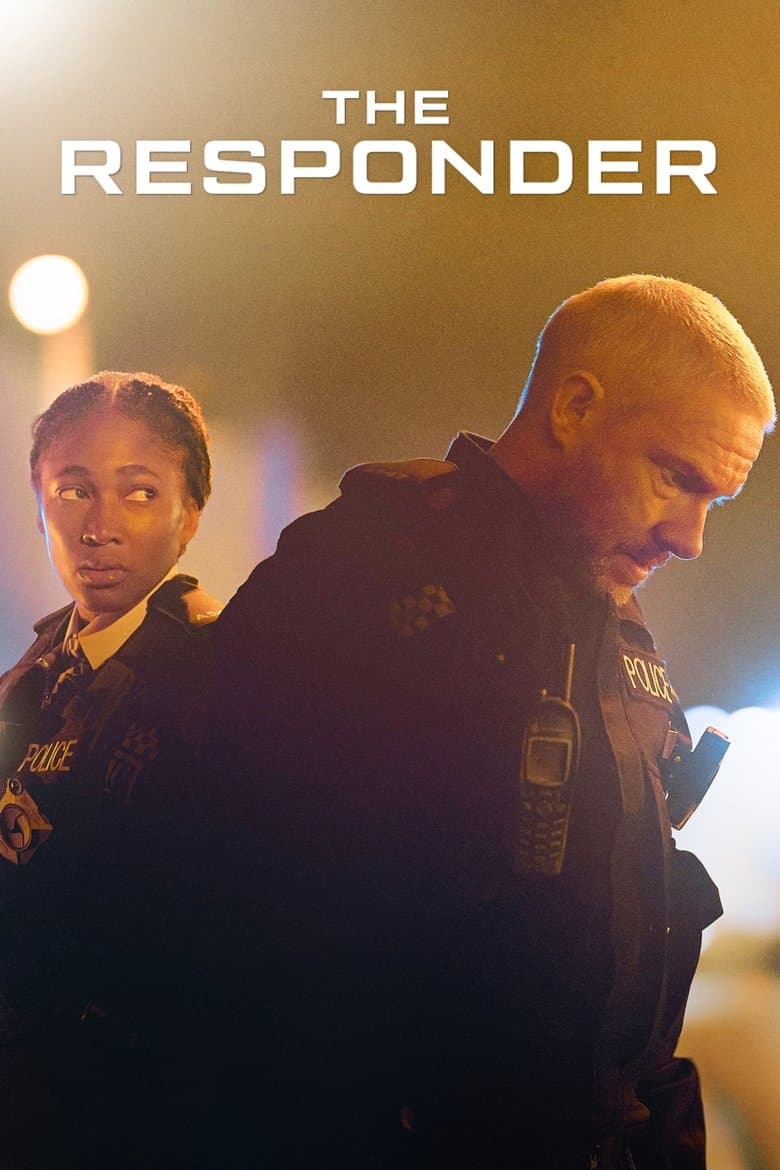
TV Show · 2022
Under pressure, fraying at the edges. In relentless night-time Liverpool, copper Chris is paired with a rookie. Will they save or destroy each other?

TV Show · 2016
17-year-old Joshua "J" Cody moves in with his freewheeling relatives in their Southern California beach town after his mother dies of a heroin overdose.

TV Show · 2017
A financial adviser drags his family from Chicago to the Missouri Ozarks, where he must launder $500 million in five years to appease a drug boss.
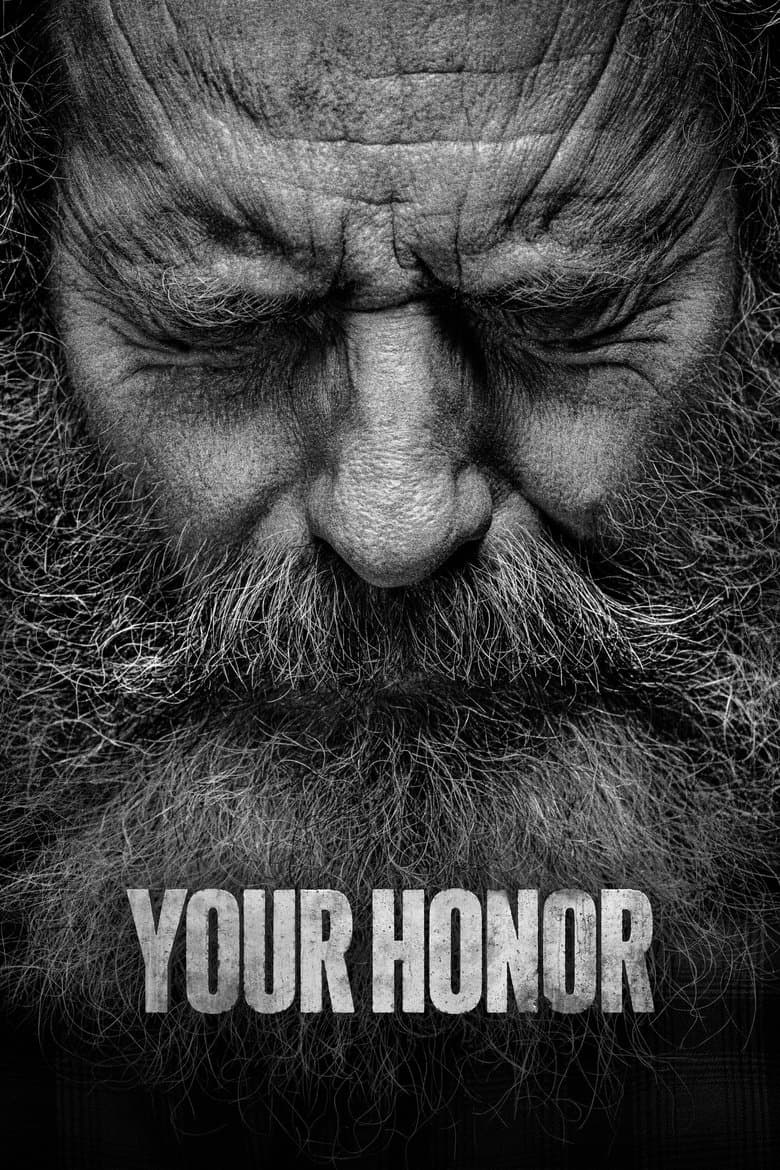
TV Show · 2020
New Orleans judge Michael Desiato is forced to confront his own deepest convictions when his son is involved in a hit and run that embroils an organized crime family.

TV Show · 2025
In the working-class suburbs of Philadelphia, an FBI agent heads a task force assembled to put an end to a string of violent robberies led by an unsuspecting family man.
