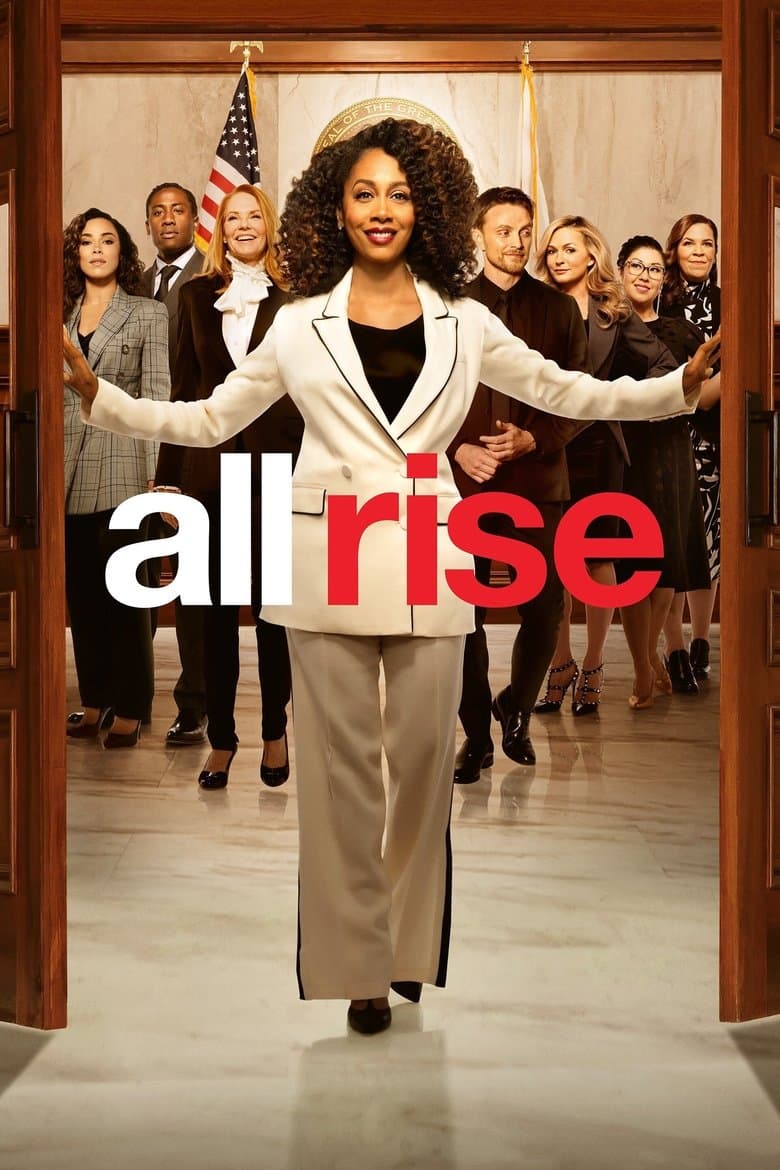
Started September 23, 2019 · Ended · Based on 3 seasons, 58 episodes through November 18, 2023 · TV-PG · 44 min
All Rise is a legal drama that follows judges, prosecutors, public defenders, bailiffs, and staff at an LA County courthouse as they handle cases and their personal lives. The central character is black female Judge Lola Carmichael, a former prosecutor who bends protocol and challenges the system to deliver what she sees as fair outcomes for defendants, especially minorities and the disadvantaged. The series features a diverse cast in prominent legal and support roles and runs episodes centered on racial bias, immigration enforcement, police misconduct, and systemic issues across all three seasons through 2023.
Community feedback
Was our 68% Woke rating accurate?
Breakdown
These are the editorial factors and ratings behind our score for All Rise.
Woke representation / casting
Prominent black female judge lead shown as highly competent and idealistic while pushing the system, paired with a visibly diverse ensemble in key roles (Latina public defender, black bailiff/law student, Asian-American court assistant, and others). Marketing and interviews repeatedly call out the black female lead and culturally diverse cast as central features. Incidental LGBTQ characters and storylines (including a lesbian supervising judge) add background visibility.
62%
Woke political dialogue
Multiple episodes feature direct discussion of racial bias in arrests, medical care, and trials; immigration enforcement clashes with sanctuary policies; police misconduct and cover-ups; and the need for fairness across race and gender lines. Lead character confronts these issues in and out of the courtroom, including personal protest involvement.
42%
Identity-driven story themes
Narrative centers diverse courthouse staff, led by a black woman judge, working to reform or navigate a flawed system with recurring cases highlighting inequities for minorities, immigrants, and the disadvantaged. Character arcs often tie personal growth or conflicts to cultural, racial, or identity experiences. Supporting queer storylines appear.
55%
Western institutional / cultural critique
The legal system, police, and courthouse bureaucracy are repeatedly shown as flawed, resistant to change, and prone to bias. Protagonists challenge traditional authority, protocol, and institutional inertia to secure better outcomes, with specific episodes targeting sheriff departments and federal immigration actions.
45%
Woke character or canon changes
Not relevant. Original series with no established source material, canon characters, or historical figures being reinterpreted through identity-driven lenses.
0%
Anti-woke backlash and complaints
Scattered viewer comments on forums, Reddit, and social media label elements as social justice signaling, racial commentary, or the show becoming “woke” after season 1. No major public campaigns, widespread complaints, or organized anti-woke reaction found. Internal writers disputes were the opposite framing (staff pushing for stronger race/gender handling).
20%
Creator track record context
Creator Greg Spottiswood clashed with staff over race and gender portrayals and was removed amid related allegations, suggesting limited alignment with activist expectations. Later showrunner Denitria Harris-Lawrence uses justice advocacy language and has credits on stories centered on black experiences and social themes. Director Mo McRae has directed race-relations satire. Other writers and crew range from low to moderate profiles per cached and researched data.
38%
Production
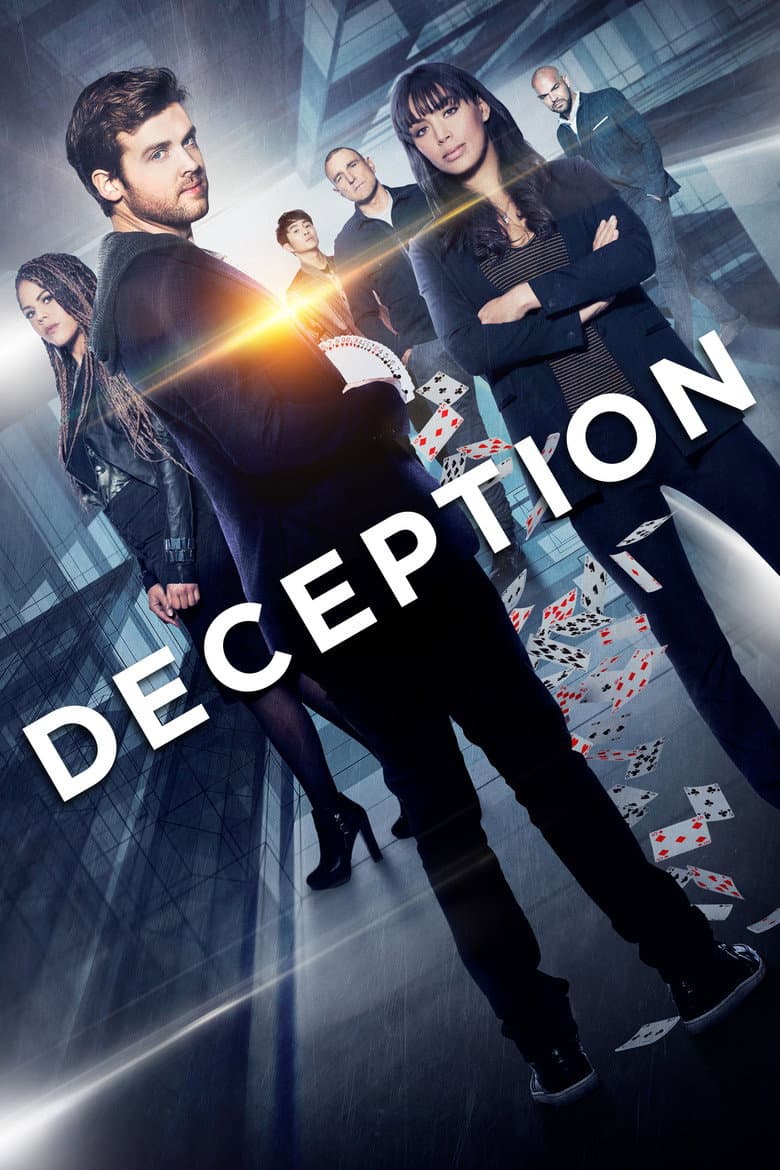
TV Show · 2018
Cameron Black is the world's greatest illusionist. At least, that's what people used to call him—before his greatest secret was exposed and his career destroyed.
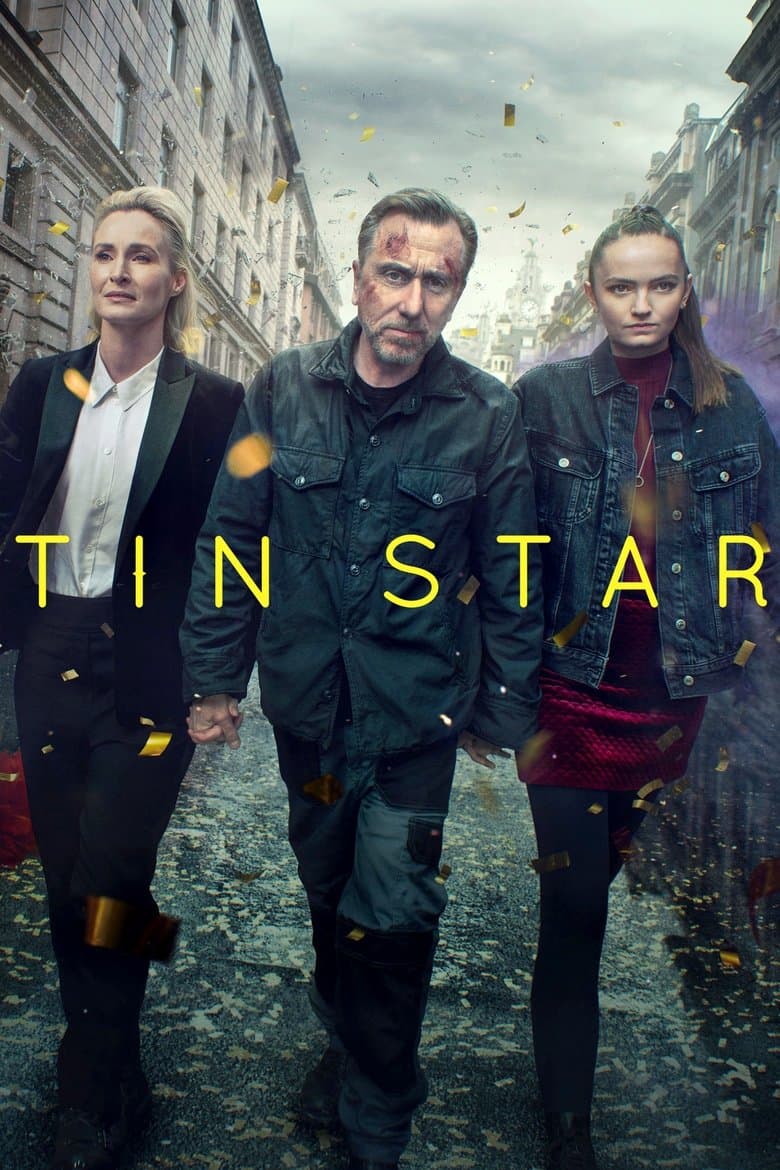
TV Show · 2017
The story of Jim Worth, an expat British police officer starting a new life with his family as police chief in Little Big Bear, an idyllic town near the Rocky Mountains.
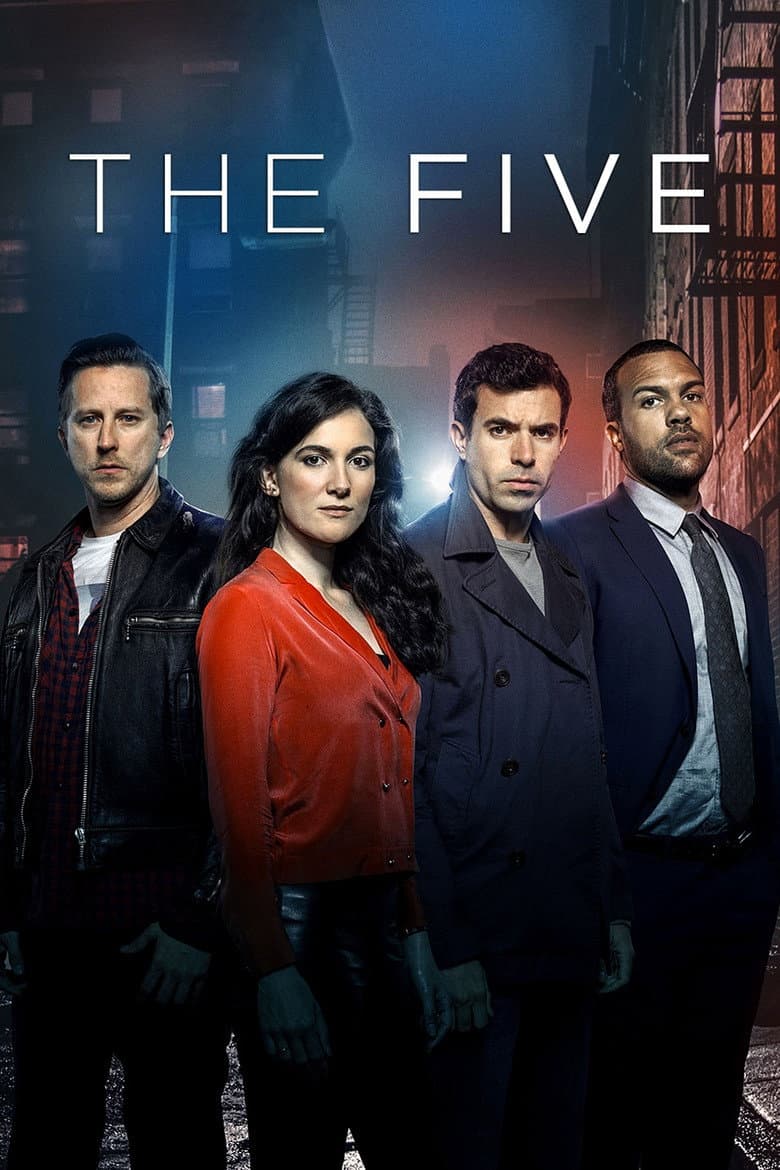
TV Show · 2016
When they were twelve years old, Mark, Pru, Danny and Slade were out together in the park. Mark’s five-year-old brother, Jesse, was annoying them.

TV Show · 2016
Ex-pro hockey player Matt Shade irrevocably changes his life when he teams up with fierce P.I. Angie Everett to form an unlikely investigative powerhouse.
TV Show · 2024
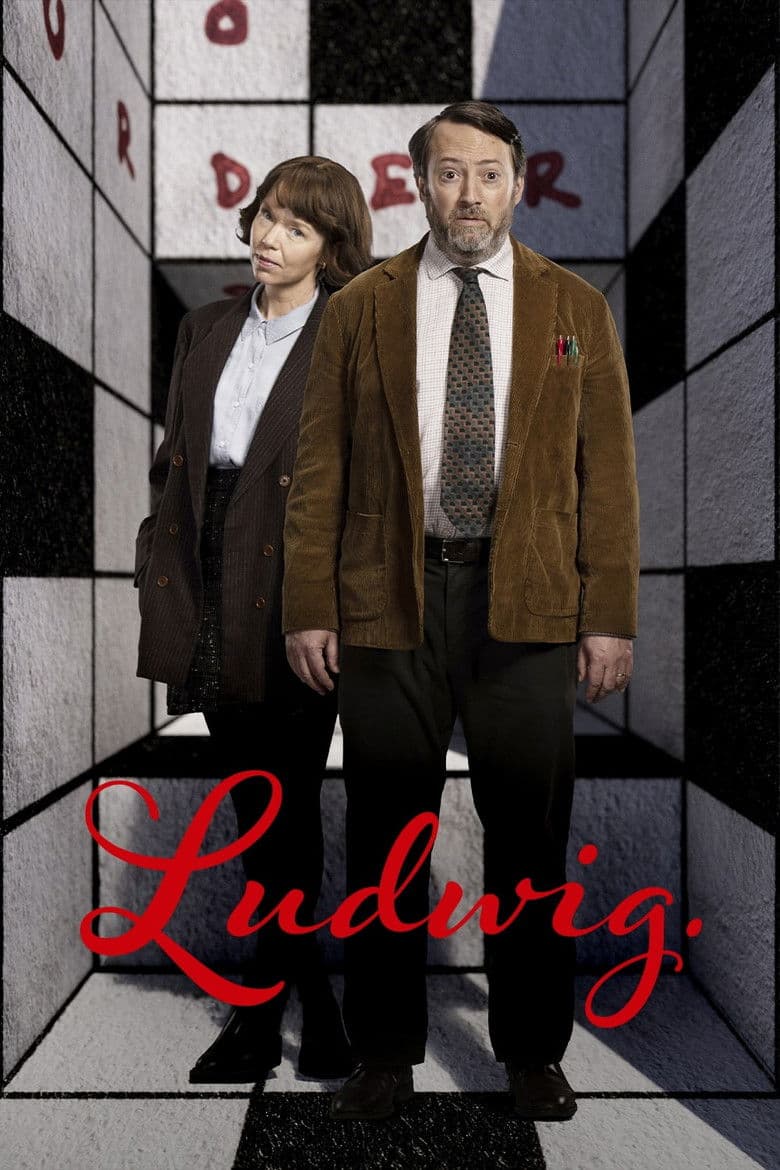
John Taylor lives in quiet solitude, designing puzzles for a living, under the nom-de-plume of 'Ludwig'. When his identical twin, James, disappears off the face of the earth, John…

TV Show · 2025
Two outlaws must navigate the galaxy's dangerous underworld as they chart their destinies.
