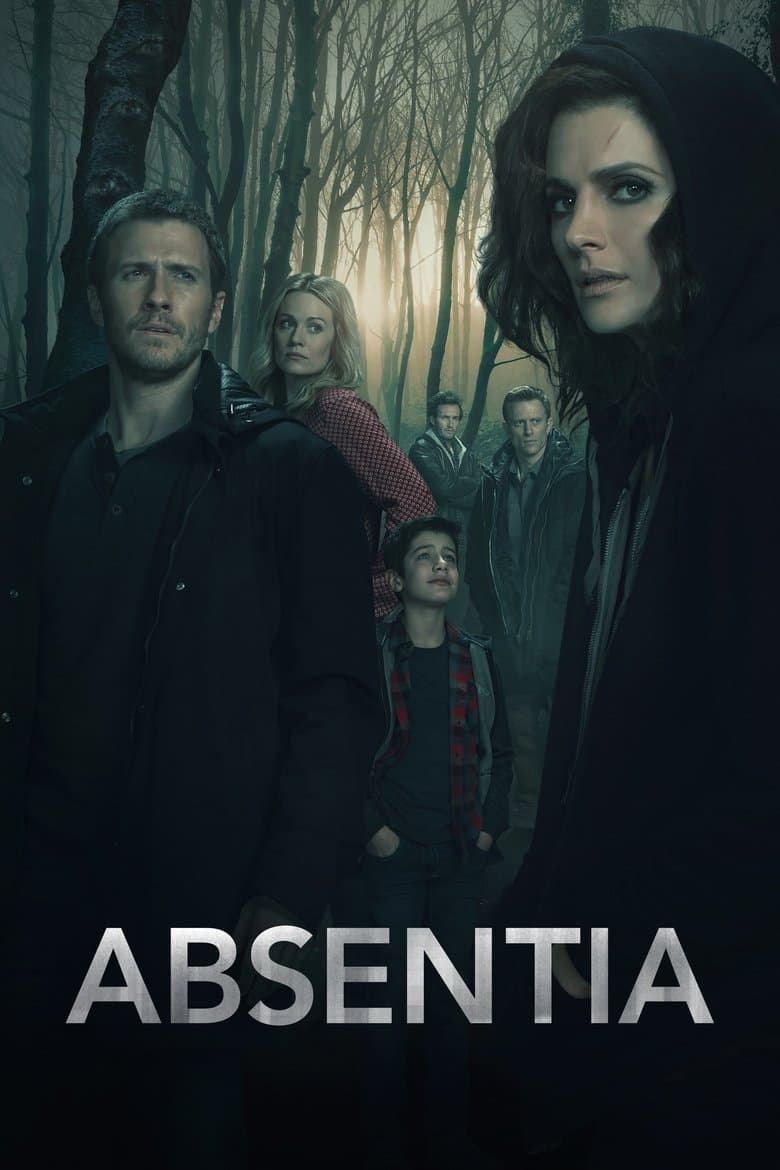
Started September 25, 2017 · Ended · Based on 3 seasons, 30 episodes through July 17, 2020 · TV-MA
Absentia follows FBI agent Emily Byrne after she vanishes while hunting a serial killer in Boston. Six years later, police find her alive in a tank, weak and unable to remember her captivity. She returns to a home where her husband has remarried and her son sees another woman as his mother. The show is a dark and violent mystery. It explores family loss, memory, guilt, trauma, and revenge.
The first season centers on Emily proving that she did not commit a string of murders. She also tries to reach her son again. The second season adds a terrorist attack and secret drug tests that reach into Emily’s childhood. The third season follows organ theft and a refugee prison camp linked to a drug company. A virus is tested on refugees, and Emily fights to protect people in danger.
Community feedback
Was our 34% Woke rating accurate?
Breakdown
These are the editorial factors and ratings behind our score for Absentia.
Woke representation / casting
Not present. The main family and FBI team are mostly white, while supporting roles such as Rowena Kincade and Gifty Thompson add normal workplace diversity. The show does not make diversity, gender identity, or casting a stated part of its story or marketing.
0%
Woke political dialogue
The first two seasons mainly use dialogue about murder, police work, trauma, and family. The third season repeatedly discusses refugee camps, illegal medical tests, a charity used as cover, and a drug company tied to criminals. This is clear social and political talk, but it appears mainly in the final season.
25%
Identity-driven story themes
The first two seasons focus on Emily’s captivity, family damage, memory, and revenge. The third season gives a continuing subplot to refugees, separated families, and people held for medical testing. Emily and Nick risk their lives to free the refugees, so the show treats their group identity and treatment as part of the message. The theme is visible late in the series but is not the main subject of all 30 episodes.
40%
Western institutional / cultural critique
The FBI, private military groups, and a drug company are often shown as corrupt or abusive. Seasons 1 and 2 use this mostly as thriller plotting about hidden crimes and cover-ups. Season 3 adds a refugee prison camp, a company using people for tests, and a mole inside the FBI. This creates a recurring critique of institutions, but it does not define the whole show.
32%
Woke character or canon changes
Not relevant. Absentia is an original crime story, and it does not recast or rewrite known characters or real historical figures.
0%
Anti-woke backlash and complaints
Not present. I found no reliable anti-woke backlash aimed at the show. Audience discussion mainly focuses on the twists, violence, pacing, plot holes, and Stana Katic’s performance.
0%
Creator track record context
The listed creators, writers, and most directors have careers in crime, thriller, and drama stories. Gaia Violo and Matthew Cirulnick have no known public history of identity activism. Stana Katic’s public work shows mild environmental and child welfare causes, while Kasia Adamik has some political and historical projects without a clear modern DEI pattern.
12%
Production
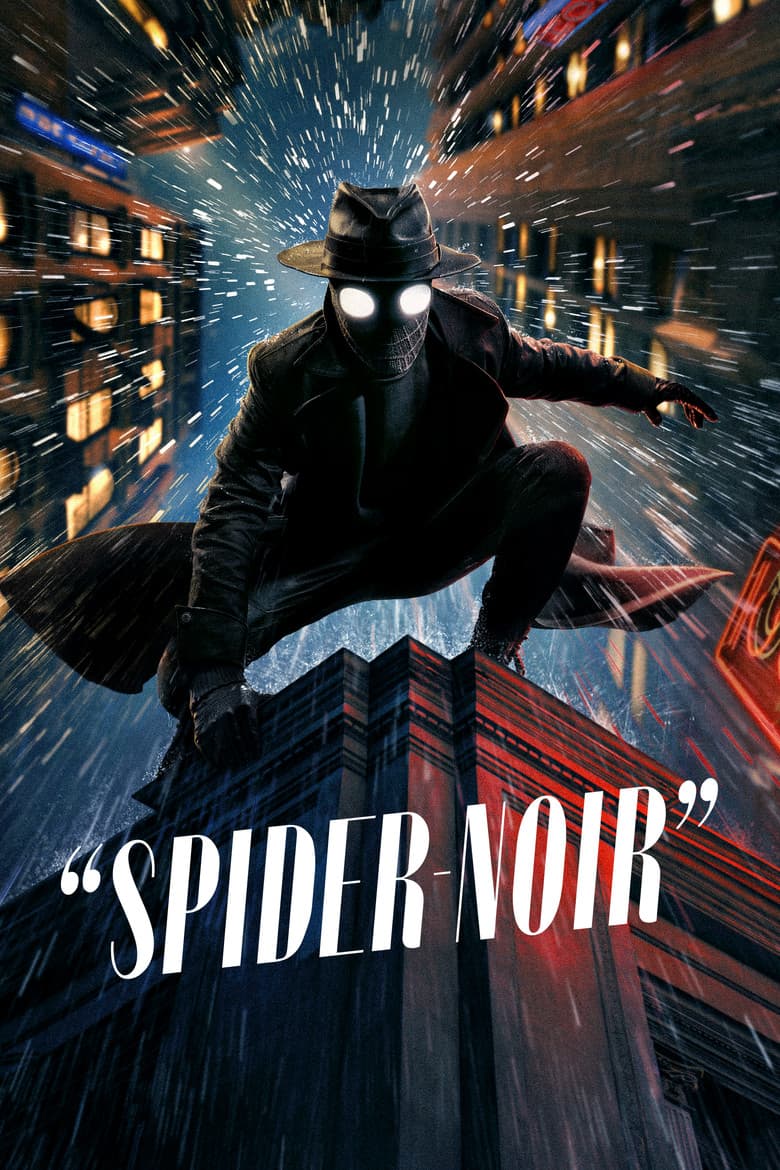
TV Show · 2026
Ben Reilly, an aging and down on his luck private investigator in 1930s New York, is forced to grapple with his past life as the city's one and only superhero.
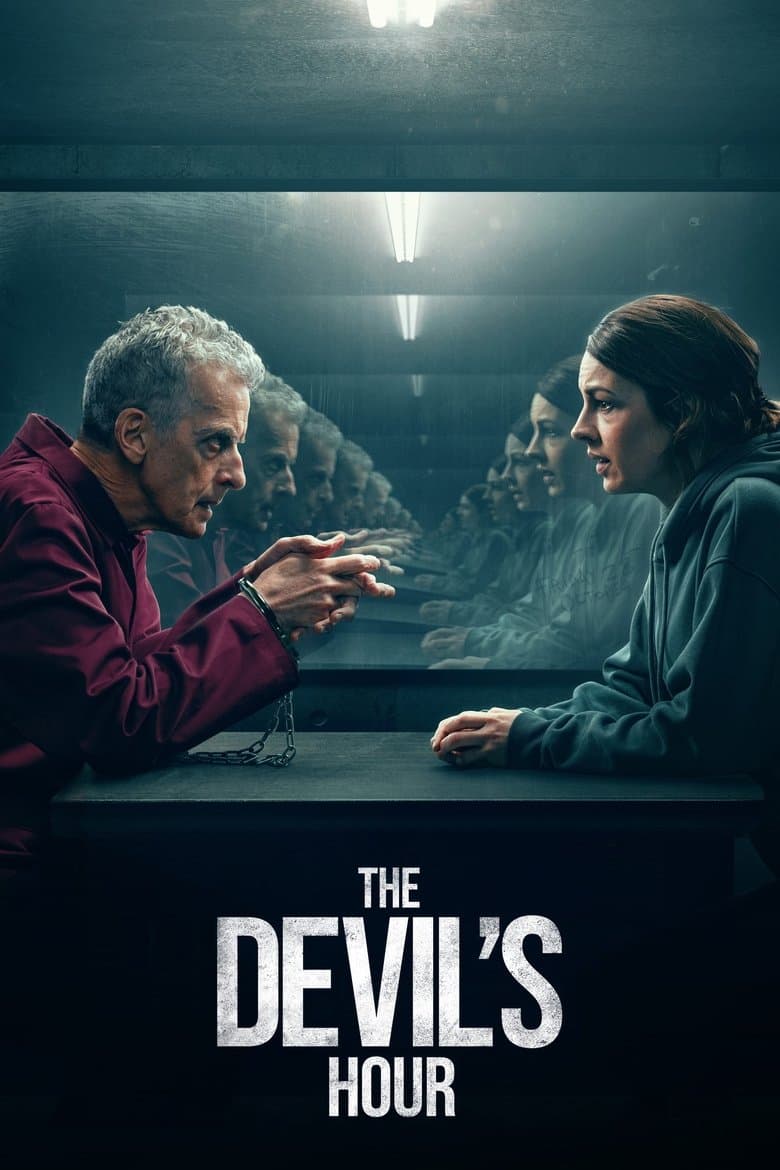
TV Show · 2022
Lucy wakes every night at exactly 3:33am. Nothing in her life has made sense for a long time. But the answers are out there, somewhere, at the end of a trail of brutal murders.

TV Show · 2024
A young boy growing up in the suburbs of 1980s Brisbane faces the harsh realities of life — and the looming dangers that threaten his family.
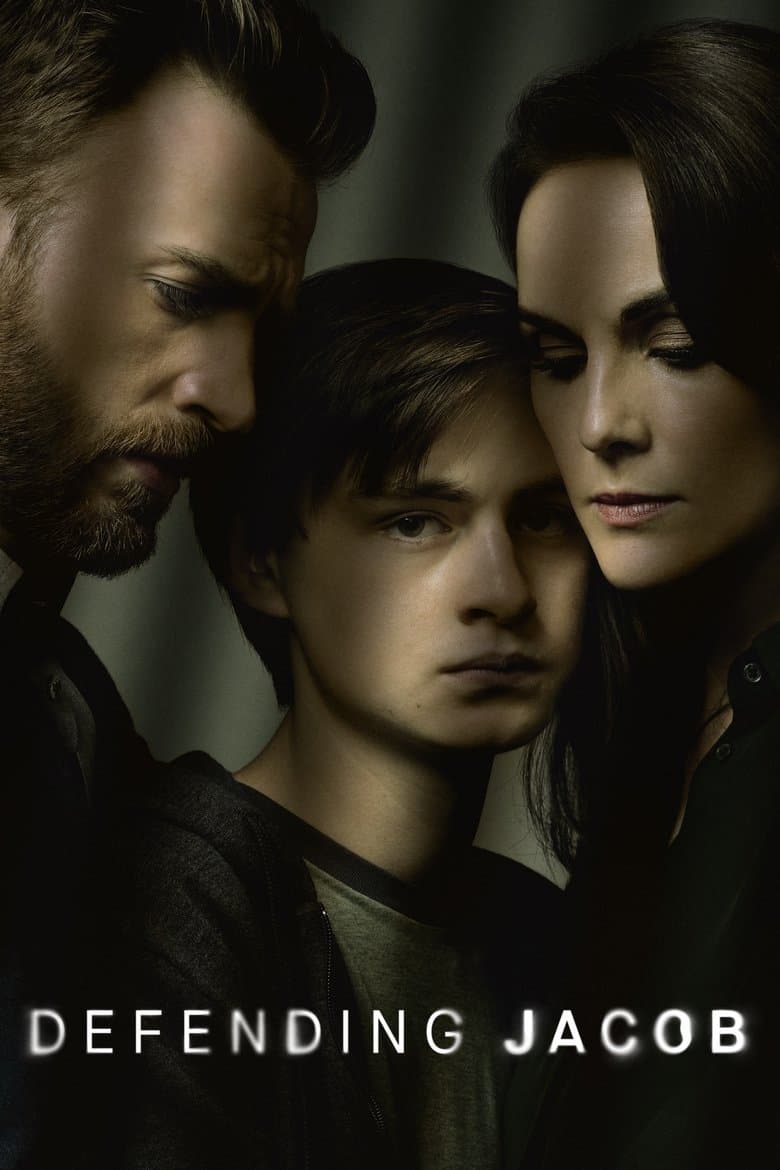
TV Show · 2020
A family's lives are irreparably disrupted when the 14-year-old son is accused of murdering a fellow classmate.
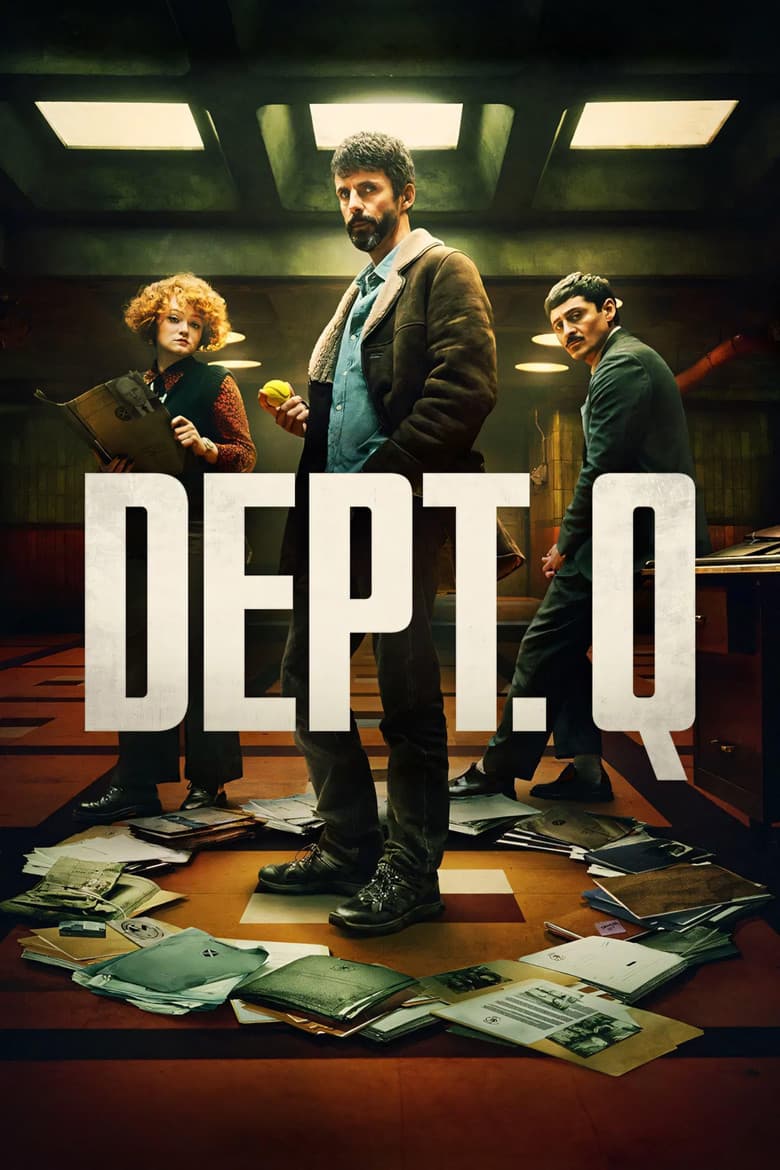
TV Show · 2025
A brash but brilliant cop becomes head of a new police department, where he leads an unlikely team of misfits in solving Edinburgh's cold cases.
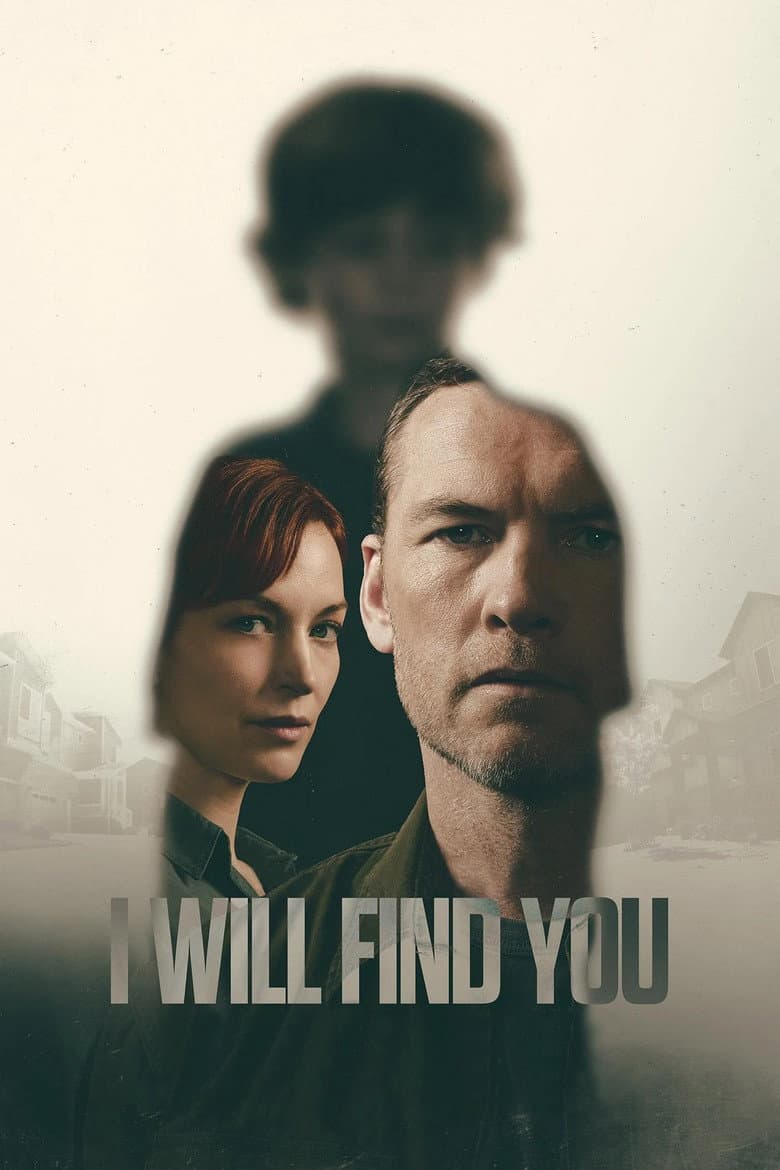
TV Show · 2026
Wrongfully imprisoned for murdering his own son, a father sets out on a desperate rescue mission after learning the boy may still be alive.
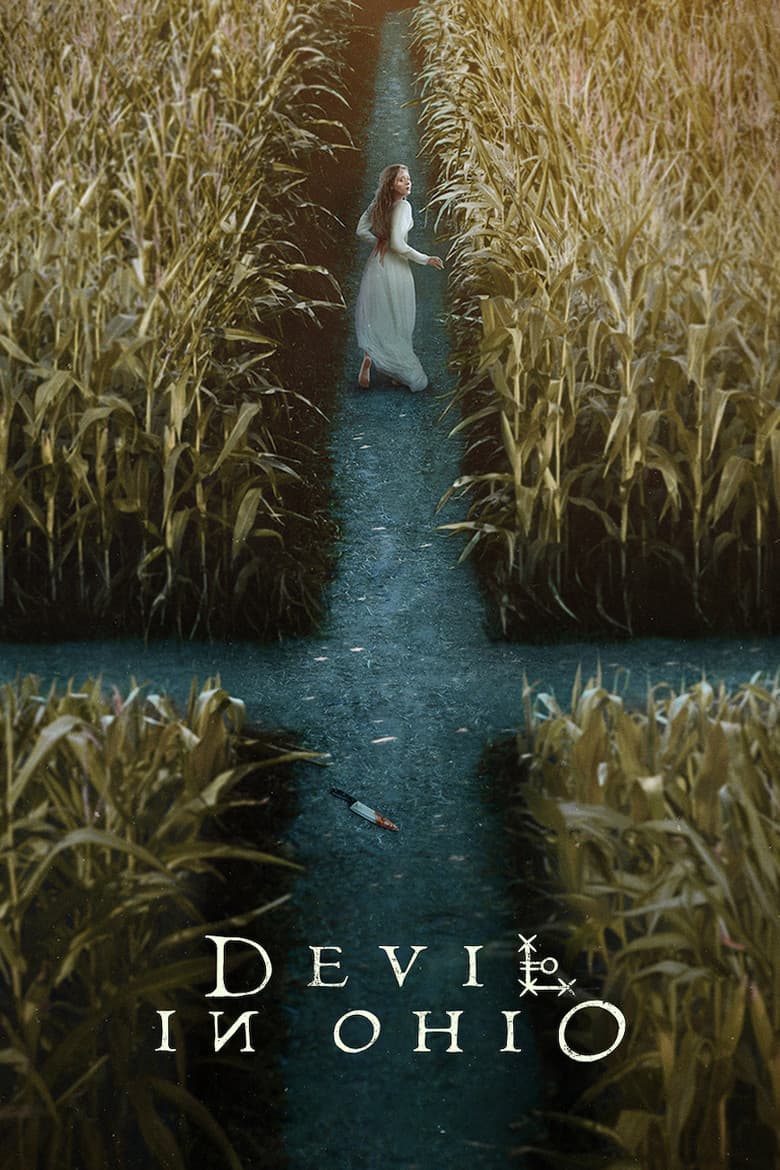
TV Show · 2022
Determined to protect a young patient who escaped a mysterious cult, a psychiatrist takes the girl in, putting her own family — and life — in danger.
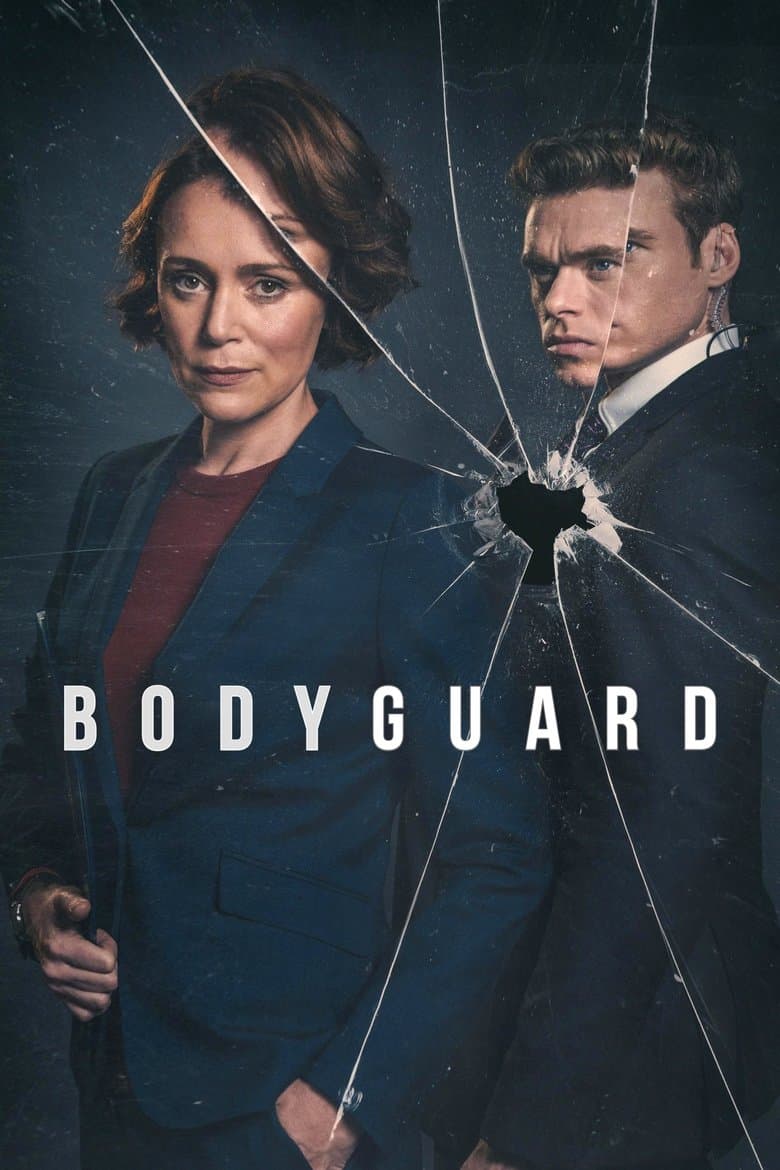
TV Show · 2018
A troubled war veteran is assigned to protect a controversial politician who may be the target of a terror plot.
