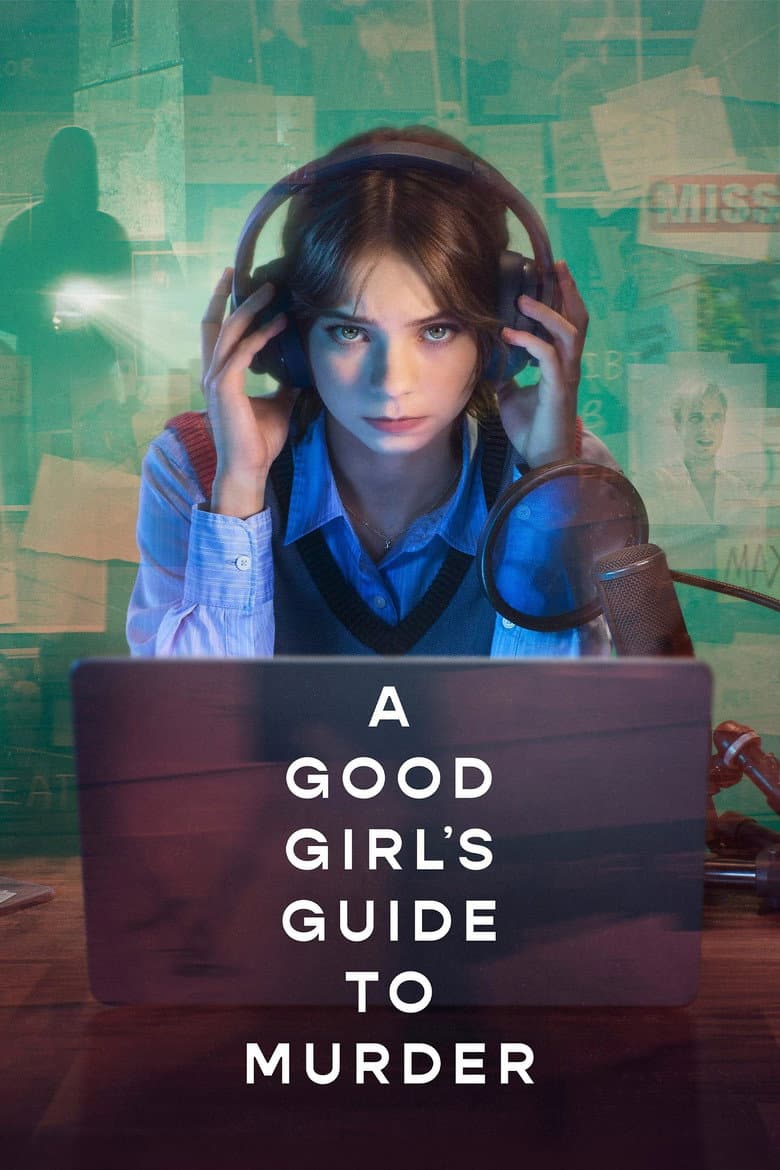
Started July 10, 2024 · Returning Series · Based on 2 seasons, 12 episodes through June 3, 2026 · TV-MA
A Good Girl's Guide to Murder is a British YA mystery thriller series based on Holly Jackson's novel. Teen Pip Fitz-Amobi investigates a closed murder case in her small English town, teaming with Ravi Singh, the brother of the accused, to expose secrets involving drugs, statutory rape, abuse, cover-ups, and personal betrayals across two seasons. Visible elements include an interracial lead romance and investigative partnership, a blended family with a black stepfather, a casually queer best friend in the core group, and deliberate retention of the book's culturally diverse characters to feel contemporary, per the lead adapter.
Community feedback
Was our 52% Woke rating accurate?
Breakdown
These are the editorial factors and ratings behind our score for A Good Girl's Guide to Murder.
Woke representation / casting
Clear audience-visible diversity in prominent roles: white teen protagonist with black stepfather and blended family; South Asian romantic lead and investigative partner (Ravi) emphasized in a "white world" per adapter comments; diverse friend group including explicit queer best friend Cara. Adapter Poppy Cogan stated the team thought "quite a lot" about keeping culturally diverse characters from the book to feel contemporary. Zain Iqbal has discussed the significance of South Asian romantic leads.
52%
Woke political dialogue
Primarily investigation-focused dialogue, revelations of personal crimes like statutory rape, drug dealing, and cover-ups. No extended activist monologues, DEI language, or modern social justice framing in core scenes. Teen conversations reflect typical peer dynamics.
8%
Identity-driven story themes
Includes casual, non-conflictual queer representation (Cara's same-sex interest and relationship shown as normal part of friend group life, referred to positively by Pip). Interracial partnership central to plot. Story highlights exploitation of young women by older men in positions of power, but this serves the mystery and personal revenge arcs rather than broader ideological messaging about patriarchy or systemic oppression. Background diversity supports contemporary feel without dominating.
38%
Western institutional / cultural critique
Local police and authority figures (e.g., a policeman involved in statutory rape with the victim, teacher in inappropriate relationship) are shown as corrupt or incompetent, allowing a determined teen to uncover truths they missed or hid. Small-town power structures protect the guilty. These elements remain tied to individual failings and secrets rather than explicit critiques of Western institutions, capitalism, or traditional norms as inherently oppressive.
25%
Woke character or canon changes
Not relevant. The series adapts the source novel's pre-existing diverse characters (South Asian victim and family) and makes conventional changes for television format, pacing, and visual storytelling. Holly Jackson was consulted as executive producer. No evidence of identity-driven alterations to canon for representation purposes.
0%
Anti-woke backlash and complaints
Small number of social media posts explicitly label the show "too woke" or "woke propaganda," pointing to the white female lead partnering with and exonerating a South Asian male character, a black stepfather in the family, and the implication that police fail while an amateur succeeds. Complaints frame it as pushing diversity narratives. No significant mainstream news coverage or organized backlash; most discussion centers on adaptation differences from the books.
20%
Creator track record context
Lead writer and adapter Poppy Cogan publicly discussed thinking "quite a lot" about diversity in the adaptation. Contributing writers include Ruby Thomas, known for queer historical theater work centered on gender non-conforming figures, and Ajoke Ibironke with credits on projects featuring diverse and LGBTQ+-inclusive creative teams. Director Asim Abbasi previously created Churails, a women-led series with feminist themes and explicit LGBTQ+ characters included for representational spectrum. Book author Holly Jackson and several other crew show standard professional profiles without such patterns. Moderate overall from key creative voices.
40%
Production
TV Show · 2024
A young boy growing up in the suburbs of 1980s Brisbane faces the harsh realities of life — and the looming dangers that threaten his family.
TV Show · 2020
A family's lives are irreparably disrupted when the 14-year-old son is accused of murdering a fellow classmate.
TV Show · 2023
A mysterious woman's escape from her harrowing captivity points investigators toward the dark truth behind an unsolved disappearance 13 years earlier.
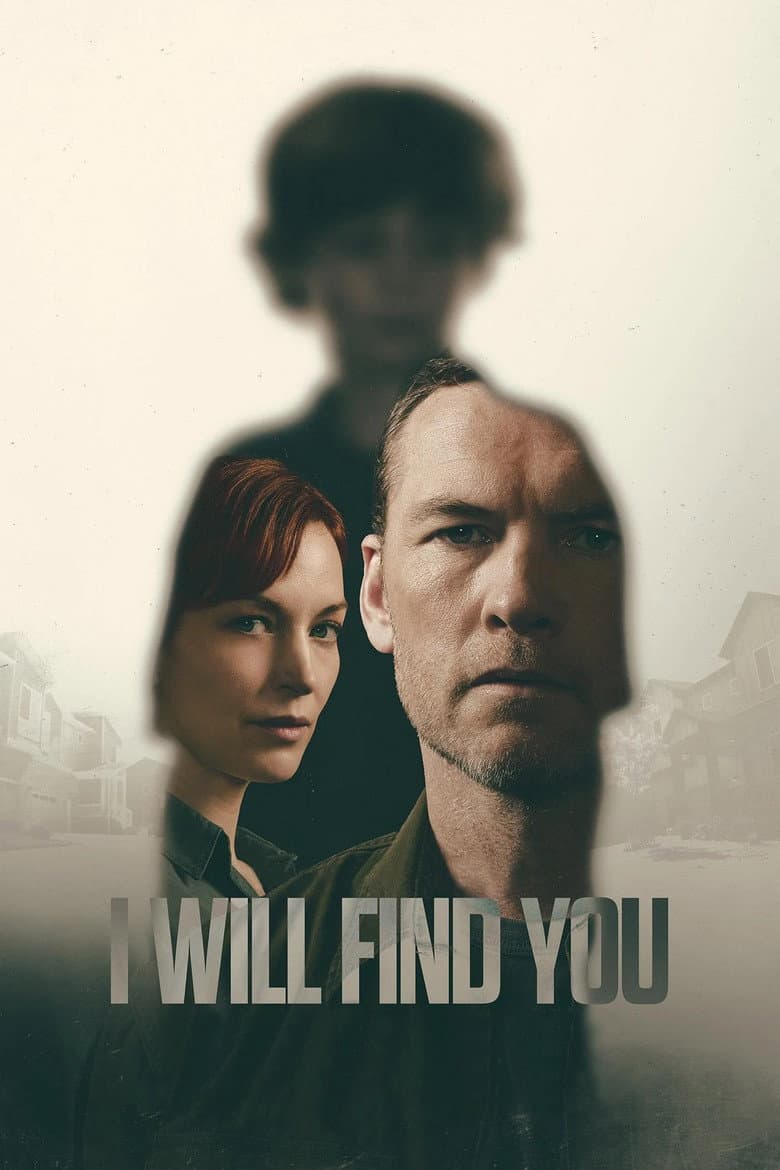
TV Show · 2026
Wrongfully imprisoned for murdering his own son, a father sets out on a desperate rescue mission after learning the boy may still be alive.
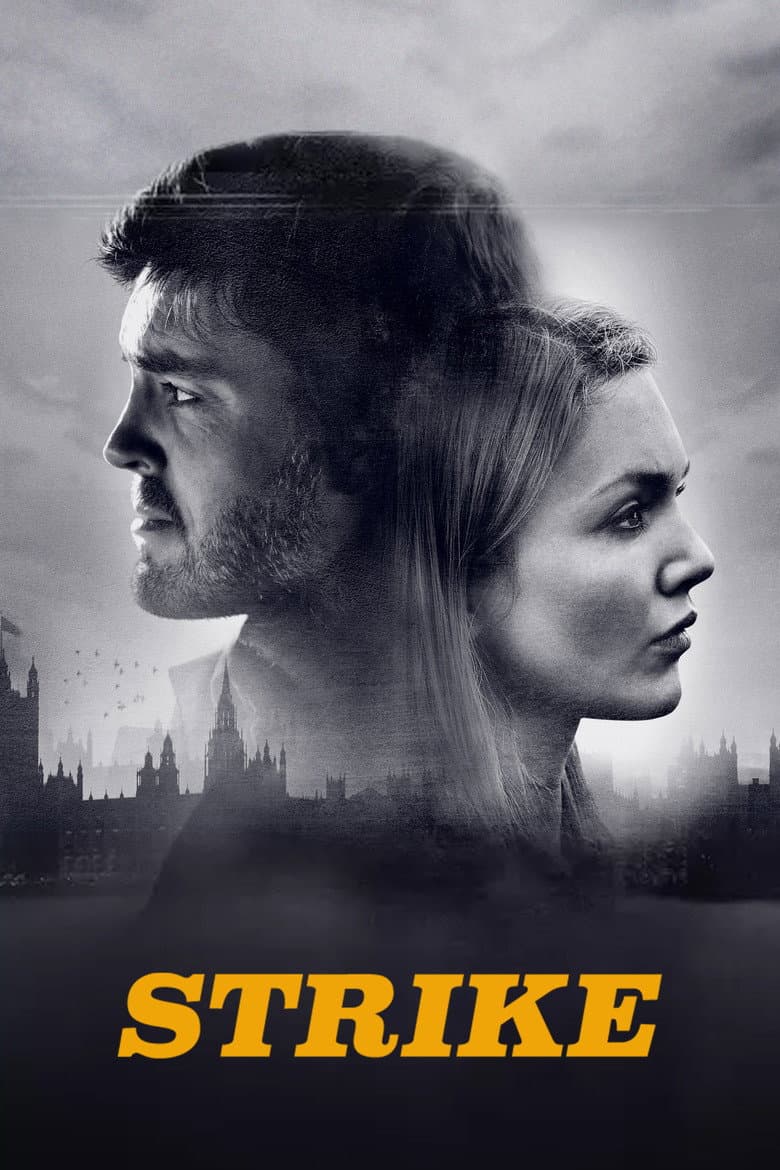
TV Show · 2017
A war veteran turned private detective operates out of a tiny office in London’s Denmark Street. Although wounded both physically and psychologically, his unique insight and…
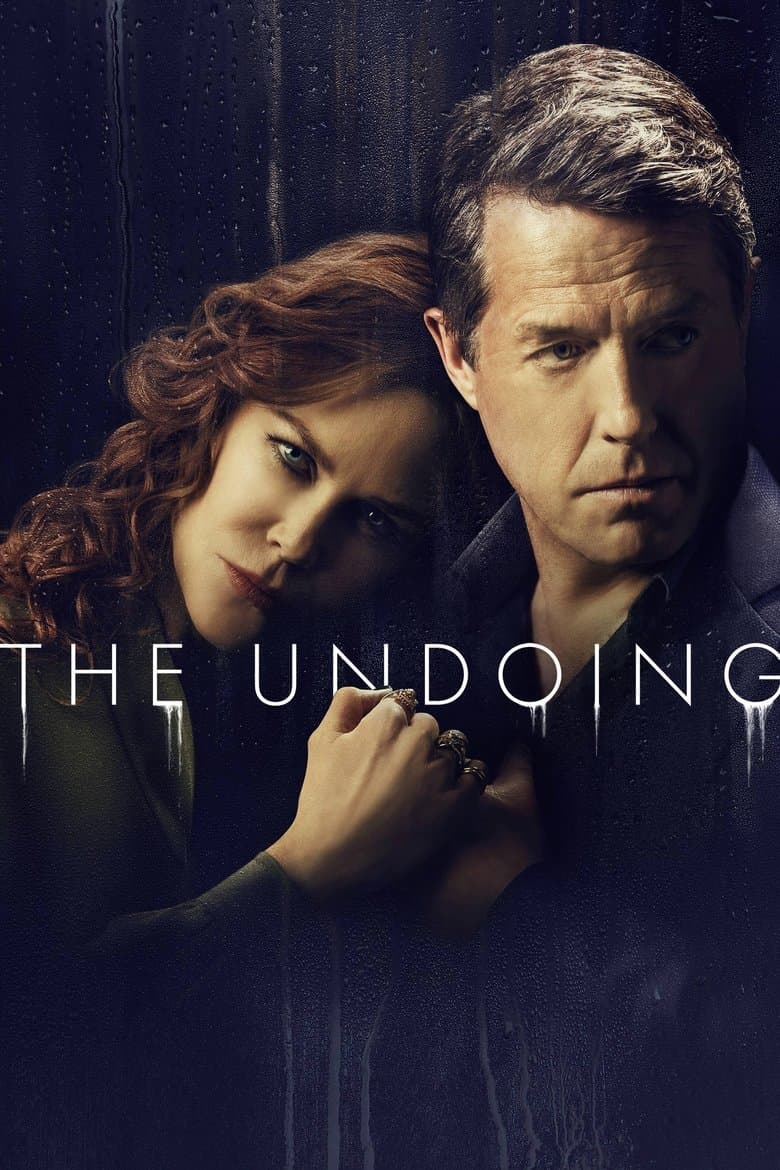
TV Show · 2020
Grace and Jonathan Fraser are living the only lives they ever wanted. Overnight a chasm opens in their lives: a violent death and a chain of terrible revelations.
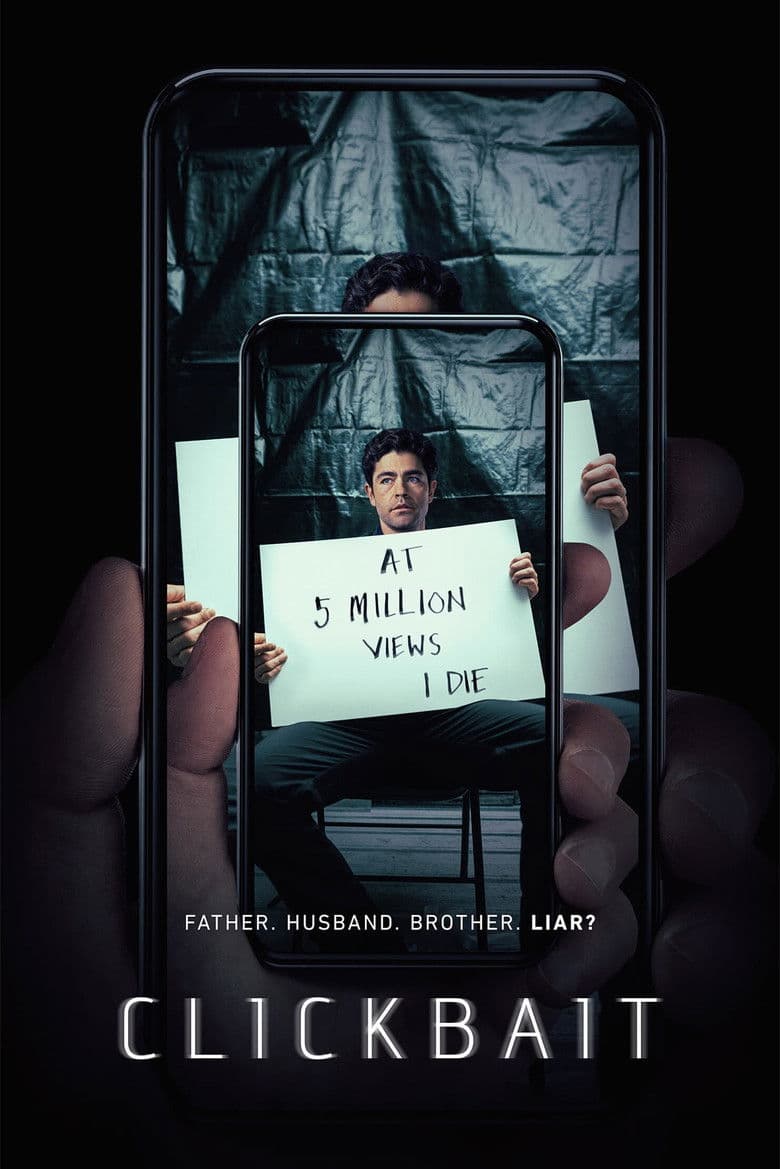
TV Show · 2021
When family man Nick Brewer is abducted in a crime with a sinister online twist, those closest to him race to uncover who is behind it and why.
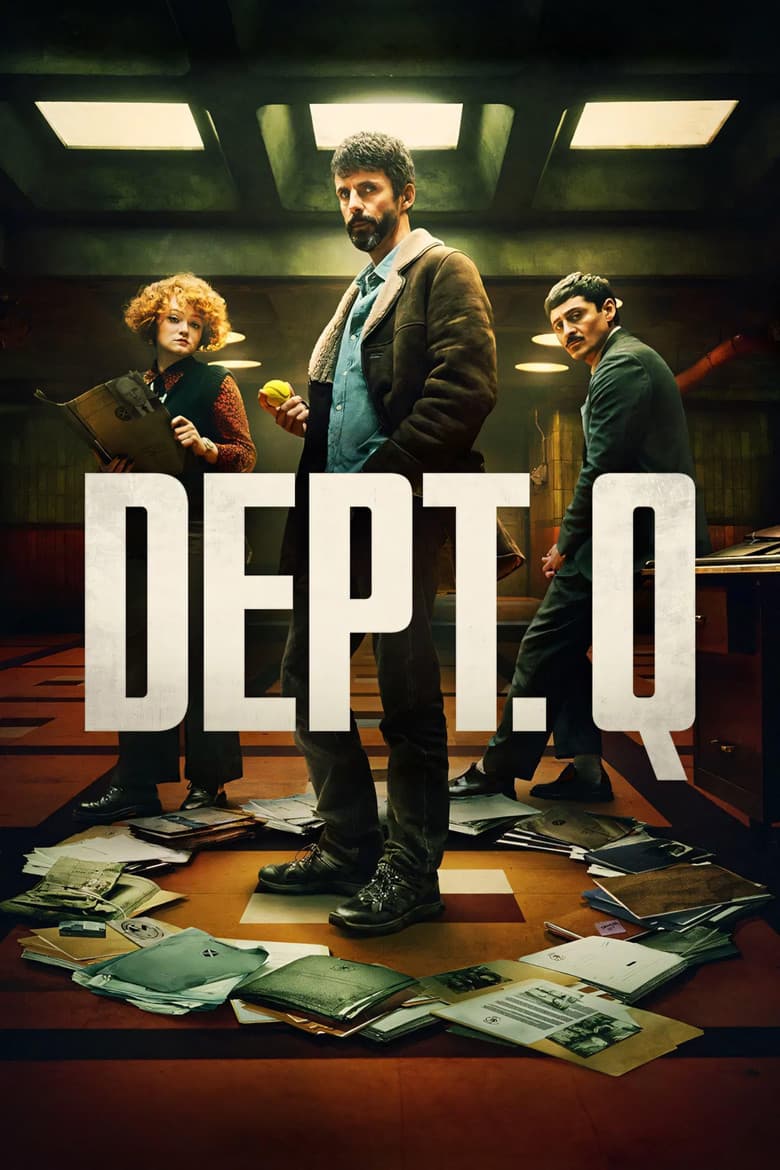
TV Show · 2025
A brash but brilliant cop becomes head of a new police department, where he leads an unlikely team of misfits in solving Edinburgh's cold cases.
