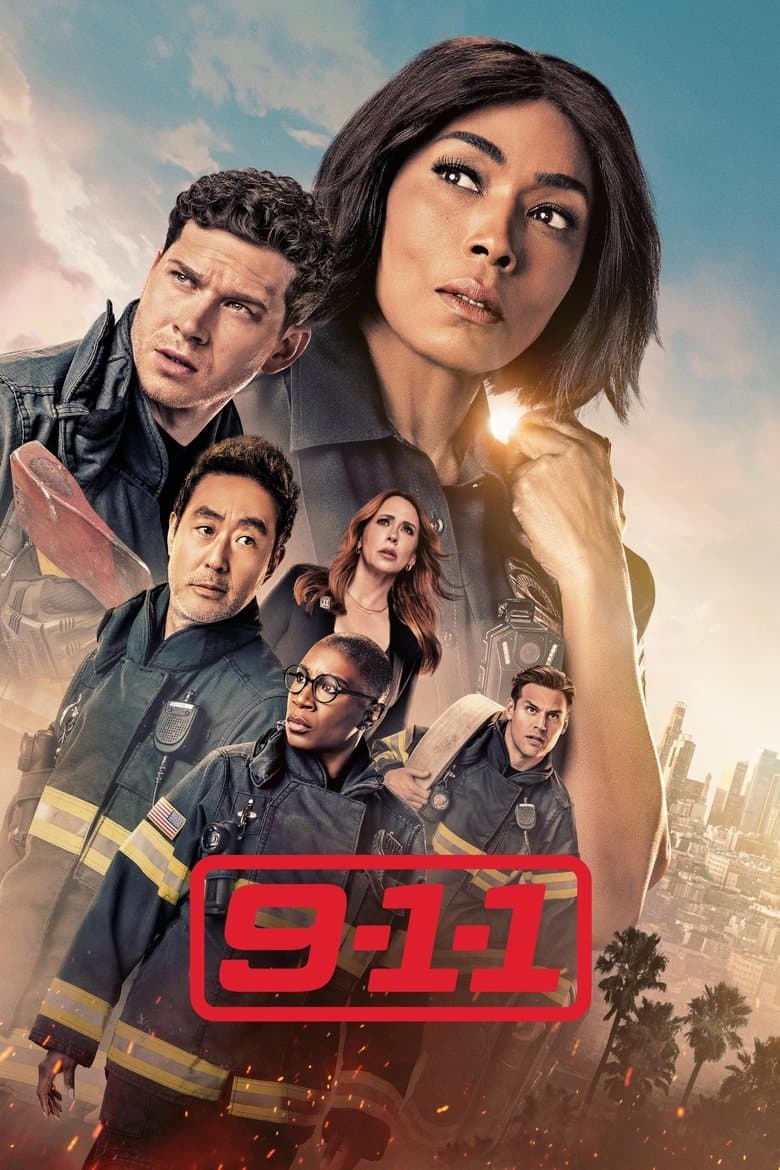
Started January 3, 2018 · Returning Series · Based on 9 seasons, 142 episodes through May 7, 2026 · TV-14
The series is a procedural drama created by Ryan Murphy, Brad Falchuk, and Tim Minear that follows Los Angeles first responders—firefighters, police, paramedics, and dispatchers—handling extreme emergencies while managing their personal lives and relationships across nine seasons as of 2026. It features prominent black female leads in competent authority roles, a black lesbian firefighter/paramedic character with a stable family storyline since the pilot, and a main character's later-in-life bisexual awakening with ongoing arcs in seasons 7–9. A season 3 episode depicts a racially charged police traffic stop involving a black family, and the show hired a former LAPD sergeant and police reform activist as a writers' room consultant for season 4 to explore profiling and brutality issues more directly.
Community feedback
Was our 68% Woke rating accurate?
Breakdown
These are the editorial factors and ratings behind our score for 9-1-1.
Woke representation / casting
Prominent roles for black women in authority and action positions (Athena as competent LAPD sergeant/detective lead; Hen as black lesbian firefighter/paramedic with major ongoing presence and family life from season 1). Diverse ensemble (Asian Chimney, Latino Eddie) and interracial marriage (Athena/Bobby). Multiple confirmed LGBTQ+ characters in main/recurring roles (Hen lesbian, Buck bisexual from season 7 with arcs, Michael gay early seasons, Josh gay dispatcher). ReFrame Stamp for season 5 underrepresented hiring. Ryan Murphy's Half Initiative supports behind-camera diversity on his shows. LA setting provides some demographic logic, but patterns emphasize visible competent diverse and queer leads.
50%
Woke political dialogue
Limited and not dominant. Hen has moments addressing perceptions as a black lesbian. Season 3 "Rage" episode includes dialogue on police mistreatment of black people and racism in the force. Occasional character reflections on identity or family structures. Most content focuses on emergencies, trauma, relationships, and rescues rather than explicit activist or systemic lectures.
25%
Identity-driven story themes
Recurring focus on modern family and identity arcs integrated into character drama: stable black lesbian couple (Hen/Karen) raising children via modern means; gay father's coming-out and co-parenting (Michael, seasons 1–5); Evan Buckley's mid-series bisexual realization and romantic exploration (seasons 7–9, including dating a man and later love triangle). Themes of chosen family, trauma, and personal growth alongside first-responder work. Emphasis on queer elements and diverse family structures is audience-visible and increases in later seasons.
45%
Western institutional / cultural critique
Season 3 episode "Rage" centers a racially motivated traffic stop by white LAPD officers on Athena's black ex-husband Michael and their children (including gun pointed at young black child); Athena confronts the racism as a black officer. Showrunner hired police reform activist and author Cheryl Dorsey (former LAPD sergeant, book on racism in departments) as season 4 consultant to explore racial profiling, police brutality, and reform more directly amid post-2020 context. Portrays issues in policing through a contemporary racial lens while featuring black first responders as competent heroes. Goes beyond generic anti-tyranny or historical conflict into modern institutional/racial framing.
50%
Woke character or canon changes
Not relevant. Original series; no established characters, source material, or historical figures reinterpreted through identity/DEI-driven swaps or revisions.
0%
Anti-woke backlash and complaints
Backlash to Buck's season 7 same-sex kiss and bisexual coming-out (100th episode), with some fans and online comments claiming it pushed agenda, "ruined" the character, or felt forced; Oliver Stark publicly condemned the hate. Scattered reviews and forum posts call the show "woke," "LGBT propaganda," or criticize diversity/casting patterns as box-ticking or representation-first. Less intense or sustained than for spin-off Lone Star (which drew explicit "neo-Marxist agenda" and hiring complaints).
42%
Creator track record context
Ryan Murphy has a clear, recurring pattern of identity-driven, queer-centric, and DEI-framed work including large transgender casts in Pose, explicit LGBTQ+ and social themes in Glee and American Horror Story, and the 2016 Half Initiative for women, minority, and LGBT directors. Brad Falchuk is frequent co-creator on these. Tim Minear (co-creator/showrunner) has genre TV roots with less personal activist visibility but has overseen diverse casting, queer arcs, and the season 3–4 police/race episodes here. Other contributors (e.g., Tasha Smith cached 50/100 on black representation) add context. Overall lead creative pattern supports elevated score; milder classical left or technical roles score lower.
63%
Production
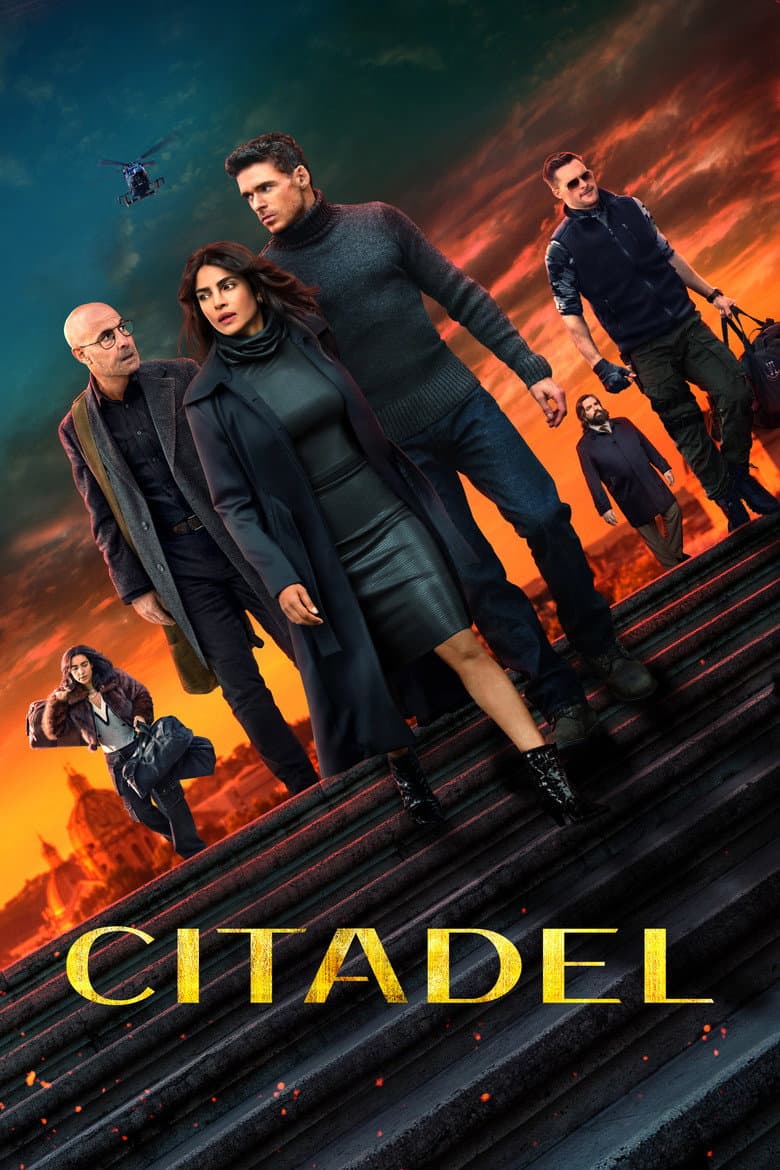
TV Show · 2023
What if you lost your memory? What if a spy didn't know they were a spy? Years ago, the top agents of Citadel, Mason Kane and Nadia Sinh, had their minds wiped.
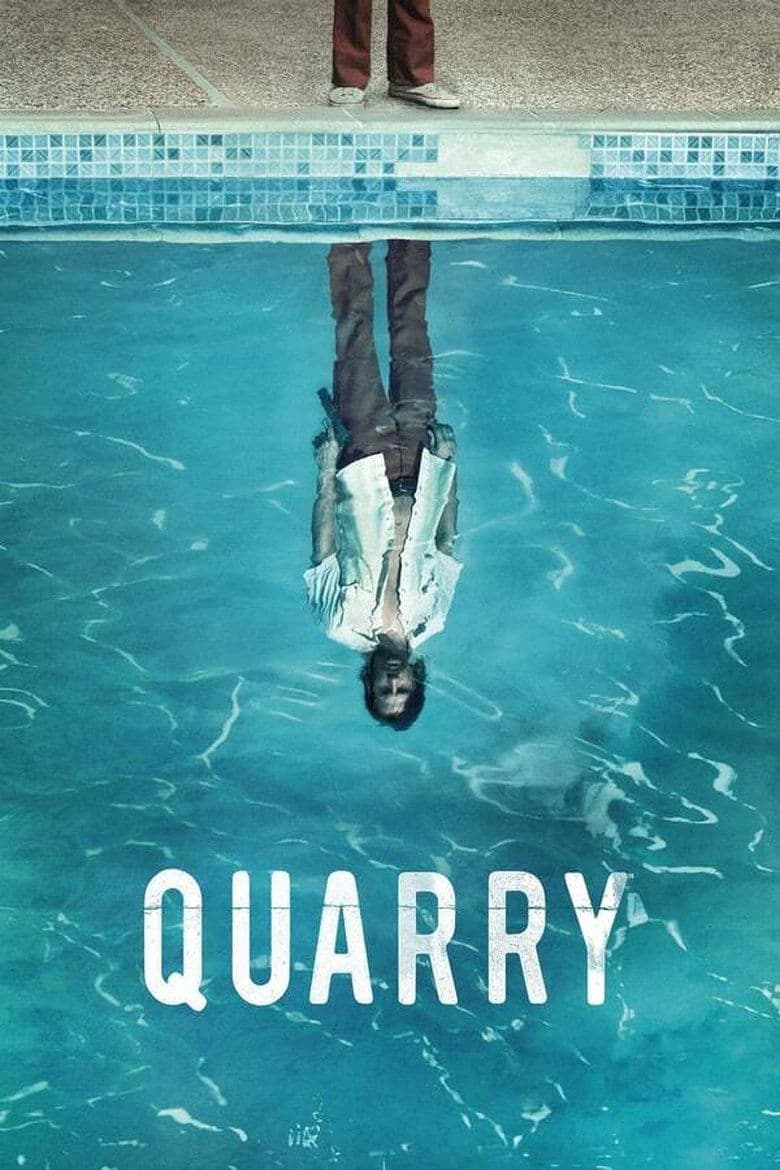
TV Show · 2016
The story of Mac Conway, a Marine who returns home to Memphis from Vietnam in 1972 and finds himself shunned by those he loves and demonized by the public.
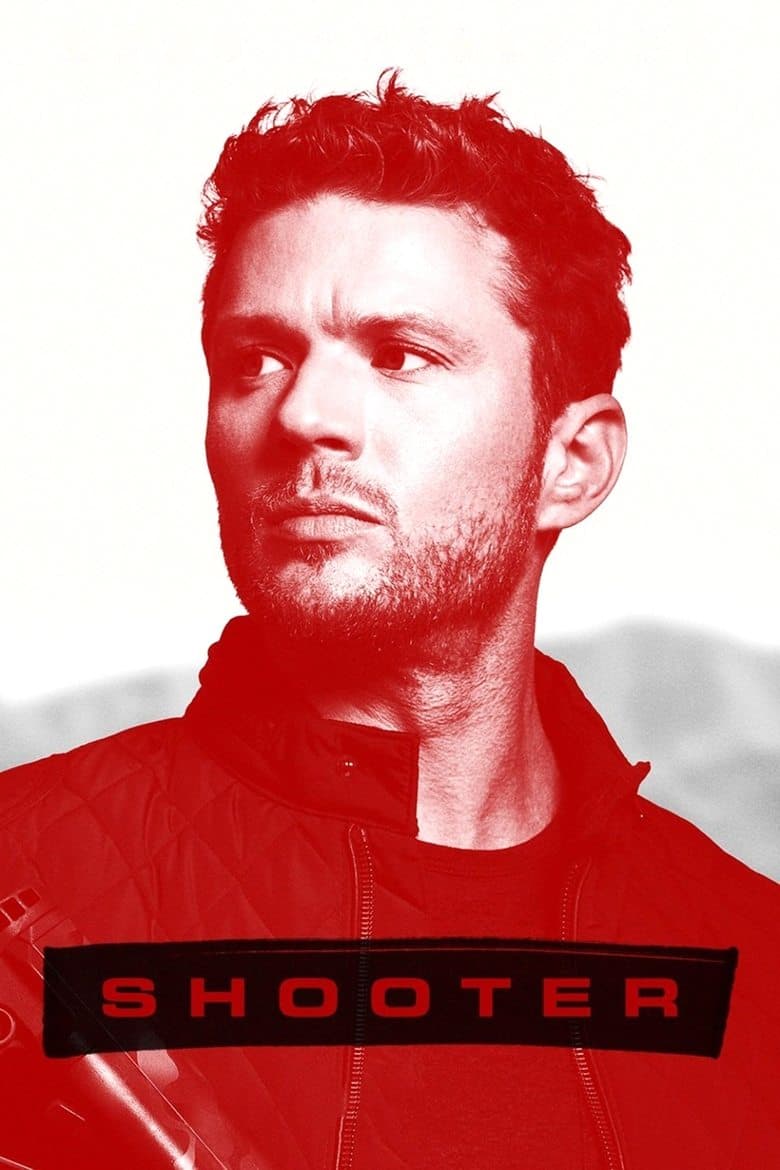
TV Show · 2016
Bob Lee Swagger is an expert marksman living in exile who is coaxed back into action after learning of a plot to kill the president.
TV Show · 2016
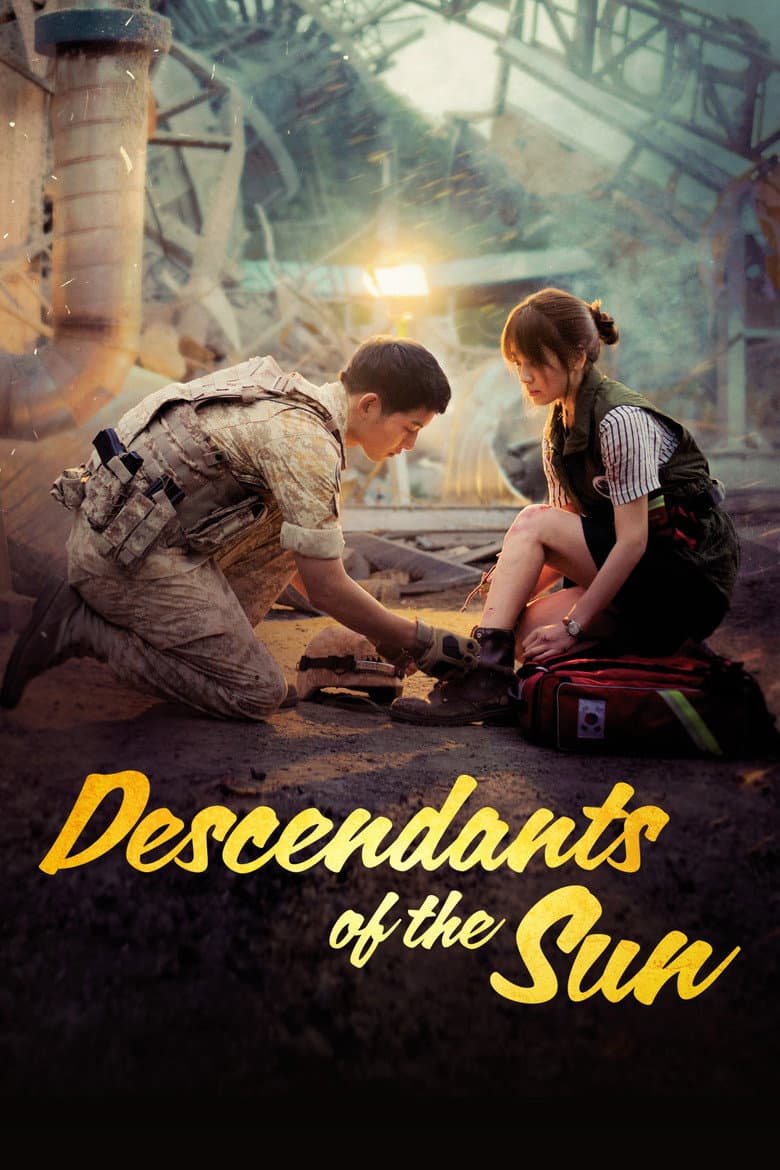
After a chance meeting in a hospital, an ardent soldier falls for a gifted surgeon. Opposing philosophies tear them apart, but fate has other plans.
TV Show · 2021
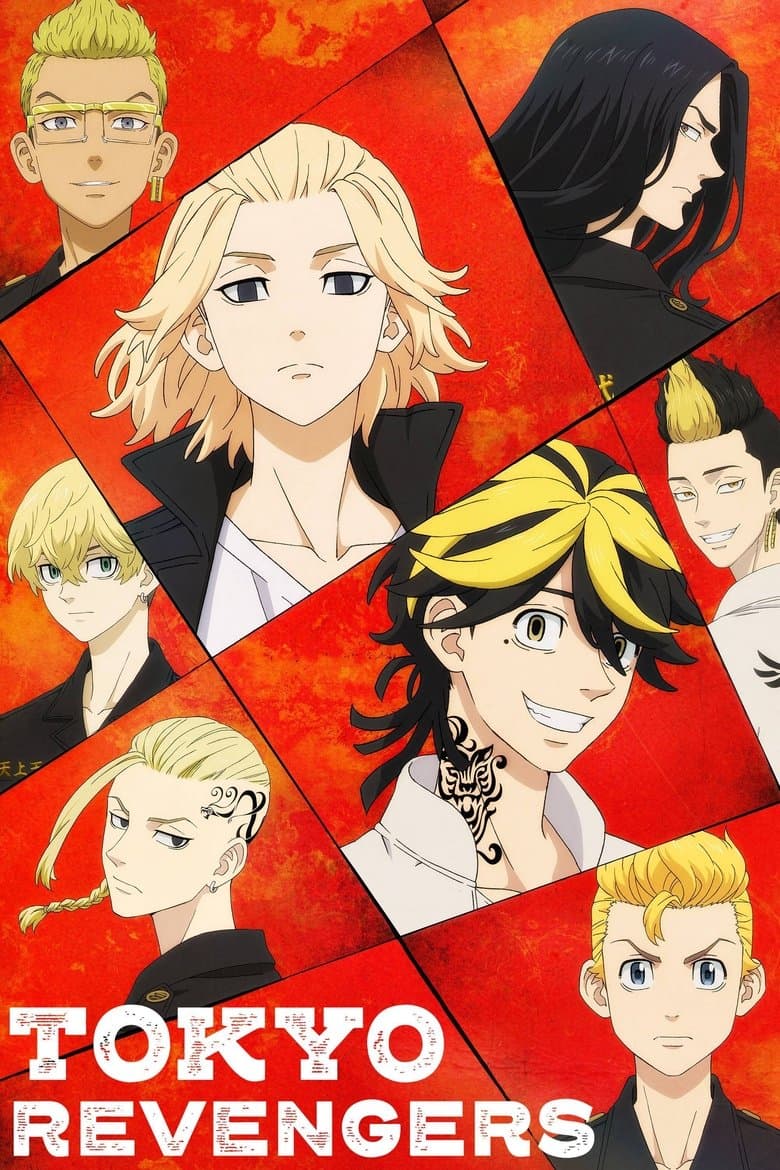
Takemichi Hanagaki is a freelancer that’s reached the absolute pits of despair in his life. He finds out that the only girlfriend he ever had, in middle school, Hinata Tachibana…
TV Show · 2022
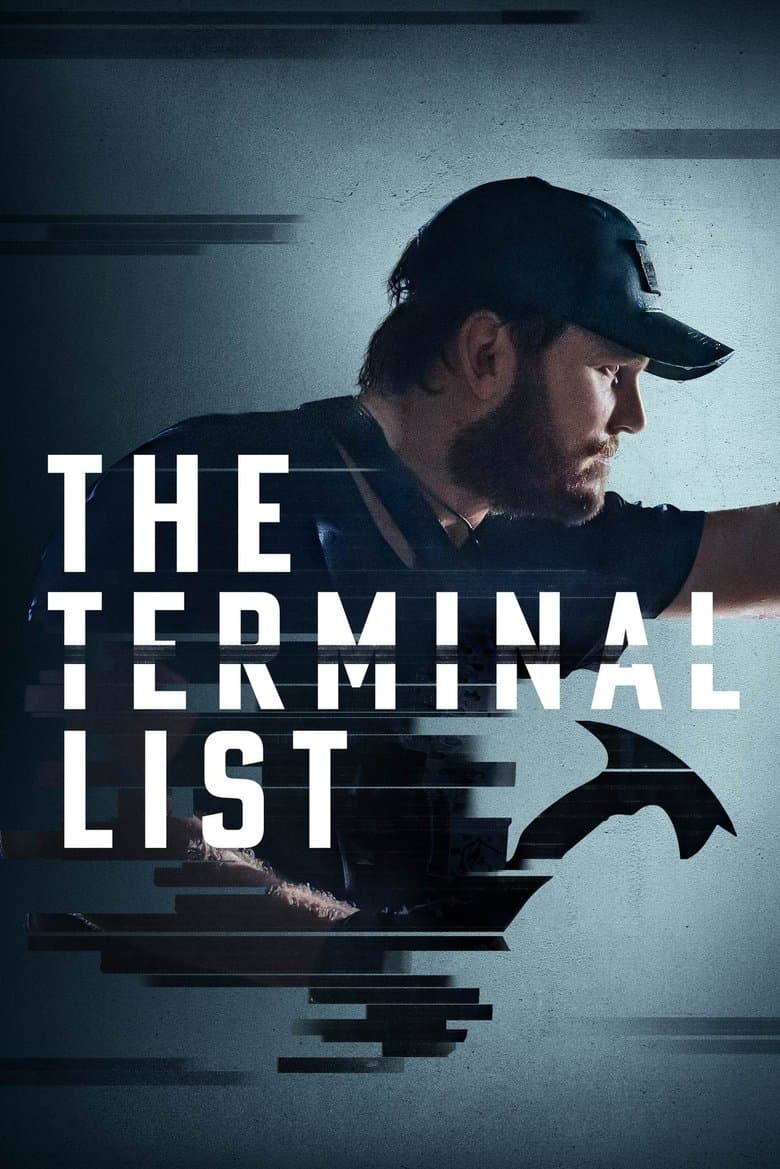
Navy SEAL Commander James Reece turns to vengeance as he investigates the mysterious forces behind the murder of his entire platoon.
TV Show · 2023
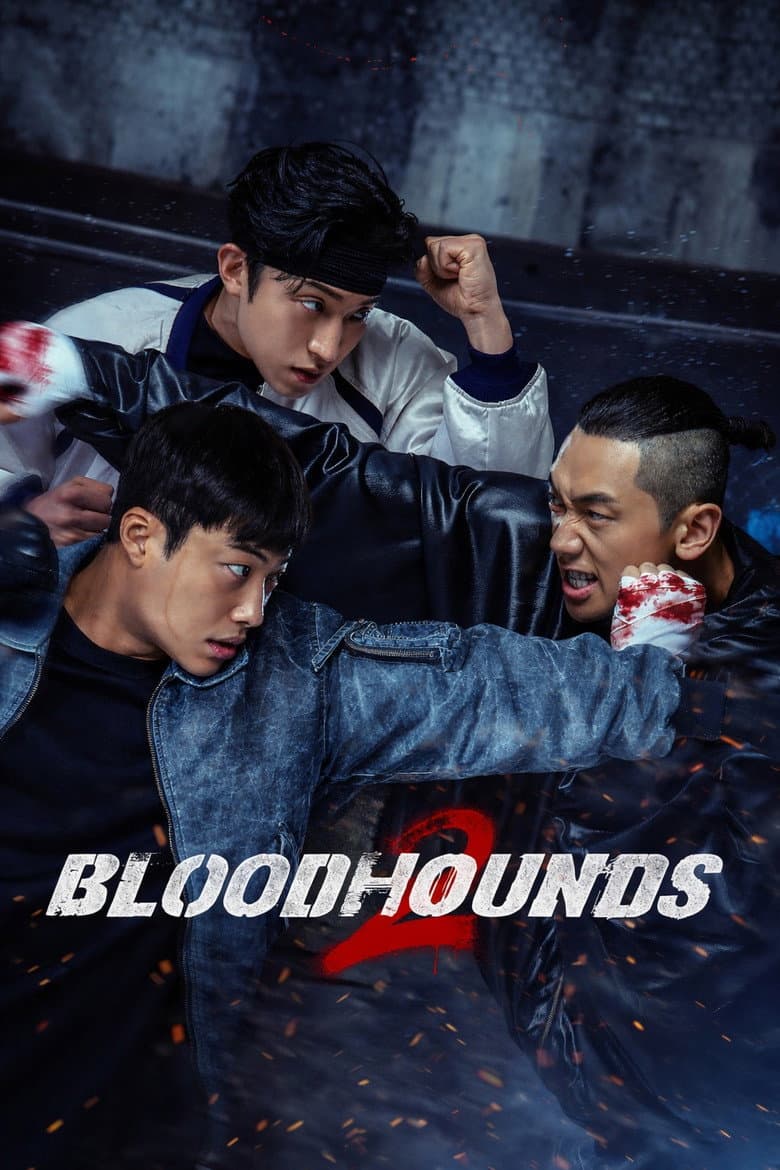
Faced with ruthless foes with a violent thirst, two young boxers band together — risking life and limb to bring justice and protect their loved ones.
TV Show · 2019
Follow a disillusioned teen recruited into a storied high school for assassins. Maintaining his moral code while surviving a ruthless curriculum, vicious social cliques, and his…
