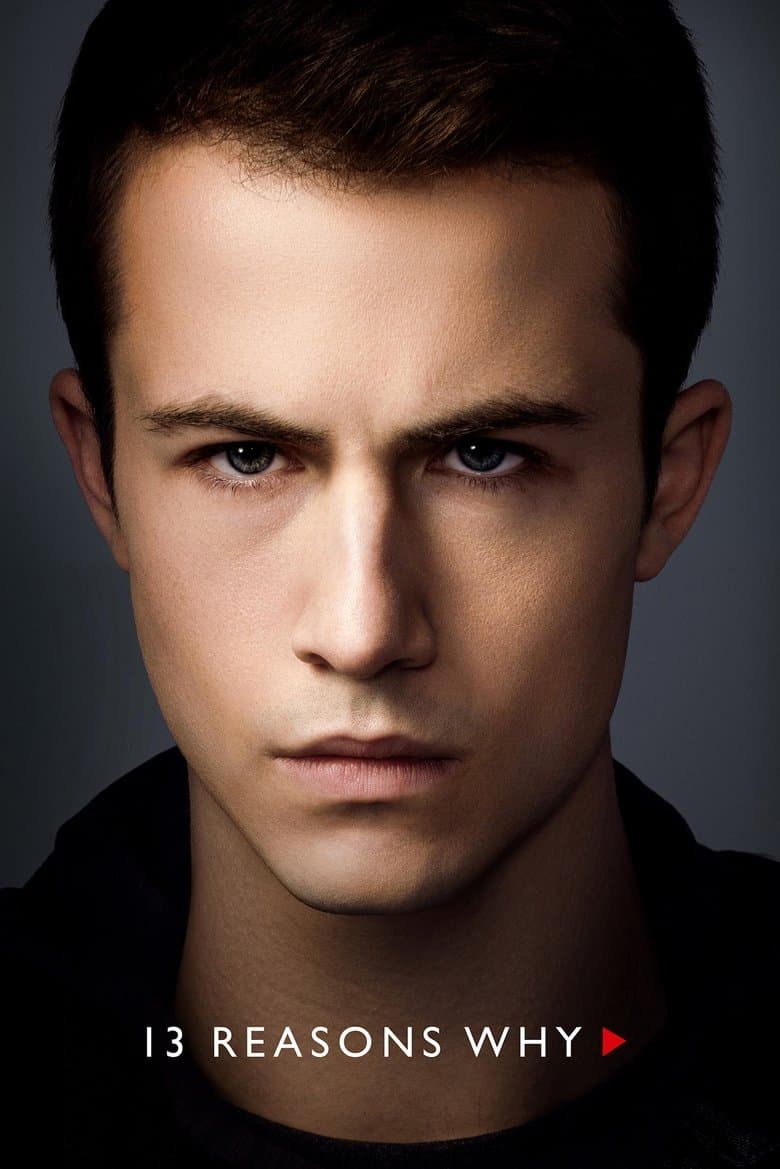
Started March 31, 2017 · Ended · Based on 4 seasons, 49 episodes through June 5, 2020 · TV-MA
13 Reasons Why follows high school student Clay Jensen after classmate Hannah Baker dies by suicide and leaves him a set of cassette tapes explaining her reasons, which involve bullying, rumors, sexual assault, and failures by friends and school staff. The first season adapts Jay Asher’s 2007 novel closely while later seasons expand into original murder mysteries, a rape trial, and a school shooting threat at Liberty High. The series features a naturally diverse California high school cast with several supporting LGBTQ characters and addresses trauma and consent, but these elements stay personal and dramatic without overt ideological framing or activist messaging.
Community feedback
Was our 31% Woke rating accurate?
Breakdown
These are the editorial factors and ratings behind our score for 13 Reasons Why.
Woke representation / casting
Natural mix of racial and ethnic backgrounds fitting a California high school plus several supporting LGBTQ characters; no evident quota signaling or story-world mismatches.
30%
Woke political dialogue
Occasional talk about consent, bullying, and mental health support appears in character conversations but stays grounded in personal stories without activist lectures or systemic framing.
15%
Identity-driven story themes
Trauma from assault and suicide drives the core narrative with incidental queer and diverse side stories; these never become the central or didactic focus.
25%
Western institutional / cultural critique
School counselors and jock culture are shown failing to protect students, yet the emphasis remains on individual choices and personal accountability rather than broad attacks on patriarchy, whiteness, or Western institutions.
20%
Woke character or canon changes
Not present in this title.
0%
Anti-woke backlash and complaints
Backlash centered exclusively on suicide portrayal and graphic content; no documented right-leaning complaints about identity politics, DEI, or left-wing messaging.
0%
Creator track record context
Core team includes mental-health-focused creators and some writers with social-issue credits, but no dominant pattern of activist or identity-politics work across the group.
25%
Production
TV Show · 2018
In 1994, a toddler disappeared from a small Welsh village, never to be seen again. 23 years later, in London, the mother of rising cello star Matilda Gray commits suicide, without…
TV Show · 2024
John Sugar is a dashing private eye navigating the dark corners of sunny LA. Though he sees only the good in humanity, Sugar is haunted by a secret too dangerous to expose.
TV Show · 2025
In the vast expanse of Yosemite National Park, a woman's death draws a federal agent into lawless terrain — where nature obeys no rules but its own.
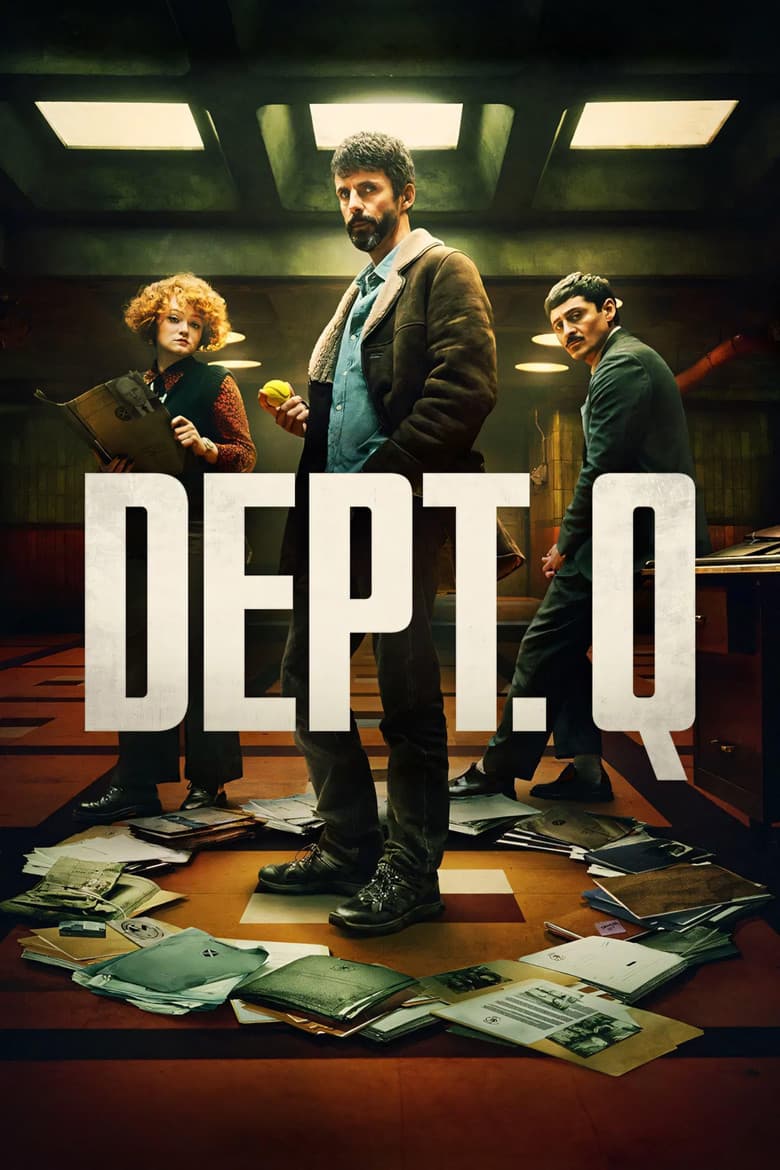
TV Show · 2025
A brash but brilliant cop becomes head of a new police department, where he leads an unlikely team of misfits in solving Edinburgh's cold cases.
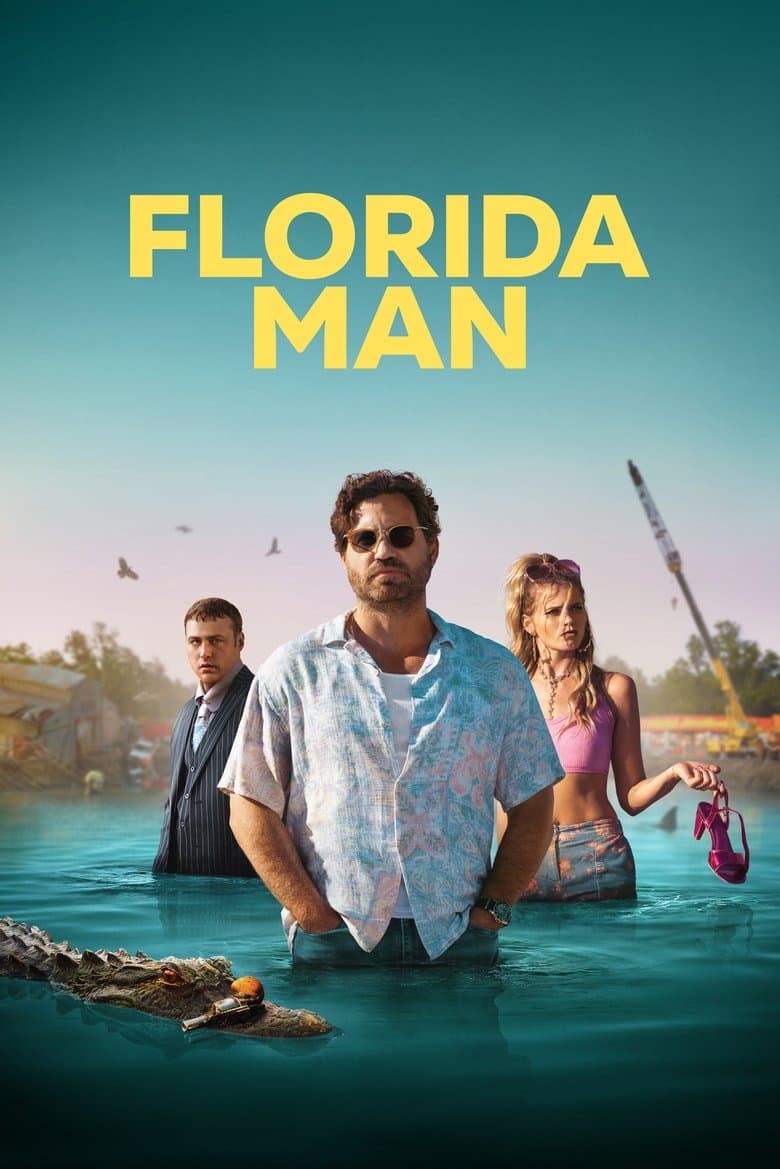
TV Show · 2023
A disgraced cop in debt is forced to return to his home state of Florida for a shady mission only to get swept up in a wild — and deadly — treasure hunt.
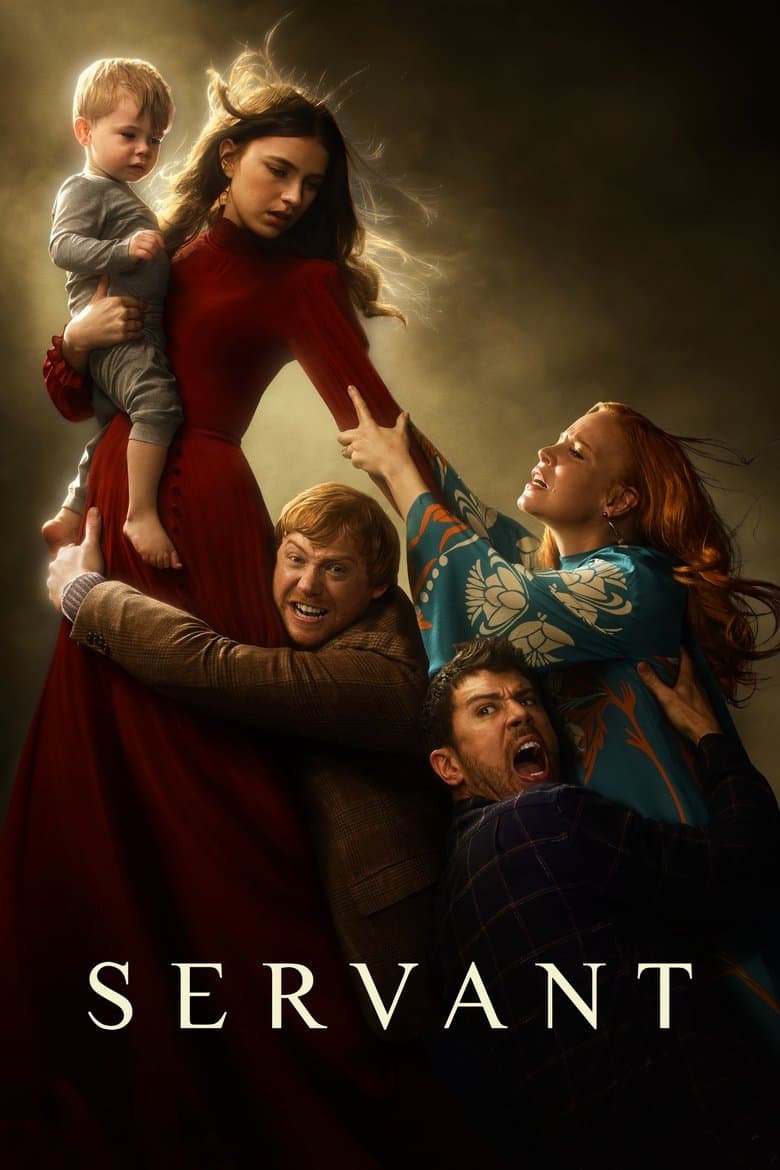
TV Show · 2019
A Philadelphia couple are in mourning after an unspeakable tragedy creates a rift in their marriage and opens the door for a mysterious force to enter their home.
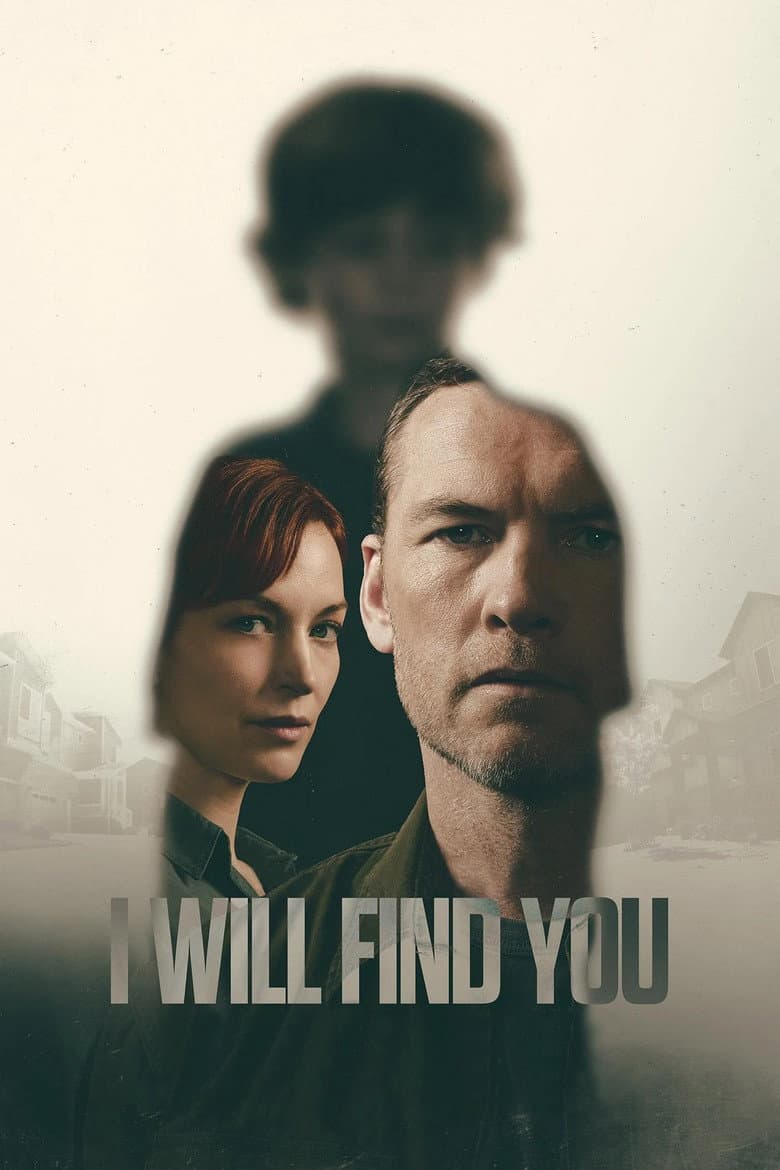
TV Show · 2026
Wrongfully imprisoned for murdering his own son, a father sets out on a desperate rescue mission after learning the boy may still be alive.
TV Show · 2022
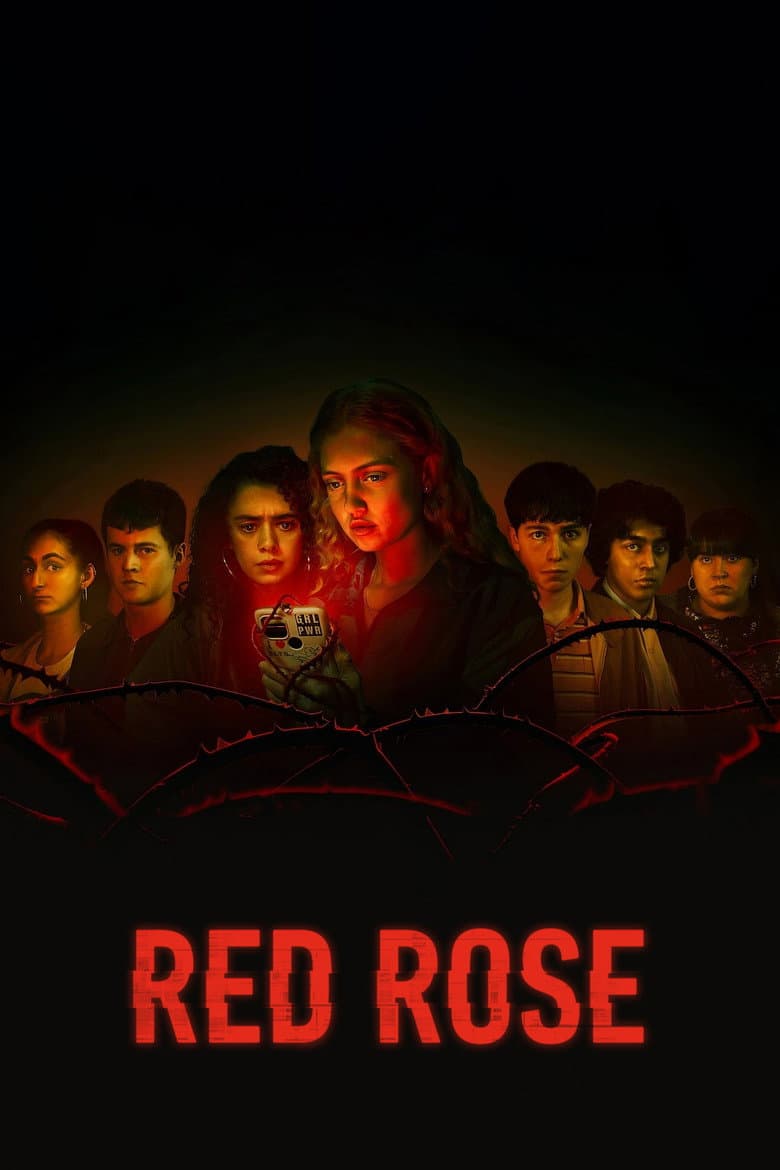
When one of a group of friends downloads the mysterious Red Rose app, plans change. What starts innocently as a game of admiration rapidly descends into something much darker.
