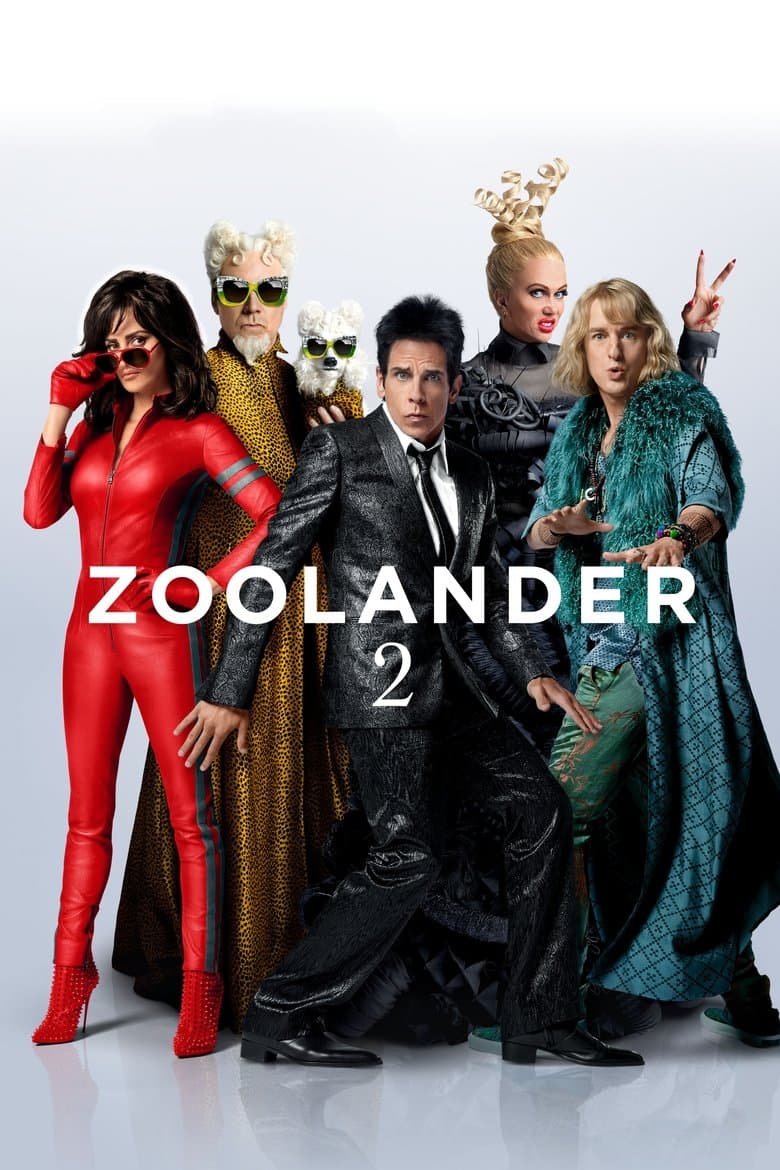
Derek Zoolander and Hansel McDonald leave exile after personal disasters and find that high fashion has moved on without them. Hipster irony and a non-binary supermodel named All now rule the scene. An Interpol fashion agent named Valentina recruits them into a silly murder conspiracy. The plot turns on finding Derek’s son, a farcical chosen one bloodline tied to Adam, Eve, and Steve, and Mugatu’s revenge plan about eternal youth and pop star killings. The tone is broad studio comedy packed with cameos.
The film notices modern fashion identity trends, body size jokes, and free sexual lifestyles. It mostly mocks how confusing and ridiculous the new scene looks to two dumb male models. It does not try to teach a diversity lesson. Non-binary model All, Hansel’s wild multi partner life, the Steve bloodline gag, and Derek Jr. becoming a hot plus size model stay on screen as absurdist satire. LGBTQ and body identity beats are hard to miss even when the joke aims at fashion culture.
Community feedback
Was our 39% Woke rating accurate?
Breakdown
These are the editorial factors and ratings behind our score for Zoolander 2.
Woke representation / casting
Fashion world cameos and cosmopolitan extras fit the industry setting. The clear identity marked role is All, a non-binary top model played by Benedict Cumberbatch as androgynous runway spectacle. There is also a brief plus size model payoff for Derek Jr. These bits are visible but satirical, not a diversity first ensemble redesign.
22%
Woke political dialogue
On screen talk includes All rejecting binary constructs, using we, monomarriage jokes, and crude hot dog or bun probing from Derek and Hansel. There are also fat, old, and lame insults that soft land in acceptance of Derek Jr. Identity flavored lines appear as comedy, not activist speeches.
24%
Identity-driven story themes
A core gag is that fashion left the heroes behind by elevating non-binary All and ironic hipster cool. Hansel’s multi gender and animal adjacent orgy life, the Adam Eve Steve model bloodline, and Derek Jr. becoming a hot plus size model keep gender, sexual, and body identity on screen. The framing is absurdist satire of the fashion scene more than progressive advocacy, but those beats are hard to miss.
44%
Western institutional / cultural critique
The main targets are vanity, fashion absurdity, celebrity culture, and aging out of cool. The film does not run a sustained modern activist brief against patriarchy, whiteness, capitalism, or the church. The Garden of Eden rewrite and church scenery serve the Fountain of Youth bit more than systemic Western guilt messaging.
16%
Woke character or canon changes
Not relevant. All, Alexanya, Valentina, and the Steve lore are new sequel material, not identity-driven rewrites of established Zoolander characters or real historical figures.
0%
Anti-woke backlash and complaints
Not present. The loud documented fight was LGBTQ and left boycotts over All as mockery of non-binary people, plus later Cumberbatch regret that a cis actor should not play the role today. Right-leaning coverage largely defended the comedy against that pressure. There is no meaningful anti-woke record that the film itself pushes woke or DEI messaging.
0%
Creator track record context
Stiller led as director, star, and co-writer with mild progressive public politics and a history of defending broad comedy. Co-writers include Theroux and Stoller, whose later queer representation advocacy pulls the writing team average up slightly. Overall creative signal is moderate Hollywood progressive, not an identity first campaign for this title.
28%
Production
Movie · 2024
When the plots of reclusive author Elly Conway's fictional espionage novels begin to mirror the covert actions of a real-life spy organization, quiet evenings at home become a…
Movie · 2024
In the 19th century, a drunken applejack salesman must go from zero to hero and become North America's greatest fur trapper by defeating hundreds of beavers.
Movie · 2023
Two elite soldiers must escort civilians through a gauntlet of gunfire and explosions.
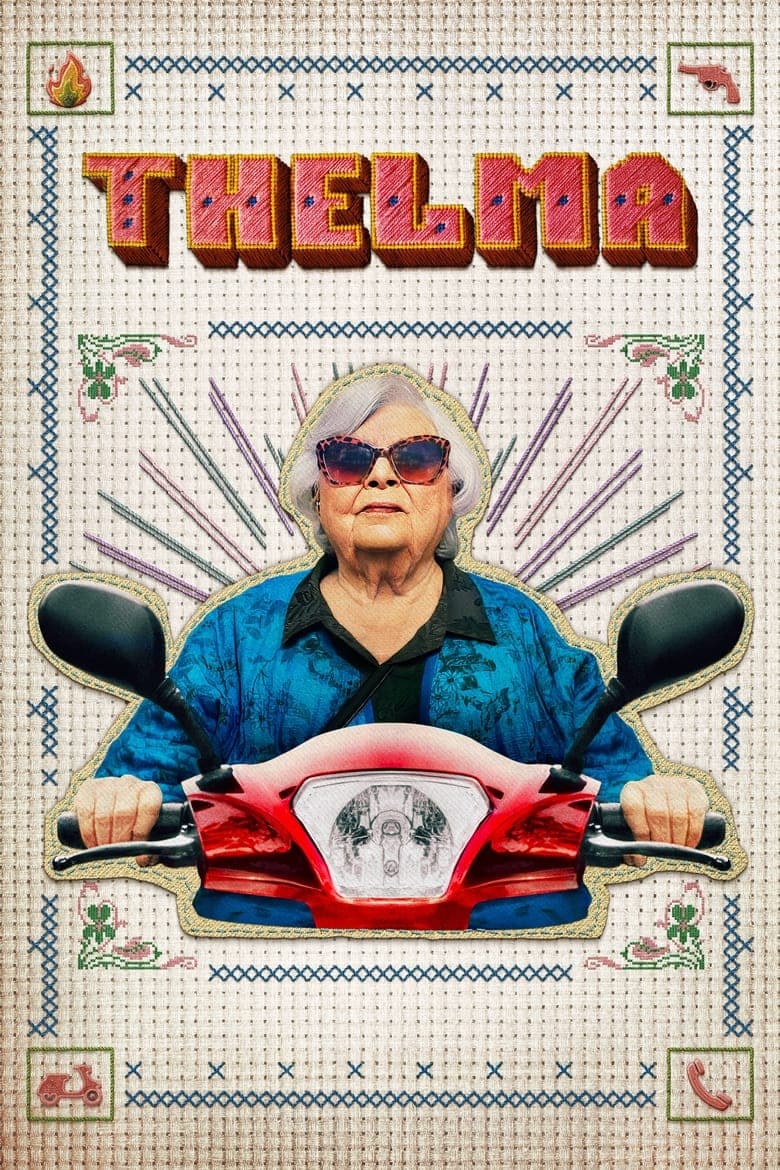
Movie · 2024
When 93-year-old Thelma Post gets duped by a phone scammer pretending to be her grandson, she sets out on a treacherous quest across the city to reclaim what was taken from her.
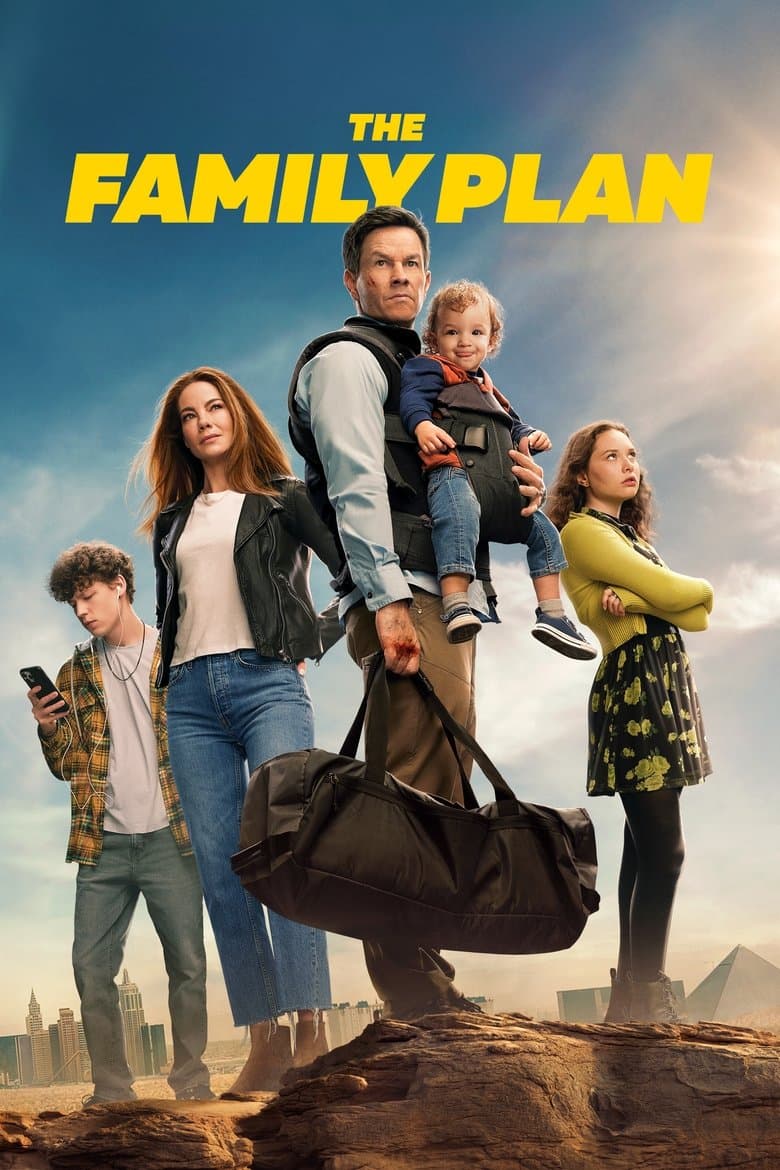
Movie · 2023
Dan Morgan is many things: a devoted husband, a loving father, a celebrated car salesman. He's also a former assassin.
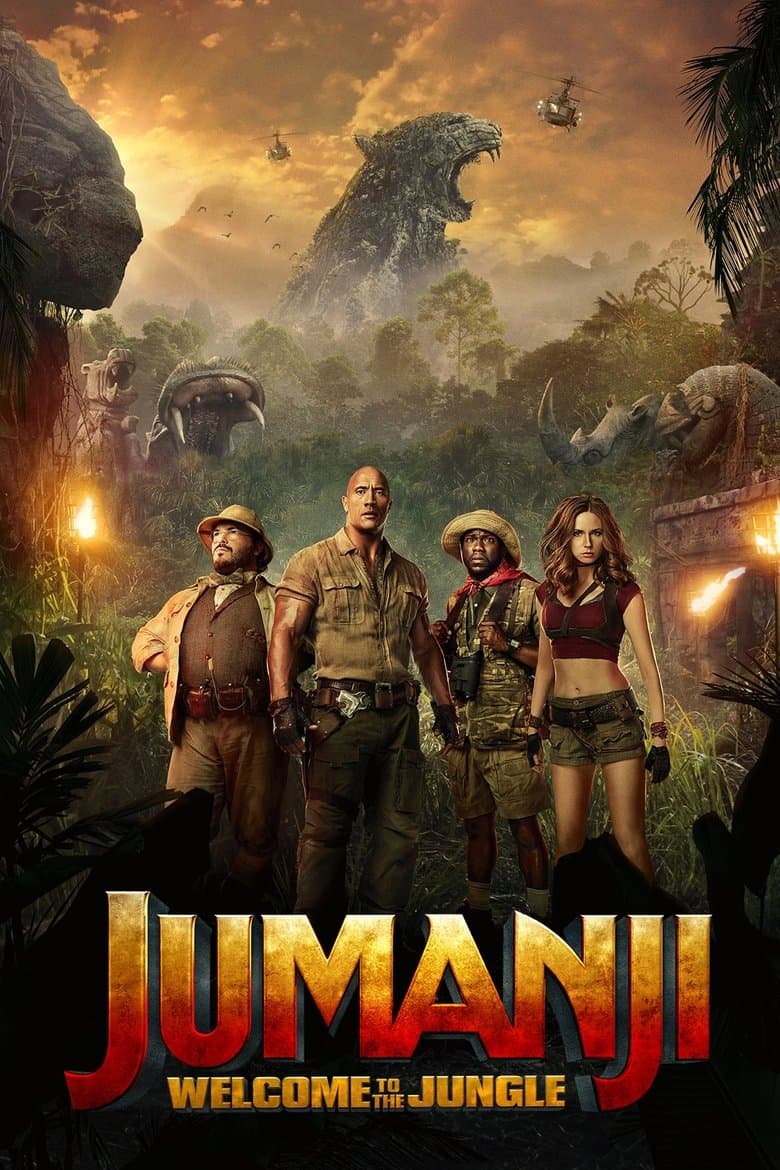
Movie · 2017
Four teenagers in detention discover an old video game console with a game they’ve never heard of. When they decide to play, they are immediately sucked into the jungle world of…
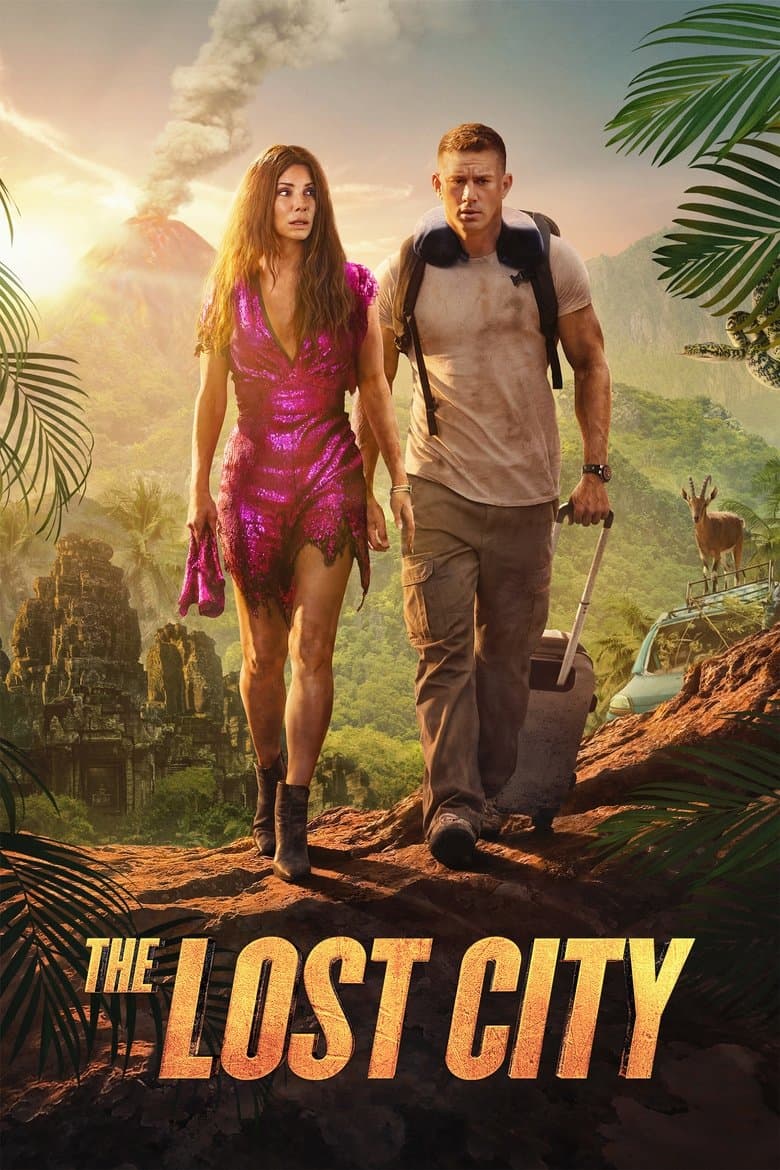
Movie · 2022
Reclusive author Loretta Sage writes about exotic places in her popular adventure novels that feature a handsome cover model named Alan.
Movie · 2016
The origin story of former Special Forces operative turned mercenary Wade Wilson, who, after being subjected to a rogue experiment that leaves him with accelerated healing powers…
