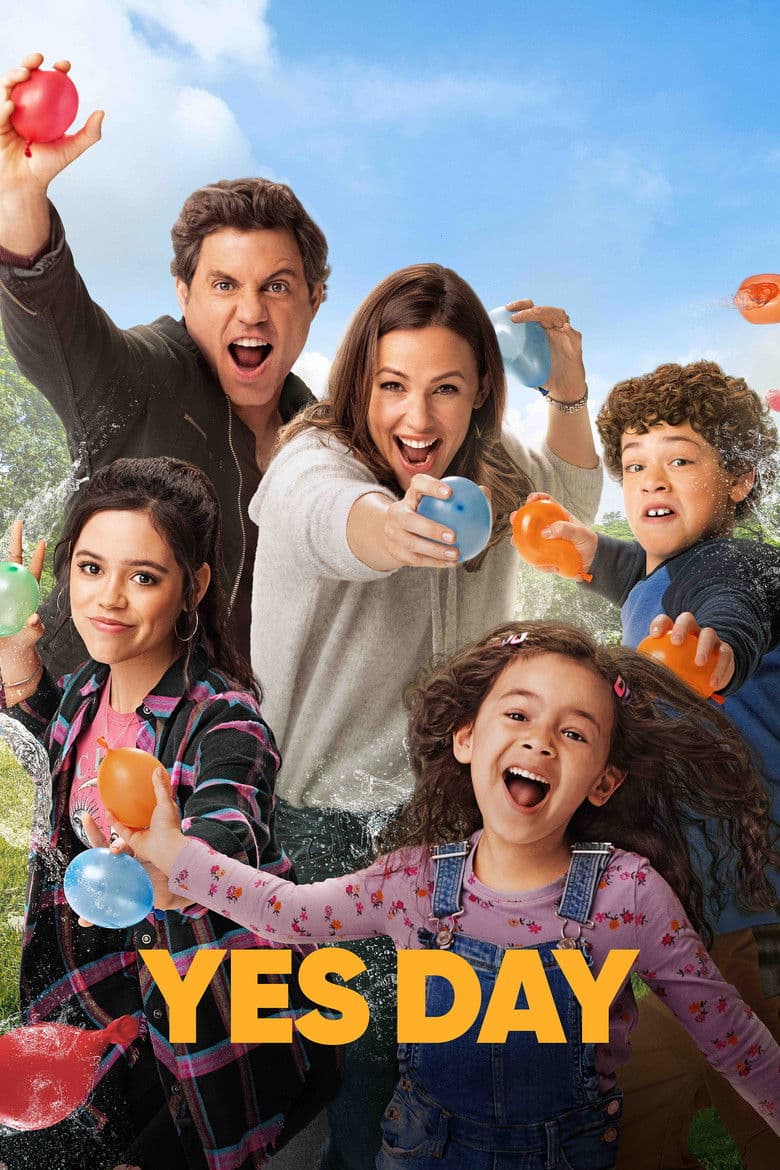
Allison Torres is a busy mom who says no a lot to keep her three kids safe. She and her husband Carlos used to be free spirits. After a school meeting where the kids basically call her a mean boss, they try a “Yes Day.” For one day they say yes to wild kid requests, as long as a few safety rules stay in place. The day turns into a silly race around Los Angeles full of food challenges, water fights, and family messes. The tone is bright, loud family comedy with a soft heart.
The story is about parents and kids learning to listen to each other. The main pull is a mixed Latino family that speaks English and Spanish at home. Dad Carlos is Venezuelan, Mom Allison is white, and their kids are Latino. The director said he wanted that mix on purpose so more families would see themselves. News and family sites talked about that as good representation. The plot itself is about fun, rules, trust, and a mom and teen daughter fighting and making up. A normal viewer would notice the bilingual family and diverse Los Angeles side characters more than any political speech. There is no big activist plot or heavy identity lecture. It plays like a light Netflix family day-out movie with a diversity casting choice that was talked about in press, not as the main message on screen.
Community feedback
Was our 23% Woke rating accurate?
Breakdown
These are the editorial factors and ratings behind our score for YES DAY.
Woke representation / casting
Lead family is a mixed white-Latino Torres household by design. Dad is Venezuelan, kids are Latino, and the home uses Spanish and English. Side roles show a broad multi-racial Los Angeles (Asian shop owners, Latino and Asian officers, Black and Asian teachers). Director said he wanted that Latino husband and kids for diversity and for it to feel normal. Clear audience-visible casting choice in a modern setting, but not a heavy “identity hero” checklist plot.
34%
Woke political dialogue
Almost no activist talk. A school bit has kids joke that Mom is like a dictator (Stalin/Mussolini style gag about strict rules). No sermons on race, gender identity, climate, or party politics. Dialogue stays on parenting, yes/no rules, and family fun.
0%
Identity-driven story themes
Core arc is parents who say no too much, a fun-but-messy Yes Day, and a mom-teen trust repair. Identity is in who is cast, not in a story built around race, gender ideology, or queer coming-of-age. Viewers mainly get family comedy themes.
0%
Western institutional / cultural critique
Soft dad and strict mom is ordinary sitcom setup, not a lecture on “toxic masculinity” or broken Western values. No attack on church, free markets, or traditional family as evil. Limits and responsibility are treated as good.
8%
Woke character or canon changes
Not relevant. The source is a simple picture book idea, not a famous character with fixed race, gender, or history that was rewritten for ideology. The movie invents the Torres family for the screen.
0%
Anti-woke backlash and complaints
Almost no sustained right-leaning “too woke” fight in news or social media. Quality gripes and praise for diversity were common; only thin, fringe notes about token casting. No major anti-woke controversy.
5%
Creator track record context
Cached scores for key people are low to mild (Arteta ~15, Garner ~24, writers and most producers near 0–11). They are not known for heavy identity-activist careers. Arteta’s diversity casting talk for this film is the main related note.
14%
Production
Movie · 2020
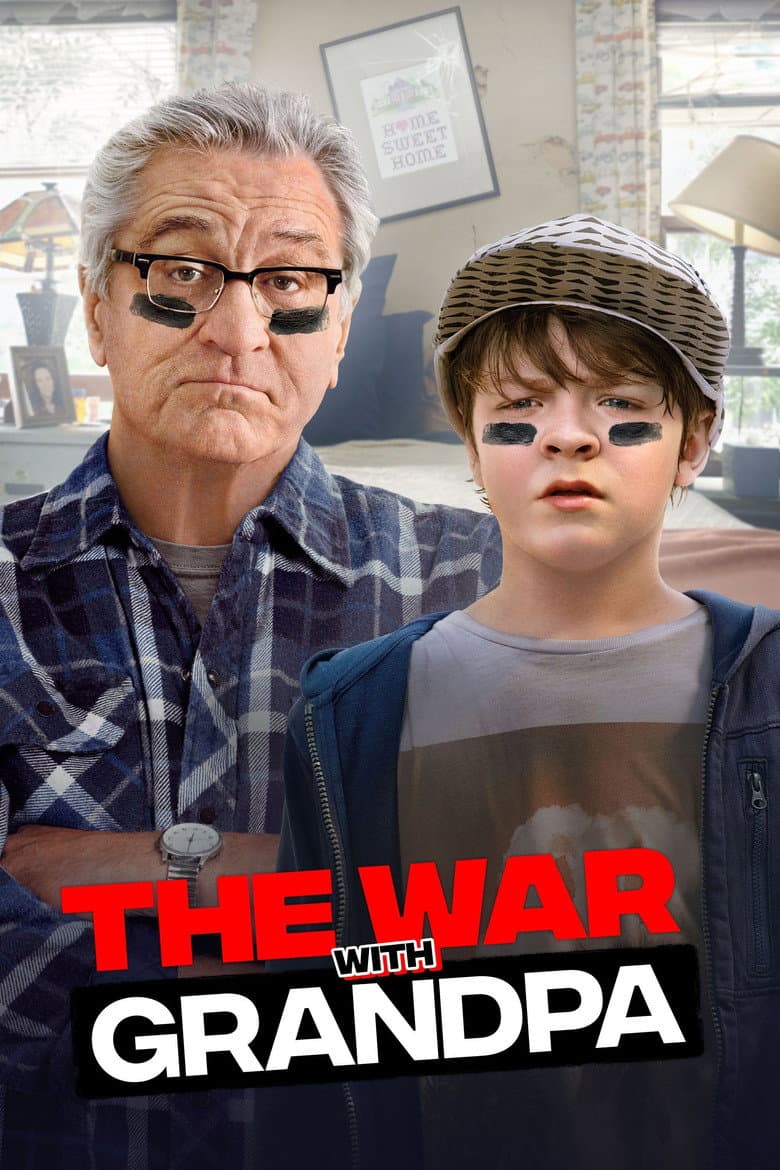
Peter is thrilled that his Grandpa is coming to live with his family. That is, until Grandpa moves into Peter's room, forcing him upstairs into the creepy attic.

Movie · 2024
The Herdman kids are undeniably the worst kids in the history of the world. They lie, steal, cheat, bully and overall terrorize their small community.
Movie · 2016
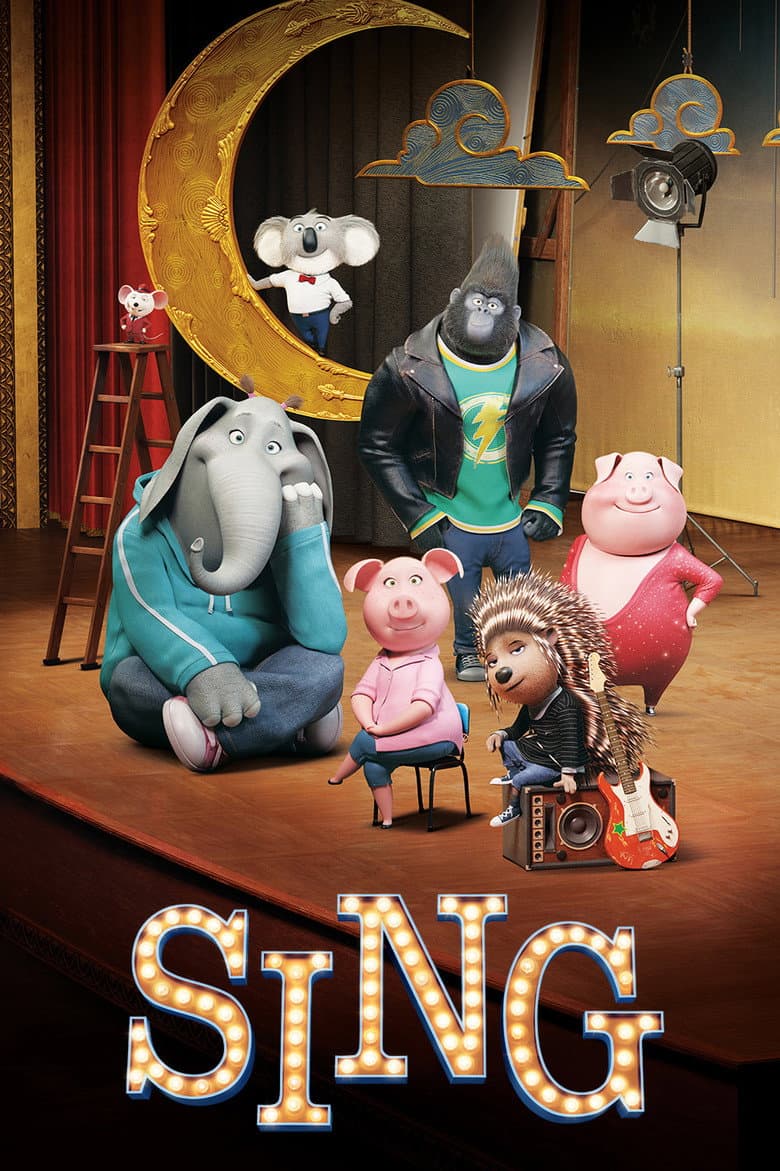
A koala named Buster recruits his best friend to help him drum up business for his theater by hosting a singing competition.
Movie · 2021
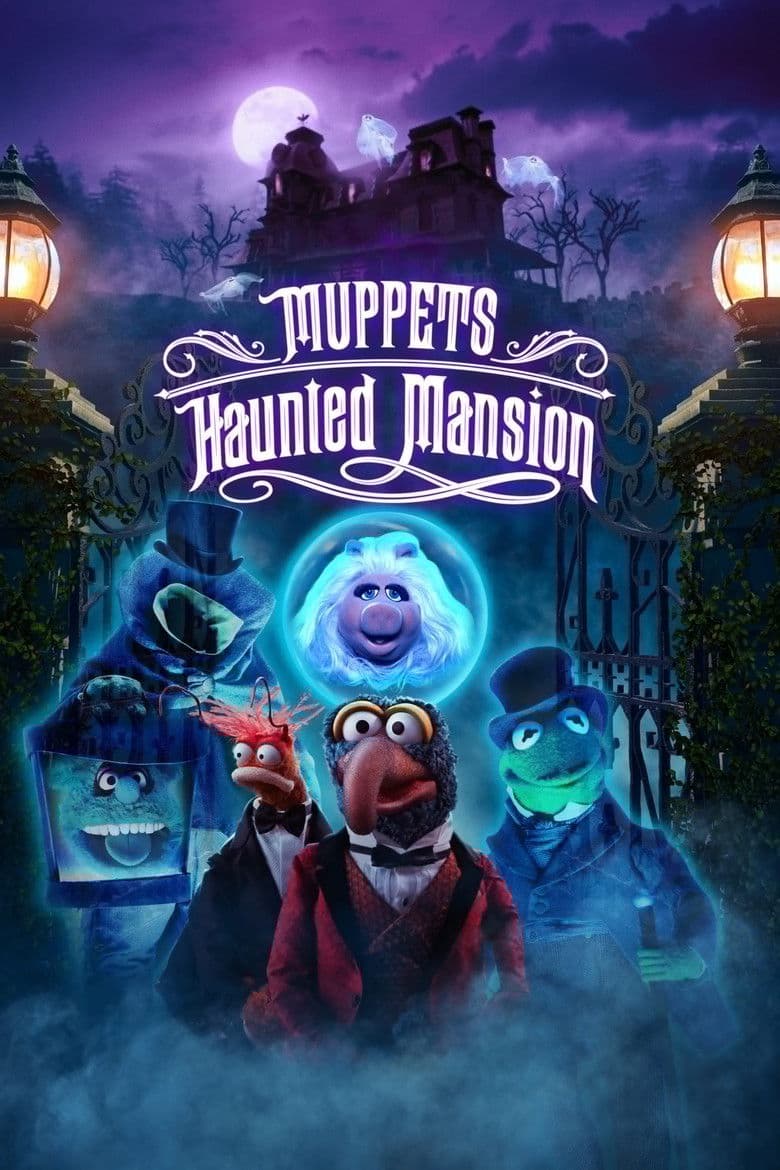
On Halloween night, Gonzo and Pepe are challenged to face their fears and stay in the Haunted Mansion until sunrise, encountering many frightening, funny, and perhaps a little…
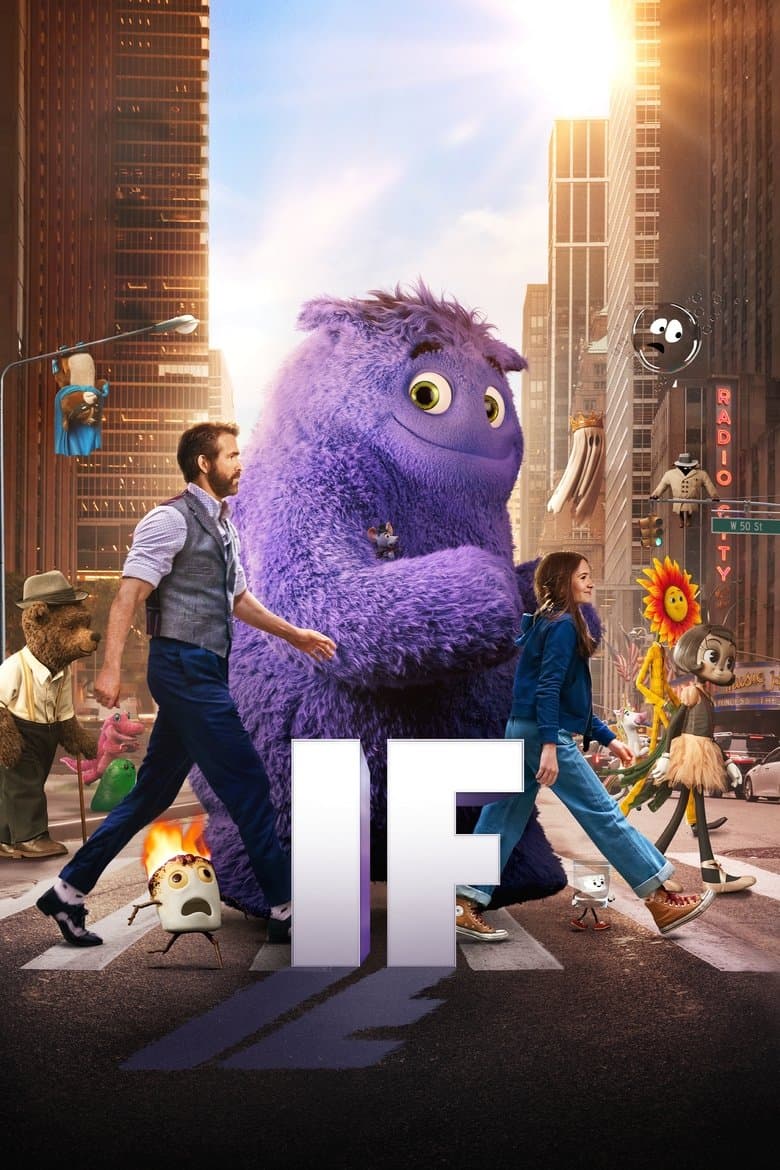
Movie · 2024
After discovering she can see everyone's imaginary friends, a girl embarks on a magical adventure to reconnect forgotten imaginary friends with their kids.
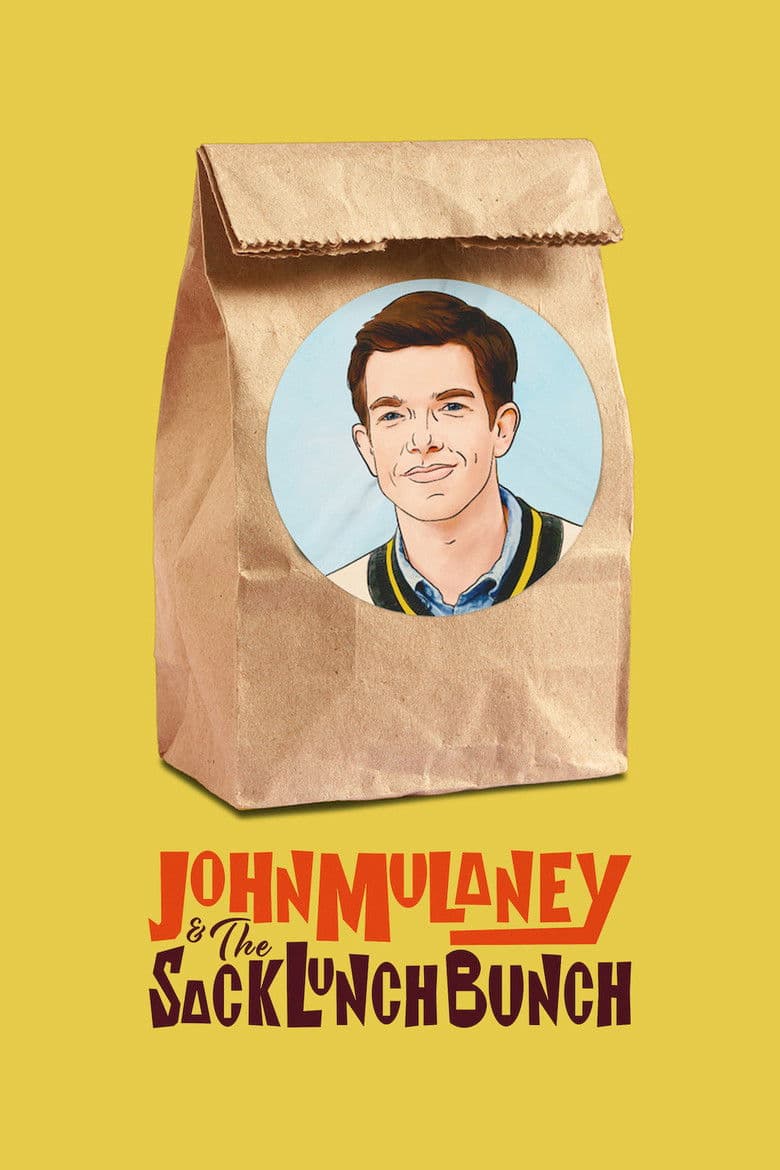
Movie · 2019
John Mulaney and his kid pals tackle existential topics for all ages with catchy songs, comedy sketches and special guests in a nostalgic variety special.
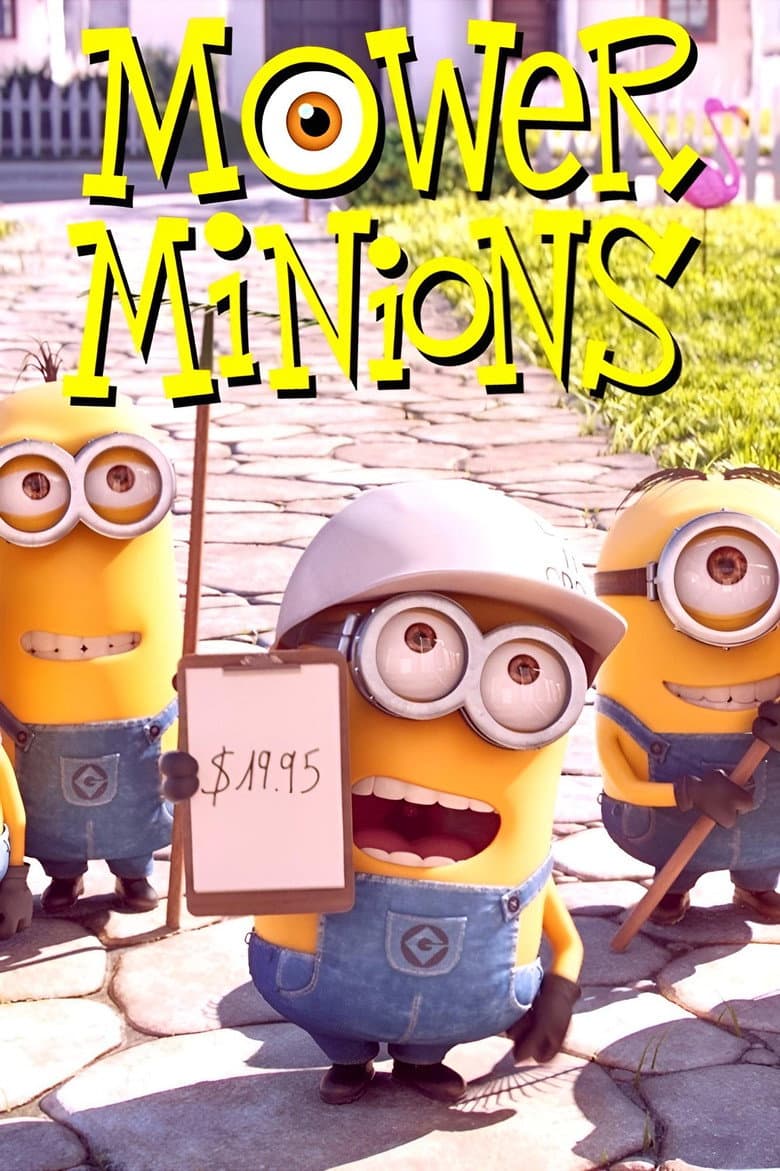
Movie · 2016
The Minions need to raise $20 to purchase an as seen on TV banana blender. So they take up lawn mowing at an old folks home, with hilarious antics!
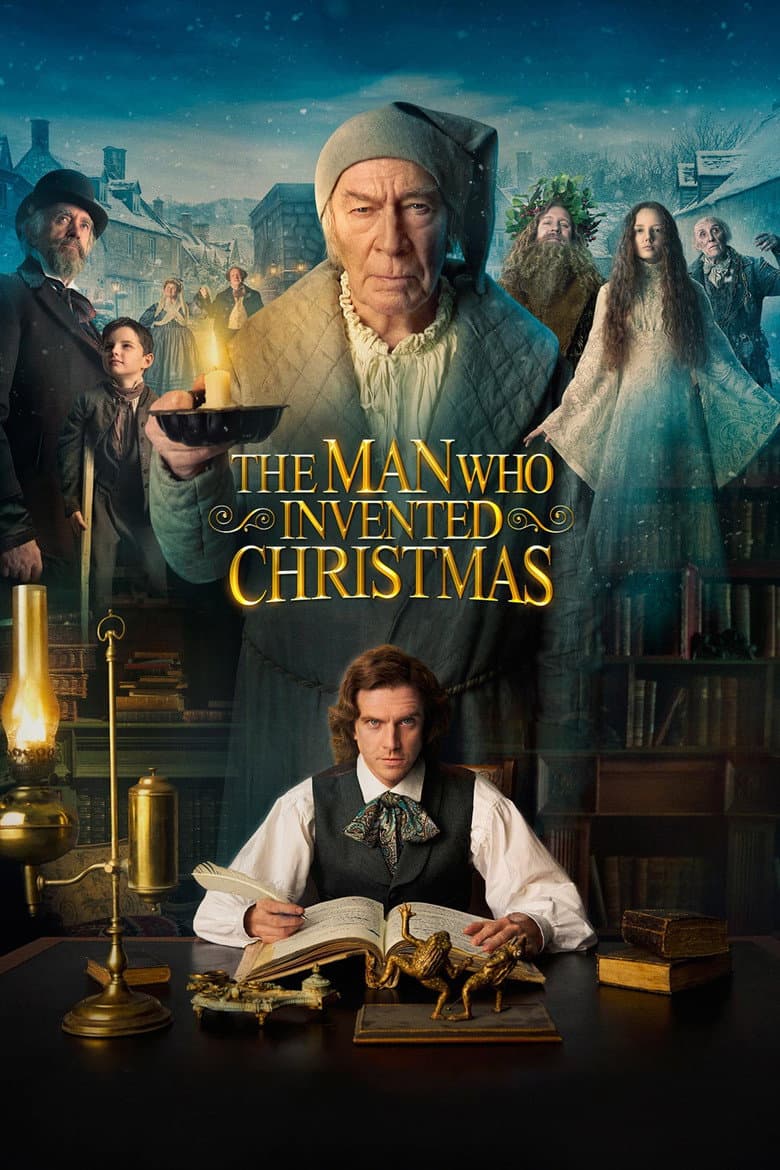
Movie · 2017
In 1843, despite the fact that Dickens is a successful writer, the failure of his latest book puts his career at a crossroads, until the moment when, struggling with inspiration…
