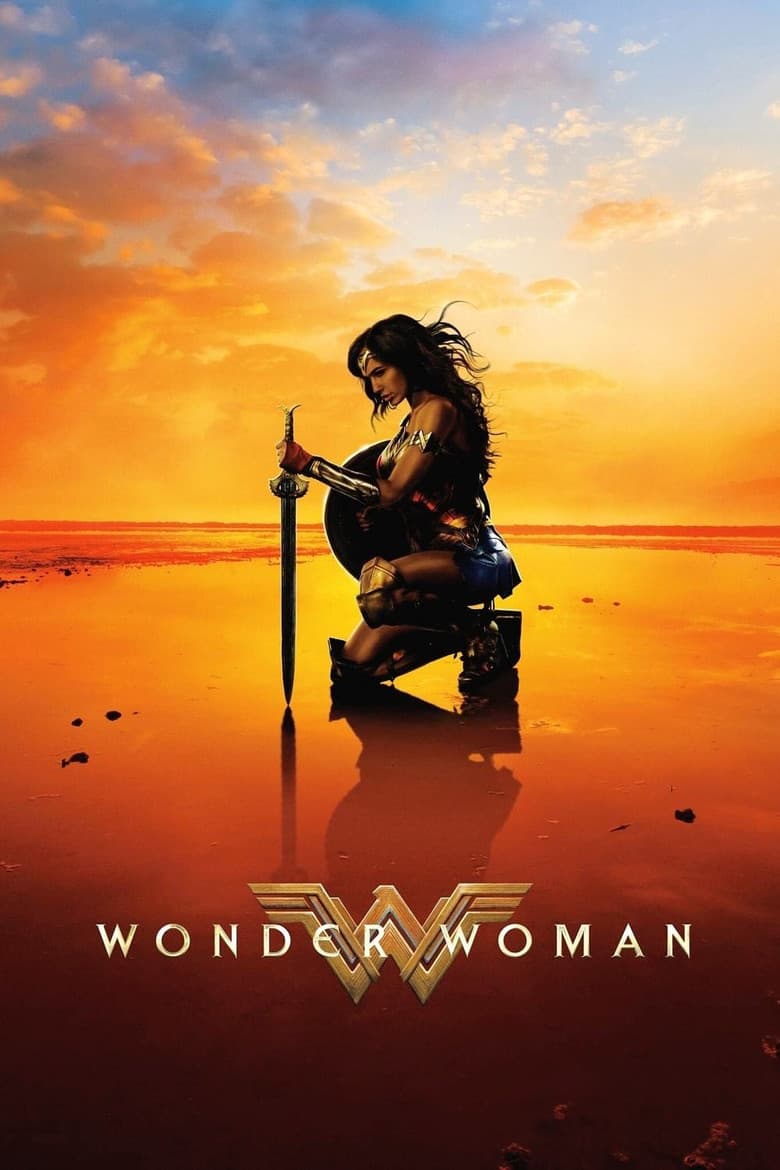
This movie tells the story of an Amazon princess who leaves her home to help end World War I. She believes a bad god is causing the war and fights alongside a male pilot. The film features strong themes of female power and independence. These themes are visible as she fights and shows great strength, but the story is a classic tale of love and heroism.
Community feedback
Was our 34% Woke rating accurate?
Breakdown
These are the editorial factors and ratings behind our score for Wonder Woman.
Woke representation / casting
The film shows an all-female warrior society on the island of Themyscira, which includes some racial diversity. The main human supporting characters also include an Arab actor and a native American actor. One character briefly mentions not being able to act because of the color of his skin. These casting choices are visible to the audience but are integrated naturally into the historical setting of World War I. There is no LGBTQ+ casting or representation in the movie.
20%
Woke political dialogue
The movie contains a few lines of light feminist dialogue. Diana says that men are not necessary for pleasure according to her books. Another character, Etta Candy, explains that she works as a secretary and wants to win the right to vote, which Diana compares to slavery. These lines stand out to some viewers but they are minor and do not turn into long political lectures.
25%
Identity-driven story themes
The main themes of the film focus on female strength, independence, and classic heroism. While the movie highlights a female lead who can fight as well as any man, the story avoids modern identity politics. Diana's ultimate strength comes from her love and grief for a man, Steve Trevor. The main story is a classic battle of good versus evil without any LGBTQ+ themes.
10%
Western institutional / cultural critique
The film shows Diana clashing with the traditional, male-dominated British war council of the 1910s. Men in power look down on her because she is a woman. The movie critiques the cruelty of World War I, but it frames this as the work of a bad god rather than a modern activist attack on Western culture or systems.
15%
Woke character or canon changes
Not relevant. The film is highly faithful to the character's long-established comic book lore, adapting Diana's origin as an Amazon warrior from Themyscira and her departure during World War I without introducing any woke, identity-driven, or DEI-focused changes to the core canon or characters.
0%
Anti-woke backlash and complaints
Some commentators worried the movie would have preachy feminist messages before it came out, but these fears went away when the film actually released. The main controversy was about the film's marketing, where movie theaters held special women-only screenings. Men complained that these screenings were discriminatory, and some filed successful legal complaints.
35%
Creator track record context
The key creators have a mixed history. Screenwriter Allan Heinberg is a queer writer who supports LGBTQ+ visibility, though his script for this film does not feature it. Director Patty Jenkins champions women's power in Hollywood but rejects aggressive feminist critiques. Original creator William Moulton Marston was a historical feminist, while the rest of the crew scores low.
28%
Production
Movie · 2016
Fearing the actions of a god-like Super Hero left unchecked, Gotham City’s own formidable, forceful vigilante takes on Metropolis’s most revered, modern-day savior, while the…
Movie · 2016
A common thief joins a mythical god on a quest through Egypt.
Movie · 2016
The peaceful realm of Azeroth stands on the brink of war as its civilization faces a fearsome race of invaders: orc warriors fleeing their dying home to colonize another.
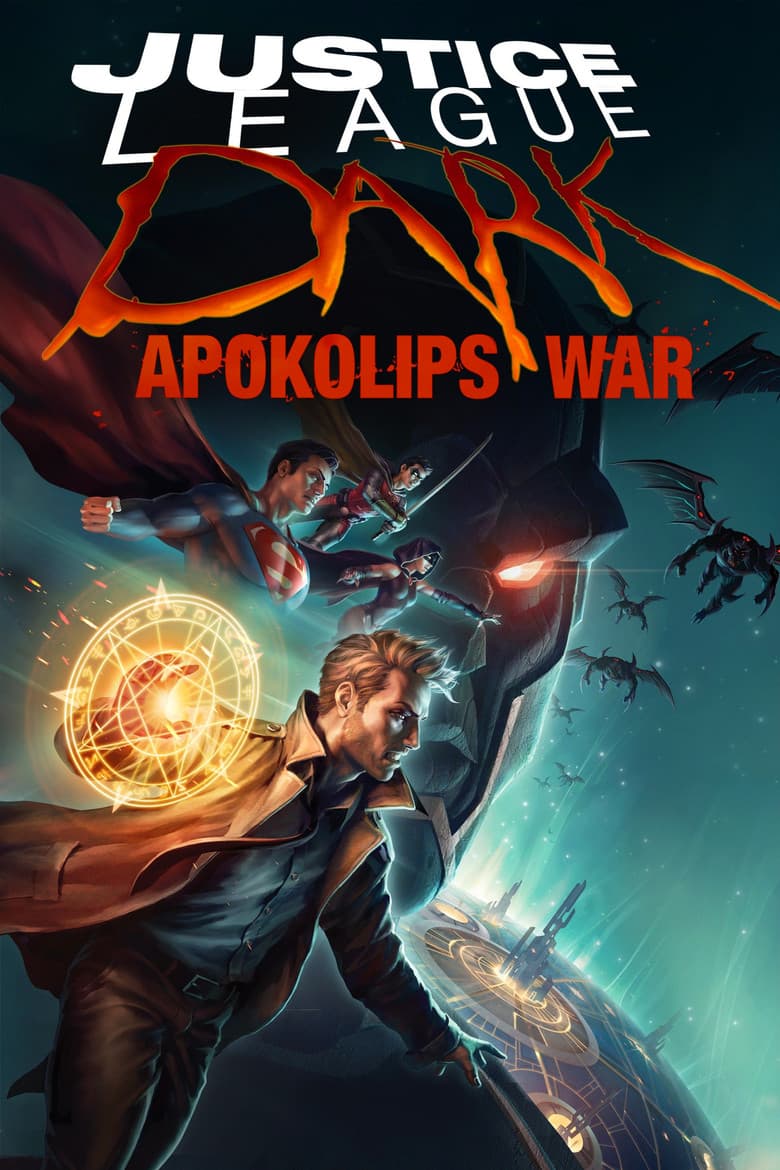
Movie · 2020
Earth is decimated after intergalactic tyrant Darkseid has devastated the Justice League in a poorly executed war by the DC Super Heroes.
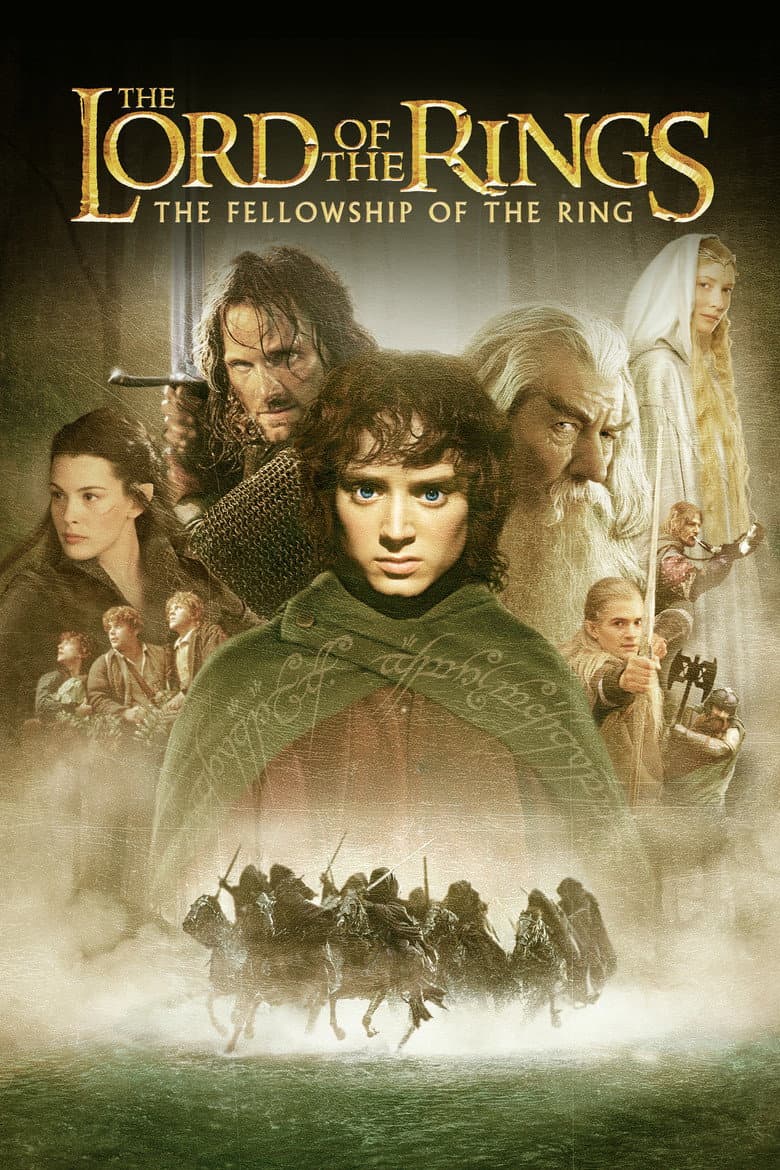
Movie · 2001
Young hobbit Frodo Baggins, after inheriting a mysterious ring from his uncle Bilbo, must leave his home in order to keep it from falling into the hands of its evil creator.
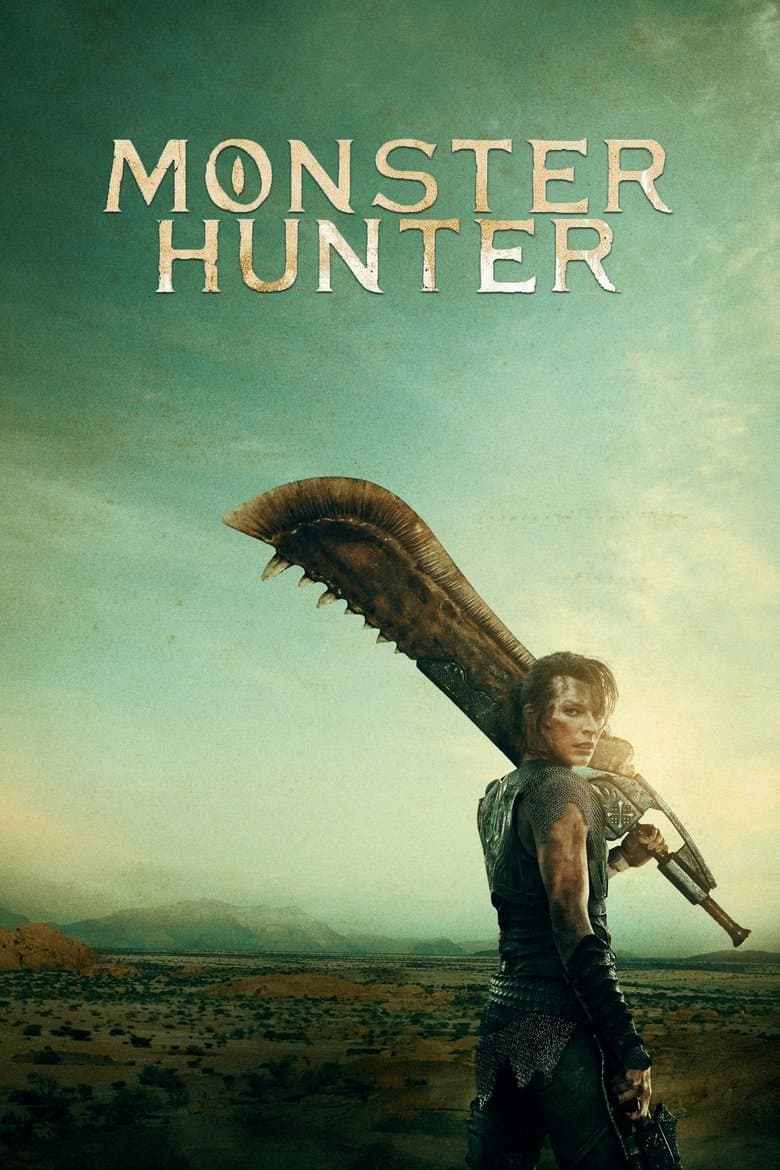
Movie · 2020
A portal transports Cpt. Artemis and an elite unit of soldiers to a strange world where powerful monsters rule with deadly ferocity.
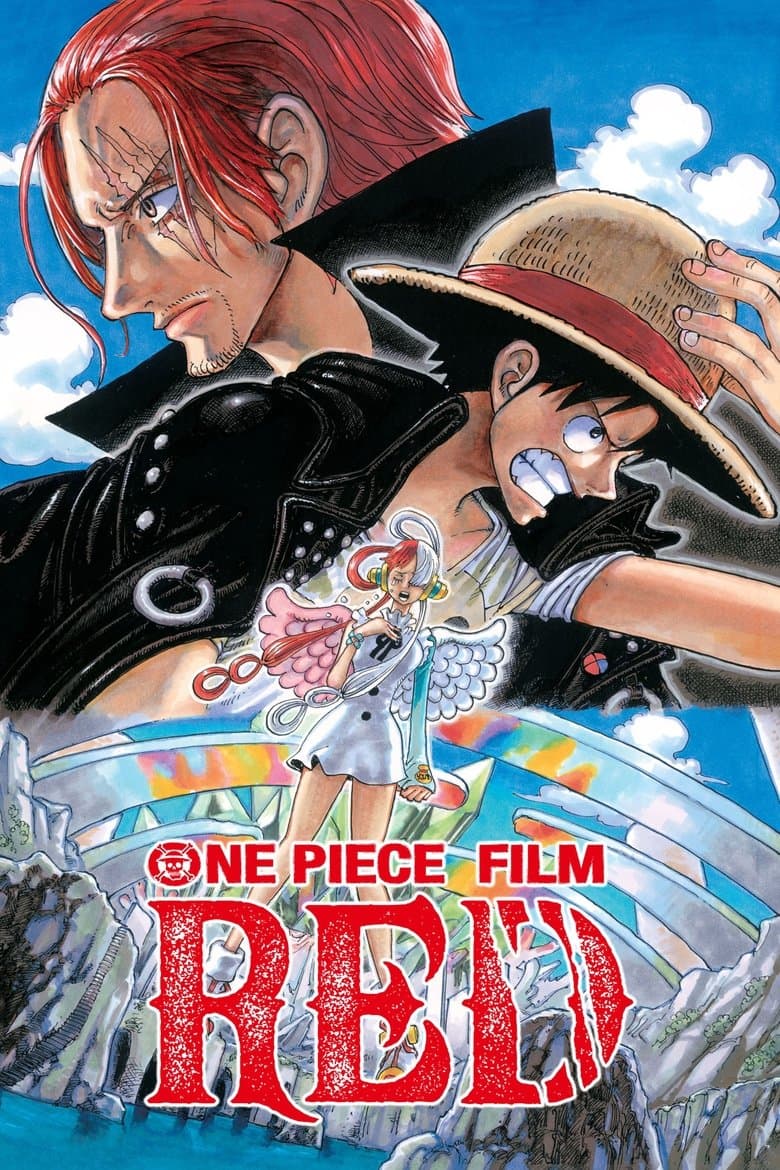
Movie · 2022
A new adventure begins for Luffy and his crew when mysterious pop superstar Uta unveils her identity — and launches a misguided plan for world peace.
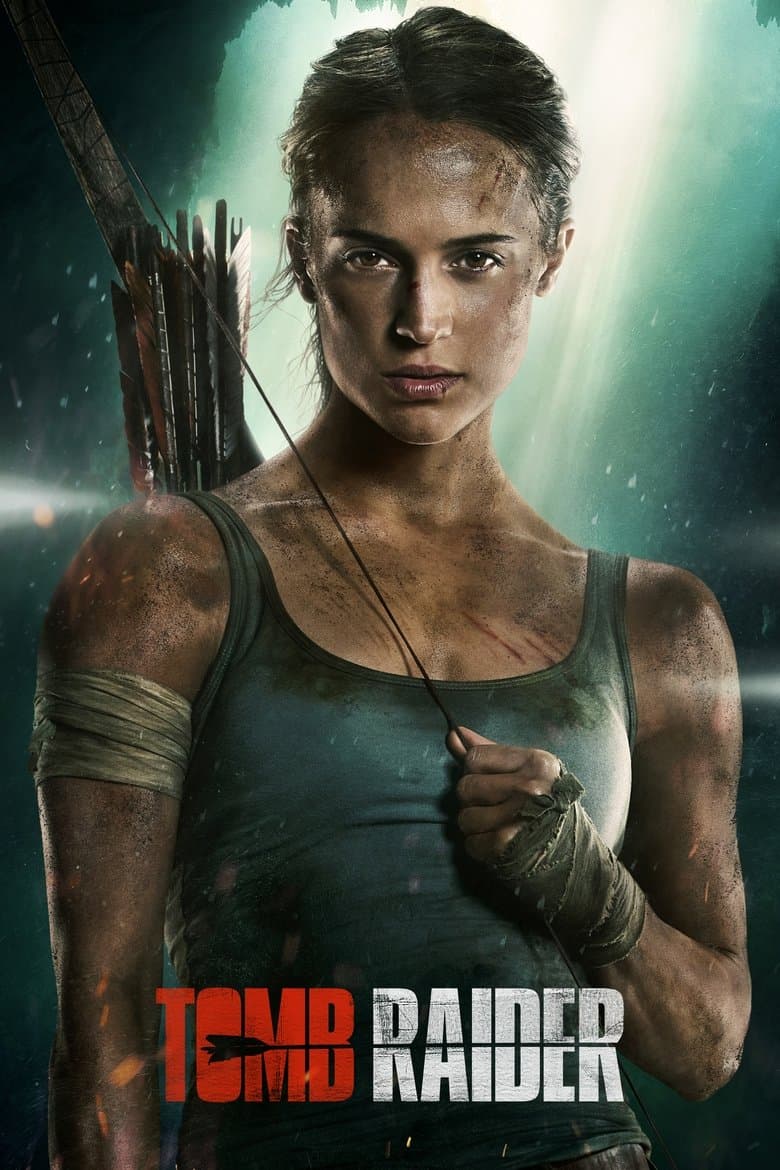
Movie · 2018
Lara Croft, the fiercely independent daughter of a missing adventurer, must push herself beyond her limits when she finds herself on the island where her father disappeared.
