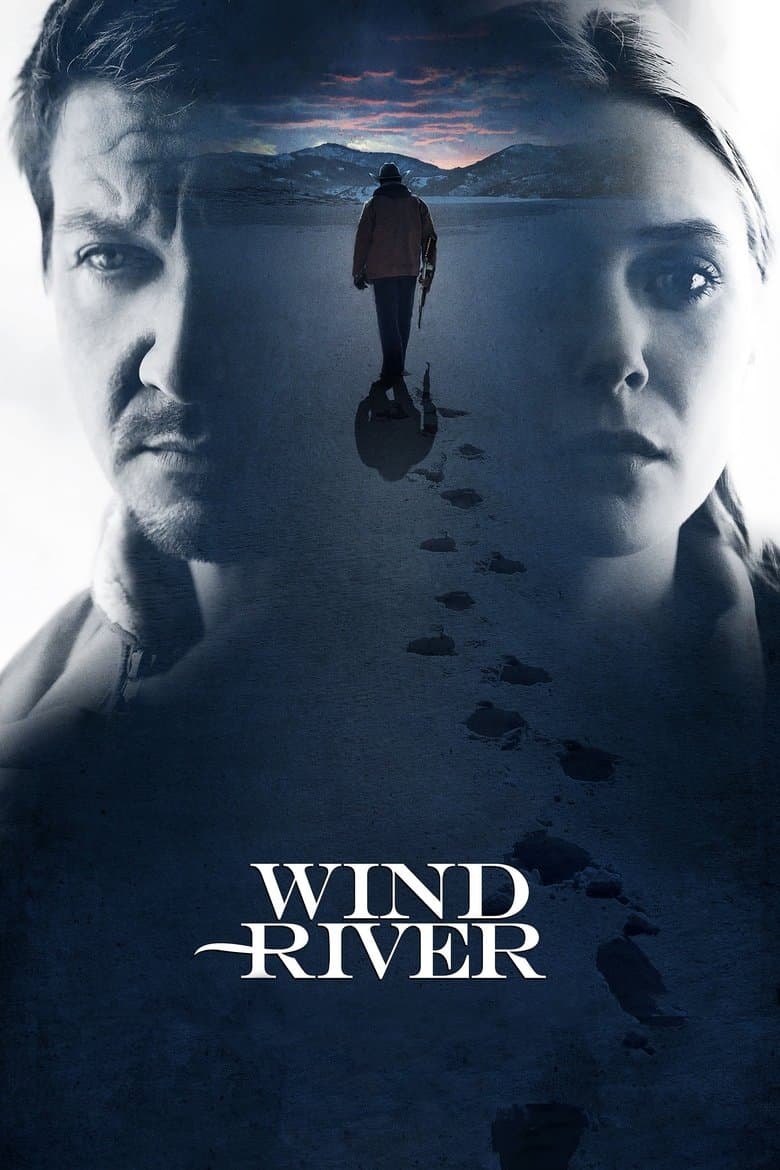
A tracker and a new FBI agent look into the rape and murder of a native teen on Wyoming’s Wind River Reservation. The story is a neo-Western crime thriller set on tribal land. They face hard ground, limited help, and a case that points toward men working oil-site security. The film ends with an on-screen note about missing native women.
The main social focus is violence against an Indigenous woman and the crisis of missing native women. The story also shows gaps between federal and tribal justice, weak reservation law support, and victims who get little attention. Talk stays on jurisdiction, backup, and system failure rather than identity lectures. The issue frame is strongest in the premise and the closing title card, while most of the runtime stays with grief, tracking, and revenge.
Community feedback
Was our 40% Woke rating accurate?
Breakdown
These are the editorial factors and ratings behind our score for Wind River.
Woke representation / casting
The FBI lead is a woman, which is a modern casting choice. Native roles make sense because the story is set on a reservation. The main tracker and FBI agent are both white. This does not read as diversity-quota casting.
10%
Woke political dialogue
Characters talk about who has power to investigate and the lack of backup for a murder on the reservation. They focus on system failure around the case. The dialogue is not full of identity-politics lectures or activist buzzwords.
20%
Identity-driven story themes
The central crime is violence against an Indigenous woman. The film ends with statistics about missing native women. The story is built to put that real crisis in front of the audience.
48%
Western institutional / cultural critique
The film shows gaps between federal and tribal justice. Reservation law is short on resources, and Indigenous victims are easy to ignore. Oil-site security men act as the predators.
38%
Woke character or canon changes
Not present in this title.
0%
Anti-woke backlash and complaints
Not present. There was no major right-side campaign calling the film too woke or DEI. Most pushback was about white-savior framing and who should tell native stories.
0%
Creator track record context
Writer-director Taylor Sheridan and the main producers are not known as activist or DEI figures. Sheridan is known elsewhere for anti-woke cultural comments.
8%
Production
Movie · 2021
A cold and mysterious new security guard for a Los Angeles cash truck company surprises his co-workers when he unleashes precision skills during a heist.
Movie · 2024
While awaiting the next fuel truck at a middle-of-nowhere Arizona rest stop, a traveling young knife salesman is thrust into a high-stakes hostage situation by the arrival of two…
Movie · 2021
The seemingly casual reunion of three old friends at an out-of-the-way repair shop masks a hidden agenda fuelled by the arrival of a privileged young yuppie.
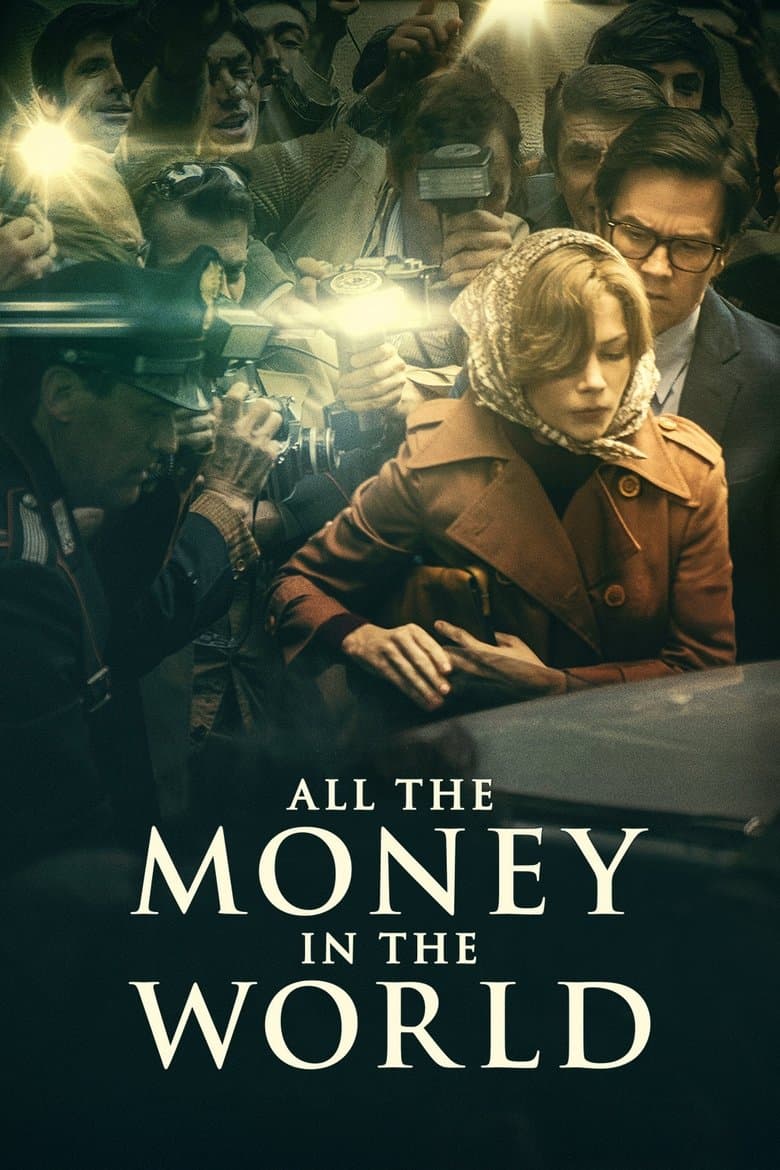
Movie · 2017
The story of the kidnapping of 16-year-old John Paul Getty III and the desperate attempt by his devoted mother to convince his billionaire grandfather Jean Paul Getty to pay the…
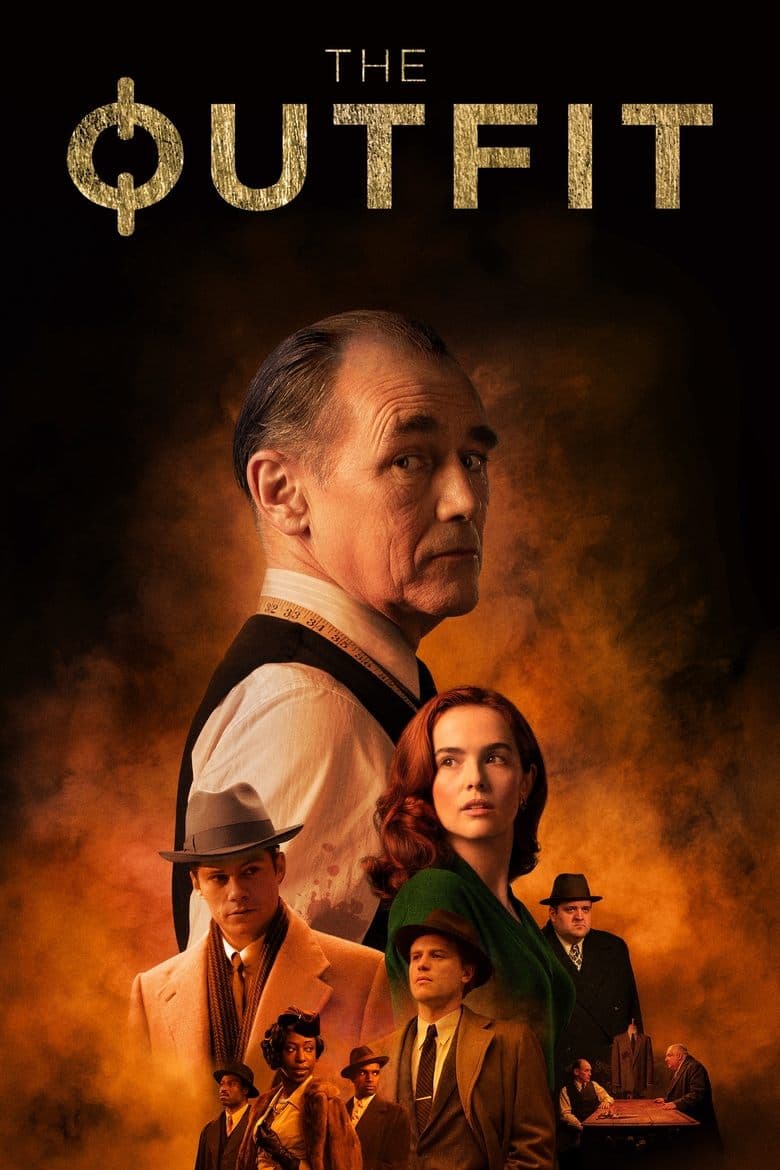
Movie · 2022
Leonard is an English tailor who used to craft suits on London’s world-famous Savile Row. After a personal tragedy, he’s ended up in Chicago, operating a small tailor shop in a…
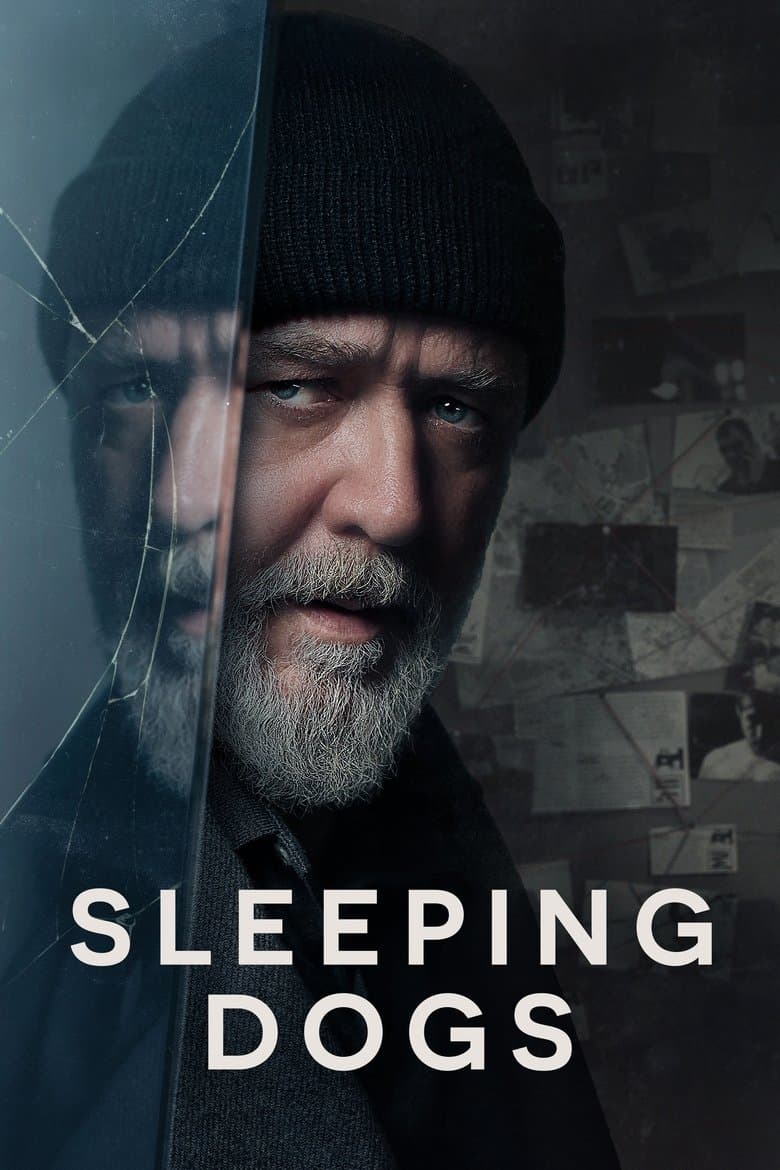
Movie · 2024
Roy Freeman, an ex-homicide detective with a fractured memory, is forced to revisit a case he can't remember.
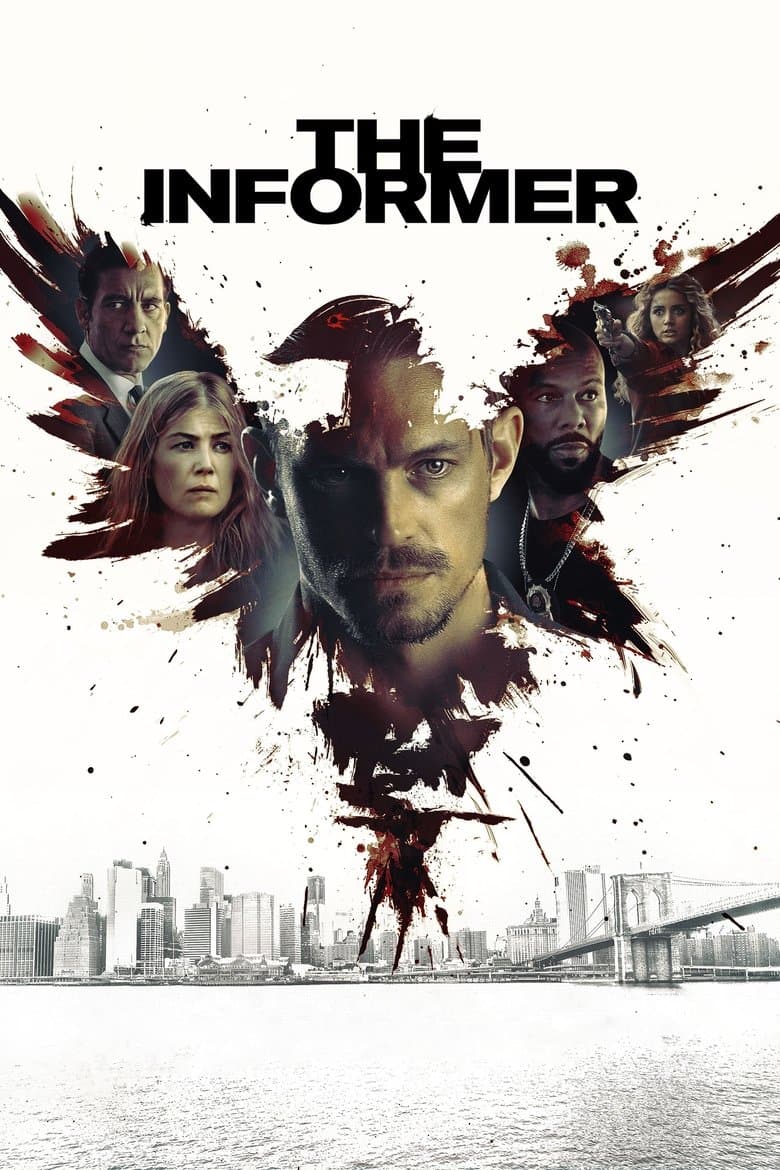
Movie · 2019
In New York, former convict Pete Koslow, related to the Polish mafia, must deal with both Klimek the General, his ruthless boss, and the twisted ambitions of two federal agents…
Movie · 2019
A charismatic New York City jeweler always on the lookout for the next big score makes a series of high-stakes bets that could lead to the windfall of a lifetime.
