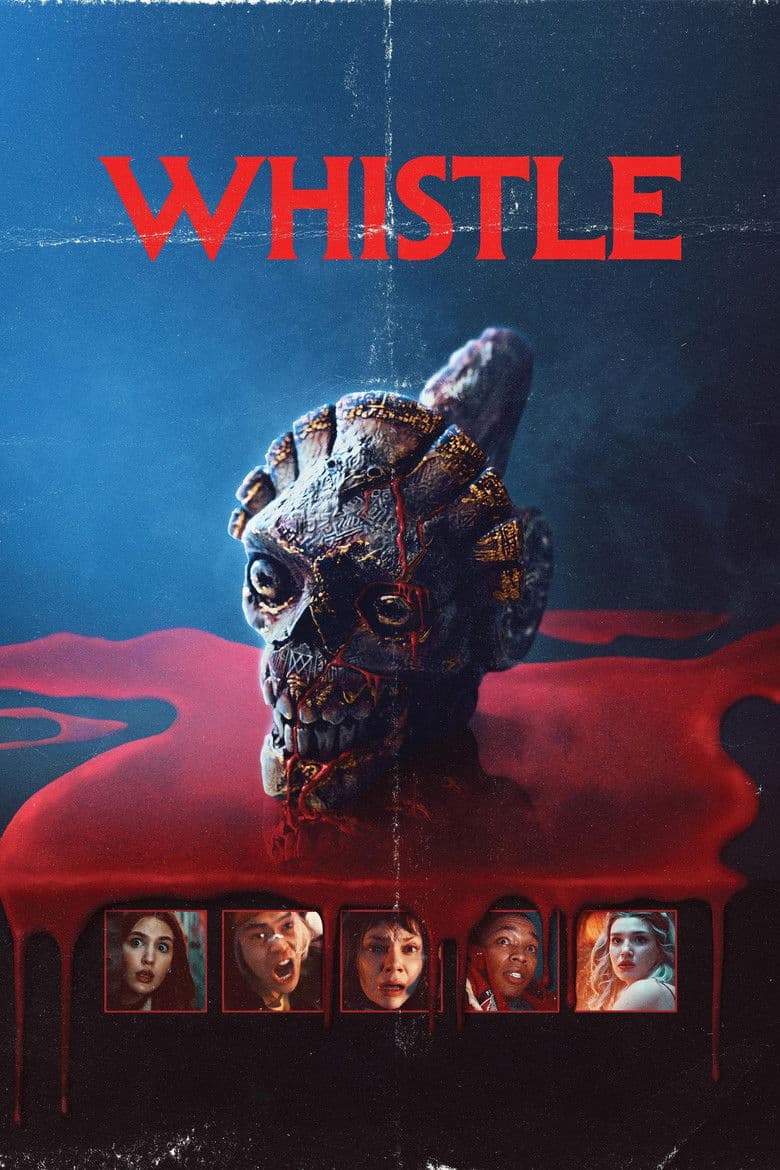
Whistle follows Chrys Willet, a troubled new student who moves to a steel town after her father's death. She finds a skull-shaped Aztec death whistle in the locker of a dead basketball player. When the whistle is heard, each listener's future death comes early and hunts them through the school and town. Chrys, her cousin Rel, and their classmates race to learn the curse's rules while gruesome visions and death scenes turn a teen friendship story into a dark supernatural thriller.
Chrys is also trying to come out as gay while she falls for Ellie, a kind student who wants to become a doctor. The two girls support each other, try to escape the curse, survive, and end the story together. The film presents their relationship as a source of courage and hope, not as a side joke. The rest of the story stays focused on fate, grief, teenage fear, friendship, and creative supernatural deaths.
Community feedback
Was our 53% Woke rating accurate?
Breakdown
These are the editorial factors and ratings behind our score for Whistle.
Woke representation / casting
The movie puts two girls at the center of its teen group, and their lesbian romance is a major visible part of the cast. Named classmates include Sky Yang's Asian character Rel and Jhaleil Swaby's black character Dean. The varied friend group is visible in the main cast, not only in the background. Interviews and promotion repeatedly present the film as queer or sapphic, making the casting part of a clear identity presentation.
30%
Woke political dialogue
Not present. The students discuss the curse, grief, school life, and personal feelings. The movie has no clear speeches about politics, DEI, or activist causes.
0%
Identity-driven story themes
Chrys is a gay teenager who is trying to open up to Ellie, and the two girls become a couple. The romance runs through the curse plot instead of appearing in one brief scene. Chrys and Ellie work together to survive, and the relationship gives Chrys a reason to keep fighting. The ending leaves them alive, together, and hopeful.
78%
Western institutional / cultural critique
Not present. A corrupt youth pastor appears as a horror villain, but the movie does not attack Christianity or schools as institutions. The main conflict is the curse, grief, and survival, not a modern critique of Western society.
0%
Woke character or canon changes
Not relevant. The movie is an original story based on Owen Egerton's short story. It does not change established characters, canon, or real historical figures for identity reasons.
0%
Anti-woke backlash and complaints
One small X account mocked the film as “Lesbian X-23 joins Diversity High” and complained about “DEI friends.” A few tiny trailer accounts mentioned a woke-free score, but they drew almost no attention. Small Reddit comments also objected to the lesbian storyline. No broad anti-woke campaign or major review-bomb effort appeared.
15%
Creator track record context
Corin Hardy is scored at 10/100 and is known mainly for horror films. Owen Egerton is scored at 23/100 and is known mainly for genre writing, with no documented pattern of identity activism. The cached producer scores range from 8 to 20 and show no documented activist or DEI track record.
16%
Production
Movie · 2022
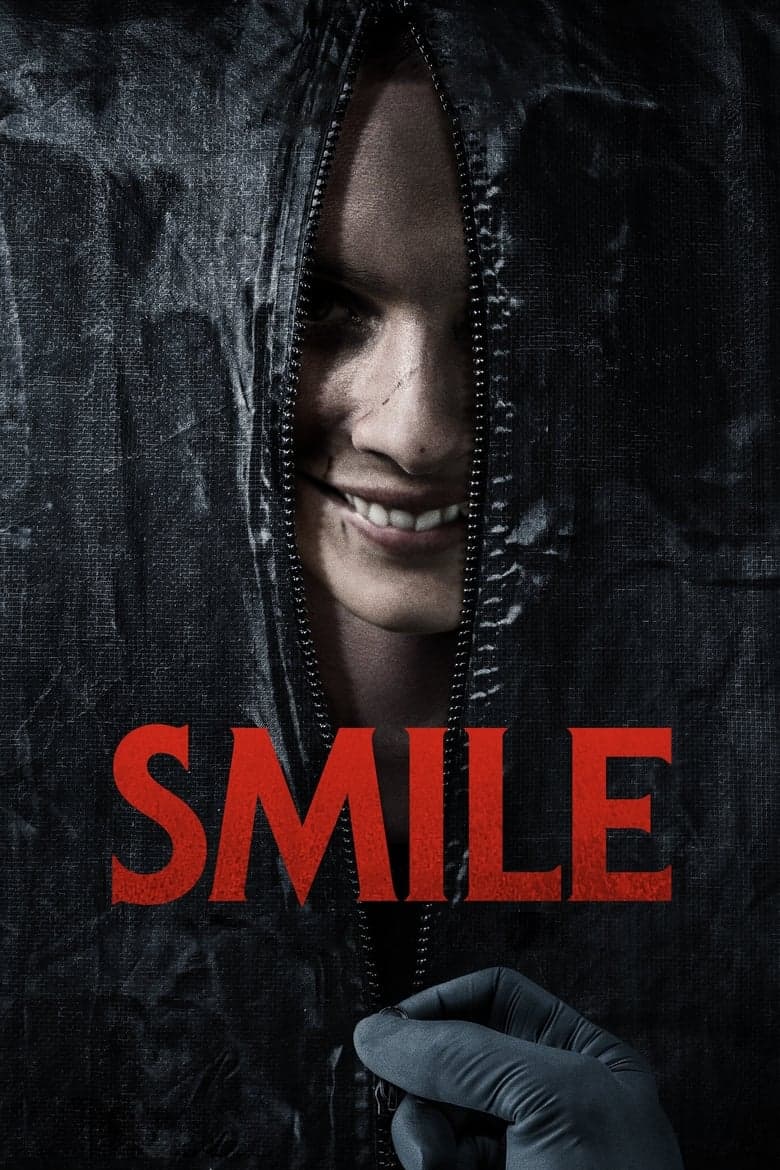
After witnessing a bizarre, traumatic incident involving a patient, Dr. Rose Cotter starts experiencing frightening occurrences that she can't explain.
Movie · 2017
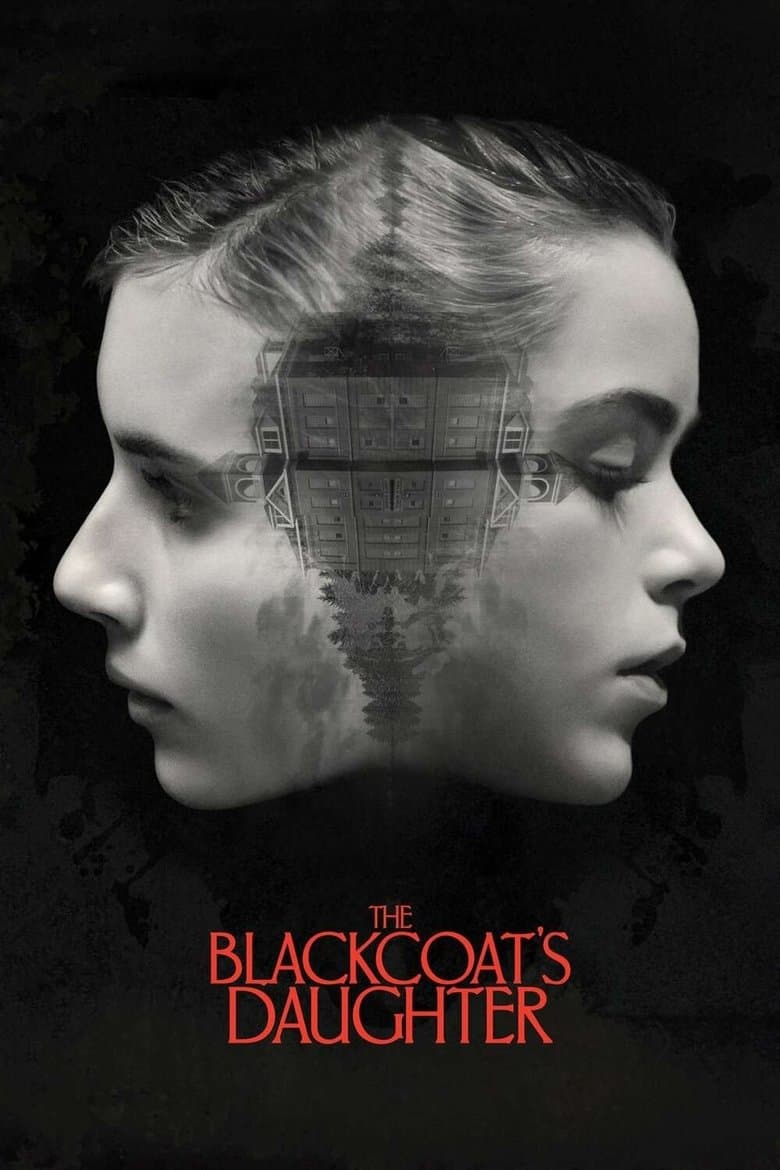
Two young women at a prestigious prep school are assailed by an evil, invisible power when they're stranded over winter break.
Movie · 2023
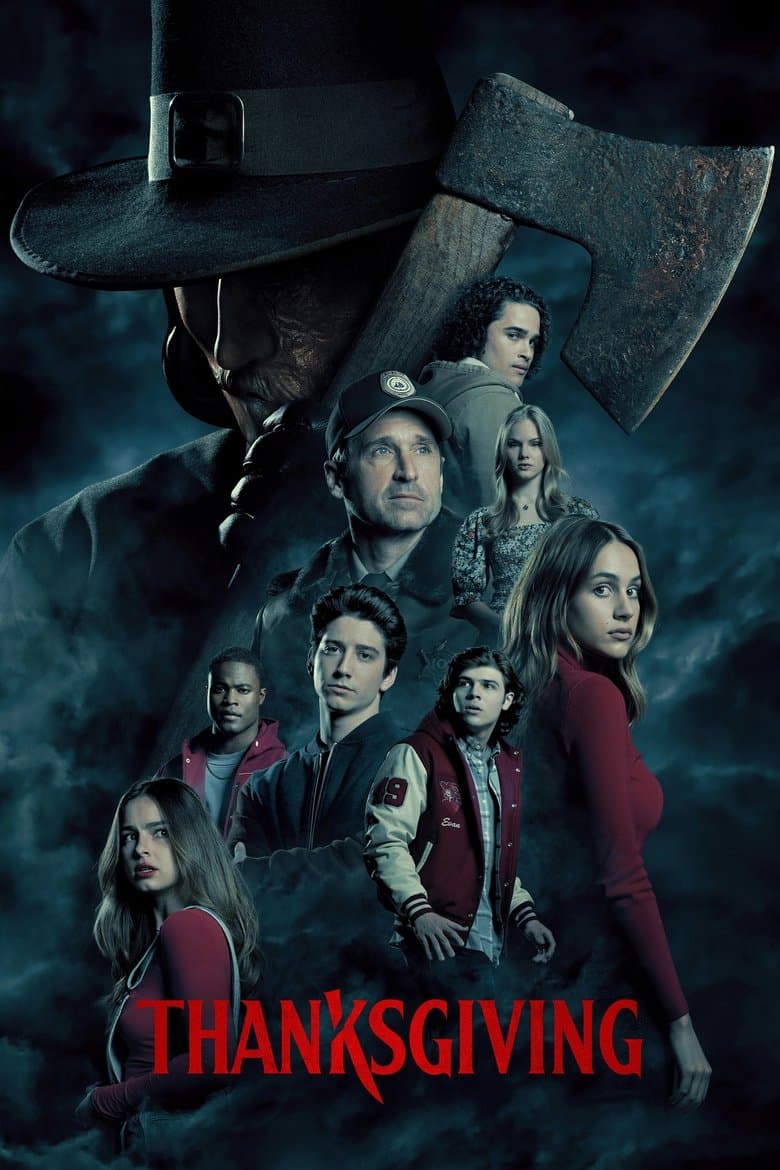
After a Black Friday riot ends in tragedy, a mysterious Thanksgiving-inspired killer terrorizes Plymouth, Massachusetts - the birthplace of the holiday.
Movie · 2017
After a mysterious global crisis, a young girl is left alone to hide from a malevolent power that stalks her home.
Movie · 2021
A small-town Oregon teacher and her brother, the local sheriff, discover a young student is harbouring a dangerous secret that could have frightening consequences.
Movie · 2023
Jess, a newly separated mother and nurse, moves into her old family farmhouse with Tyler, her teenage daughter, and Owen, her eight-year-old son.
Movie · 2016
Father and son coroners receive a mysterious unidentified corpse with no apparent cause of death. As they attempt to examine the "Jane Doe," they discover increasingly bizarre…
Movie · 2021
A lone drifter suffering from partial memory loss accepts a job to look after a psychologically troubled woman in an abandoned house on an isolated island.
