Movie review
August 18, 2017 · 123 min · R · Sci-Fi · Mystery · Action · Thriller
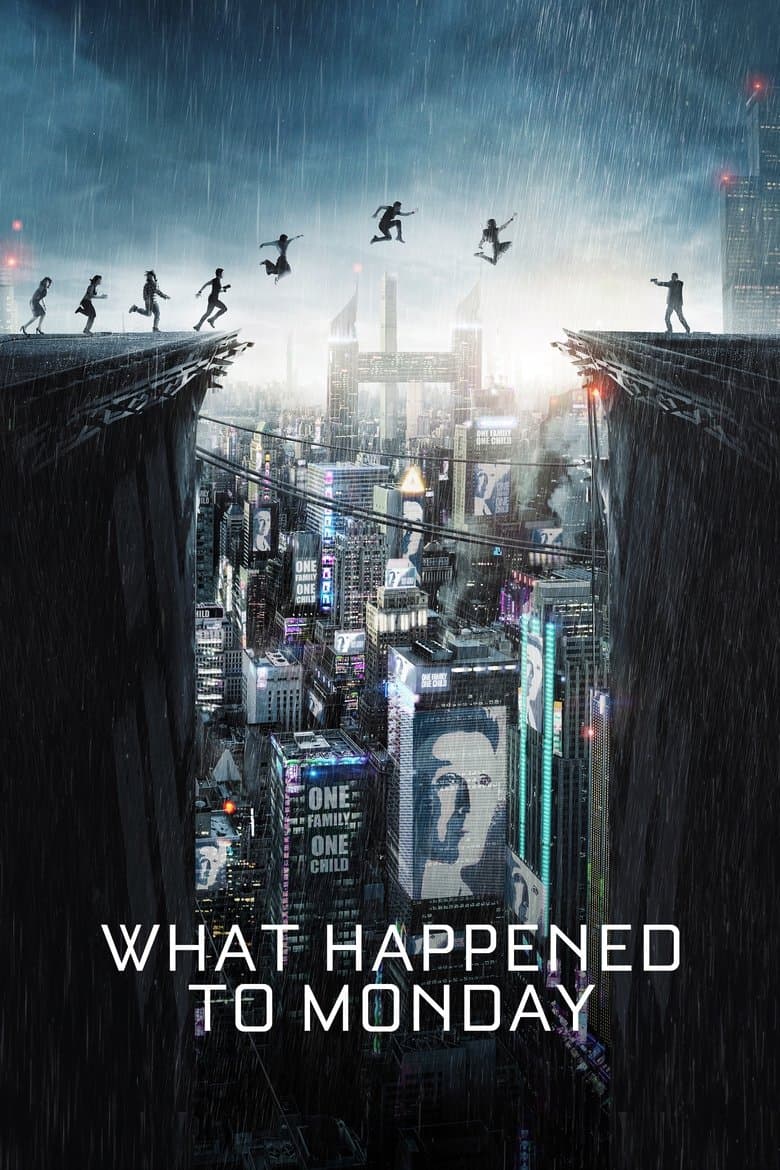
In 2073, a crowded and damaged Europe allows each family to have only one child. Noomi Rapace plays seven sisters who hide in one apartment and take turns living outside as Karen Settman. When Monday disappears, the other sisters search for her while the Child Allocation Bureau hunts them. The film mixes a tense mystery with violent action and dark family drama.
The clearest woke element is the choice to place seven women at the center of a story that was first written about seven brothers. The sisters include fighters, a computer expert, a business worker, and a pregnant woman whose children are threatened by the state. The story supports personal freedom and control over childbirth while treating the Bureau’s policy as cruel and corrupt. Its main themes are family loyalty, private identity, and resistance to government power, while race and sexuality stay outside the main conflict.
Community feedback
Was our 34% Woke rating accurate?
Breakdown
These are the editorial factors and ratings behind our score for What Happened to Monday.
Woke representation / casting
The film puts seven women at the center, and Noomi Rapace plays all of them. The sisters include fighters, a computer expert, a business worker, and a leader. Director Tommy Wirkola said the early script used seven brothers, but he changed them to sisters because the group felt more interesting and because more women could take action roles. The film has no diversity-first group of characters, so the signal is mainly its strong female focus.
38%
Woke political dialogue
The opening speech blames rising population, food shortages, climate change, and genetically changed crops for the crisis. The campaign speeches defend a one-child law as a way to save the planet and future children. The film does not use modern race, class, or party slogans, so this is a small environmental and population-policy signal.
16%
Identity-driven story themes
The sisters spend their lives hiding their separate selves inside one public identity. The story makes personal freedom, family duty, and control over childbirth central to the conflict. Monday’s pregnancy gives the plot a clear focus on a woman protecting her unborn children from the state. The film treats these issues as personal and family struggles rather than a wider race or sexuality campaign.
30%
Western institutional / cultural critique
The Child Allocation Bureau watches citizens, hides the truth about extra children, and kills children while claiming to protect the future. The story condemns state control over women’s childbirth and ends with the law being abolished. The target is a fictional strict government, not capitalism, religion, or traditional family life, so the woke signal stays low.
14%
Woke character or canon changes
Not relevant. (original screenplay with no source material, historical figures, or canon reinterpretations).
0%
Anti-woke backlash and complaints
Not present. No backlash exists claiming the title pushes woke, activist, identity-political, or left-wing messaging; all available coverage and discussion either ignore politics or note conservative-leaning undertones instead.
0%
Creator track record context
Tommy Wirkola has a cached score of 11/100, while José David Montero, Max Botkin, and Kerry Williamson have cached scores of 0/100. Their stored summaries describe horror, action, and commercial genre work rather than a strong activist record. Casting director Gillian Hawser has a cached score of 75/100 for public diversity work, which fits the film’s women-centered casting choice. The wider creator context adds a mild signal, but it does not drive the story.
18%
Production

Movie · 2017
An assassin seeks redemption after being given a second chance at life.

Movie · 2021
A former special forces agent is trapped in a time loop and relives his death over and over again. To escape the terrible situation, he must track down those responsible and stop…

Movie · 2021
After civilization succumbs to a deadly pandemic and his wife is murdered, a special forces soldier abandons his duty and becomes a hermit in the Nordic wilderness.

Movie · 2023
When a tech blogger lands an interview with a tech guru and stops an attack on him, he finds a mysterious ring that takes him back 57 seconds into the past.

Movie · 2017
Master car thieves square off against French gangsters in the South of France with money, women and lives all on the line.

Movie · 2026
In the near future, a detective stands on trial accused of murdering his wife. He has ninety minutes to prove his innocence to the advanced AI Judge he once championed, before it…

Movie · 2024
Post-apocalyptic survivors find refuge in the Rocky Mountains to hide from giant, insect-like creatures that can't live above 8,000 feet.

Movie · 2018
A married couple suspect that the 'smart apartments' in their high tech residence are being used by its owner for sinister reasons.
