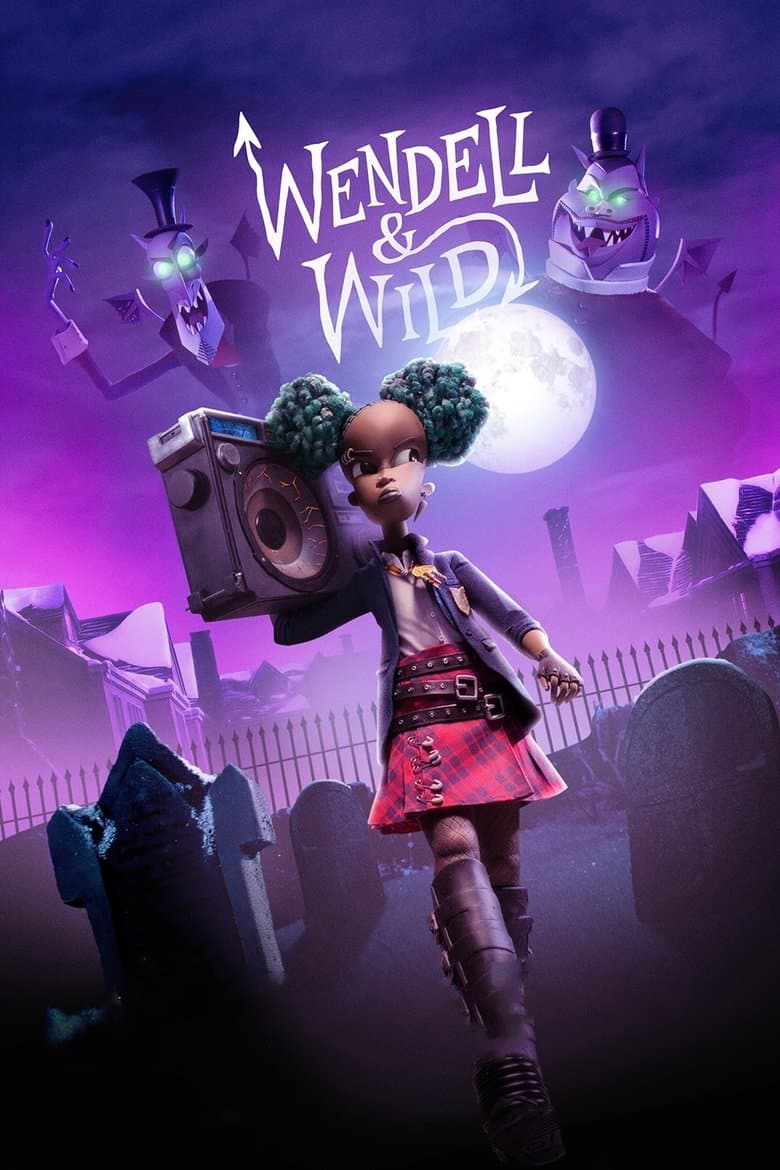
Movie review
October 21, 2022 · 105 min · PG-13 · Horror · Fantasy · Animation · Comedy · Adventure
Kat is a tough teen who blames herself for her parents’ death. She gets sent to a Catholic girls school in her dying hometown of Rust Bank. Two demon brothers, Wendell and Wild, make a deal with her so they can leave the underworld. The tone is dark, funny, and strange stop-motion horror for older kids and teens.
Viewers will notice clear social messaging. Kat is a black punk girl lead chosen so kids of color could see themselves on screen. Her classmate Raúl is a trans boy, shown with a past photo and a deadname moment, and the film was sold as a big step for queer and diverse stop-motion. The main human villains are greedy private-prison bosses who plan a school-to-prison path to make money. Those prison themes and the inclusive casting are hard to miss. Normal viewers will pick up the identity focus and the anti-private-prison message without needing reviews.
Community feedback
Was our 89% Woke rating accurate?
Breakdown
These are the editorial factors and ratings behind our score for Wendell & Wild.
Woke representation / casting
Black teen lead Kat was made a person of color because Peele wanted kids of color to see themselves. Multiethnic cast and Angela Bassett/Ving Rhames-level supporting roles read as intentional. Raúl is a major trans boy character cast with a trans Latino actor. Press sold the film as diversifying stop-motion. Viewers notice the identity-forward casting easily.
78%
Woke political dialogue
Villains openly explain packing prisons, bad care, and no rehab for profit. Lines map the school-to-prison plan in plain speech. There is also talk about respecting names after a deadname moment. Dialogue is more “private prisons are evil” than constant identity lectures, but the political talk is clear and repeated.
58%
Identity-driven story themes
Core story mixes grief and demons with strong identity signals: black punk girl lead framed as representation, Afropunk world, and Raúl’s trans identity shown through school placement, a pre-transition photo, deadnaming, and friends learning to accept him. Marketing and creators framed inclusion as part of the point. Queer identity is visible and intentional, which raises this score.
76%
Western institutional / cultural critique
Main human plot attacks for-profit private prisons and the school-to-prison pipeline. Corporate bosses destroy a working town, buy the Catholic school, and plan to fill a new prison with kids who “fail.” Demons are less evil than greedy prison builders. That is modern activist-style critique of Western justice and money systems, front and center.
74%
Woke character or canon changes
Based on an unpublished Selick/Chapman story, not a famous franchise. Raúl was reshaped from a “goth loser kid” into a trans boy to justify a boy at an all-girls school. Kat became a person of color at Peele’s request. Those are identity-driven rewrites of the original concept, but not race-swaps of well-known public icons.
28%
Anti-woke backlash and complaints
Conservative and values sites plus some audience reviews call it preachy on prisons and object to a trans teen in Netflix animation. Social posts list it among “woke” kids titles. Complaints are real and on-topic for this score, but they never became a huge mainstream boycott story.
32%
Creator track record context
Key voices are Peele (51) and Chapman (52) on progressive social themes, Selick (32) with recent social-issue storytelling, and Monkeypaw cultural producer Oshundara (82). Other producers are lower. The team’s combined record supports social and representation-minded work without every name being activist-first.
48%
Production

Movie · 2019
A young boy is born as the reincarnation of a demonic power, into a society that hates and fears him. Destined by prophecy to bring destruction to the world, Nezha must choose…
Movie · 2023
Paul and Sophie, interns at a mysterious London firm, become steadily aware their employers Humphrey and Dennis are anything but conventional – they are disrupting the world of…
Movie · 2021
When single mom Callie and her two kids Trevor and Phoebe arrive in a small Oklahoma town, they begin to discover their connection to the original Ghostbusters and the secret…
Movie · 2018
In the future, an outbreak of canine flu leads the mayor of a Japanese city to banish all dogs to an island used as a garbage dump.
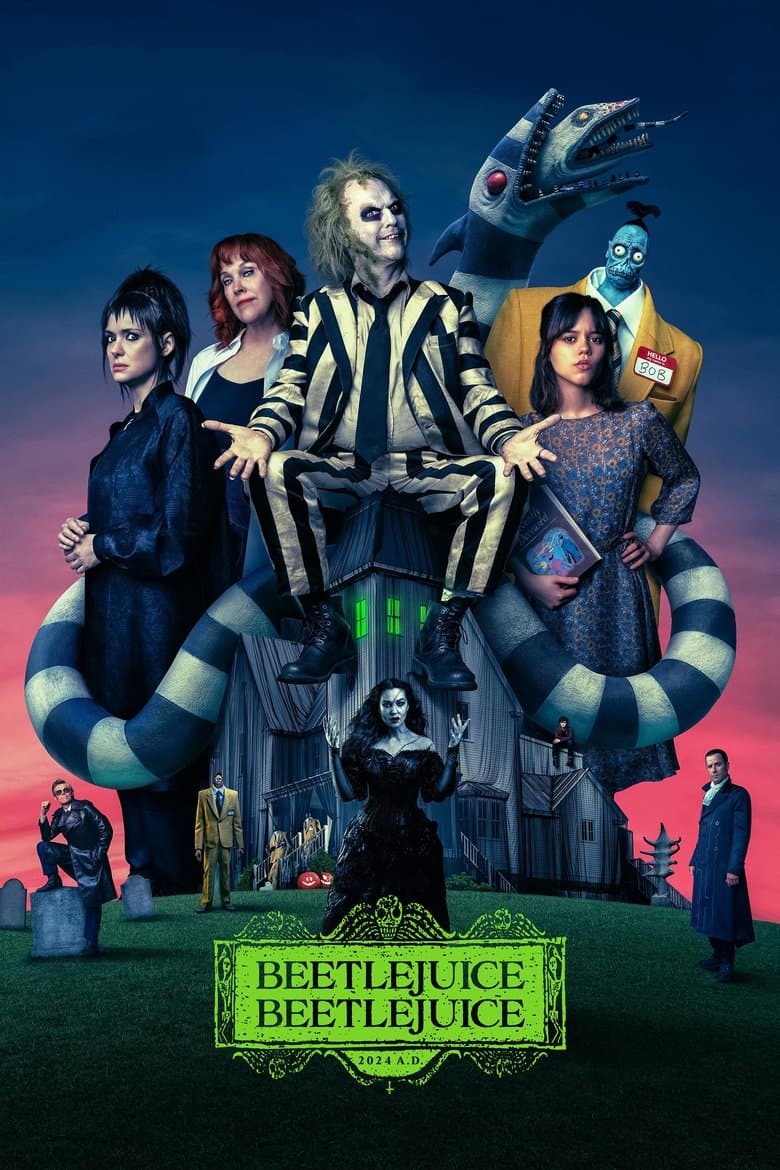
Movie · 2024
After a family tragedy, three generations of the Deetz family return home to Winter River. Still haunted by Betelgeuse, Lydia's life is turned upside down when her teenage…
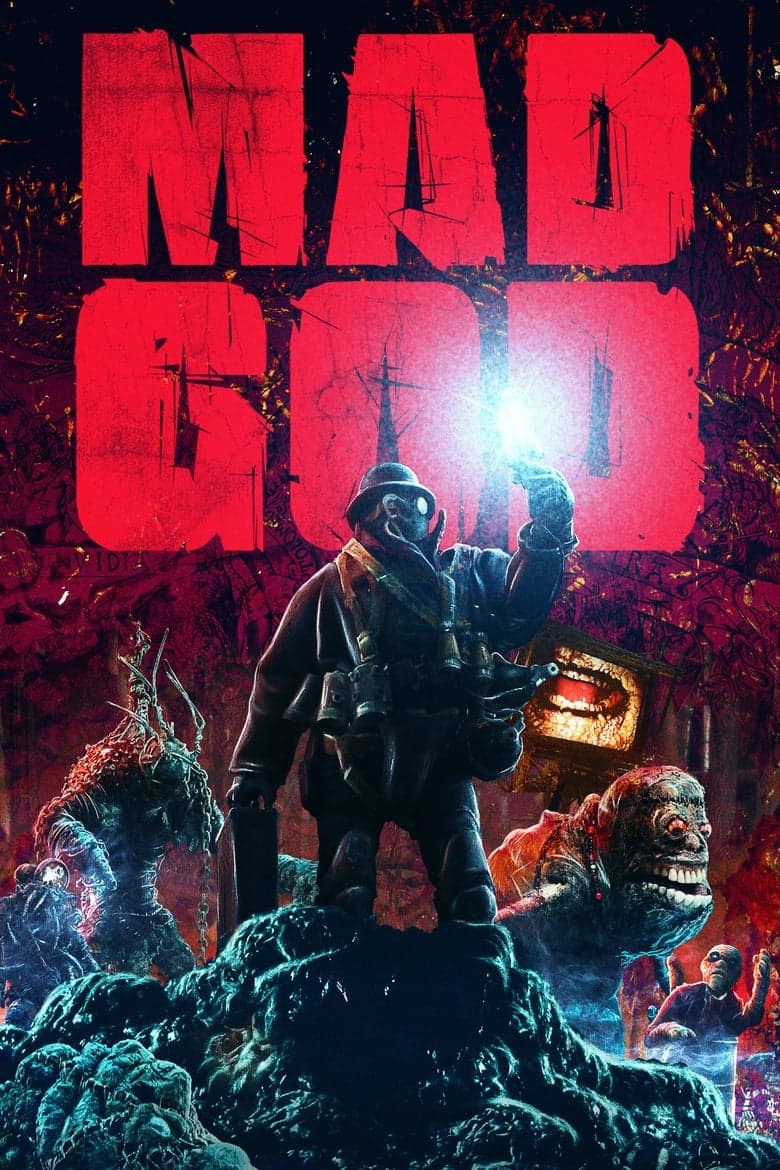
Movie · 2021
A figure known as "The Assassin" descends from the heavens into a nightmarish pit full of monsters, titans, and cruelty.
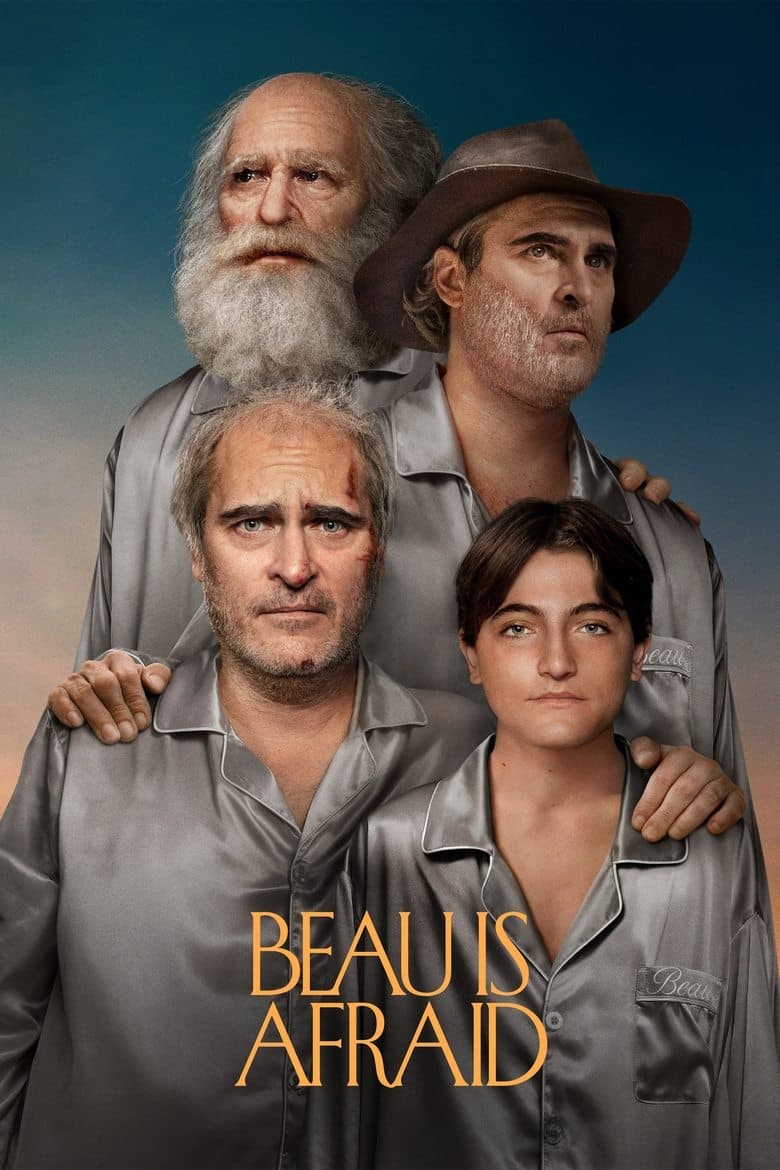
Movie · 2023
Following the sudden death of his mother, a mild-mannered but anxiety-ridden man confronts his darkest fears as he embarks on an epic odyssey back home.

Movie · 2019
As the gang return to Jumanji to rescue one of their own, they discover that nothing is as they expect. The players will have to brave parts unknown and unexplored in order to…
