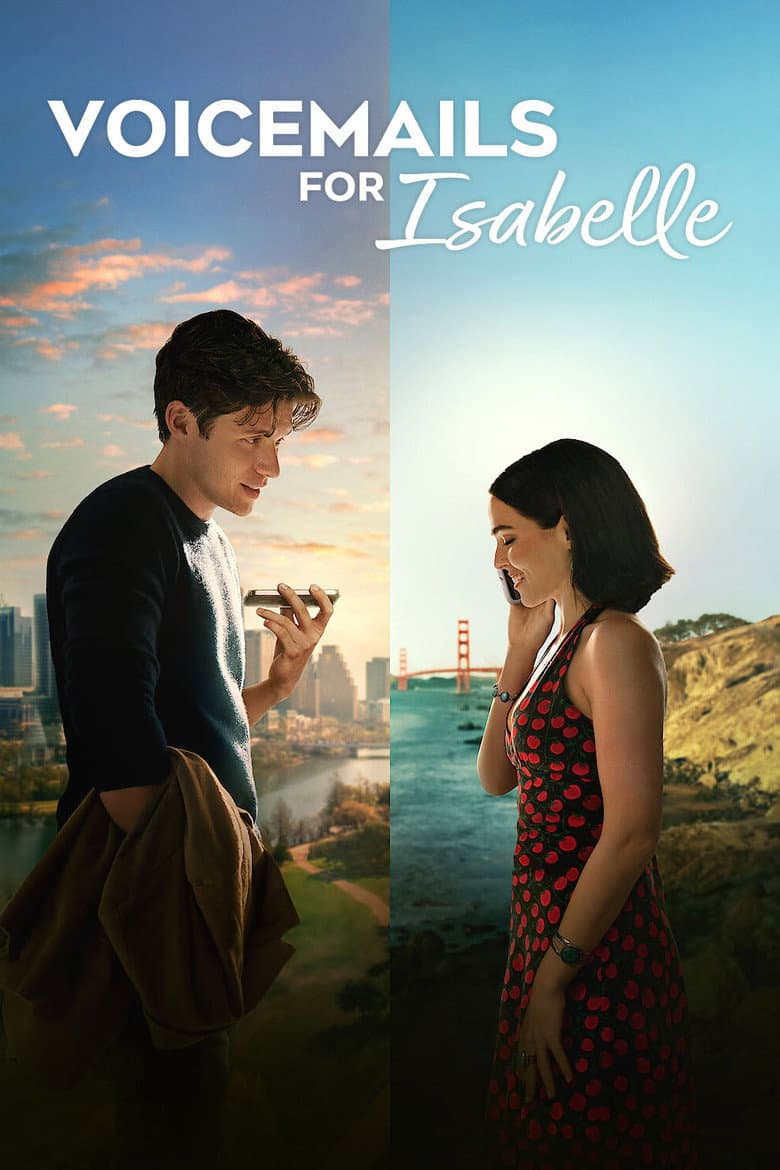
Jill is a young cook in San Francisco who keeps leaving long, funny voicemails for her late sister Isabelle. She does not know the number now belongs to Wes, a real estate agent in Austin who starts falling for her from those messages. The film mixes grief, messy dating, a harsh kitchen boss, and a warm slow-burn romance. The tone is light, tearful, and built like a classic rom-com with a modern phone twist.
The story leans on sisterhood, soft feminist notes about dating, and unfair treatment of women at work. Jill faces a chauvinist chef, bad dates, and a dating-podcast guy she calls out in public. A coworker helps her start a food truck after she is passed over. These beats are clear but sit under the bigger grief-and-romance plot rather than taking over the whole movie.
Breakdown
These are the editorial factors and ratings behind our score for Voicemails for Isabelle.
Woke representation / casting
The leads are a standard white rom-com pair. Supporting roles include Asian best friend Andy and Black coworker Zella in real, warm parts set in modern San Francisco. The film does not sell casting as a diversity project, but those visible supporting picks still show a light modern mix.
12%
Woke political dialogue
Jill’s voicemails and scenes dig into bad dates, a smug dating podcaster, and a kitchen full of men who talk down to women. She publicly shames the podcaster after he ghosts her. The talk is current and gender-aware, not full activist speeches.
28%
Identity-driven story themes
Grief and sister love drive the plot. Around that core, the film treats women’s dating pain, sex-positive choices, and being blocked by male bosses as major feelings. Empire and other reviews describe a feminist, sex-positive shape. Race and queer identity are not the story’s engine.
34%
Western institutional / cultural critique
The bakery is a clear “boys’ club” where a less skilled man is promoted over Jill. Dating culture and a male podcast coach are mocked as selfish and sexist. Reviewers note cuts at workplace chauvinism and modern dating misogyny. This is noticeable but still inside a soft rom-com.
36%
Woke character or canon changes
Not present in this title.
0%
Anti-woke backlash and complaints
There is no big “too woke” news fight. A few viewers complain about independent-woman lines, soft male leads, sex scenes, or jammed-in dating-culture trends. That is light and scattered, not a strong anti-woke campaign.
8%
Creator track record context
Writer-director Leah McKendrick’s past work often focuses on women’s pain, power, and #MeToo-era gender stories, with a mid-range cached score. One casting lead is tied to diversity-first branding, while most producers and other casters have mild or thin political profiles.
34%
Production