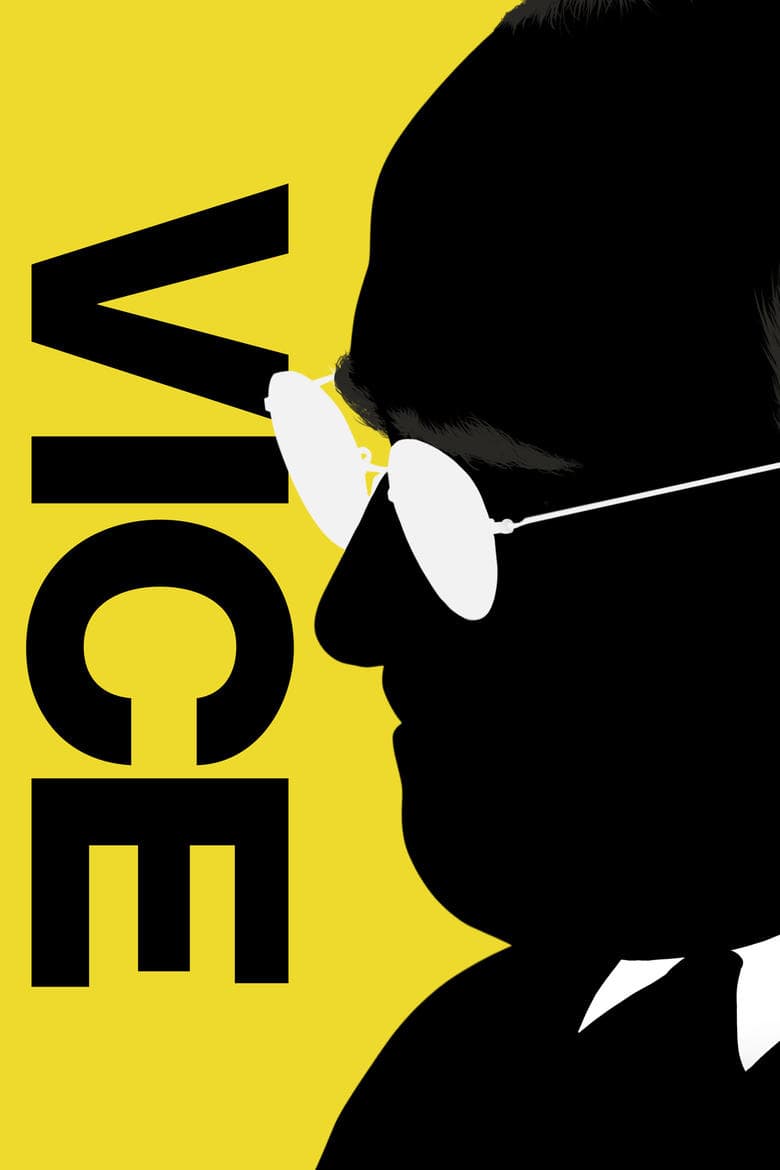
Vice is a biographical black comedy about Dick Cheney. It follows him from a troubled young man in Wyoming to the most powerful vice president in modern U.S. history. Christian Bale plays Cheney and Amy Adams plays Lynne Cheney. The story tracks bureaucratic power, post-9/11 foreign policy, the Iraq War, Halliburton, and the rise of the modern Republican right. It frames those years as a sharp satire of how power grows inside government.
The film’s progressive edge is easy to see. Dialogue hammers Iraq, torture, executive overreach, oil cronyism, and GOP strategy more than race or gender jargon. A real LGBTQ family thread is emotionally heavy. Mary Cheney comes out as a lesbian, Dick bargains so he will not be forced to oppose gay rights, and Liz’s public stand against same-sex marriage helps tear the family apart. Major roles match the real people, so casting is not an identity-first rewrite. Right-leaning critics called the movie liberal propaganda, mostly over its anti-Cheney politics rather than DEI or casting fights.
Community feedback
Was our 61% Woke rating accurate?
Breakdown
These are the editorial factors and ratings behind our score for Vice.
Woke representation / casting
Major roles match the real historical people they play. Race and gender line up with the actual figures. The film does not invent a diversity-first cast of heroes. Lynne’s ambition is treated as history, not as a first woman marketing pitch.
8%
Woke political dialogue
Talk is packed with left-leaning satire on the Iraq War, torture, executive overreach, oil deals, and GOP strategy. That is classic anti-Bush and anti-Cheney politics more than DEI jargon. Gay-rights talk shows up around the VP deal and the family fight, but it is secondary to power and war.
34%
Identity-driven story themes
The main arc is hunger for power and capture of institutions, not identity politics as the whole premise. Mary Cheney comes out as a lesbian, Dick protects her in deals, and Liz’s anti–same-sex-marriage stance breaks the family. That real subplot still gives LGBTQ conflict clear emotional weight.
45%
Western institutional / cultural critique
The film strongly mocks Republican power structures and U.S. executive power. It hits the unitary executive, secret war choices, Halliburton, and the rise of conservative media. The frame is anti-conservative institutional critique tied to war deaths and cynicism, not mainly patriarchy messaging.
60%
Woke character or canon changes
Not relevant. This is a biopic of real people. Contested scenes are political compression, not race or gender swaps of known characters. Mary’s sexuality matches the public record.
0%
Anti-woke backlash and complaints
Right-leaning and mainstream voices called the film a liberal hit piece and propaganda. They said it attacked conservatives and treated Cheney unfairly. That backlash is real, but it is about partisan bias more than DEI casting or woke language, so the score stays mid-range.
44%
Creator track record context
McKay’s wider work leans left political satire rather than identity activism. On Vice his interviews stress power, Iraq, and the Mary family tragedy. Producer context is only lightly social-issue prestige. Overall this supports mild left political framing, not hard DEI activism.
26%
Production
Movie · 2017
An aspiring actor in Hollywood meets an enigmatic stranger by the name of Tommy Wiseau, the meeting leads the actor down a path nobody could have predicted; creating the worst…
Movie · 2020
Scott has been a case of arrested development ever since his firefighter father died when he was seven. He's now reached his mid-20s having achieved little, chasing a dream of…
Movie · 2016
Having suffered a tragedy, Ben becomes a caregiver to earn money. His first client, Trevor, is a hilarious 18-year-old with muscular dystrophy.
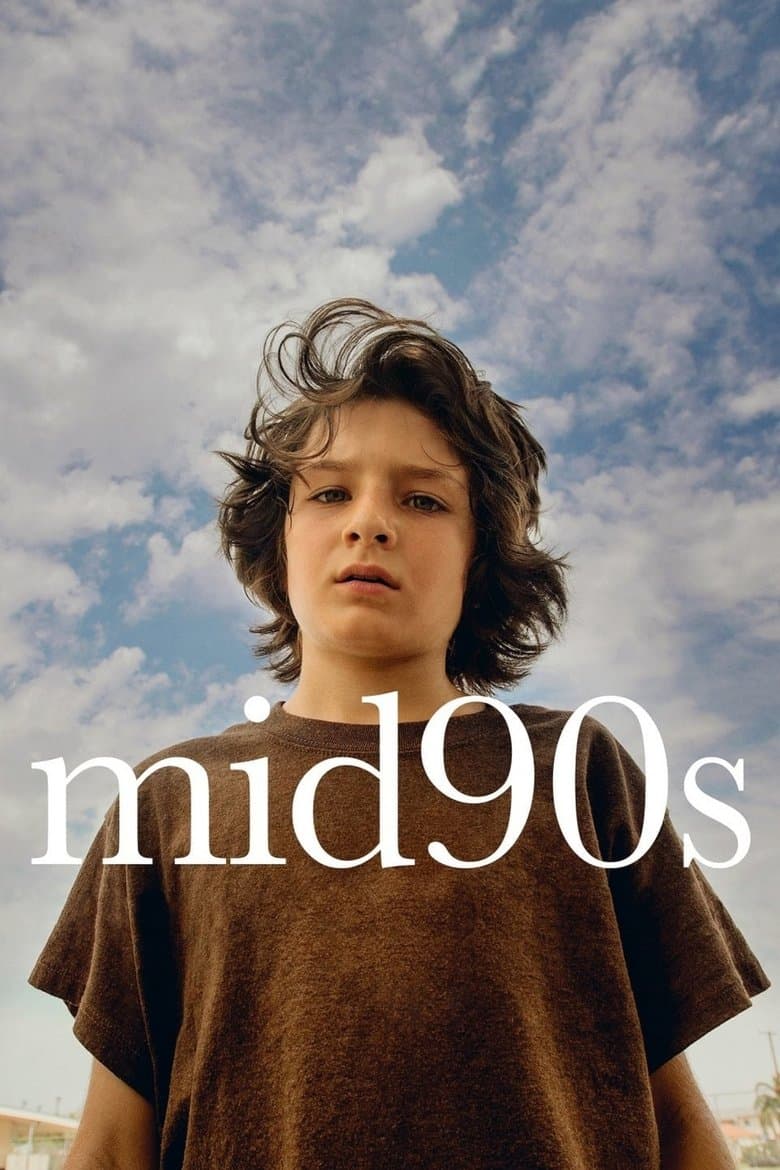
Movie · 2018
In 1990s Los Angeles, a 13-year-old spends his summer navigating between a troubled home life and a crew of new friends he meets at a skate shop.
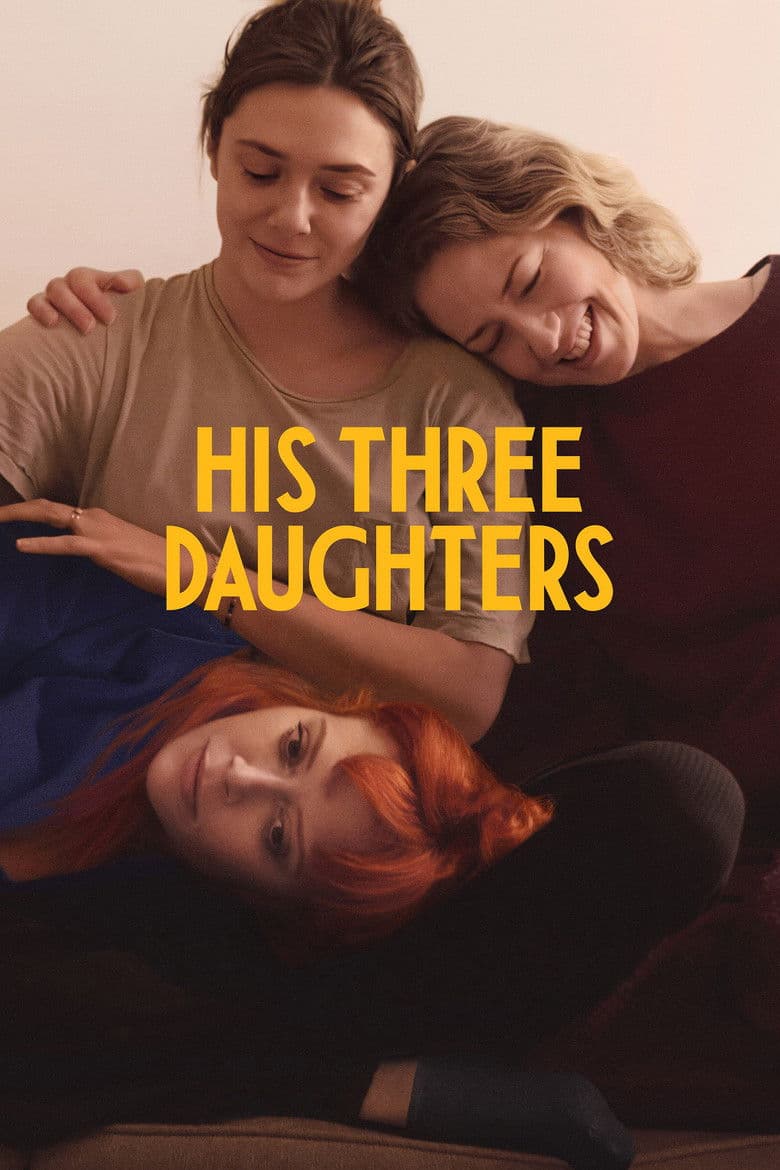
Movie · 2024
Emotions run high when three estranged sisters reunite in a cramped New York City apartment to watch over their ailing father during his final days.
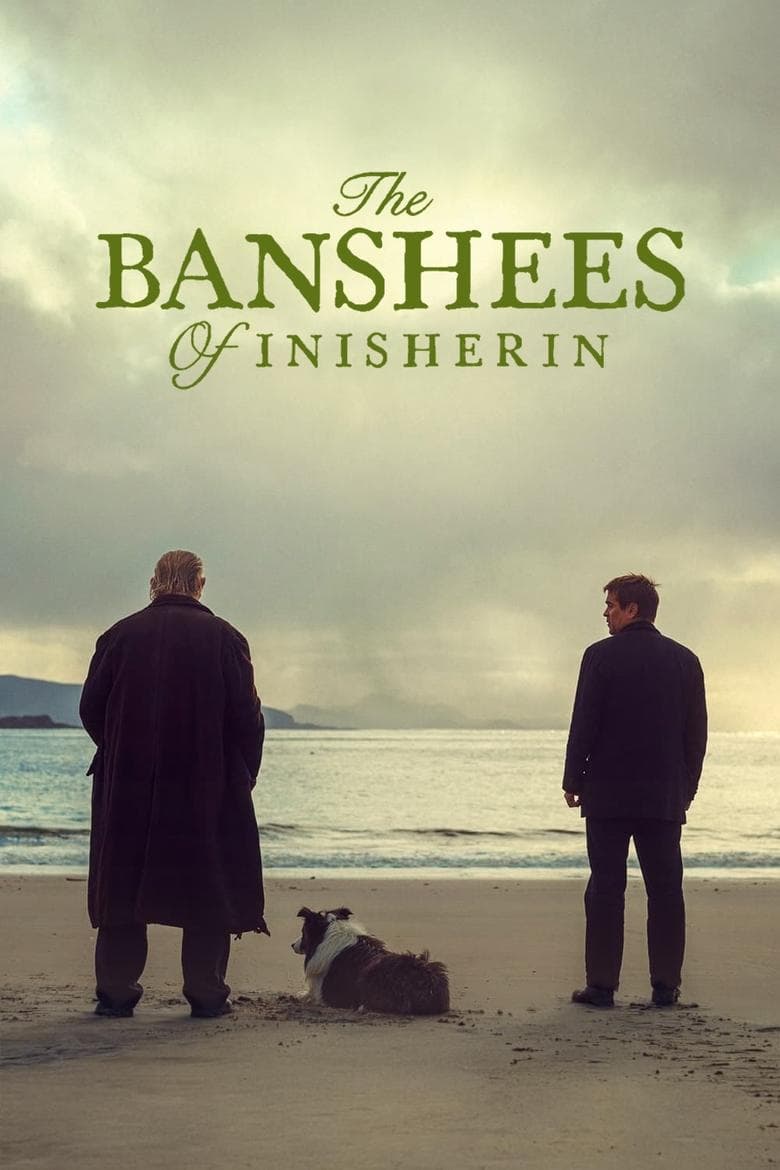
Movie · 2022
Two lifelong friends find themselves at an impasse when one abruptly ends their relationship, with alarming consequences for both of them.
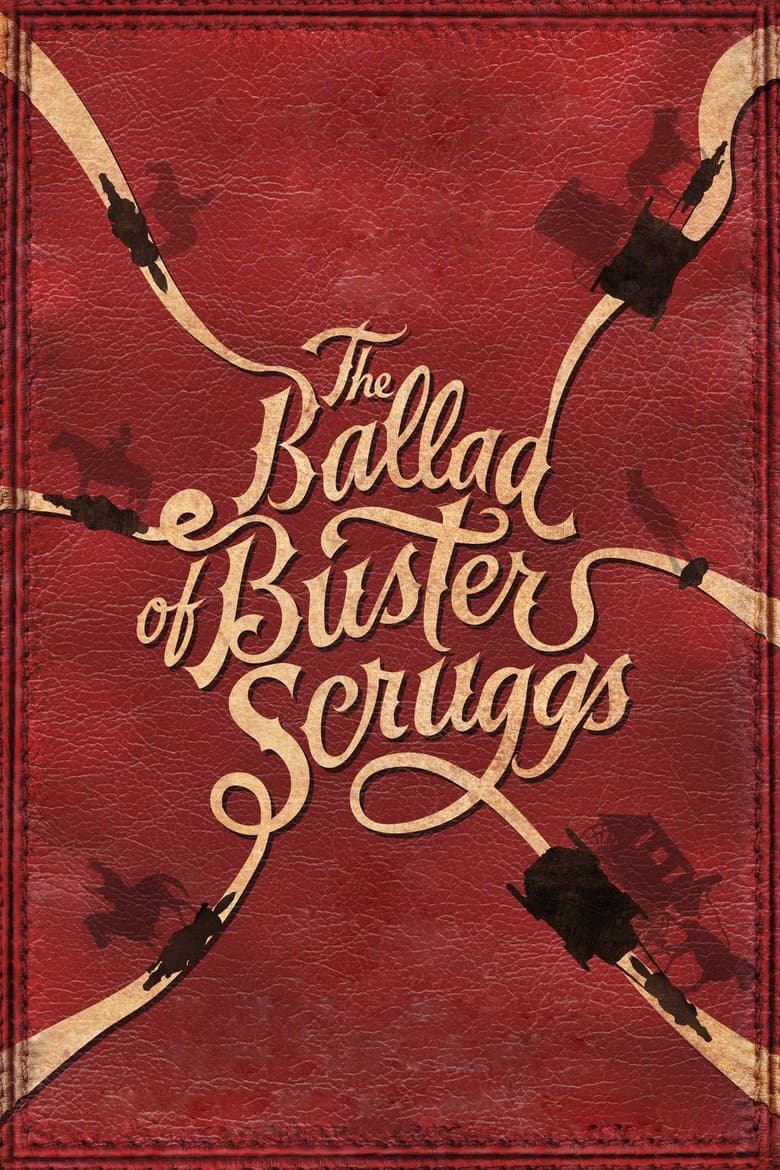
Movie · 2018
Vignettes weaving together the stories of six individuals in the old West at the end of the Civil War. Following the tales of a sharp-shooting songster, a wannabe bank robber, two…
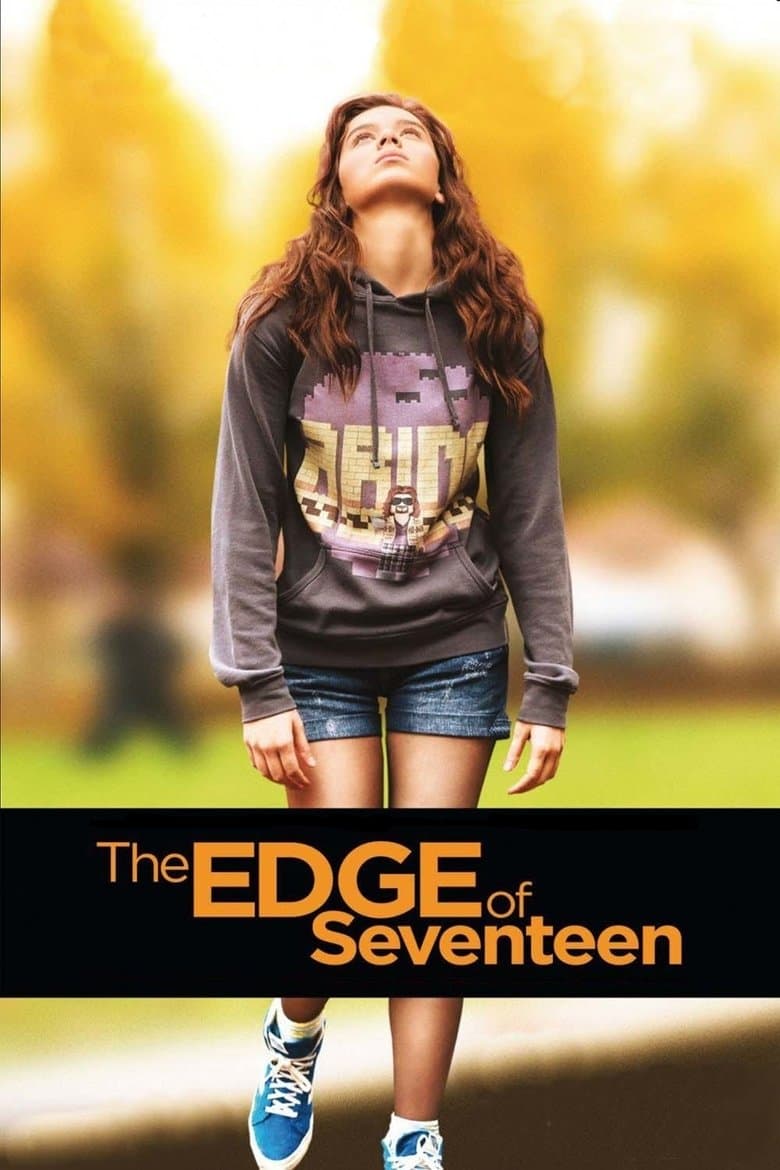
Movie · 2016
Two high school girls are best friends until one dates the other's older brother, who is totally his sister's nemesis.
