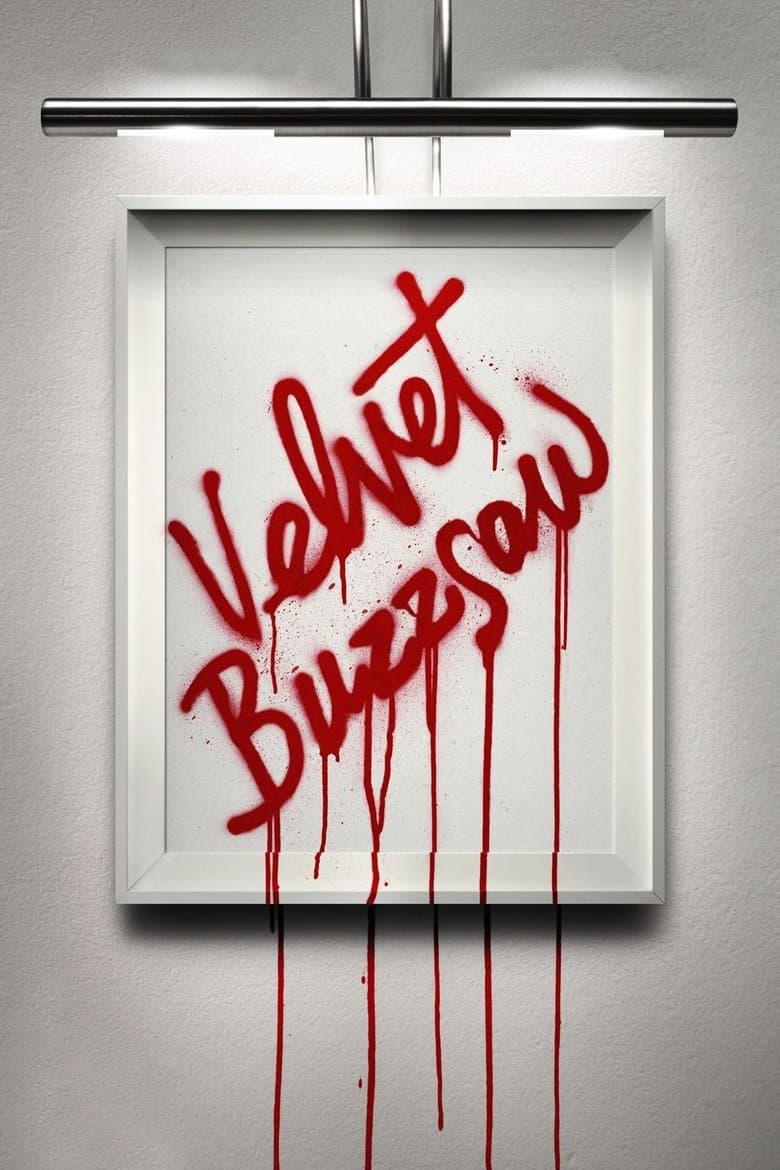
Velvet Buzzsaw follows Morf Vandewalt, a powerful Los Angeles art critic whose reviews can make or break an artist. He and gallery worker Josephina become drawn to paintings found in the home of a dead unknown artist. Rhodora Haze, Morf, collectors, and other art dealers turn the paintings into a hot product before learning that the works carry a deadly force. The film mixes black comedy, mystery, and bloody supernatural horror as the art world faces its own greed.
Morf's relationship with a man and his sexual relationship with Josephina make attraction across gender a clear part of the film. The story gives this identity thread direct dialogue, but it does not make queer life the main subject. The main message attacks the way galleries, critics, museums, and collectors turn art into money and status. The film treats profit-first art dealing as a serious wrong, while its social message stays focused on commerce, taste, and the abuse of creative work.
Community feedback
Was our 43% Woke rating accurate?
Breakdown
These are the editorial factors and ratings behind our score for Velvet Buzzsaw.
Woke representation / casting
The film puts Morf, an art critic who is attracted to men and women, at the center of its main group. Morf has a boyfriend and then has sex with Josephina, so queer identity is visible in a major role. The cast also gives important jobs to black actors, including Josephina and Damrish, but the film does not present those choices as a lesson about race. The modern Los Angeles art world makes the broad cast feel natural, so the strongest representation signal comes from Morf’s sexuality.
28%
Woke political dialogue
The film includes direct talk about art resisting the market. Damrish calls his work anti-market, and Morf describes Dease’s anger at money and commercial control. The characters say art should not be judged only by price, fame, or sales. The dialogue does not turn these ideas into a speech about race, gender, or a current activist cause.
18%
Identity-driven story themes
The film makes Morf’s attraction to men and women part of his main personal subplot. Morf begins with a boyfriend, sleeps with Josephina, and says attraction can cross gender. The story treats this as a clear part of his character, and the director described the role as an example of fluid sexuality. The supernatural plot remains about greed and art commerce, so the identity thread is visible but not the film’s main subject.
38%
Western institutional / cultural critique
The film shows the Los Angeles art market as a system that turns artists, pain, and ideas into expensive products. Galleries, critics, collectors, and museums all help raise prices and control who gets attention. The haunted paintings punish people who place profit and status above the work itself. The film attacks money-driven culture clearly, but it does not connect that attack to race, gender, religion, or a present-day activist movement.
44%
Woke character or canon changes
Not relevant. Fully original screenplay with no established characters, canon, or historical figures altered for identity reasons.
0%
Anti-woke backlash and complaints
Not present. No documented anti-woke or right-leaning complaints accusing the film of pushing woke, DEI, or identity-politics messaging. All public discussion stayed on satire quality and horror execution.
0%
Creator track record context
Dan Gilroy’s earlier work centers on dark stories about media and industry ethics, not activist identity politics. Gilroy’s interviews about this film focus on big money, branded culture, and the danger of treating art as a product. Jennifer Fox and Susan Malerstein have no noted activist pattern in the supplied context. Victoria Thomas has a moderate record of supporting inclusive casting, which adds a small background signal.
25%
Production
Movie · 2018
Following the death of the Leigh family matriarch, Annie and her children uncover disturbing secrets about their heritage.
Movie · 2021
Paranormal investigators Ed and Lorraine Warren encounter what would become one of the most sensational cases from their files.
Movie · 2023
Jess, a newly separated mother and nurse, moves into her old family farmhouse with Tyler, her teenage daughter, and Owen, her eight-year-old son.
Movie · 2019
When a 12-year-old boy goes missing at a local park, a detective investigates the case to help the boy's family find answers.
Movie · 2021
Reeling from the unexpected death of her husband, Beth is left alone in the lakeside home he built for her. Soon she begins to uncover her recently deceased husband's disturbing…

Movie · 2019
When a huge hurricane hits her hometown in Florida, Haley ignores evacuation orders to look for her father. After finding him badly wounded, both are trapped by the flood.

Movie · 2025
Plagued by a violent recurring nightmare, college student Stefanie heads home to track down the one person who might be able to break the cycle and save her family from the grisly…

Movie · 2024
Nothing is what it seems when a twisted one-night stand spirals into a serial killer’s vicious murder spree.
